
BioBoston Consulting

BioBoston Team

Clinical laboratory staff following CLIA safety regulations while reviewing compliance protocols, diagnostic testing procedures, and laboratory quality control measures.

Understanding CLIA: Key Regulations for Lab Safety

Understanding CLIA regulations is essential for maintaining laboratory safety, testing accuracy, and regulatory compliance in clinical diagnostic settings. CLIA standards establish requirements for quality control, personnel training, proficiency testing, and operational procedures to help laboratories deliver reliable patient results while supporting safe and effective healthcare practices.


Read More »
Clinical laboratory administrators and compliance specialists reviewing CLIA certification requirements, laboratory regulations, and quality assurance procedures in a healthcare testing facility.

CLIA Certification: Lab Regulations and Requirements

CLIA certification is required for laboratories that perform testing on human specimens for diagnosis, prevention, or treatment of disease in the United States. The certification process involves meeting federal standards related to personnel qualifications, quality assurance, proficiency testing, recordkeeping, and laboratory operations to ensure accurate and reliable patient test results.

Read More »
Laboratory compliance specialists and clinical staff reviewing CLIA regulations, certification standards, and diagnostic testing procedures in a modern medical laboratory.

Understanding CLIA: Key Regulations Explained

Understanding CLIA regulations is essential for clinical laboratories performing diagnostic testing in the United States. The Clinical Laboratory Improvement Amendments (CLIA) establish standards for laboratory quality, personnel qualifications, proficiency testing, and certification to ensure accurate, reliable, and timely patient test results while maintaining compliance with federal healthcare regulations.

Read More »
Clinical laboratory professionals examining CLIA certification documents, quality assurance reports, and diagnostic testing procedures in a regulated healthcare laboratory.

What is CLIA? Key Elements

CLIA, or the Clinical Laboratory Improvement Amendments, is a federal regulatory framework that sets quality standards for laboratory testing performed on human specimens in the United States. Key elements of CLIA include laboratory certification, quality control procedures, personnel qualifications, proficiency testing, and compliance inspections to ensure accurate and reliable diagnostic results.

Read More »
Clinical laboratory professionals reviewing CLIA compliance documentation, laboratory quality standards, and certification requirements in a regulated diagnostic testing environment.

CLIA Regulations: Understanding Compliance & Certification

CLIA regulations establish quality standards for laboratory testing to ensure accurate, reliable, and timely patient test results. Understanding CLIA compliance and certification requirements helps clinical laboratories maintain regulatory standards, improve operational quality, and support patient safety across diagnostic and healthcare services.

Read More »
Clinical research professionals and healthcare teams collaborating in a modern research facility while reviewing clinical trial data, regulatory workflows, and patient study operations.

Find Top Clinical Research Organizations

Top clinical research organizations (CROs) play a vital role in advancing pharmaceutical, biotechnology, and medical device innovation by managing clinical trials, regulatory processes, and data analysis. Choosing the right CRO involves evaluating expertise, global reach, compliance standards, therapeutic specialization, and proven success in delivering high-quality research outcomes.

Read More »
A healthcare researcher helping an individual search for local clinical research organizations and nearby clinical trial opportunities using a digital healthcare platform.

Local Clinical Research Organizations Near You: Easy Guide

Local clinical research organizations provide valuable support for clinical trials, medical studies, and healthcare innovation within your community. By understanding how to identify reputable CROs, review their expertise, and verify compliance standards, patients and businesses can confidently connect with trusted research partners and participation opportunities nearby.

Read More »
A person using a laptop and digital healthcare map to search for nearby clinical research companies and available medical study opportunities.

How to Find Clinical Research Companies Near Me

Finding clinical research companies near you starts with researching reputable CROs, hospitals, universities, and independent research sites that conduct clinical trials in your area. Reviewing certifications, study focus areas, regulatory compliance, and participant reviews can help you identify trustworthy organizations offering safe and legitimate research opportunities.

Read More »
Healthcare professionals and research coordinators using digital tools and location-based search platforms to identify nearby clinical research organizations and trial opportunities.

Find Clinical Research Organizations Near Me

Finding clinical research organizations near you can help connect patients, healthcare professionals, and businesses with local clinical trial opportunities and research services. CROs support pharmaceutical, biotech, and medical device studies by managing trials, regulatory processes, and data collection to advance healthcare innovation safely and efficiently.

Read More »
Clinical research staff guiding study participants through trial procedures, safety protocols, and informed consent documentation in a modern research facility.

Guide to CROs, Trials & Participation Safety

Understanding CROs, clinical trials, and participation safety is essential for anyone exploring medical research opportunities. Contract Research Organizations help manage and support clinical studies, while safety protocols, informed consent, and regulatory oversight ensure that participant rights, privacy, and well-being remain protected throughout the research process.


Read More »
A person researching verified clinical research companies online while reviewing safety guidelines and healthcare credentials on a laptop in a professional setting.

How to Find Clinical Research Companies Near Me Safely

Finding clinical research companies safely involves verifying credentials, reviewing regulatory compliance, and choosing organizations with transparent study practices and ethical standards. Start by researching reputable CROs, hospitals, and research sites, checking reviews, certifications, and official trial listings to ensure legitimate opportunities for participation or collaboration in clinical studies.

Read More »
Clinical research professionals analyzing trial data, patient recruitment metrics, and regulatory workflows across connected healthcare and research environments.
Decoding the Clinical Research Landscape

The clinical research landscape consists of a complex network of sponsors, CROs, research sites, regulatory agencies, and healthcare professionals working together to bring new therapies and medical innovations to market. Understanding how these stakeholders collaborate helps organizations improve trial efficiency, maintain regulatory compliance, and accelerate the development of safe and effective treatments for patients worldwide.

Read More »
Clinical research professionals at a Contract Research Organization (CRO) managing trial data, regulatory documents, and study operations in a modern office environment.

What Are Contract Research Organization?

A Contract Research Organization (CRO) is a company that provides outsourced research and development services to pharmaceutical, biotechnology, and medical device organizations. CROs support activities such as clinical trials, regulatory compliance, data management, and laboratory testing, helping companies accelerate product development while reducing operational complexity and costs.

Read More »
A patient and clinical research coordinator reviewing nearby clinical research opportunities on a digital map in a modern healthcare office environment.

Find Clinical Research Companies Near Me: Local Guide

Finding clinical research companies near you can open opportunities to participate in medical studies, access emerging treatments, or explore healthcare career options. Local clinical research organizations and study sites support trials across a wide range of conditions, helping advance medical innovation while connecting communities with cutting-edge healthcare research.

Read More »
Life sciences professionals collaborating across a connected ecosystem of CROs, biotech companies, and clinical research sites, reviewing trial data and research workflows on digital systems.

Decoding the Landscape: CROs, Biotechs, and Research Sites

The life sciences ecosystem is shaped by the interconnected roles of CROs, biotech companies, and research sites. CROs provide outsourced research and clinical trial expertise, biotechs drive innovation through drug and therapy development, and research sites execute studies and generate critical clinical data. Together, they form a collaborative network that accelerates discovery, development, and regulatory approval of new treatments.

Read More »
Cross-functional team of scientists, engineers, and innovation consultants collaborating around a digital interface to bridge scientific research with product development and commercialization strategies.

Effective Tech Transfer: Bridging Science to Innovation

Effective tech transfer bridges the gap between scientific discovery and real-world innovation by ensuring that research outputs are transformed into scalable, compliant, and commercially viable solutions. It relies on structured knowledge sharing, robust validation processes, and cross-functional collaboration to reduce risks and accelerate the journey from laboratory breakthroughs to impactful products.

Read More »
Pharma and MedTech professionals analyzing clinical data and product development workflows on digital dashboards to guide technology transfer from research labs to regulated healthcare products.

Mastering Tech Transfer: Pharma & MedTech Insights

Mastering tech transfer in pharma and MedTech involves ensuring that scientific innovations are efficiently and compliantly transitioned from development to manufacturing and commercialization. It requires strong coordination between R&D, quality, regulatory, and production teams to maintain product integrity, meet global compliance standards, and accelerate time-to-market while ensuring patient safety.

Read More »
A research scientist and technology transfer specialist reviewing documentation and intellectual property data in a laboratory office setting to support commercialization of scientific innovations.

Understanding the Basics of Tech Transfer

Technology transfer is the process of moving scientific discoveries, innovations, or technical knowledge from research settings into practical applications, products, or commercial use. In life sciences and other industries, it involves coordinated steps such as validation, regulatory alignment, scaling, and manufacturing readiness to ensure innovations can be safely and effectively brought to market.

Read More »
Business and technology consultants collaborating with stakeholders to design digital innovation strategies using data dashboards and modern analytics tools in a professional workspace.

Technology Consulting: Innovate with Expert Guidance

Technology consulting empowers organizations to innovate effectively by providing expert guidance on strategy, systems integration, and digital transformation. By aligning business goals with emerging technologies, consultants help companies streamline operations, improve decision-making, and accelerate sustainable innovation across industries.

Read More »
Scientists and technology consultants collaborating in a modern life sciences laboratory, reviewing digital data and medical innovation workflows to accelerate the journey from research to market-ready healthcare solutions.

Technology Consulting in Life Sciences: From Lab to Market

Technology consulting plays a critical role in helping life sciences companies transform innovative research into market-ready products. From navigating regulatory requirements to optimizing R&D, data management, and commercialization strategies, technology consulting services accelerate the journey from lab discoveries to successful healthcare solutions.

Read More »
Clinical lab scientist performing laboratory testing on patient samples using advanced diagnostic equipment in a healthcare laboratory.

What Does a Clinical Lab Scientist Do?

A Clinical Lab Scientist performs laboratory tests on blood, tissue, and other biological samples to help diagnose diseases and monitor patient health. They operate sophisticated diagnostic equipment, analyze test results, maintain laboratory quality standards, and ensure accurate reporting that supports physicians in making informed medical decisions.

Read More »
Clinical lab scientist examining laboratory samples and reviewing diagnostic data in a professional medical testing facility.

The Role of the Clinical Lab Scientist Explained

Clinical Lab Scientists are healthcare professionals who perform complex laboratory tests that help physicians diagnose, treat, and monitor diseases. Their role involves analyzing biological samples, ensuring testing accuracy, maintaining laboratory quality standards, and operating advanced diagnostic equipment to support effective patient care and medical decision-making.

Read More »
Clinical lab scientist conducting advanced diagnostic testing in a modern healthcare laboratory using automated medical equipment and digital analysis tools.

Clinical Lab Scientist: Key Role in Modern Diagnostics

Clinical Lab Scientists play a key role in modern diagnostics by performing precise laboratory testing that supports disease detection, treatment planning, and patient monitoring. Their expertise in analyzing biological samples, maintaining laboratory quality standards, and operating advanced diagnostic technologies is essential for accurate and reliable healthcare outcomes.

Read More »
Clinical lab scientist reviewing diagnostic test results in a certified medical laboratory while following CLIA compliance and laboratory quality standards.

Clinical Lab Scientist: Roles, CLIA, and Certifications

Clinical Lab Scientists are essential healthcare professionals responsible for conducting laboratory tests that support accurate disease diagnosis and patient treatment. Understanding CLIA regulations and obtaining relevant certifications are critical for maintaining laboratory compliance, ensuring testing accuracy, and advancing a successful career in medical laboratory science.

Read More »
Clinical lab scientist analyzing blood samples under a microscope in a modern medical laboratory with diagnostic equipment and test tubes visible.

Clinical Lab Scientist: Key Roles & Career

Clinical Lab Scientists play a vital role in healthcare by performing complex laboratory tests that help diagnose, monitor, and prevent diseases. Their expertise in analyzing biological samples, operating advanced laboratory equipment, and ensuring accurate test results makes them essential to patient care and modern medical research. A career as a Clinical Lab Scientist offers opportunities for specialization, professional growth, and contribution to improving healthcare outcomes.

Read More »
Top QMS tools for small software teams featuring integration dashboards, agile workflow automation, bug tracking, compliance management, and scalable collaboration tools.

Top QMS Tools for Small Software Teams: Integrate, and Scale

Top QMS tools for small software teams help streamline quality management, integrate seamlessly with development workflows, and support scalable growth. These solutions enable teams to automate documentation, manage compliance, improve collaboration, and maintain consistent software quality while adapting to agile and DevOps-driven environments.

Read More »
Top quality management systems for software firms displaying agile project tracking, compliance dashboards, workflow automation, bug management, and software quality assurance tools.

Top Quality Management Systems for Software Firms

Top Quality Management Systems for software firms help development teams improve code quality, streamline workflows, and maintain compliance in fast-paced digital environments. These QMS solutions support agile and DevOps practices by centralizing documentation, automating quality processes, managing audits, and enabling continuous improvement for scalable software development.

Read More »
Quality management systems for software firms featuring agile workflow dashboards, bug tracking, compliance automation, document management, and software quality assurance tools.

Quality Management Systems for Software Firms

Quality Management Systems for software firms help standardize development processes, improve product reliability, and ensure consistent delivery across projects. By integrating quality control, documentation management, testing workflows, and compliance tracking, QMS solutions enable software companies to reduce defects, enhance collaboration, and support continuous improvement in agile and DevOps environments.

Read More »
Startup team using a QMS solution dashboard with workflow automation, compliance tracking, project management, and quality assurance tools in a modern office environment.

Why Startups Need a QMS Solution Early On

Startups need a QMS solution early on to establish scalable processes, maintain product quality, and avoid operational inefficiencies as they grow. Implementing a Quality Management System from the beginning helps streamline workflows, improve compliance readiness, reduce costly errors, and build a strong foundation for sustainable business expansion and customer trust.

Read More »
Technology professionals using a quality management system within the tech ecosystem featuring software development workflows, compliance dashboards, automation tools, and analytics.

Understanding QMS in the Tech Ecosystem

Understanding QMS in the tech ecosystem is essential for organizations aiming to improve software quality, streamline development workflows, and maintain compliance in fast-paced digital environments. A Quality Management System helps technology companies standardize processes, reduce operational risks, enhance collaboration, and support continuous improvement across software development and IT operations.

Read More »
Electronic quality management system dashboard showing automated compliance tracking, digital document control, audit management, workflow automation, and performance analytics.

Top Benefits of an Electronic Quality Management System

An Electronic Quality Management System (eQMS) helps organizations automate quality processes, improve compliance, and enhance operational efficiency through centralized digital workflows. By replacing manual systems with real-time document control, audit management, corrective actions, and reporting tools, businesses can reduce errors, improve traceability, and accelerate continuous improvement initiatives.

Read More »
Quality management system software dashboard illustrating digital workflow automation, compliance tracking, audit management, and business process transition from manual to automated systems.

Quality Management System Software: Benefits & Transition

Quality Management System software enables organizations to transition from manual, paper-based processes to streamlined digital quality management. By centralizing document control, audits, compliance tracking, and corrective actions, businesses can improve operational efficiency, reduce errors, strengthen regulatory compliance, and support continuous improvement across all departments.

Read More »
Top quality management system software platforms displayed on business dashboards with compliance tracking, workflow automation, audit management, and analytics tools.

Top Quality Management System Software: Transform Business

Top Quality Management System software helps businesses transform operations by improving process consistency, enhancing compliance, and driving continuous improvement. Modern QMS platforms centralize quality control, automate audits and corrective actions, and provide real-time visibility into organizational performance, enabling companies to reduce risks, increase efficiency, and deliver higher customer satisfaction.

Read More »
Business dashboard showing the benefits of quality management system software including compliance tracking, workflow automation, audit management, and performance analytics.

Benefits of Quality Management System Software

Quality Management System software helps organizations improve efficiency, maintain regulatory compliance, and deliver consistent product and service quality. By automating document control, audits, corrective actions, and workflow management, QMS software reduces operational risks, minimizes errors, and supports continuous improvement across business processes.

Read More »
Business professionals using a quality management platform with dashboards for compliance monitoring, workflow automation, performance analytics, and quality control management.

The Strategic Power of a Quality Management Platform

A Quality Management Platform empowers organizations to streamline processes, improve compliance, and drive continuous improvement across all business operations. By centralizing document control, audits, corrective actions, and performance tracking, businesses can reduce risks, increase operational efficiency, and build a strong culture of quality that supports long-term growth and customer satisfaction.

Read More »
Illustration of 10 leading QMS systems for 2026 featuring compliance dashboards, audit automation, workflow management, analytics, and cloud-based quality control tools.

10 QMS Systems for 2026: A Guide

Discover the top 10 QMS systems for 2026 designed to help businesses improve quality control, streamline compliance, and enhance operational efficiency. From startups to enterprise organizations, these modern Quality Management Systems offer advanced automation, document control, audit management, and risk assessment features to support continuous improvement and regulatory compliance across industries.

Read More »
Quality management systems for small software startups displaying agile project tracking, automated compliance workflows, bug management, document control, and collaborative development tools.

Quality Management Systems for Small Software Startups

Quality Management Systems for small software startups help streamline development processes, improve code quality, and ensure consistent product delivery from early-stage growth to scale. These systems support agile workflows, automate documentation and testing processes, and help startups maintain compliance standards while reducing bugs, technical debt, and operational risks.

Read More »
Quality management systems for small software firms in 2026 featuring agile workflow management, bug tracking, compliance automation, document control, and team collaboration dashboards.

Quality Management Systems for Small Software Firms 2026

Quality Management Systems for small software firms in 2026 focus on lightweight, scalable, and agile-ready solutions that help teams maintain code quality, manage documentation, and ensure consistent delivery without slowing development. Modern QMS tools for software startups emphasize automation, workflow integration, and compliance support (such as ISO 9001) while fitting seamlessly into DevOps and agile environments to support fast growth and continuous improvement.

Read More »
Comparison of the best quality management systems showcasing digital compliance tools, audit tracking, document control, workflow automation, and performance analytics for businesses.

Best Quality Management Systems

Best Quality Management Systems (QMS) help organizations standardize processes, ensure regulatory compliance, and continuously improve product and service quality. By integrating documentation control, audits, risk management, and corrective actions, a strong QMS enables businesses to operate efficiently, reduce errors, and scale with confidence across industries.

Read More »
Dashboard view of top quality management systems for startups featuring compliance tracking, workflow automation, audit management, and team collaboration tools for growing businesses.

Top Quality Management Systems for Startups

Top Quality Management Systems (QMS) for startups help build strong compliance, streamline processes, and ensure product quality from the very beginning. The right QMS solution enables young companies to meet regulatory requirements, improve operational efficiency, and scale with confidence while reducing risks and errors.

Read More »
Professional team conducting an effective QMS gap assessment for medical device compliance using digital dashboards, compliance checklists, and quality management documentation in a modern healthcare workspace.

Effective QMS Gap Assessment for Medical Device Compliance

An effective QMS gap assessment for medical device compliance helps organizations identify deficiencies in their quality management system and align with ISO 13485 and FDA 21 CFR Part 820 requirements. It strengthens regulatory readiness, improves audit performance, and supports continuous quality improvement in medical device operations.

Read More »
Medical device quality assurance professionals reviewing compliance documents and conducting a QMS gap assessment to achieve ISO 13485 and FDA regulatory compliance.

QMS Gap Assessment Medical Devices Guide: Achieve Compliance

This guide to QMS gap assessment for medical devices explains how organizations can achieve regulatory compliance by identifying quality system gaps and aligning with ISO 13485 and FDA 21 CFR Part 820 requirements. Learn how structured assessments improve audit readiness, reduce risk, and strengthen overall quality management performance.

Read More »
Medical device compliance team performing a QMS gap assessment with quality documents, audit reports, and regulatory checklists in a professional office environment.

QMS Gap Assessment: Crucial for Medical Device Compliance

A QMS gap assessment is essential for ensuring medical device compliance with ISO 13485 and FDA 21 CFR Part 820 requirements. It helps organizations identify quality system gaps, strengthen regulatory readiness, and improve audit performance through structured evaluation and continuous improvement.

Read More »
Medical device professionals conducting a gap assessment using compliance checklists, quality management documents, and audit reports to improve regulatory readiness.

Gap Assessment for Medical Devices

A gap assessment for medical devices helps organizations identify weaknesses in quality systems, align operations with ISO 13485 and FDA requirements, and improve overall regulatory compliance. Learn how structured gap analysis supports risk reduction, audit readiness, and continuous quality improvement in the medical device industry.

Read More »
Quality assurance specialists conducting a QMS gap assessment for medical devices with compliance reports, audit checklists, and regulatory documentation in a modern office.

QMS Gap Assessment for Medical Devices: Essential Guide

This essential guide to QMS gap assessment for medical devices explains how to identify compliance gaps, improve quality management systems, and prepare for ISO 13485 and FDA regulatory requirements. Learn how proactive assessments strengthen operational efficiency, reduce compliance risks, and support continuous improvement in medical device manufacturing.

Read More »
Quality management professionals reviewing process documents and compliance checklists while defining the baseline for a gap assessment in a medical device organization.

Defining the Baseline: What is a Gap Assessment?

A gap assessment is a structured evaluation that compares existing processes and quality systems against regulatory or industry requirements. In the medical device industry, it helps organizations identify compliance gaps, strengthen quality management systems, and prepare for standards such as ISO 13485 and FDA regulations.

Read More »
Medical device quality management team conducting a QMS gap assessment with regulatory documents, audit reports, and compliance checklists in a professional workspace.

QMS Gap Assessment for Medical Device Compliance

A QMS gap assessment for medical device compliance helps organizations identify quality system deficiencies, align processes with ISO 13485, FDA 21 CFR Part 820, and EU MDR requirements, and strengthen regulatory readiness. Discover how proactive assessments improve compliance, reduce operational risk, and support continuous quality improvement.

Read More »
Medical device compliance specialists performing a gap assessment using quality management documents, regulatory checklists, and audit findings in a professional office setting.

Gap Assessment for Medical Device Compliance

A medical device compliance gap assessment helps organizations identify regulatory weaknesses, improve quality systems, and prepare for ISO 13485, FDA, and EU MDR requirements. Learn how structured assessments strengthen compliance, reduce audit risks, and support safer, more efficient medical device operations.

Read More »
Medical device quality assurance team conducting a QMS gap assessment with compliance documentation, audit checklists, and regulatory standards displayed on digital screens.

QMS Gap Assessment for Medical Devices

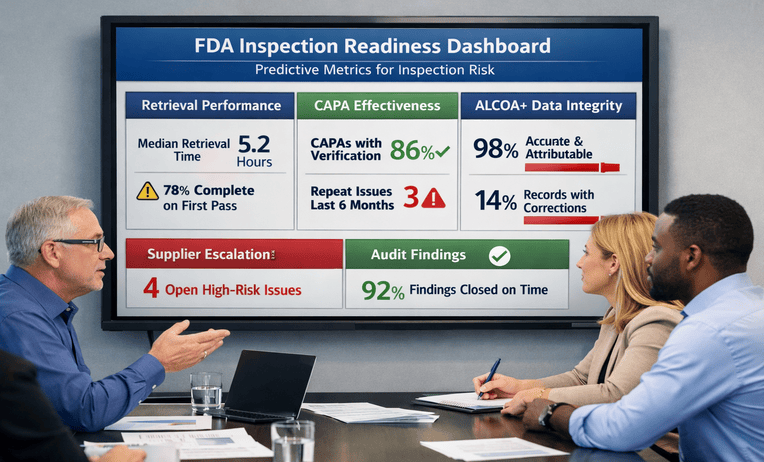
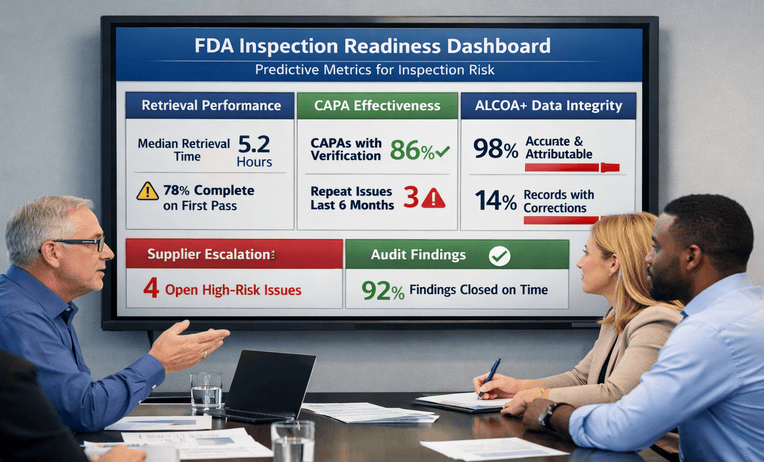
Learn how to conduct an effective QMS gap assessment for medical devices to identify compliance gaps, strengthen quality systems, and prepare for ISO 13485, FDA 21 CFR Part 820, and EU MDR 2017/745 requirements. Discover best practices for risk management, CAPA effectiveness, data integrity, and regulatory readiness in modern medical device manufacturing.

Read More »
Medical device professionals performing an effective QMS gap assessment using audit reports, compliance checklists, and quality management documentation in a modern office environment.

Effective QMS Gap Assessment for Medical Devices

Learn how to perform an effective QMS gap assessment for medical devices and strengthen compliance with ISO 13485:2016, FDA 21 CFR Part 820, and EU MDR 2017/745. This guide explores risk management, CAPA effectiveness, post-market surveillance, GxP data integrity, ALCOA+ principles, cloud compliance, AI in quality systems, and best practices for identifying and remediating quality management system gaps in regulated medical device environments.

Read More »
Software validation specialists reviewing regulatory requirements and testing protocols to ensure SaMD safety and compliance in a digital healthcare environment.

New Software Validation Rules: Ensuring SaMD Safety

Explore the FDA’s new software validation requirements and learn how modern Computer Software Assurance (CSA) methods are improving the safety of Software as a Medical Device (SaMD). This guide explains the shift from traditional Computer System Validation (CSV) to risk-based testing, cybersecurity integration, audit trails, 21 CFR Part 11 compliance, agile development, and post-market surveillance. Discover how the FDA’s streamlined regulatory framework helps deliver safer, faster, and more reliable medical apps without compromising patient protection.

Read More »
Healthcare software compliance professionals comparing CSA and CSV validation approaches with digital testing reports, risk assessments, and regulatory documentation.

New Software Validation Requirements: A Guide to CSA vs CSV

Learn how the FDA’s new software validation requirements are transforming life sciences, medical devices, and digital health. This guide explains the shift from traditional Computer System Validation (CSV) to Computer Software Assurance (CSA), including risk-based testing, Agile validation, automated testing for GxP environments, 21 CFR Part 11 compliance, audit trails, SaMD regulations, and post-market surveillance strategies. Discover how modern FDA guidance helps organizations reduce documentation burdens while improving software quality, patient safety, and compliance efficiency.

Read More »
Regulatory and quality assurance professionals navigating FDA software validation requirements using compliance dashboards, risk management tools, and validation documentation.

Navigate FDA’s New Software Validation Requirements

Navigate the FDA’s new software validation requirements with confidence. Learn how the shift from traditional Computer System Validation (CSV) to Computer Software Assurance (CSA) is transforming software compliance in life sciences, medical devices, and pharmaceuticals. Discover risk-based testing strategies, 21 CFR Part 11 compliance, audit trails, IEC 62304 lifecycle standards, cloud validation, agile development, and best practices for modern FDA software quality audits.

Read More »
Quality assurance and validation professionals reviewing system documentation, validation protocols, and compliance checklists to define baseline requirements in a regulated environment.

Defining the Baseline: Systems and Validation

Explore the FDA’s new software validation requirements and learn how the shift from traditional Computerized System Validation (CSV) to Computer Software Assurance (CSA) is transforming quality systems in life sciences and digital health. Discover risk-based validation strategies, agile testing methods, 21 CFR Part 11 compliance, GAMP 5 alignment, automated validation tools, SaMD guidance, post-market surveillance, and best practices for modern FDA software quality assurance.

Read More »
Quality system professionals reviewing Computer Software Assurance guidance with validation documents, risk assessments, and compliance workflows in a regulated healthcare environment.

Computer Software Assurance guidance for quality system

Learn how modern Computer Software Assurance (CSA) guidance is transforming FDA software validation for life sciences and digital healthcare. Discover the shift from traditional Computerized System Validation (CSV) to risk-based testing, continuous monitoring, agile validation, cybersecurity protection, 21 CFR Part 11 compliance, audit trails, and Software as a Medical Device (SaMD) oversight. Understand how these evolving FDA validation requirements improve patient safety while accelerating innovation in connected medical technology.

Read More »
Healthcare software developers and compliance professionals validating medical applications with testing dashboards, cybersecurity checks, and regulatory documentation.

New Software Validation Requirements: Safer Medical Apps

Discover how the FDA’s new software validation requirements are making medical apps safer and more reliable. Learn how Computer Software Assurance (CSA) is replacing traditional Computerized System Validation (CSV) with risk-based testing, critical thinking, unscripted validation methods, secure audit trails, and continuous post-market surveillance. Explore how Software as a Medical Device (SaMD), 21 CFR Part 11 compliance, GAMP 5, and modern pharma validation software are shaping the future of trusted digital healthcare.

Read More »
Regulatory and quality assurance professionals analyzing FDA software validation requirements with compliance documents, testing reports, and digital quality systems.

FDA’s New Software Validation Requirements Explained

The FDA’s new software validation requirements are reshaping how healthcare technology is tested and approved. By shifting from traditional Computer System Validation (CSV) to Computer Software Assurance (CSA), regulators now prioritize risk-based testing, real-world software reliability, automated validation, audit trails, and patient safety. Learn how the FDA’s modernized approach impacts medical apps, Software as a Medical Device (SaMD), digital health compliance, and the future of safe healthcare technology.

Read More »
FDA software validation requirements update showing digital healthcare compliance, software testing, cybersecurity validation, and quality assurance processes for regulated medical device software systems.

FDA’s New Software Validation Requirements: Key Changes

The FDA’s new software validation requirements are transforming how medical and healthcare software is tested. By replacing outdated Computer System Validation (CSV) methods with Computer Software Assurance (CSA), the agency is prioritizing risk-based testing, automated validation, and real-world patient safety. Learn how the shift impacts Software as a Medical Device (SaMD), agile development, audit trails, quality management systems, and modern healthcare technology compliance.

Read More »
Medical device QMS gap assessment and ISO 13485 compliance review process

Medical Device QMS Gap Assessment: Essential Guide

A qms gap assessment medical device review helps manufacturers identify compliance gaps across ISO 13485, FDA 21 CFR Part 820, EU MDR, and GxP data integrity requirements. Learn how proactive assessments support audit readiness, CAPA effectiveness, cloud compliance, and long-term regulatory success.

Read More »
QMS gap assessment medical device compliance review process for ISO 13485 and FDA regulations

QMS Gap Assessment: Ensure Medical Device Compliance

A qms gap assessment medical device review helps manufacturers identify compliance risks, strengthen ISO 13485 alignment, and improve FDA readiness. Learn how structured assessments support data integrity, CAPA effectiveness, and regulatory preparedness across global medical device markets.

Read More »
QMS Gap Assessment for Medical Devices

QMS Gap Assessment for Medical Devices: A Comprehensive Guide

A QMS gap assessment medical device strategy helps manufacturers identify compliance gaps, strengthen quality systems, and improve regulatory readiness. Learn how ISO 13485, FDA 21 CFR Part 820, ALCOA+, and GxP data integrity principles support effective medical device quality management and continuous improvement.

Read More »
QMS gap assessment process for medical device compliance and quality management

QMS Gap Assessment for Medical Devices: Ensuring Compliance

A QMS gap assessment helps medical device manufacturers identify compliance gaps, improve quality systems, and strengthen regulatory readiness. Learn how ISO 13485, GxP compliance, ALCOA+ data integrity principles, and structured gap assessment reports support operational efficiency and product quality.

Read More »
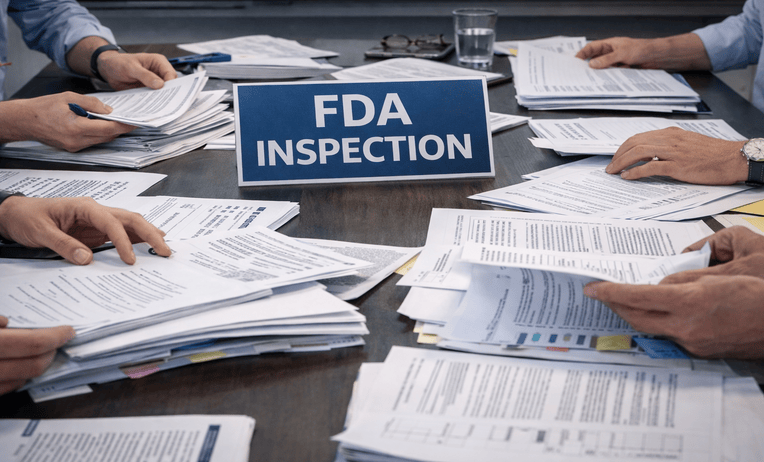
FDA pre-approval inspection readiness review for medical device manufacturing facility

Maximize Success with Pre-Approval Inspection Insights

Pre-approval inspection readiness helps medical device and pharmaceutical companies align with FDA regulations, strengthen compliance systems, and prepare for successful regulatory inspections. Learn how FDA consulting, mock inspections, and quality management practices support efficient market readiness and long-term compliance success.

Read More »
FDA pre-approval inspection readiness review for medical device and pharmaceutical manufacturing compliance

Pre-Approval Inspection Benefits: FDA Readiness Guide

Pre-approval inspection readiness is essential for FDA compliance in medical device and pharmaceutical industries. Learn how FDA inspections, mock audits, and regulatory consulting services help organizations improve quality systems, reduce compliance risks, and support successful product approvals.

Read More »
FDA pre-approval inspection readiness review for medical device and pharmaceutical compliance

Pre-Approval Inspection Benefits: FDA Compliance Guide

Pre-approval inspection readiness helps medical device and pharmaceutical companies align with FDA compliance requirements, strengthen quality systems, and reduce regulatory risks through effective preparation, documentation control, and FDA regulatory consulting support.

Read More »
FDA pre-approval inspection readiness review for medical device and pharmaceutical compliance

Pre-Approval Inspection: Benefits and Readiness

Pre-approval inspection readiness helps medical device and pharmaceutical companies maintain FDA compliance, improve quality systems, and reduce regulatory delays. Learn how FDA inspections, mock audits, and regulatory consulting services support successful market approvals and inspection preparedness.

Read More »
FDA pre-approval inspection readiness review for medical device and pharmaceutical compliance

Pre-Approval Inspection Guide: Ensure FDA Compliance

Pre-approval inspection readiness is critical for FDA compliance in medical device and pharmaceutical industries. Learn how FDA inspections, audit preparation, and regulatory consulting services help organizations strengthen quality systems, reduce compliance risks, and improve inspection outcomes.

Read More »
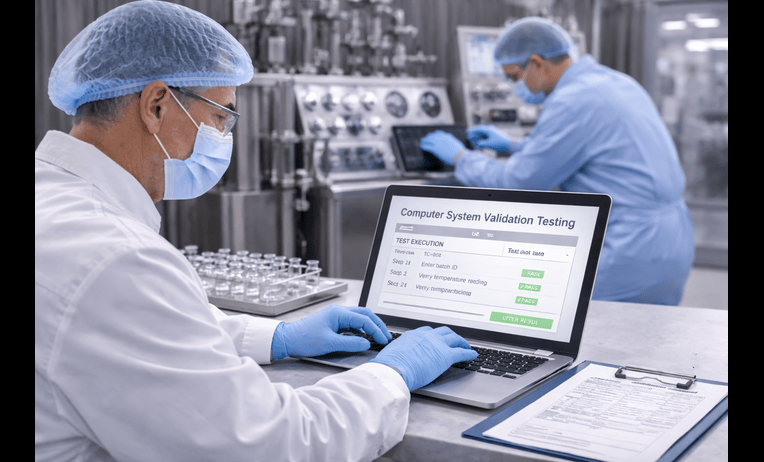
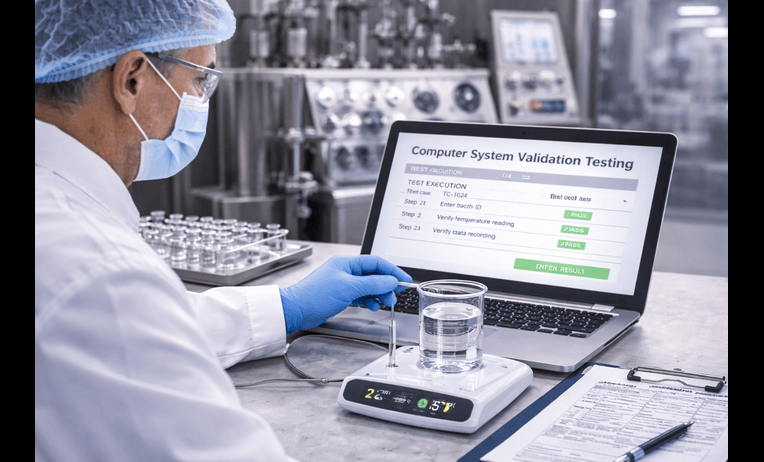
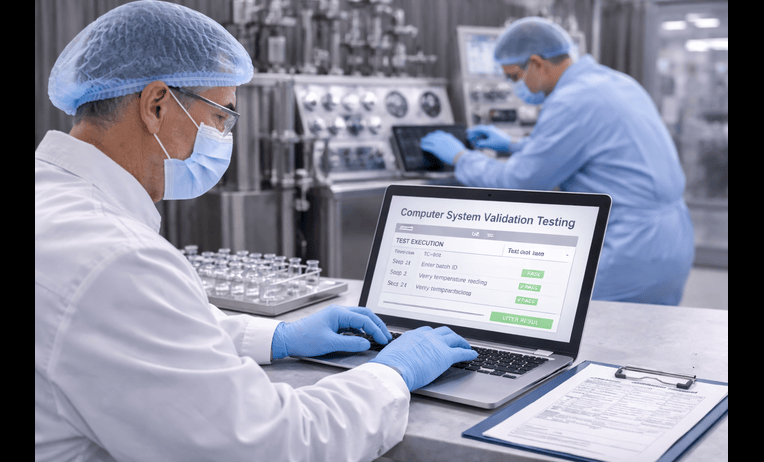
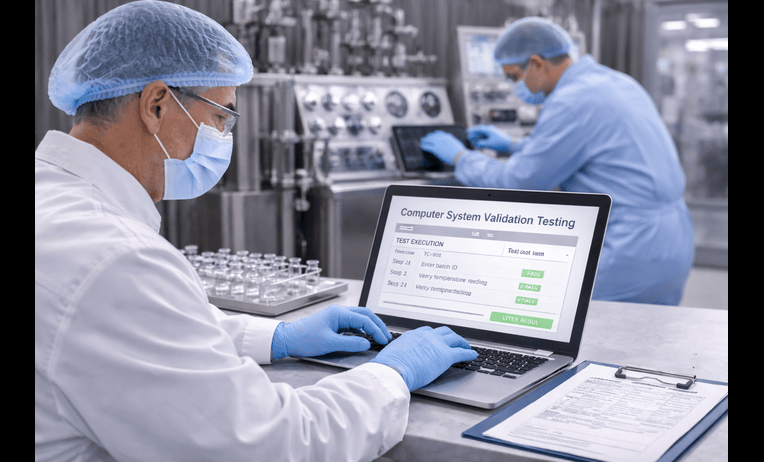
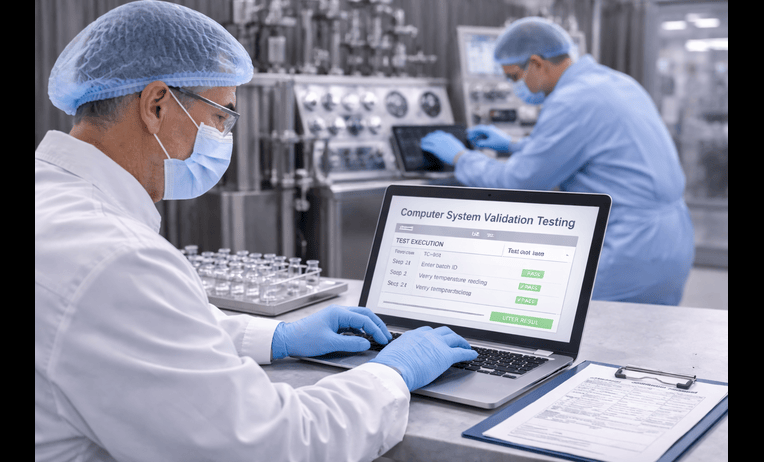
CSV to CSA FDA software validation requirements for computerized system validation in life sciences

CSV to CSA: FDA’s New Validation Guidance

Understand FDA’s new software validation requirements and learn how CSV validation, computerized system validation, audit trails, and CSA-based approaches support compliance, data integrity, and operational efficiency in regulated research and pharmaceutical environments.

Read More »
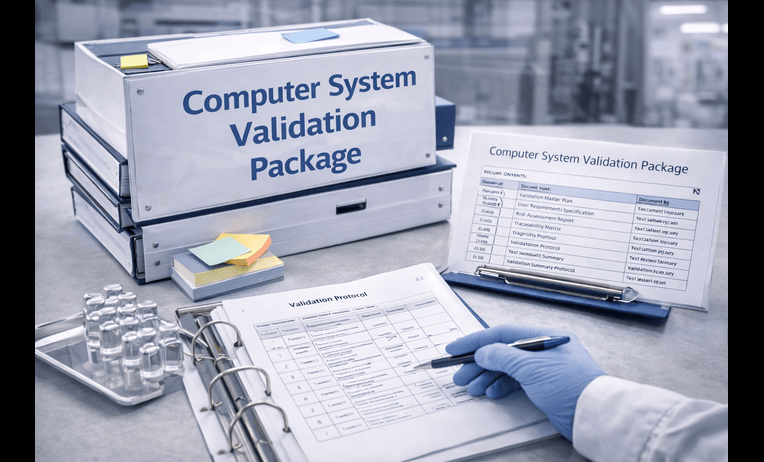
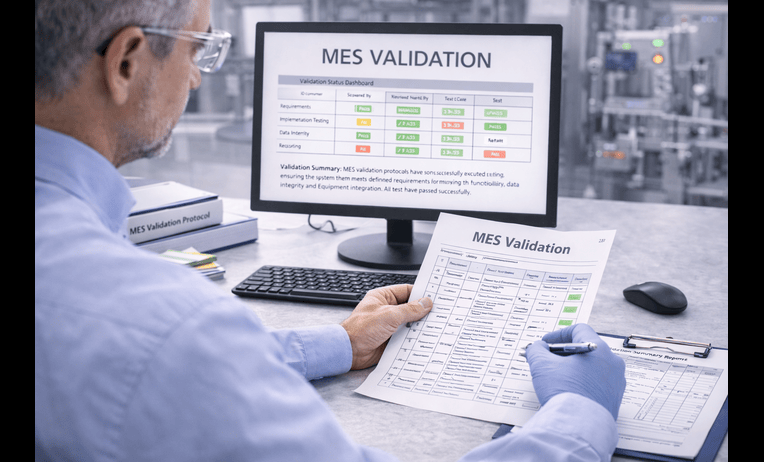
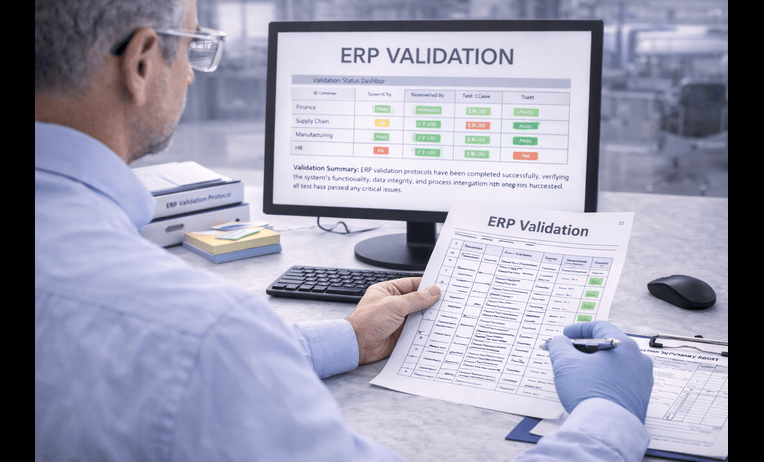
Software validation process for research compliance and FDA computer software assurance

Comprehending the FDA’s Updated Strategy for CSV

Learn how csv validation, FDA software validation, and computer system validation support data integrity and compliance in research settings. This guide outlines best practices for software validation in research environments, including CSA approaches, validation workflows, testing strategies, and documentation methods for regulated industries.

Read More »
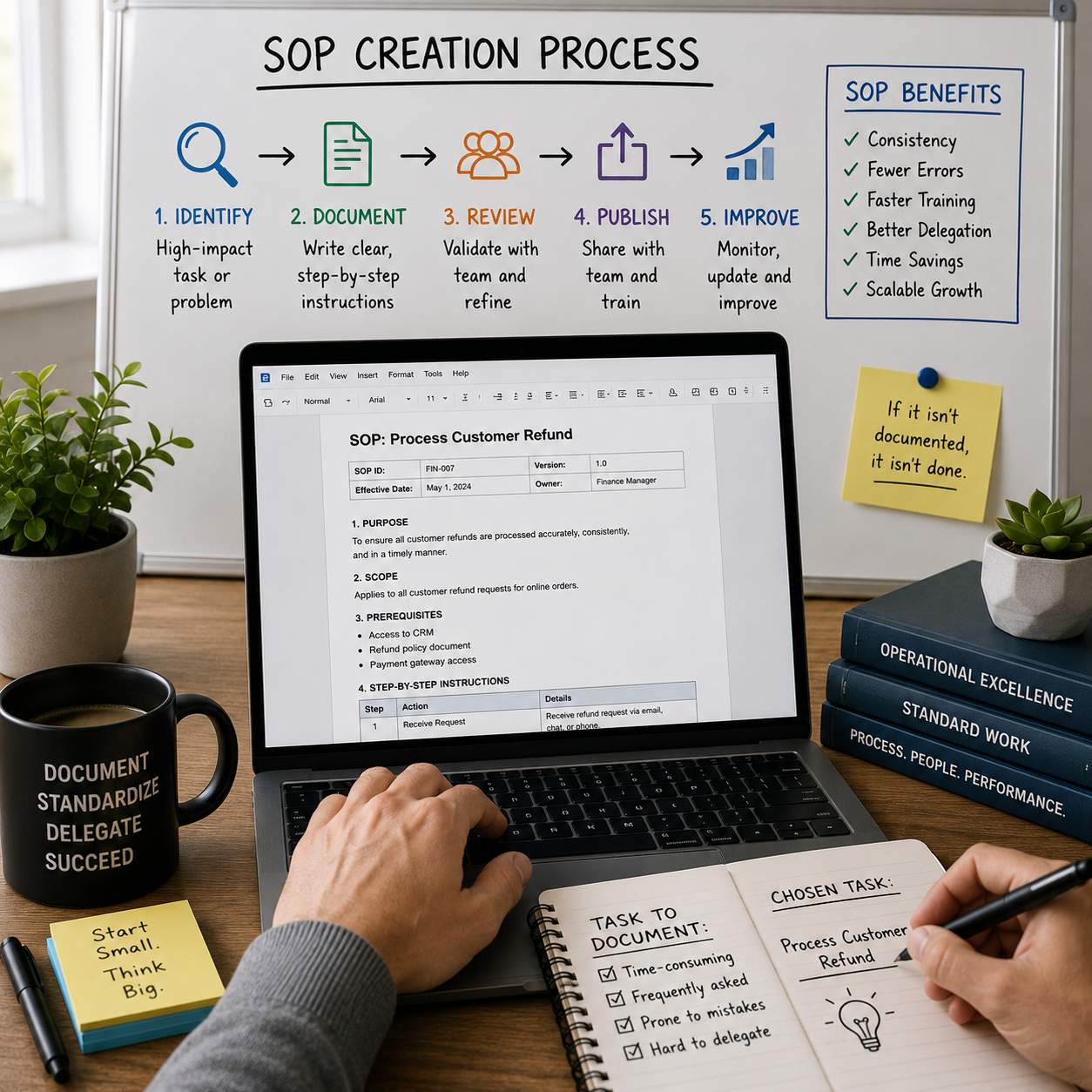
Standard Operating Procedures sop

Basic Guide to Writing Standard Operating Procedures sop

Learn what an SOP is, how to define SOP in a business context, and why a clear standard operating procedure template is essential for consistent, compliant, and scalable operations. This guide explains the basic components of an effective SOP, including purpose, scope, roles, responsibilities, procedure steps, version control, training, and comprehension checks. It also covers how standardized workflows help reduce operational errors, improve onboarding, support continuous improvement, and streamline business operations.

Read More »
Strategic pharmaceutical technology transfer in response to tariffs

ICH Q9 for Better Technology Transfer

This article explores how risk-based strategies enable more reliable, efficient technology transfer under GMP—helping life sciences organizations maintain product quality while accelerating timelines.

Read More »
Global Excellence Award – Best Life Science Business Consultancy 2025

Top 10 Market Access and Commercial Strategy Advisors

Life sciences organizations are under increasing pressure to move faster advancing pipelines, meeting regulatory expectations, and scaling operations globally. We often see strong strategies lose momentum during execution, particularly when regulatory, clinical, and operational plans are not fully aligned.

Read More »
Global Excellence Award – Best Life Science Business Consultancy 2025

10 Standout Leaders in Global Market Access Strategy

Life sciences organizations are under increasing pressure to move faster advancing pipelines, meeting regulatory expectations, and scaling operations globally. We often see strong strategies lose momentum during execution, particularly when regulatory, clinical, and operational plans are not fully aligned.

Read More »
Biotech team planning regulatory strategy for FDA IND and EMA submissions

10 Top-Rated Leaders Advancing Healthcare Transformation

This article highlights ten top-rated healthcare transformation leaders supporting providers, payers, and life sciences organizations. These firms help drive sustainable change by aligning strategy with execution, strengthening operational performance, and navigating complex regulatory environments.

Read More »
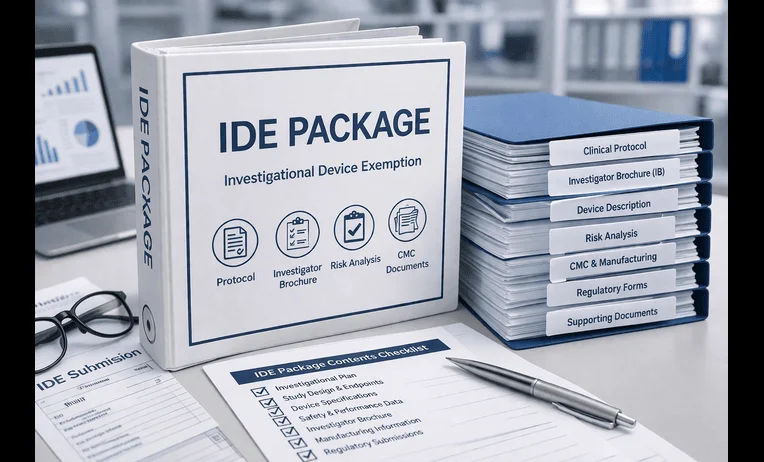
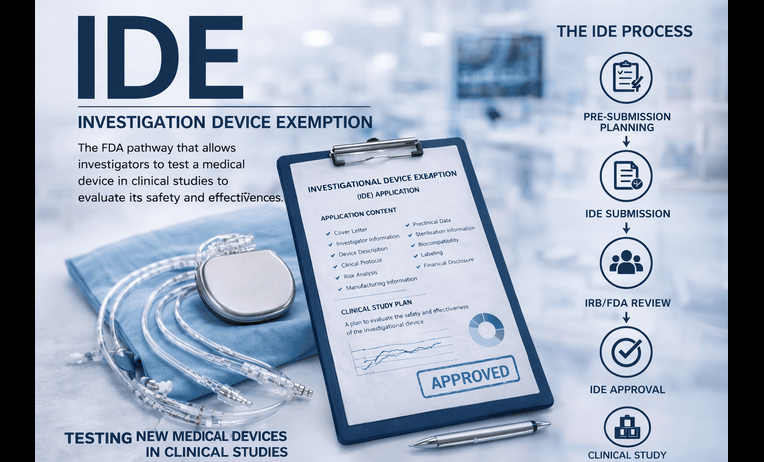
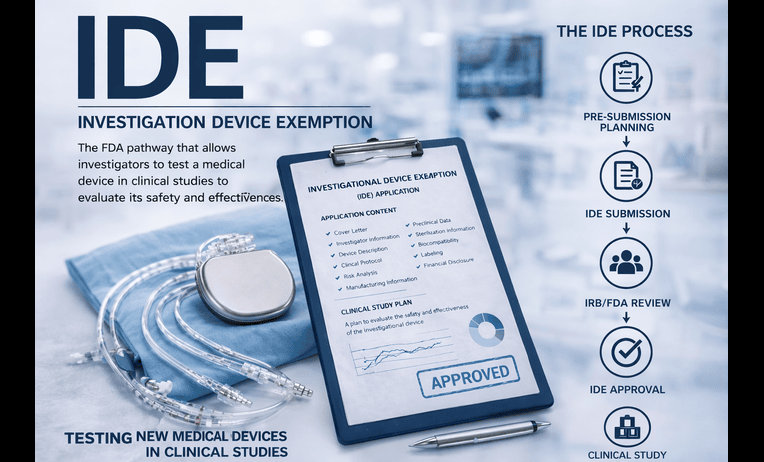
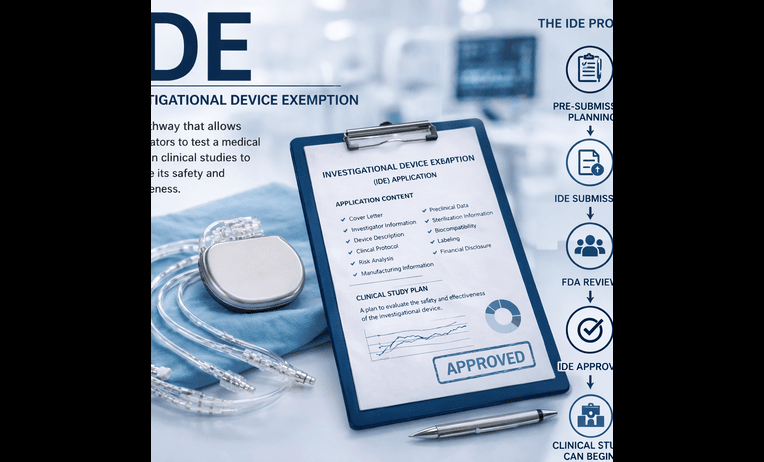
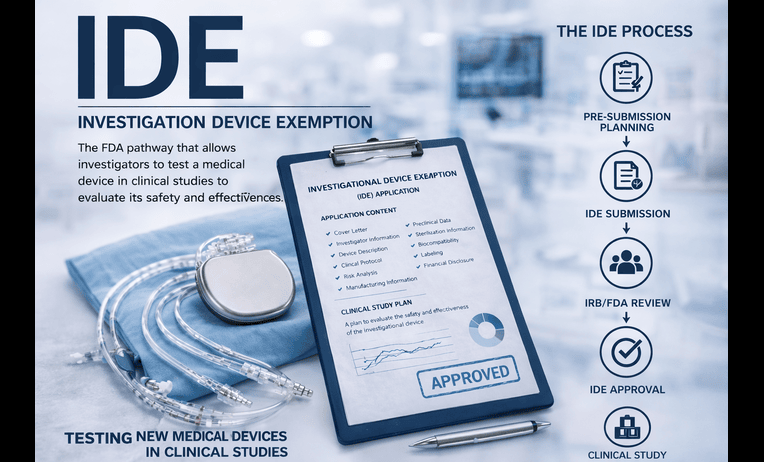
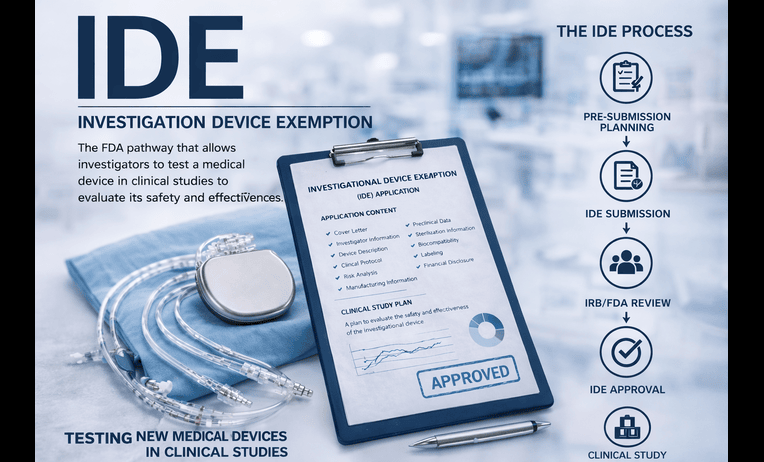
Workflow for efficient IDE submission and FDA approval timelines

Managing Risk in FDA IDE Submissions: A Practical Overview

We often see stronger IDE outcomes when risk assessment is embedded from the start—rather than addressed during final submission preparation. Managing risk proactively not only supports smoother FDA review but also strengthens overall development strategy, helping teams move forward with greater clarity and confidence.

Read More »
Technology transfer consulting services for pharmaceutical and biotech companies by BioBoston Consulting

Supporting Reliable Technology Transfer Under GMP

Technology transfer under GMP often appears well-structured on paper, yet challenges emerge during execution. We frequently see delays not because of technical complexity, but due to gaps in process understanding, documentation, and cross-site alignment.

Read More »
Biotech team planning regulatory strategy for FDA IND and EMA submissions

10 top rated Healthcare Transformation Leaders

This article highlights ten top-rated healthcare transformation leaders supporting providers, payers, and life sciences organizations. These firms help drive sustainable change by aligning strategy with execution, strengthening operational performance, and navigating complex regulatory environments.

Read More »
Pharma regulatory strategy experts supporting FDA and EMA submissions and compliance planning

10 best Firms Supporting Scalable Innovation

This article highlights ten leading consulting firms that support scalable innovation across biotech, pharmaceutical, and medtech organizations helping teams strengthen execution, align strategy with regulatory expectations, and scale efficiently across the product lifecycle.

Read More »
Biotech team planning regulatory strategy for FDA IND and EMA submissions

10 Healthcare Transformation Leaders

Life sciences organizations are operating under sustained pressure, advancing new programs, entering global markets, and meeting increasingly stringent regulatory expectations. BioBoston Consulting provides end-to-end Life sciences consulting services,

Read More »
Inspection-ready QMS for life sciences

Pharmaceutical QMS Audit Failures

How to Develop an FDA-Inspection-Ready Quality Management System For biotech and pharmaceutical companies, regulatory inspections are not simply compliance events. They are a comprehensive evaluation

Read More »
Inspection-ready QMS for life sciences

Developing a FDA-Compliant QMS

How to Develop an FDA-Inspection-Ready Quality Management System For biotech and pharmaceutical companies, regulatory inspections are not simply compliance events. They are a comprehensive evaluation

Read More »
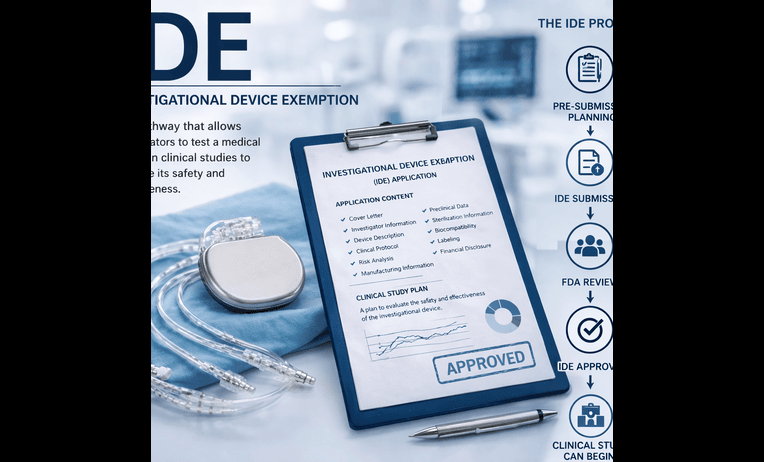
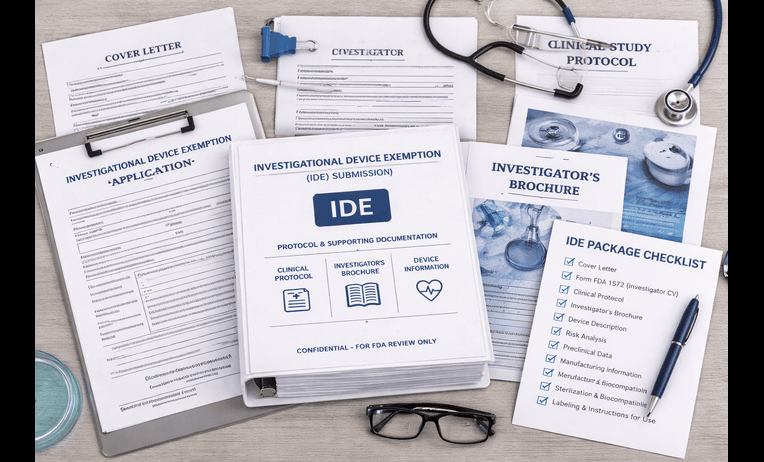
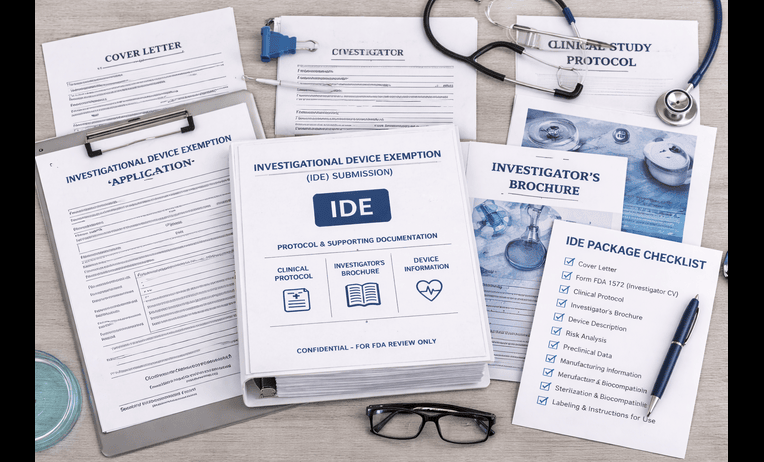
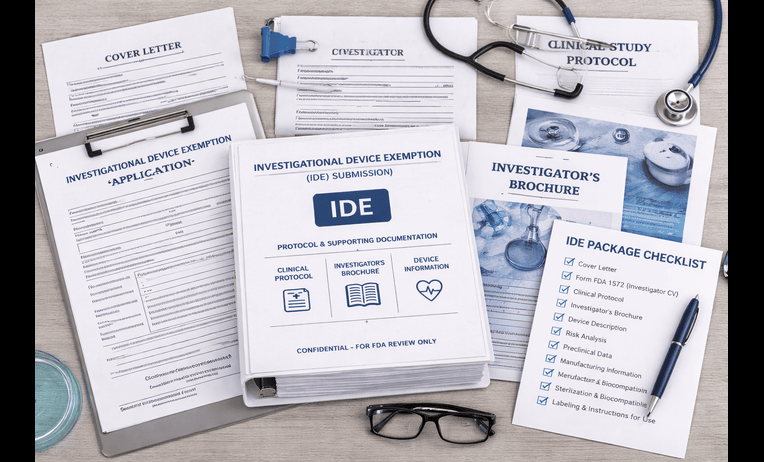
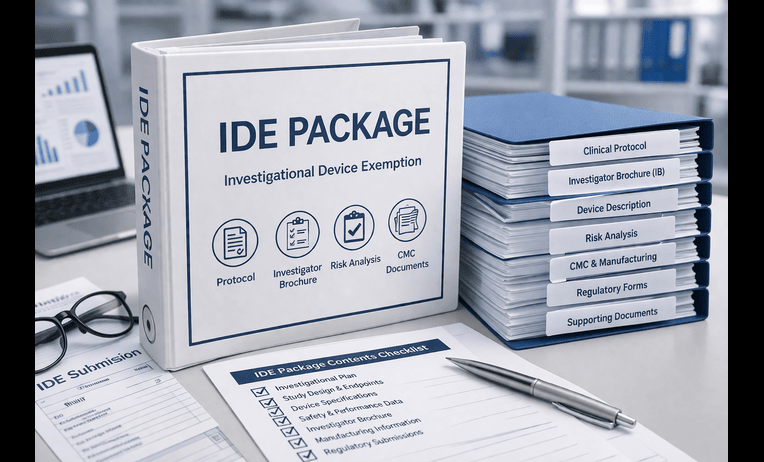
“IDE clinical trial protocol design and documentation

Risk-Based GMP Remediation

For medical device companies seeking to conduct clinical trials in the United States, an Investigational Device Exemption (IDE) application is essential. A well-prepared IDE submission

Read More »
Inspection-ready QMS for life sciences

Post-Audit QMS Remediation in Pharma

How to Develop an FDA-Inspection-Ready Quality Management System For biotech and pharmaceutical companies, regulatory inspections are not simply compliance events. They are a comprehensive evaluation

Read More »