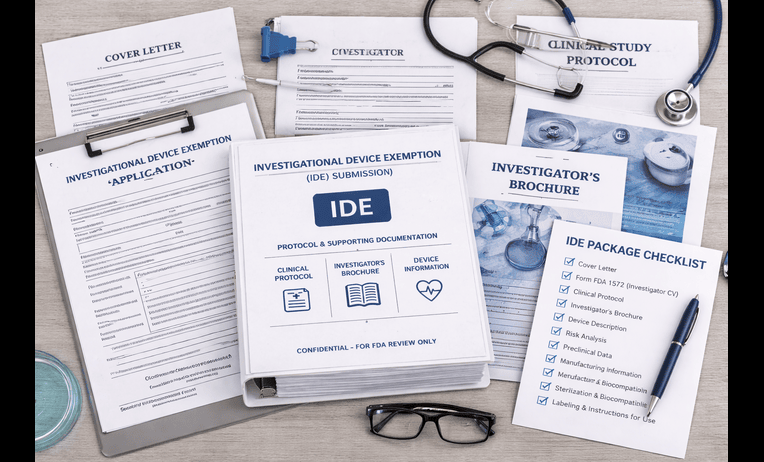

Navigating the highly regulated medical device industry can feel like walking a tightrope. On one side is the drive for rapid innovation and market entry; on the other lies a complex web of stringent global regulations. For any organization seeking regulatory approval, implementing a thorough qms gap assessment medical device strategy is the foundation of success.
Before a product ever reaches a patient, the systems that govern its design, manufacturing, and distribution must be ironclad. A single oversight in your Quality Management System (QMS) can lead to product recalls, delayed launches, or severe regulatory penalties.
In this comprehensive guide, we will explore exactly how to evaluate your systems, harmonize your operations with international standards, and maintain bulletproof compliance in an increasingly digital world.
The Basics: Defining the Gap Assessment
For those new to the regulatory landscape, you might be asking: what is a gap assessment? Simply put, it is a proactive, systematic evaluation comparing your current operational processes against the specific requirements of a desired standard or regulation. It highlights the “gaps” between what you are currently doing and what you should be doing to achieve compliance.
Understanding these gaps early is vital. The Cost of non-compliance in medical device industry can be devastating, ranging from FDA warning letters and steep financial fines to severe reputational damage. By proactively Identifying quality management system deficiencies, organizations can save valuable time and resources while protecting patient safety.
Key Regulatory Frameworks to Target
The medical device market is global, which means your QMS cannot be strictly tailored to just one region if you plan to expand. Harmonizing QMS with international regulatory standards allows companies to streamline processes, reduce audit fatigue, and scale efficiently.
Here are the primary frameworks that typically drive a gap assessment:
1. ISO 13485:2016
Preparing for ISO 13485:2016 certification requires a meticulous review of your organization’s ability to provide medical devices that consistently meet customer and applicable regulatory requirements. Assessors will look deeply into resource management, product realization, and measurement processes.
2. FDA 21 CFR Part 820
If you intend to market your device in the United States, an FDA 21 CFR Part 820 readiness review is non-negotiable. This regulation governs the Current Good Manufacturing Practice (cGMP) requirements for medical devices. Your gap assessment must ensure that your design controls, document controls, and production processes meet the FDA’s exacting expectations.
3. EU MDR 2017/745
For the European market, Transitioning from MDD to MDR compliance is not merely a paperwork update; it is a fundamental shift in how clinical evidence and life-cycle management are handled. Successfully navigating this transition requires following precise EU MDR 2017/745 gap analysis steps, with a heavy emphasis on clinical evaluation reports, technical documentation, and post-market safety.
The Digital Frontier: GxP Data, AI, and Cloud Compliance
Modern quality management is no longer managed via paper binders. Today’s QMS platforms are highly digital, which introduces a new layer of compliance complexity. Keeping up with recent gxp compliance news reveals a clear trend: regulatory bodies are heavily scrutinizing digital data integrity.
Securing Data in the Cloud
If your organization is moving its QMS online, ensuring gxp compliance in the cloud has become a top priority. When establishing a gxp compliant cloud infrastructure, you must safeguard all gxp data from unauthorized access, loss, or alteration. In Europe, for example, software and cloud platforms must adhere strictly to annex 11 gxp requirements, which dictate the rules for computerized systems in regulated environments.
The ALCOA+ Principles
As highlighted in recent gxp data integrity news, auditors are aggressively looking for proof that electronic records are trustworthy. This requires strict adherence to the principles outlined in the mhra gxp data integrity guidance 2018. Specifically, companies must integrate the mhra gxp data integrity guidance alcoa+ framework into their QMS. This ensures that all data remains Attributable, Legible, Contemporaneous, Original, and Accurate (plus Complete, Consistent, Enduring, and Available).
Artificial Intelligence in Quality Management
Looking toward the future, keeping an eye on gxp ai news shows that artificial intelligence is increasingly being used to predict quality trends, automate document reviews, and flag anomalies. However, if you use AI in your QMS, your gap assessment must evaluate how these algorithms are validated and controlled to ensure they do not introduce compliance risks.
How to Execute a Successful QMS Gap Assessment
If you are wondering How to perform a regulatory compliance assessment, it begins with a structured, objective approach. Treat this assessment exactly as a regulatory auditor would treat a formal inspection.
Here is a step-by-step roadmap:
Step 1: Quality Manual Review
The assessment should always begin from the top down. A comprehensive Medical device quality manual review process evaluates the overarching scope of your QMS. Does the manual accurately reflect your current operations? Does it explicitly reference the standards (like ISO 13485 or FDA Part 820) you claim to follow?
Step 2: Utilize Checklists
To ensure nothing is missed, utilize a recognized ISO 13485 compliance audit checklist (or an equivalent checklist for the FDA/MDR). This tool forces the assessment team to verify objective evidence for every single sub-clause of the standard. Never rely on an employee simply saying, “Yes, we do that.” You must verify the documented proof.
Step 3: Deep Dive into Critical Sub-Systems
While every clause is important, auditors consistently focus on a few critical, high-risk areas:
- Risk Management: Risk management integration in quality systems is no longer optional. According to ISO 14971, risk management must be a continuous process applied to every phase of the device lifecycle, not just a one-time checkbox during product development.
- CAPA Systems: Auditors will heavily scrutinize your Corrective and preventive action system effectiveness. If your CAPA process only treats symptoms rather than identifying true root causes, you have a critical gap.
- Post-Market Activities: Meeting the rigorous Post-market surveillance requirements for device manufacturers ensures you are actively gathering and analyzing real-world data about your device once it is in the hands of users. This feedback loop must connect directly back to your risk management and design processes.
Step 4: Finalizing the Deliverable
The outcome of this investigative process is a detailed gap assessment report. This report should not just be a list of failures; it should categorize gaps by risk level (Critical, Major, Minor) and provide actionable recommendations for closing them.
Internal Audit vs. External Assessment: Which is Better?
When debating between an Internal audit vs third-party gap analysis, consider the maturity of your QMS and the internal resources at your disposal.
- Internal Assessments: These are highly cost-effective and help build an internal culture of quality. However, internal employees often suffer from “institutional blindness”, they might overlook systemic flaws simply because “that’s the way we’ve always done it.”
- Third-Party Gap Analysis: Hiring external consultants brings fresh, objective eyes to your operations. Third-party experts stay continuously updated on shifting regulations and bring industry-wide benchmarking insights that internal teams lack. For a major event, such as an upcoming FDA inspection or an initial ISO certification, a third-party gap assessment is highly recommended.
Bridging the Gaps: Post-Assessment Strategies
Identifying gaps is only half the battle; the true value of an assessment lies in how you respond to the findings. Remediating non-conformities in medical manufacturing requires a structured action plan.
- Prioritize by Risk: Not all gaps are created equal. Address issues that directly impact product safety or patient health immediately.
- Assign Ownership: Every gap identified in your report must be assigned to a specific individual or team with a firm deadline for remediation.
- Implement Sustainable Fixes: Do not rely on quick patches. Update Standard Operating Procedures (SOPs), retrain staff, and validate any changes to software systems.
- Verify Effectiveness: Once a gap is closed, schedule a follow-up review 30 to 60 days later to ensure the new process has successfully taken root and is operating as intended.
Conclusion
Ultimately, a well-executed qms gap assessment medical device framework is not just a regulatory hurdle, it is a powerful business tool. It streamlines operations, minimizes legal risks, and builds a culture deeply rooted in continuous improvement and patient safety.
By staying informed on GxP data guidelines, leveraging robust audit checklists, and treating compliance as a proactive strategy rather than a reactive chore, your organization will be perfectly positioned to deliver safe, effective, and fully compliant medical devices to the global market.