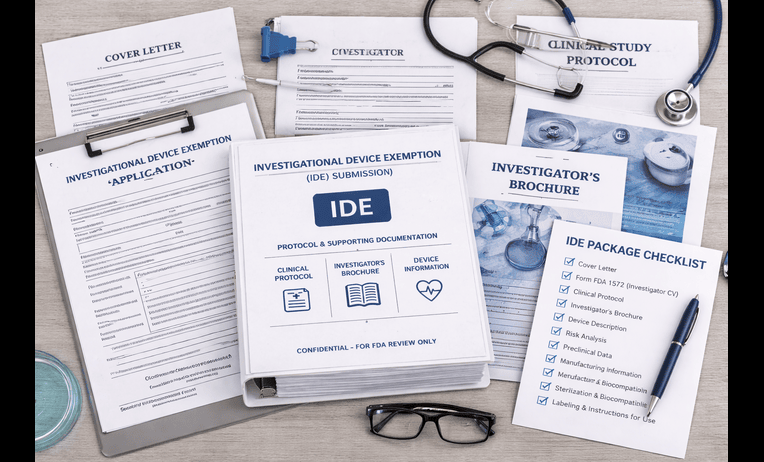

Bringing a medical device to market is a rigorous, complex, and highly regulated journey. Whether you are a startup launching your first software as a medical device (SaMD) or an established manufacturer expanding into new global markets, compliance is your ticket to entry. At the heart of this compliance lies your Quality Management System (QMS). However, maintaining a QMS is not a “set it and forget it” endeavor. Regulations evolve, technologies advance, and internal processes shift. This is exactly where a proactive qms gap assessment medical device becomes indispensable.
A thorough gap assessment acts as a diagnostic tool for your organizational compliance, highlighting vulnerabilities before they escalate into costly regulatory warnings, product recalls, or delayed launches. In this comprehensive guide, we will explore the nuances of conducting a QMS assessment, navigating the digital transition in compliance, and turning assessment findings into actionable strategies.
Demystifying the Process: What Exactly Are We Measuring?
Before diving into the technical frameworks, we must establish a clear foundation. So, what is a gap assessment? Simply put, it is a systematic evaluation of your current operations, procedures, and documentation against a specific set of regulatory requirements or industry standards. It identifies the “gap” between where your QMS is currently operating and where it needs to be to achieve full compliance.
The Contrast with Other Assessment Tools
In the MedTech industry, terminology can sometimes become tangled. It is crucial to understand the difference between internal audit and gap analysis.
- An internal audit, such as an FDA 21 CFR Part 820 internal audit, evaluates whether your staff is actually following the procedures you have already established. It measures adherence to your existing QMS.
- A gap analysis, conversely, evaluates the QMS itself against external regulations. It asks: Are our established procedures actually adequate to meet current regulatory standards?
Similarly, organizations often weigh gap analysis vs mock audit benefits. While a mock audit is a high-pressure, simulated regulatory inspection designed to test how your team handles an auditor’s scrutiny, a gap analysis is a collaborative, consultative process. It gives you the breathing room to build a comprehensive regulatory compliance roadmap for manufacturers without the immediate stress of an inspection environment.
Navigating the Global Regulatory Landscape
A robust QMS cannot exist in a vacuum; it must be mapped directly to the markets you intend to serve. For most medical device manufacturers, this requires a delicate balancing act between multiple international standards.
ISO 13485 and FDA Requirements
At the core of global compliance is ISO 13485. During your assessment, achieving standard operating procedure alignment with ISO 13485 is usually the primary objective. Many organizations utilize a detailed ISO 13485 compliance checklist during their gap analysis to ensure every clause from document control to resource management—is fully addressed. Simultaneously, manufacturers selling in the United States must ensure alignment with the FDA’s Quality System Regulation.
The European Shift
For companies operating in or expanding to Europe, conducting an EU MDR transition readiness evaluation has become a critical priority. The Medical Device Regulation (MDR) introduced stringent new requirements compared to the old MDD directives. A specialized gap assessment is often the only way to successfully navigate this complex transition, ensuring that clinical evaluation reports, labeling, and traceability meet the elevated European standards.
The Digital Frontier: GxP Compliance and Data Integrity
The modern medical device landscape is increasingly digital. We are moving away from paper-based QMS processes to sophisticated, cloud-based software solutions. While these tools increase efficiency, they also introduce new regulatory challenges.
If you regularly follow gxp compliance news, you know that regulatory bodies are placing an unprecedented focus on data security and validation. Transitioning to modern software means you must ensure gxp compliance in the cloud. Choosing a generic cloud provider is no longer sufficient; medical device manufacturers must partner with a gxp compliant cloud provider that understands the nuances of regulatory data hosting.
The Importance of Data Integrity
When dealing with gxp data (Good Manufacturing, Clinical, or Laboratory Practices), data integrity is non-negotiable. Recent gxp data integrity news highlights increased regulatory citations for companies failing to secure their electronic records. Your QMS gap assessment must thoroughly evaluate how your software complies with frameworks like annex 11 gxp, which outlines the European requirements for computerized systems.
To assess your data integrity posture, auditors heavily rely on the mhra gxp data integrity guidance 2018. At the core of this guidance is the mhra gxp data integrity guidance alcoa+ framework. During your assessment, you must prove that your data is:
- Attributable: Who created or modified the data?
- Legible: Can the data be read and understood?
- Contemporaneous: Was the data recorded at the time the action took place?
- Original: Is this the first capture of the data?
- Accurate: Is the data error-free and truthful?
- + (Plus): Is the data Complete, Consistent, Enduring, and Available throughout its required retention period?
Furthermore, as artificial intelligence begins to integrate into quality management and manufacturing processes, keeping an eye on gxp ai news is vital. A modern gap assessment must evaluate how AI algorithms make decisions, ensuring they do not compromise the ALCOA+ principles or introduce unvalidated risks into the QMS.
Core Focus Areas During Your Assessment
When your team (or a third-party consultant) begins the deep dive into your QMS, the goal is identifying regulatory compliance shortcomings before an auditor does. A comprehensive qms gap assessment medical device should pay special attention to the following high-risk areas:
1. Design and Development
One of the most common areas for regulatory citations is design controls. Your assessment must prioritize remediating non-conformances in design controls. Are user needs accurately translated into design inputs? Is your Design History File (DHF) continuously updated? Finding gaps here early prevents catastrophic delays during product submission.
2. Risk Management Integration
Risk management cannot be a standalone binder on a shelf; it must be woven into the fabric of your QMS. Assessors will look for a robust risk management framework for medical manufacturers that aligns with ISO 14971. This means evaluating how risk is calculated, mitigated, and monitored throughout the entire lifecycle of the device.
3. Technical Documentation
Whether you call it a Device Master Record (DMR) for the FDA or a Technical File for the EU, the documentation proving your device is safe and effective must be flawless. A gap analysis rigorously reviews your technical file documentation requirements, ensuring that all testing data, clinical evaluations, and validation protocols are current and compliant.
4. Post-Market Activities
Compliance does not end once the device is sold. In fact, regulatory bodies are increasing their scrutiny of how companies handle real-world device performance. Your assessment should identify opportunities for post-market surveillance process improvement, ensuring that complaint handling, adverse event reporting, and CAPA (Corrective and Preventive Action) systems are responsive and thoroughly documented.
From Assessment to Action: Building Your Remediation Strategy
A gap assessment is only as valuable as the actions taken afterward. Once the evaluation is complete, you will receive a comprehensive gap assessment report. This document will list every non-conformance, categorized by severity and risk level.
However, identifying the gaps is only phase one. Phase two requires developing a quality management strategy to close them.
Creating the Remediation Plan
Using the findings from your report, your organization must outline clear quality system remediation plan steps. A successful remediation plan should include:
- Prioritization: Address high-risk, critical compliance gaps first (e.g., patient safety issues or blatant data integrity failures).
- Resource Allocation: Assign specific tasks to qualified personnel. Who will rewrite the SOPs? Who will validate the new cloud software?
- Timeline Creation: Establish realistic deadlines for updating documentation, conducting new training, or implementing new software tools.
- Review and Approval: Ensure all remediated processes go through the proper document control and approval channels.
The ultimate objective of this structured remediation is preparing for notified body certification or an FDA inspection. By systematically closing the gaps identified in your report, you transform your QMS from a source of regulatory anxiety into a strategic business asset that drives continuous improvement.
Conclusion
In the fast-paced, high-stakes world of medical technology, ignorance is never bliss. Regulatory standards like ISO 13485 and the EU MDR are continually tightening, and the integration of digital systems demands strict adherence to GxP and data integrity guidelines.
Conducting a routine, thorough QMS gap assessment empowers your organization to take control of its compliance narrative. By proactively identifying shortcomings, optimizing post-market surveillance, and aligning with modern data frameworks, you do more than just pass an audit. You build a resilient, efficient organization capable of safely delivering innovative life-saving devices to the patients who need them most. Invest the time in understanding your gaps today, so you can confidently scale your medical device innovations tomorrow.