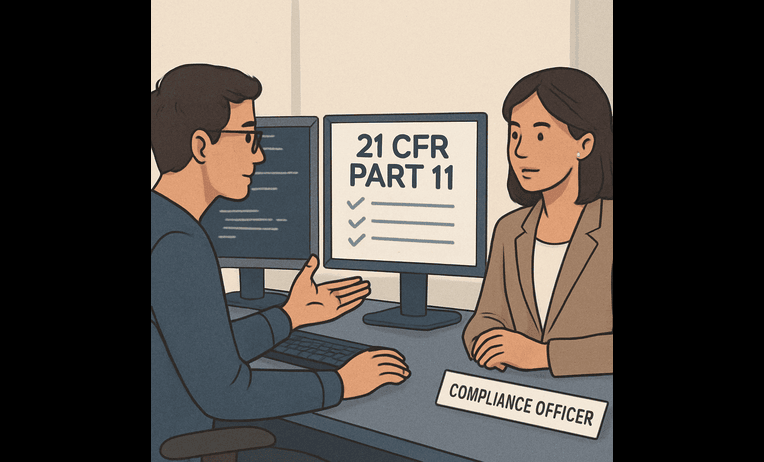
BioBoston Consulting

May 19, 2026

Effective QMS gap assessment for medical device compliance showing quality management system review, FDA and ISO 13485 compliance checks, risk assessment, audit readiness, CAPA, and validation processes.

Effective QMS Gap Assessment for Medical Device Compliance

An effective QMS gap assessment for medical device compliance helps organizations identify deficiencies in their quality management system and align with ISO 13485 and FDA 21 CFR Part 820 requirements. It strengthens regulatory readiness, improves audit performance, and supports continuous quality improvement in medical device operations.


Read More »
QMS gap assessment medical devices guide showing quality management system evaluation, FDA compliance review, ISO 13485 alignment, risk assessment, audit readiness, and regulatory documentation analysis.

QMS Gap Assessment Medical Devices Guide: Achieve Compliance

This guide to QMS gap assessment for medical devices explains how organizations can achieve regulatory compliance by identifying quality system gaps and aligning with ISO 13485 and FDA 21 CFR Part 820 requirements. Learn how structured assessments improve audit readiness, reduce risk, and strengthen overall quality management performance.

Read More »
QMS gap assessment for medical device compliance showing quality management system evaluation, regulatory audit readiness, ISO 13485 alignment, FDA compliance checks, risk management, and documentation review processes.

QMS Gap Assessment: Crucial for Medical Device Compliance

A QMS gap assessment is essential for ensuring medical device compliance with ISO 13485 and FDA 21 CFR Part 820 requirements. It helps organizations identify quality system gaps, strengthen regulatory readiness, and improve audit performance through structured evaluation and continuous improvement.

Read More »
Gap assessment for medical devices showing quality management system review, FDA compliance evaluation, ISO 13485 alignment, risk assessment, audit readiness, and regulatory documentation analysis.

Gap Assessment for Medical Devices

A gap assessment for medical devices helps organizations identify weaknesses in quality systems, align operations with ISO 13485 and FDA requirements, and improve overall regulatory compliance. Learn how structured gap analysis supports risk reduction, audit readiness, and continuous quality improvement in the medical device industry.

Read More »
QMS gap assessment for medical devices essential guide showing quality management system evaluation, ISO 13485 compliance, FDA readiness, risk management, audits, and validation processes.

QMS Gap Assessment for Medical Devices: Essential Guide

This essential guide to QMS gap assessment for medical devices explains how to identify compliance gaps, improve quality management systems, and prepare for ISO 13485 and FDA regulatory requirements. Learn how proactive assessments strengthen operational efficiency, reduce compliance risks, and support continuous improvement in medical device manufacturing.

Read More »
Defining the baseline for a gap assessment with quality management systems, compliance evaluation, process analysis, risk assessment, and regulatory readiness in medical device and life sciences industries.

Defining the Baseline: What is a Gap Assessment?

A gap assessment is a structured evaluation that compares existing processes and quality systems against regulatory or industry requirements. In the medical device industry, it helps organizations identify compliance gaps, strengthen quality management systems, and prepare for standards such as ISO 13485 and FDA regulations.

Read More »
QMS gap assessment for medical device compliance featuring quality management system evaluations, FDA and ISO 13485 compliance reviews, risk management, audit readiness, and validation processes.

QMS Gap Assessment for Medical Device Compliance

A QMS gap assessment for medical device compliance helps organizations identify quality system deficiencies, align processes with ISO 13485, FDA 21 CFR Part 820, and EU MDR requirements, and strengthen regulatory readiness. Discover how proactive assessments improve compliance, reduce operational risk, and support continuous quality improvement.

Read More »
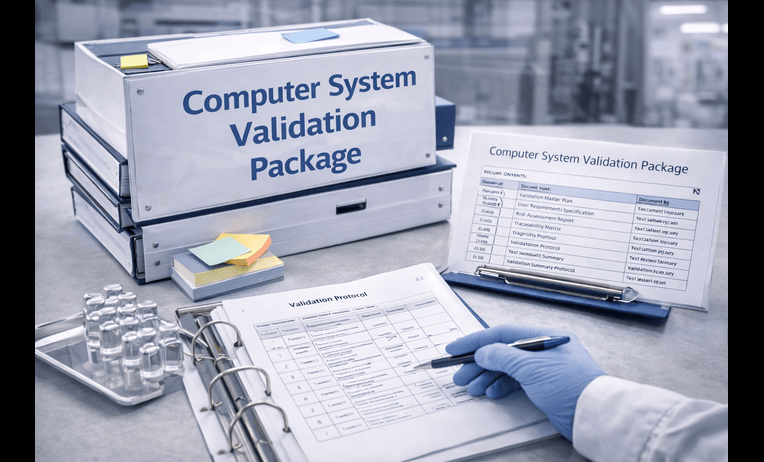
Gap assessment for medical device compliance showing regulatory reviews, quality management systems, ISO 13485 alignment, FDA compliance checks, and risk-based quality assurance processes.

Gap Assessment for Medical Device Compliance

A medical device compliance gap assessment helps organizations identify regulatory weaknesses, improve quality systems, and prepare for ISO 13485, FDA, and EU MDR requirements. Learn how structured assessments strengthen compliance, reduce audit risks, and support safer, more efficient medical device operations.
Read More »
QMS gap assessment for medical devices featuring quality management system reviews, regulatory compliance checks, risk management, audit preparation, and ISO 13485 and FDA compliance processes.

QMS Gap Assessment for Medical Devices

Learn how to conduct an effective QMS gap assessment for medical devices to identify compliance gaps, strengthen quality systems, and prepare for ISO 13485, FDA 21 CFR Part 820, and EU MDR 2017/745 requirements. Discover best practices for risk management, CAPA effectiveness, data integrity, and regulatory readiness in modern medical device manufacturing.

Read More »
Effective QMS gap assessment for medical devices showing quality management systems, regulatory compliance analysis, risk assessment, audit readiness, and FDA and ISO 13485 validation processes.

Effective QMS Gap Assessment for Medical Devices

Learn how to perform an effective QMS gap assessment for medical devices and strengthen compliance with ISO 13485:2016, FDA 21 CFR Part 820, and EU MDR 2017/745. This guide explores risk management, CAPA effectiveness, post-market surveillance, GxP data integrity, ALCOA+ principles, cloud compliance, AI in quality systems, and best practices for identifying and remediating quality management system gaps in regulated medical device environments.

Read More »
New software validation rules ensuring SaMD safety through risk-based testing, cybersecurity controls, software lifecycle management, and FDA-compliant digital healthcare systems.

New Software Validation Rules: Ensuring SaMD Safety

Explore the FDA’s new software validation requirements and learn how modern Computer Software Assurance (CSA) methods are improving the safety of Software as a Medical Device (SaMD). This guide explains the shift from traditional Computer System Validation (CSV) to risk-based testing, cybersecurity integration, audit trails, 21 CFR Part 11 compliance, agile development, and post-market surveillance. Discover how the FDA’s streamlined regulatory framework helps deliver safer, faster, and more reliable medical apps without compromising patient protection.

Read More »
Guide comparing CSA vs CSV under new software validation requirements, highlighting risk-based Computer Software Assurance, traditional computer system validation, compliance testing, and quality management systems.

New Software Validation Requirements: A Guide to CSA vs CSV

Learn how the FDA’s new software validation requirements are transforming life sciences, medical devices, and digital health. This guide explains the shift from traditional Computer System Validation (CSV) to Computer Software Assurance (CSA), including risk-based testing, Agile validation, automated testing for GxP environments, 21 CFR Part 11 compliance, audit trails, SaMD regulations, and post-market surveillance strategies. Discover how modern FDA guidance helps organizations reduce documentation burdens while improving software quality, patient safety, and compliance efficiency.

Read More »
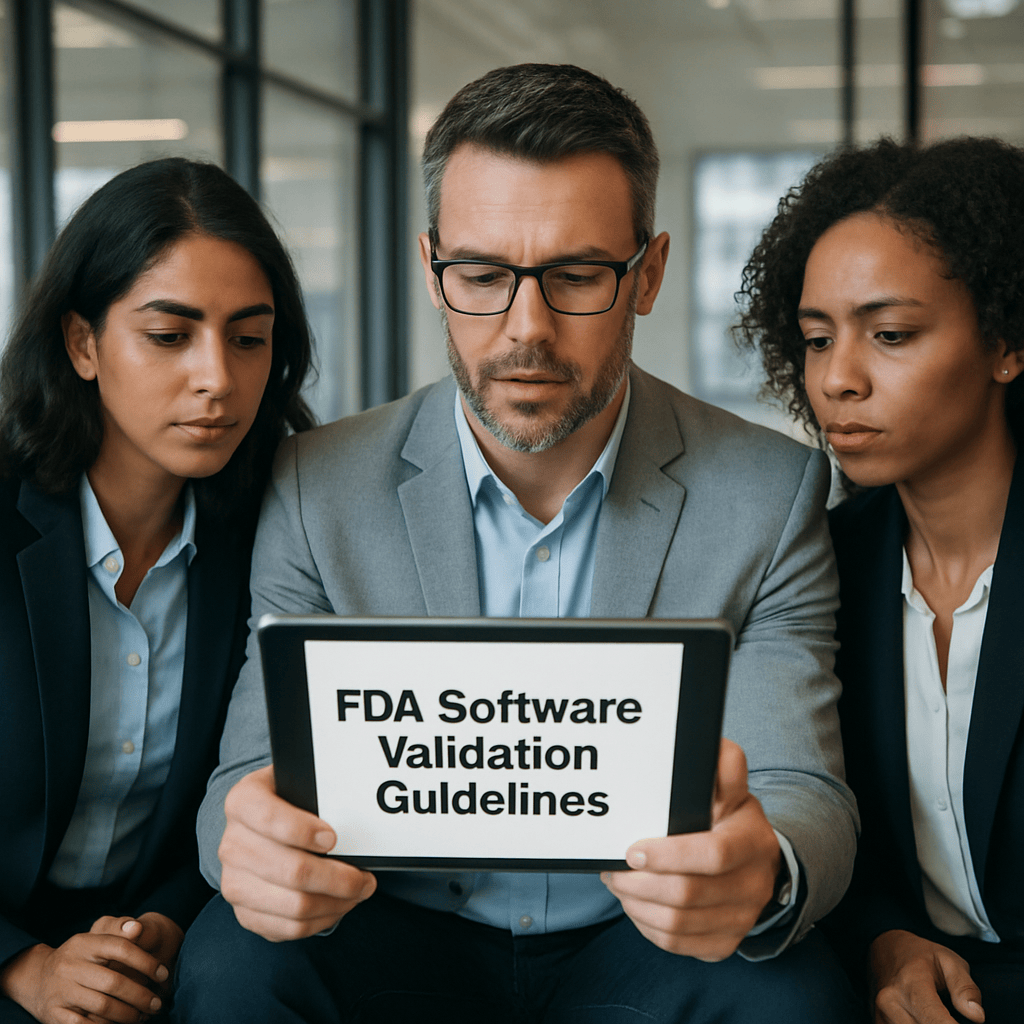
Professionals navigating FDA software validation requirements using risk-based Computer Software Assurance (CSA), compliance workflows, software testing, and quality management systems in regulated healthcare environments.

Navigate FDA’s New Software Validation Requirements

Navigate the FDA’s new software validation requirements with confidence. Learn how the shift from traditional Computer System Validation (CSV) to Computer Software Assurance (CSA) is transforming software compliance in life sciences, medical devices, and pharmaceuticals. Discover risk-based testing strategies, 21 CFR Part 11 compliance, audit trails, IEC 62304 lifecycle standards, cloud validation, agile development, and best practices for modern FDA software quality audits.

Read More »
Defining baseline systems and validation processes with software compliance workflows, risk assessment, quality management systems, and regulated digital validation in healthcare industries.

Defining the Baseline: Systems and Validation

Explore the FDA’s new software validation requirements and learn how the shift from traditional Computerized System Validation (CSV) to Computer Software Assurance (CSA) is transforming quality systems in life sciences and digital health. Discover risk-based validation strategies, agile testing methods, 21 CFR Part 11 compliance, GAMP 5 alignment, automated validation tools, SaMD guidance, post-market surveillance, and best practices for modern FDA software quality assurance.

Read More »
Computer Software Assurance guidance for quality systems showing risk-based validation, software testing, electronic quality management systems, compliance workflows, and FDA-regulated digital processes.

Computer Software Assurance guidance for quality system

Learn how modern Computer Software Assurance (CSA) guidance is transforming FDA software validation for life sciences and digital healthcare. Discover the shift from traditional Computerized System Validation (CSV) to risk-based testing, continuous monitoring, agile validation, cybersecurity protection, 21 CFR Part 11 compliance, audit trails, and Software as a Medical Device (SaMD) oversight. Understand how these evolving FDA validation requirements improve patient safety while accelerating innovation in connected medical technology.

Read More »
New software validation requirements supporting safer medical apps through risk-based testing, cybersecurity controls, quality assurance, and FDA-compliant digital healthcare systems.

New Software Validation Requirements: Safer Medical Apps

Discover how the FDA’s new software validation requirements are making medical apps safer and more reliable. Learn how Computer Software Assurance (CSA) is replacing traditional Computerized System Validation (CSV) with risk-based testing, critical thinking, unscripted validation methods, secure audit trails, and continuous post-market surveillance. Explore how Software as a Medical Device (SaMD), 21 CFR Part 11 compliance, GAMP 5, and modern pharma validation software are shaping the future of trusted digital healthcare.

Read More »
FDA software validation requirements explained through digital compliance workflows, Computer Software Assurance (CSA), risk-based testing, quality management systems, and regulated healthcare software validation processes.

FDA’s New Software Validation Requirements Explained

The FDA’s new software validation requirements are reshaping how healthcare technology is tested and approved. By shifting from traditional Computer System Validation (CSV) to Computer Software Assurance (CSA), regulators now prioritize risk-based testing, real-world software reliability, automated validation, audit trails, and patient safety. Learn how the FDA’s modernized approach impacts medical apps, Software as a Medical Device (SaMD), digital health compliance, and the future of safe healthcare technology.

Read More »
FDA software validation requirements update showing digital healthcare compliance, software testing, cybersecurity validation, and quality assurance processes for regulated medical device software systems.

FDA’s New Software Validation Requirements: Key Changes

The FDA’s new software validation requirements are transforming how medical and healthcare software is tested. By replacing outdated Computer System Validation (CSV) methods with Computer Software Assurance (CSA), the agency is prioritizing risk-based testing, automated validation, and real-world patient safety. Learn how the shift impacts Software as a Medical Device (SaMD), agile development, audit trails, quality management systems, and modern healthcare technology compliance.

Read More »