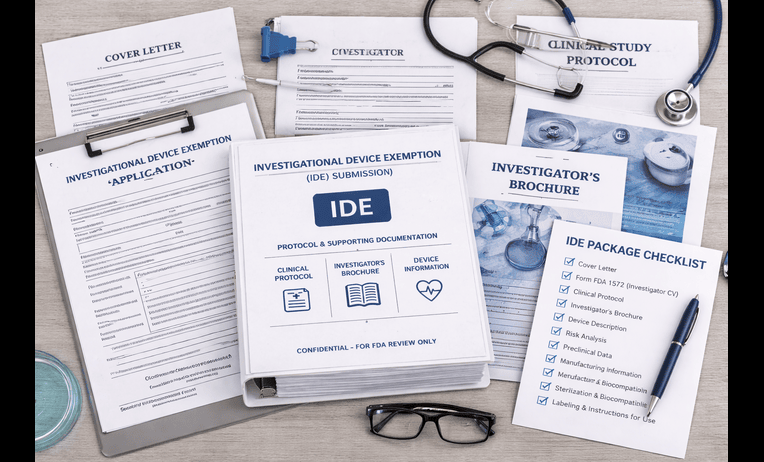

Gap Assessment for Medical Device Compliance
Navigating the complex, highly regulated landscape of medical device manufacturing can often feel like walking a tightrope. One misstep in quality assurance can lead to delayed product launches, costly recalls, or serious patient safety risks. To prevent these outcomes, proactive companies rely on comprehensive evaluations of their Quality Management Systems (QMS).
But what is a gap assessment, exactly? In simple terms, it is a strategic evaluation that compares your current operational processes against required industry standards to identify missing elements or “gaps.” Conducting a thorough qms gap assessment medical device ensures that your organization remains compliant, competitive, and ready for regulatory scrutiny.
In this comprehensive guide, we will explore the nuances of a QMS gap assessment, how to align your processes with evolving regulations, and how modern data integrity standards impact medical device compliance.
The Foundation of a Robust QMS Gap Assessment
When evaluating a QMS, organizations often wonder about the difference between an internal audit vs independent gap analysis. While internal audits are periodic checks to ensure you are following your own established procedures, a gap analysis takes a broader view. It asks: Are our established procedures actually sufficient to meet current and upcoming regulatory standards?
Understanding this distinction is crucial. Many organizations discover the distinct benefits of third-party quality system evaluations. An external perspective strips away internal biases, offering a crystal-clear picture of where your system excels and where it falls short.
Knowing the Core Regulations
A major driver for conducting a qms gap assessment medical device is the need to harmonize operations across different global markets. For instance, manufacturers must deeply understand FDA 21 CFR Part 820 vs ISO 13485 requirements. While FDA Part 820 dictates the Current Good Manufacturing Practice (cGMP) regulations in the United States, ISO 13485 is the internationally recognized standard for medical device QMS.
Though they share many similarities, key differences exist in terminology, management responsibility, and reporting mechanisms. A gap assessment maps your current system against both to ensure dual compliance. Furthermore, if you are selling in Europe, an EU MDR transition impact analysis is an essential component of your assessment, helping you pivot smoothly from the old MDD directives to the stringent new Medical Device Regulation.
Integrating Modern Data Integrity and GxP Compliance
As medical devices become increasingly digitized and connected, traditional QMS evaluations must evolve to include software, cloud infrastructure, and data integrity. Good “x” Practice (GxP) regulations dictate how electronic records and data are managed.
The Shift to the Cloud
Today, managing gxp data effectively often requires moving away from on-premise servers. However, ensuring gxp compliance in the cloud is not as simple as signing up for a standard enterprise storage solution. You must actively validate a gxp compliant cloud environment to ensure that electronic records are secure, traceable, and unalterable. European guidelines, such as annex 11 gxp, provide strict requirements for computerized systems that medical device software developers and manufacturers must adhere to.
Mastering Data Integrity Standards
To stay ahead of compliance curves, regulatory affairs professionals must constantly monitor gxp compliance news and gxp data integrity news. One of the most critical frameworks for managing medical device data comes from the UK’s regulatory agency. The mhra gxp data integrity guidance 2018 laid the groundwork for modern data handling.
Central to this is the mhra gxp data integrity guidance alcoa+ framework. ALCOA+ demands that all quality data be:
- Attributable
- Legible
- Contemporaneous
- Original
- Accurate
- + Complete, Consistent, Enduring, and Available.
As artificial intelligence begins to play a larger role in predictive maintenance, QMS software, and even diagnostic devices, keeping an eye on gxp ai news will be essential for future-proofing your gap assessments. AI introduces new challenges for validation and data tracing that a thorough gap assessment must account for.
Key Focus Areas During Your Gap Assessment
To execute a successful evaluation, you need a structured approach. Using a detailed ISO 13485 compliance readiness checklist helps auditors systematically review every department. Here are the most critical areas to evaluate:
1. Risk Management and Design Controls
Regulators expect risk management to be woven into the fabric of your entire product lifecycle. Your assessment should critically evaluate your risk management framework integration—specifically how well ISO 14971 principles are tied to your daily operations.
Equally important are design control process validation requirements. You must verify that user needs are properly translated into design inputs, and that the final medical device is meticulously validated to prove it functions exactly as intended under real-world conditions.
2. Post-Market Surveillance (PMS)
One of the most frequent targets for regulatory citations is inadequate post-market monitoring. Your gap analysis must aggressively hunt for post-market surveillance documentation gaps. Are customer complaints being logged, investigated, and escalated to CAPAs (Corrective and Preventive Actions) appropriately? Are clinical evaluations continuously updated with real-world feedback?
How to Identify and Remediate Shortfalls
Once the assessment is underway, the focus shifts to diagnostics. Knowing how to identify regulatory compliance shortfalls requires a forensic approach to your documentation.
Mapping and Alignment
The most effective strategy is mapping standard operating procedures to regulations. Create a traceability matrix that links every clause of ISO 13485, FDA 21 CFR 820, and EU MDR to a specific SOP within your organization. If a regulatory clause has no corresponding SOP, or if the SOP lacks sufficient detail, you have identified a gap.
The Gap Assessment Report
All findings culminate in the gap assessment report. This is not merely a list of failures; it is a strategic business document. A high-quality report categorizes gaps by risk level (Critical, Major, Minor), detailing exactly where the QMS deviates from regulatory expectations.
Actionable Remediation
With the report in hand, the next phase is remediating quality system non-conformances. This involves root cause analysis to understand why the gap exists, followed by structural changes to your QMS. This process should be organized by developing a QMS remediation roadmap a chronological, resource-allocated project plan that outlines exactly who will fix what, and by when.
Navigating Audits and Avoiding Pitfalls
Even well-intentioned manufacturers can stumble during the remediation phase. Being aware of the common pitfalls in medical device quality audits can save your organization immense time and frustration.
Common Pitfalls Include:
- Treating symptoms, not root causes: Putting a “band-aid” on a missing document rather than fixing the broken process that caused the omission.
- Siloed Quality Systems: Allowing the quality department to operate independently from engineering or manufacturing.
- Ignoring software validation: Failing to validate off-the-shelf QMS software, which violates GxP cloud requirements.
Preparing for the Notified Body
If your ultimate goal is achieving or maintaining ISO certification or CE marking, you must master the steps to prepare for a notified body audit.
- Execute your QMS remediation roadmap fully.
- Conduct a final internal audit to verify that the remediations were effective.
- Organize a “front room/back room” audit strategy to streamline document retrieval during the actual audit.
- Coach your staff on how to answer auditor questions directly and confidently.
The Business Value: Measuring ROI
A QMS gap assessment requires an investment of time, money, and personnel. C-suite executives will naturally want to know the financial justification. Measuring return on investment for quality improvements is highly achievable if you track the right metrics.
A robust, fully remediated QMS provides ROI through:
- Faster Time-to-Market: Seamless regulatory submissions face fewer pushbacks, getting your medical device to patients faster.
- Reduced Cost of Poor Quality (COPQ): By catching design and manufacturing flaws early, you drastically reduce scrap, rework, and warranty claims.
- Avoidance of Recalls and Fines: The cost of a single FDA warning letter or product recall dwarfs the cost of an independent gap assessment.
- Increased Operational Efficiency: Streamlined SOPs reduce administrative overhead and accelerate employee onboarding.
By tracking these KPIs before and after your remediation roadmap is implemented, you can clearly demonstrate how compliance translates directly into profitability.
Conclusion
In the fast-evolving MedTech industry, compliance is not a one-time achievement; it is a continuous state of operational excellence. Understanding and executing a comprehensive qms gap assessment medical device ensures that your organization is not simply reacting to regulations, but proactively building a culture of quality.
From analyzing traditional ISO and FDA standards to integrating complex GxP cloud requirements and data integrity guidelines, a thorough gap analysis shines a light on your vulnerabilities before external regulators do. By leveraging detailed reports, mapping procedures meticulously, and following a structured remediation roadmap, medical device manufacturers can protect their bottom line, pass audits with confidence, and most importantly ensure the safety and efficacy of the life-saving technologies they bring to the market.