
Responding to an FDA Warning Letter: 5 Critical Questions
Responding to an FDA Warning Letter? Use five practical questions to define response deadlines, root causes, CAPA evidence and effectiveness verification.

Responding to an FDA Warning Letter? Use five practical questions to define response deadlines, root causes, CAPA evidence and effectiveness verification.
Prepare for FDA pre-approval inspection with a 10-step PAI readiness plan covering CMC conformance, data integrity, mock inspections and Form 483 response.
Preparing an Investigational New Drug application is one of the most important transitions in drug development. It is the point where years of scientific work

QMS Training: 9 Essential Practices for Building Inspection-Ready Quality Teams In regulated industries such as pharmaceuticals, biotechnology, and medical devices, compliance is no longer driven

Build quality management system training with nine practical strategies for role-based learning, procedure changes, competence and verified quality outcomes.

Strengthen FDA inspection readiness with 12 practical strategies covering quality systems, evidence access, risk reviews, staff readiness and CAPA verification.

Evaluate FDA inspection readiness consulting with 11 steps covering scope, auditor expertise, evidence review, remediation and engagement deliverables.
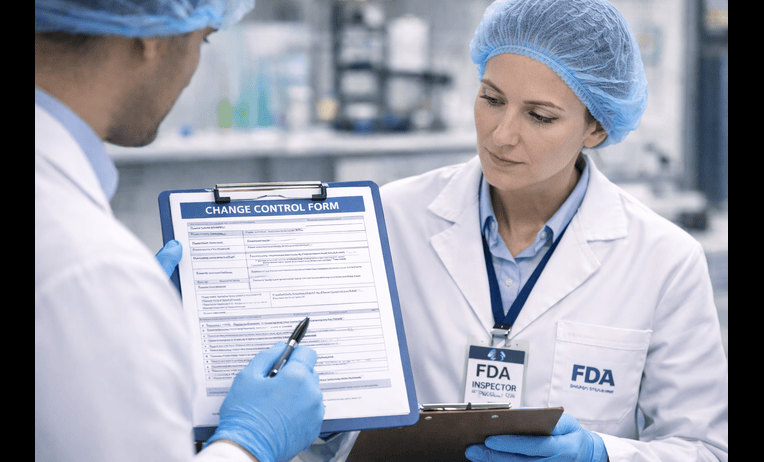
Review 13 FDA inspection mistakes that may contribute to Form 483 observations, with evidence-based checks for documentation, CAPA, training and oversight.

Compare GMP audit services using 11 practical criteria for auditor competence, technical scope, evidence sampling, supplier oversight and deliverables.

Build a vendor audit management program in pharma with 10 risk-based controls for qualification, oversight, audit evidence, changes and CAPA follow-up.

Strengthen audit compliance in pharma with 12 governance controls covering risk-based coverage, suppliers, independent review, CAPA and management decisions.

Use a pharmaceutical GMP audit checklist with 12 evidence checks covering quality systems, laboratories, manufacturing, supplier controls and CAPA.

Strengthen pharmaceutical audit readiness with 12 checks covering supplier risk, evidence controls, investigations, audit governance and follow-up.

Discover 12 strategies for supplier risk management in pharma through supplier audits, vendor audits, GMP compliance, and regulatory excellence.
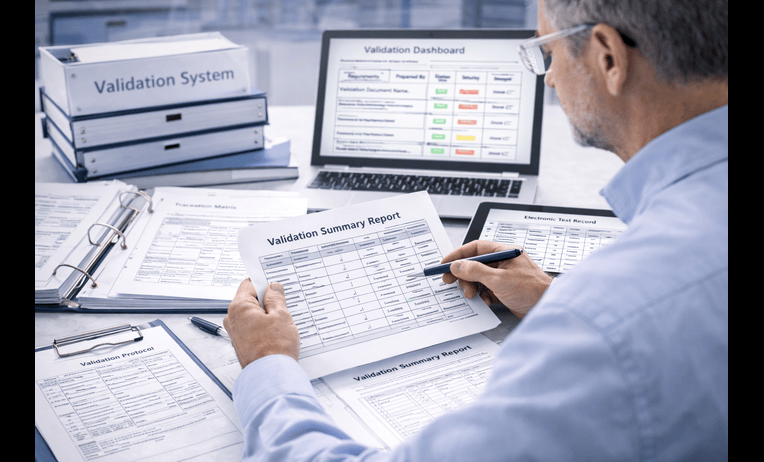
Scope cloud GxP validation for SaaS platforms with shared responsibility, supplier evidence, tenant configuration, update governance and record access.

Choose CSV consulting for biotech startups by matching scope, risk, existing supplier evidence, delivery responsibilities and development milestones.

Use the official CMS CLIA lookup to find a laboratory by CLIA number, match its testing address, interpret certificate type and resolve discrepancies.

CLIA certificate, certification requirements for facilities testing human samples. Guide on CLIA certification, how to obtain your certificate.
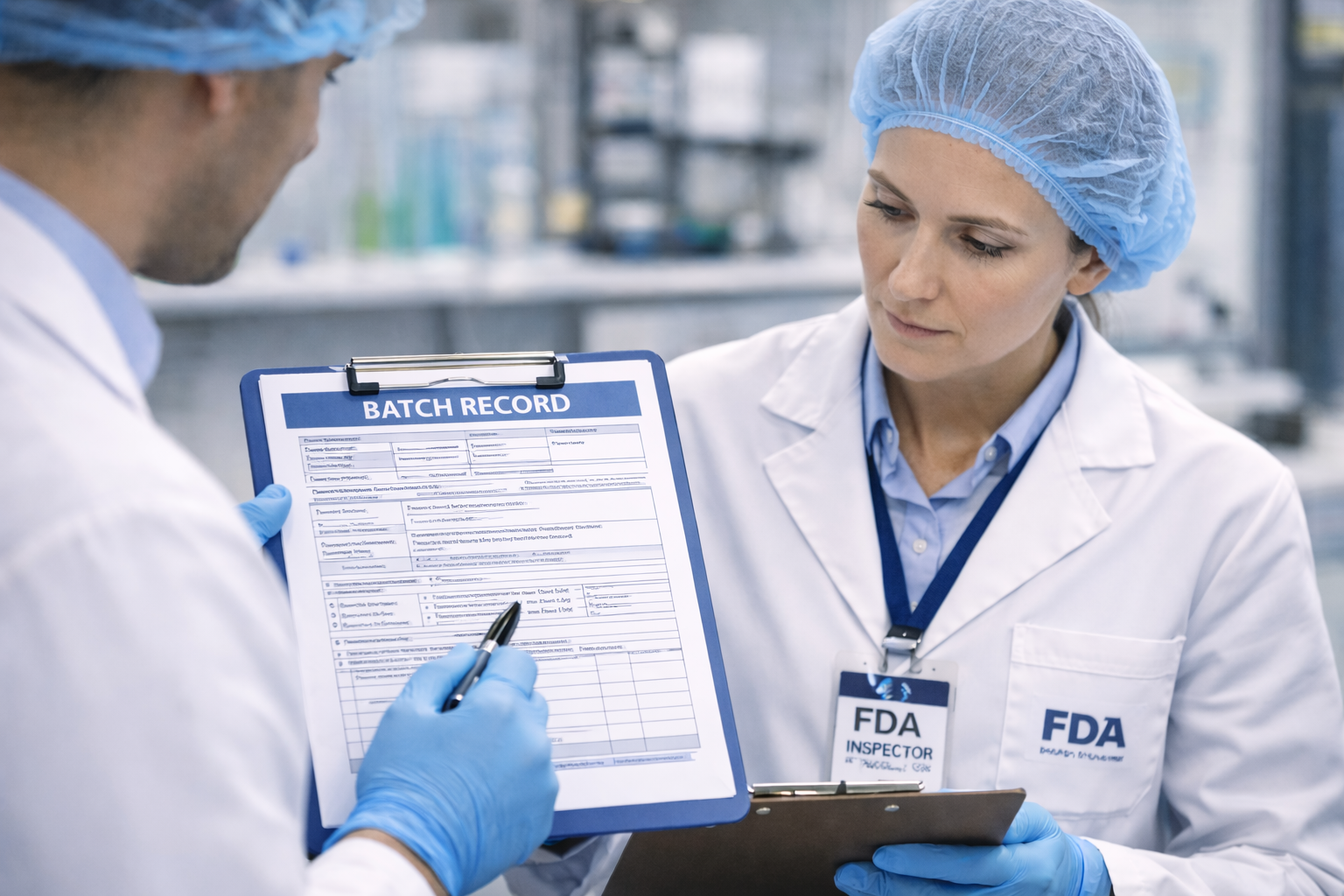
Understand FDA pre-approval inspections for drug applications, how site and filing evidence are evaluated, and why readiness and unresolved gaps matter.
Choose FDA software assurance evidence by intended use, function risk, supplier documentation and objective test results under the applicable framework.
Understand computer software assurance testing, risk-based assurance methods, objective evidence and the scope of FDA’s February 2026 device guidance.
Review FDA software validation requirements, the February 2026 CSA guidance, Part 11 scope and the different frameworks for drug, device and clinical systems.
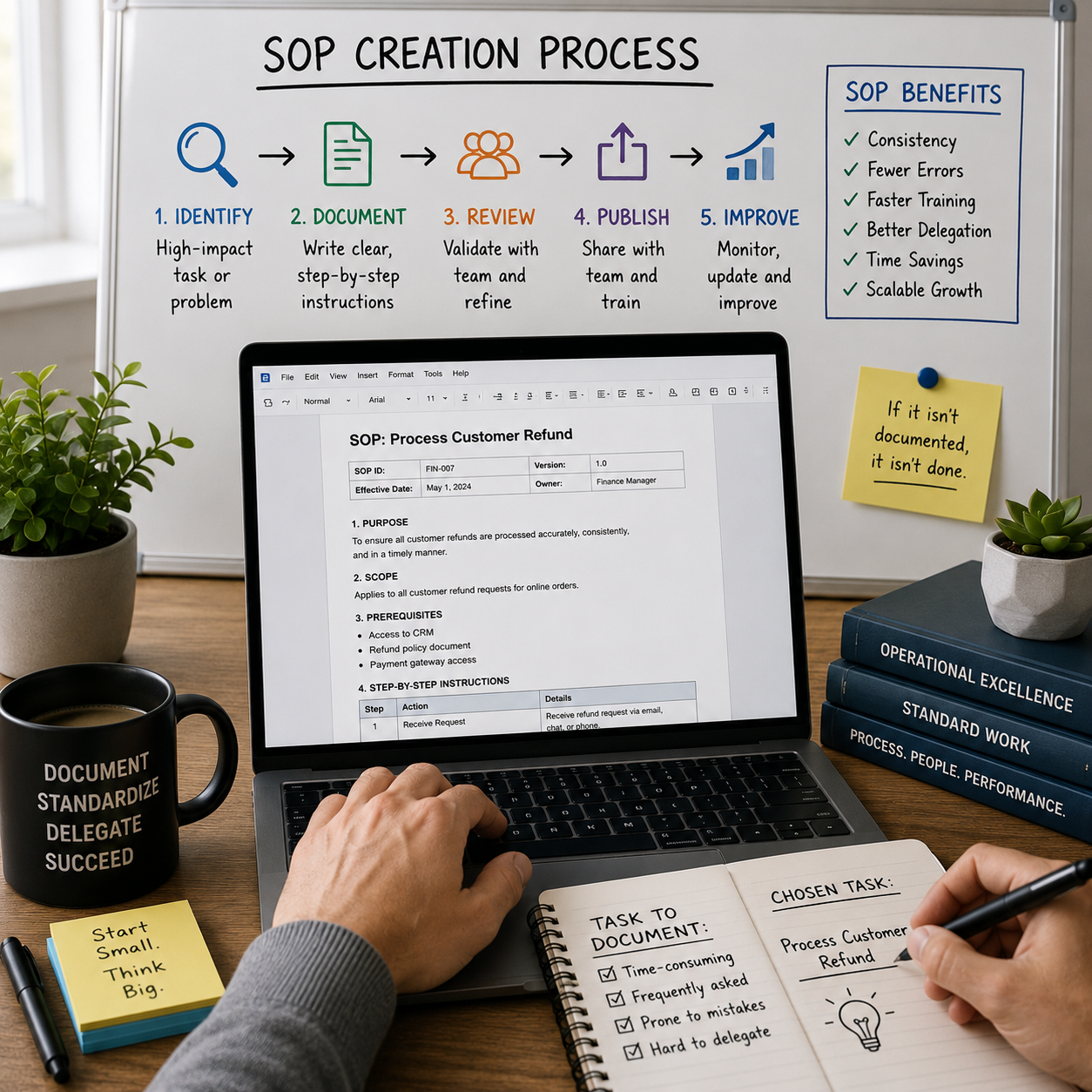
Learn how to write SOPs with clear scope, responsibilities, step-by-step instructions, controlled approvals, revision history and practical review checks.

Build a realistic IND application timeline with critical path review, ownership planning, and senior FDA submission support.

Prepare an IND application with pre-IND meeting support, FDA question strategy, briefing package review, and senior regulatory guidance.

Learn how to evaluate the best life sciences consulting firms for quality, regulatory, and operational support. Request a scoping call.

Learn how to evaluate the best life sciences consulting firms for quality, regulatory, and operational support. Request a scoping call.

Learn how to evaluate the best life sciences consulting firms for regulatory, quality, and operational support. Request a scoping call.
Prioritize FDA audit preparation when timelines are compressed using seven evidence-focused steps, escalation decisions, owners and remediation follow-up.

FDA inspection readiness training helps teams answer clearly, handle records, and escalate well under scrutiny. Build confidence and ask for a quick estimate
Use seven FDA audit preparation steps to assess evidence, rehearse requests, clarify team roles, prioritize remediation and report remaining risks.
Plan a mock FDA inspection with eight practical rehearsal steps for record requests, interviews, evidence review, debrief and corrective-action follow-up.
Use a ten-point inspection readiness checklist to test evidence ownership, retrieval, training, electronic records, supplier oversight and escalation.
Build biotech FDA inspection readiness with seven practical checks on CMC evidence, technical changes, CDMO oversight, data reliability and escalation.

Life sciences organizations are under increasing pressure to move faster advancing pipelines, meeting regulatory expectations, and scaling operations globally. We often see strong strategies lose momentum during execution, particularly when regulatory, clinical, and operational plans are not fully aligned.

This article highlights ten top-rated healthcare transformation leaders supporting providers, payers, and life sciences organizations. These firms help drive sustainable change by aligning strategy with execution, strengthening operational performance, and navigating complex regulatory environments.
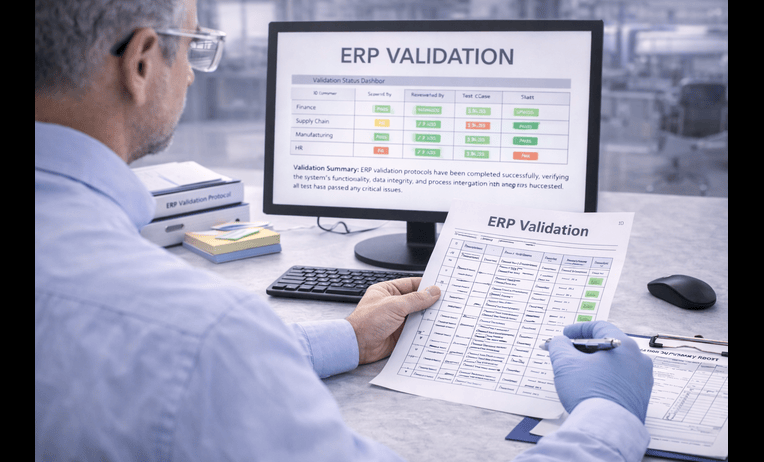
Compare computer system validation service providers using eight practical checks for scope, relevant experience, evidence, roles, testing and ongoing control.

Organizations translate scientific innovation into structured development plans, strengthen regulatory alignment, and scale efficiently from early-stage programs through commercialization.
Life sciences organizations are under increasing pressure to move faster advancing pipelines, meeting regulatory expectations, and scaling operations globally. We often see strong strategies lose momentum during execution, particularly when regulatory, clinical, and operational plans are not fully aligned.

This article highlights ten well-regarded regulatory strategy consulting firms that support biotech and pharmaceutical companies in navigating complex global requirements, strengthening submissions, and reducing risk across key development milestones.
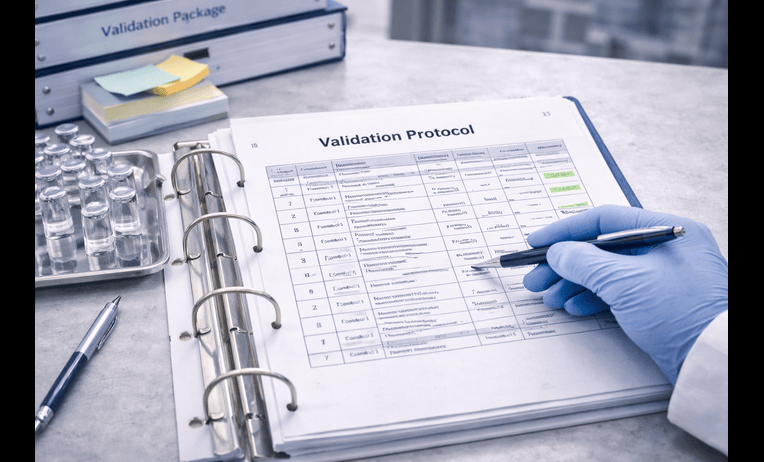
Use a six-step CSV vendor oversight checklist to assess supplier evidence, responsibilities, local configuration, updates and continued validated control.
Life sciences organizations are under increasing pressure to move faster advancing pipelines, meeting regulatory expectations, and scaling operations globally. We often see strong strategies lose momentum during execution, particularly when regulatory, clinical, and operational plans are not fully aligned.

Compare FDA compliance and inspection readiness firms by scope, enterprise governance needs, hands-on audit coverage and evidence-based deliverables.

Compare ten GxP compliance firms using a quality-program selection matrix for GMP, GLP, GCP expertise, evidence review, independence and delivery.

By Margaret Emerson Pharma GxP compliance consulting experts should bring experience relevant to your findings, facilities, studies, and quality system. A useful selection process examines

Technology transfer is a critical phase in pharmaceutical development. It ensures that a process developed in research or pilot scale can be successfully reproduced in
Life sciences organizations face increasing pressure to initiate new programs, expand into global markets, and meet more demanding regulatory standards. In our experience, many teams
Life sciences organizations are operating under sustained pressure, advancing new programs, entering global markets, and meeting increasingly stringent regulatory expectations. BioBoston Consulting provides end-to-end Life sciences consulting services,
Evaluate FDA inspection preparation firms by the proposed inspection team, scope, evidence sampling, interview approach, reporting and follow-up support.
By Margaret Emerson Market access consulting firms supporting pharma should be evaluated against the specific evidence, payer, pricing, reimbursement, and launch questions in the target

Life sciences organizations face sustained pressure to advance new programs, expand internationally, and meet increasingly rigorous regulatory standards. In our experience, strong strategy alone is
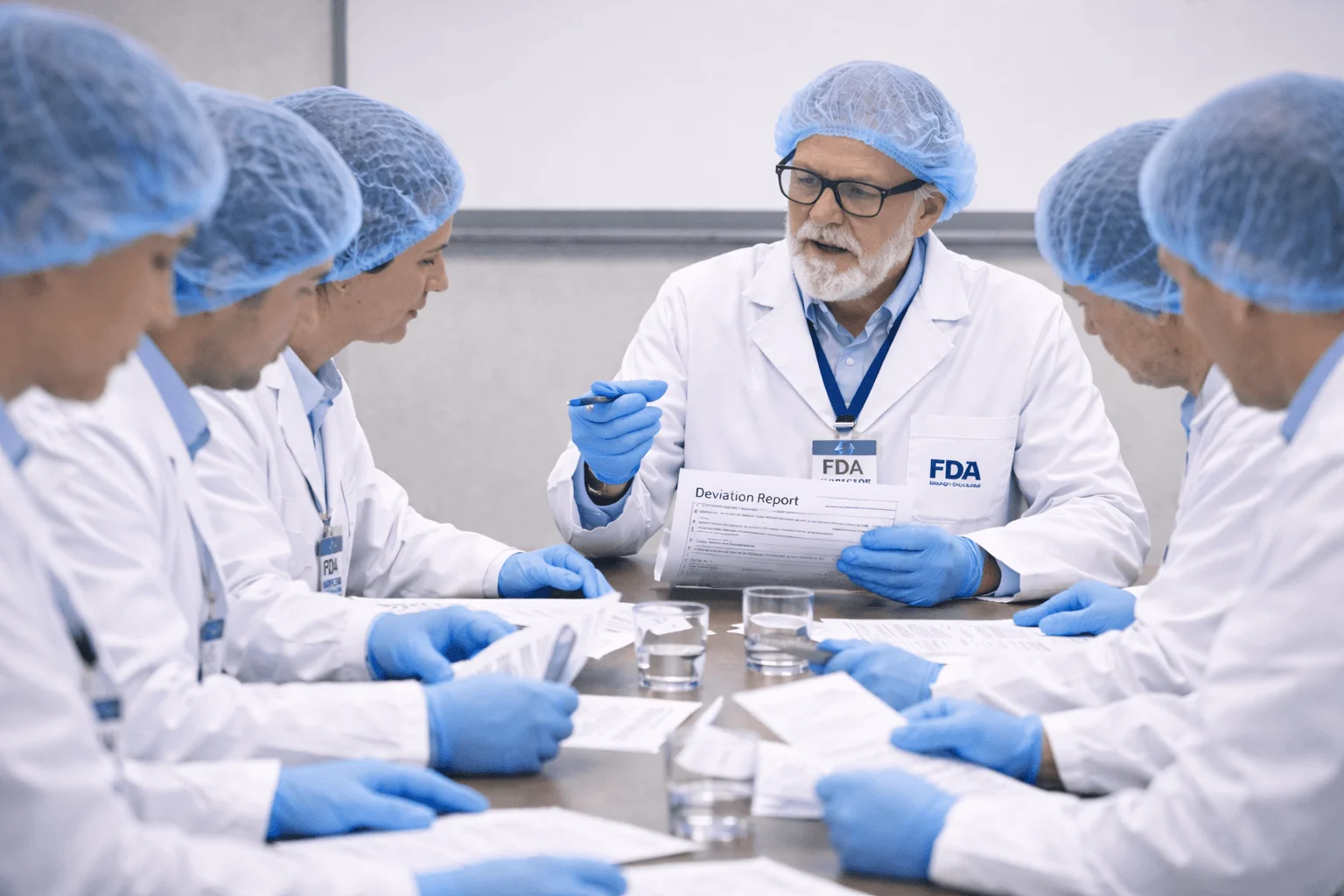
Compare FDA regulatory consultants for pharma and biotech using ten provider examples and a practical matrix for product expertise, scope and deliverables.
Compare GxP compliance firms for pharmaceutical inspection readiness by assigned expertise, audit scope, evidence quality, deliverables and follow-up.

Technology transfer is a critical step in pharmaceutical development. It bridges the gap between product development and commercial manufacturing, ensuring that a process developed in

By Margaret Emerson GxP compliance consulting firms for pharma help organizations assess and improve controls across GMP, GCP, and GLP activities. Start with the regulated
Life sciences organizations face sustained pressure to advance new programs, expand internationally, and meet increasingly rigorous regulatory standards. In our experience, strong strategy alone is
Life sciences programs face evolving regulatory risks at every stage from preclinical IND filings to global CTA submissions and through NDA or BLA approvals. We
Use a GMP inspection preparation checklist for pharma covering records, materials, facilities, laboratory controls, quality systems and escalation.
Technology transfer is a critical step in pharmaceutical development. It bridges the gap between product development and commercial manufacturing, ensuring that a process developed in
Life sciences programs face evolving regulatory risks at every stage from preclinical IND filings to global CTA submissions and through NDA or BLA approvals. We
Identify common gaps in internal audits and supplier oversight, including qualification, quality agreements, evidence access, changes and CAPA follow-up.
Our expert team provides regulatory roadmaps, document preparation, quality assurance, and interactive reviews to ensure your success. The BLA Submission Process Explained A Biologics License
Conduct an FDA compliance gap analysis with a risk-ranked finding register, containment decisions, root-cause assessment, remediation and verification.

For medical device companies seeking to conduct clinical trials in the United States, an Investigational Device Exemption (IDE) application is essential. A well-prepared IDE submission

Life sciences organizations today face growing pressure to launch new programs, expand into global markets, and comply with increasingly stringent regulatory requirements. We often see teams needing more
Life sciences organizations today face sustained pressure to launch new programs, expand into global markets, and comply with increasingly rigorous regulatory requirements. BioBoston Consulting provides end-to-end Life sciences
Even well-planned transfers can encounter operational challenges. Some of the most common issues include: incomplete documentation differences in manufacturing equipment process scale-up variability insufficient communication
By Margaret Emerson Biologics License Application preparation: the key workstreams A Biologics License Application (BLA) asks the FDA to license marketing of a biological product.

Implement data integrity in pharma with a risk-based assessment, reliable original records, audit trail review, access controls and verified remediation.

Learn how to implement a QMS in pharma and biotech, from applicable requirements and process ownership to controlled rollout and evidence of effectiveness.
Technology transfer in pharmaceutical manufacturing is rarely a simple handoff between development and production teams. It involves transferring complex knowledge about processes, analytical methods, equipment,
Run a mock pharmaceutical FDA audit using a rehearsal checklist for opening meetings, record requests, facility walkthroughs, interviews, findings and closure.
Life sciences organizations are under mounting pressure to advance new programs, enter global markets, and comply with increasingly stringent regulatory expectations. What makes the difference
By Margaret Emerson Global pharma compliance experts supporting FDA and EMA expectations need to connect regional requirements with product knowledge and operational evidence. For a
The key to a successful BLA submission lies in expert review, audit-focused documentation, and submission support from regulatory professionals who understand the nuances of life sciences compliance.

For medical device innovators and biotechnology companies developing diagnostic or therapeutic devices, obtaining approval to begin clinical studies in the United States often requires an
Technology transfer in pharmaceutical manufacturing is rarely a simple handoff between development and production teams. It involves transferring complex knowledge about processes, analytical methods, equipment,

By Margaret Emerson Technology transfer is a critical phase in pharmaceutical development. It ensures that a process developed in research or pilot scale can be
Life sciences organizations today face sustained pressure to launch new programs, expand into global markets, and comply with increasingly rigorous regulatory requirements. BioBoston Consulting provides end-to-end Life sciences

By Margaret Emerson Life sciences consulting firms support different kinds of transformation, from regulatory and quality execution to portfolio strategy, digital operations, and commercialization. Use

By Margaret Emerson Biopharma consulting firms offer different combinations of scientific, regulatory, quality, operational, and commercial expertise. Selecting a partner starts with the decisions and
For medical device companies seeking to conduct clinical trials in the United States, an Investigational Device Exemption (IDE) application is essential. A well-prepared IDE submission
Life sciences organizations today face sustained pressure to launch new programs, expand into global markets, and comply with increasingly rigorous regulatory requirements. BioBoston Consulting provides end-to-end Life sciences
Life sciences organizations face sustained pressure to advance new programs, expand internationally, and meet increasingly rigorous regulatory standards. In our experience, strong strategy alone is

Use a pharmaceutical technology transfer checklist to assess sending and receiving site readiness, process knowledge, validation, method transfer and closure.
By Margaret Emerson Choosing a biopharma consulting firm: the practical criteria A useful comparison of biopharma consulting firms starts with the buyer’s problem: an FDA
Life sciences organizations are under pressure to move faster advancing new programs, entering global markets, and meeting increasingly stringent regulatory expectations. We often see teams
Use an NDA inspection readiness checklist to reconcile application commitments, site evidence, laboratory records, open issues and responsible functional leads.
Life sciences organizations are under pressure to move faster advancing new programs, entering global markets, and meeting increasingly stringent regulatory expectations. We often see teams
FDA inspection readiness training built on timed drills improves retrieval speed and consistent answers across teams. Reduce surprises. Ask for a quick estimate.
Build an inspection readiness dashboard with eight defined quality metrics, evidence sources, owners and risk-based escalation rather than prediction claims.
Life sciences organizations today face growing pressure to launch new programs, expand into global markets, and comply with increasingly stringent regulatory requirements. We often see teams needing more
Life sciences organizations are under pressure to move faster advancing new programs, entering global markets, and meeting increasingly stringent regulatory expectations. We often see teams
Life sciences organizations today face growing pressure to launch new programs, expand into global markets, and comply with increasingly stringent regulatory requirements. We often see teams needing more
For medical device companies seeking to conduct clinical trials in the United States, an Investigational Device Exemption (IDE) application is essential. A well-prepared IDE submission
Use a QMS inspection readiness checklist to review records, deviations, CAPA, training, supplier oversight and quality decisions before an FDA inspection.
Prepare pharma and biotech teams for FDA inspections with a checklist for sponsor and contract site responsibilities, evidence access and gap escalation.
Technology transfer ensures that innovations reach the market in the fastest-changing industries, i.e., biotech and pharmaceuticals. If you are taking a new drug from development
For Biotech and Biopharma organizations, a Biologics License Application (BLA) is more than a regulatory filing, it reflects your organization’s quality systems, data integrity, and audit readiness. Even minor gaps in documentation, process
Scope FDA mock audit services for pharma and biotech with clear inspection scenarios, expert roles, evidence sampling, reports and remediation deliverables.
For medical device companies seeking to conduct clinical trials in the United States, an Investigational Device Exemption (IDE) application is essential. A well-prepared IDE submission
Life sciences organizations today face growing pressure to launch new programs, expand into global markets, and comply with increasingly stringent regulatory requirements. We often see teams needing more
Quality Assurance (QA) and Regulatory Compliance are foundational pillars in the life sciences industry. QA ensures that products—from pharmaceuticals to medical devices—are consistently produced and
Tech transfer (technology transfer) ensures that innovations reach the Market in the fastest changing industries i.e., biotech and pharmaceuticals. If you are taking a new drug
Compare ISO 9001:2026 and ISO 13485:2016 internal audit requirements for medical device manufacturers, including FDA QMSR and audit evidence.

Build an FDA inspection readiness roadmap with five phases, decision gates, evidence requirements, owners and a practical management review process.
For medical device sponsors, timely Investigational Device Exemption (IDE) submission and approval is critical to initiating clinical trials and advancing product development. Delays in IDE
Scope Part 11 validation services around regulated records, configured controls, supplier evidence, risk-based tests and documented release decisions.
Life sciences organizations today face growing pressure to launch new programs, expand into global markets, and comply with increasingly stringent regulatory requirements. We often see teams needing more
Prepare for pharmaceutical FDA inspections with a practical six-system checklist, evidence owners, readiness gaps and a risk-based preparation workflow.

Build a risk-based GMP and GLP supplier audit checklist with evidence requests, responsibilities, quality agreement review, findings and follow-up actions.
Use a CSV gap assessment to identify missing validation evidence, assess electronic record risks, prioritize remediation and verify system controls.
The Biotech and Pharmaceutical consulting industry is essential for organizations aiming to accelerate innovation, streamline operations, and maintain regulatory compliance in a competitive global market.
One-Stop Life Sciences Consulting for Biotech, Pharma, and MedTech Life sciences organizations face growing pressure to launch new programs, expand into global markets, and meet

For Pharmaceutical and Life sciences companies, submitting a New Drug Application (NDA) is a critical milestone in bringing innovative therapies to market. Success depends not only on strong clinical data but
Submitting a New Drug Application (NDA) is a critical step in bringing new therapies to market. Success depends not only on strong clinical data but also on audit-ready

In regulated industries, understanding the distinctions between Commissioning, Qualification, and Validation is essential for maintaining high standards of safety, quality, and compliance. By exploring the
Follow seven practical FDA computer system validation steps, from applicability and intended use to risk-based testing, release and lifecycle control.
Build a continuous inspection readiness program using risk reviews, audit scheduling, CAPA effectiveness, training checks and management escalation.
In regulated industries, understanding the distinctions between Commissioning, Qualification, and Validation (C&Q) is essential for maintaining high standards of safety, quality, and compliance. By exploring

Qualification and Validation are systematic processes in the life sciences industry that ensure equipment, systems, and processes consistently perform as intended, meeting predefined specifications and

In today’s global life sciences landscape, companies are expected to uphold the highest levels of compliance. Regulatory agencies such as the FDA (U.S. Food and

Design a scalable biotech quality management system with stage-specific processes, outsourced partner oversight, quality decisions and growth triggers.
Life sciences organizations today face growing pressure to launch new programs, expand into global markets, and comply with increasingly stringent regulatory requirements. We frequently see
Design risk-based GMP, GLP and GCP audit programs with distinct regulatory criteria, qualified reviewers, evidence sampling and integrated follow-up.
The Life sciences and Biotech sectors are evolving rapidly, with organizations striving to bring innovative therapies, diagnostics, and medical devices to market efficiently and compliantly.
Many teams across Biotech, Pharma, and MedTech tell us they rely on consulting partners to navigate pressure points in development, compliance, and commercialization. We often meet organizations that are
For Pharmaceutical and Life sciences companies, submitting a New Drug Application (NDA) is a pivotal step in bringing innovative therapies to patients. However, even strong clinical data is not enough. FDA
In the competitive and highly regulated world of drug development, an Investigational New Drug (IND) submission is one of the most critical milestones for Biopharma and Biotech
Preparing an Investigational New Drug (IND) submission is one of the most important milestones in drug development. For early-stage Biopharma, Biotechnology innovators, and specialty Pharma companies, a well-prepared
When we speak with leadership teams in Biotech, Pharma, and MedTech, one theme is consistent. Organizations that move quickly and confidently often rely on experienced consulting partners. These firms
Many teams across Biotech, Pharma, and MedTech tell us they rely on consulting partners to navigate pressure points in development, compliance, and commercialization. We often meet organizations that are

Assess FDA quality system readiness with evidence-based risk prioritization, audit findings, supplier oversight, data integrity and management decisions.

One Stop Solution for Life Sciences Many life sciences organizations have ambitious plans such as new programs to launch, new markets to enter, and increasing
By Margaret Emerson How to interpret this life sciences and biotech consulting list This is a publisher-selected overview of providers with different service portfolios, rather
Shaping the Future of the Life Sciences Industry The global life sciences ecosystem is evolving faster than ever before. As breakthroughs emerge in biotechnology, pharmaceuticals,
The life sciences industry is evolving at an unprecedented pace. From cutting-edge therapeutics to complex global supply chains, biotech and pharmaceutical companies face intensifying regulatory
Assess life sciences audit service providers by auditor qualifications, supplier scope, evidence quality, independence, coverage and CAPA follow-up.

Compare 10 life sciences audit consulting firms using practical selection criteria for internal audits, supplier qualification, GxP scope and follow-up.
Shaping the Future of the Life Sciences Industry The global life sciences ecosystem is evolving faster than ever before. As breakthroughs emerge in biotechnology, pharmaceuticals,
The biotech and pharmaceutical consulting industry is essential for companies aiming to stay competitive in a rapidly evolving market. With expert guidance on strategic planning,
Compare ten FDA inspection readiness provider examples by scope, assigned experts, audit methodology, quality evidence and remediation responsibilities.
The biotech and pharmaceutical consulting industry is essential for companies aiming to stay competitive in a rapidly evolving market. With expert guidance on strategic planning,

Shaping the Future of the Life Sciences Industry The global life sciences landscape is advancing at a record pace, with organizations striving to convert scientific

Understand FDA inspection readiness essentials, including accountable quality, regulatory and operational roles, evidence reviews and escalation decisions.
Evaluate inspection readiness providers for biologics facilities with questions about process controls, sterile operations, CMC commitments and evidence.
Prepare for NDA and BLA inspection readiness by reconciling manufacturing, CMC, clinical evidence, outsourced responsibilities and application commitments.
Prepare sponsors and CROs for FDA BIMO inspections with an evidence matrix covering written obligations, monitoring, safety, trial data and study oversight.
Assess third-party supplier audits for contract manufacturers with a practical responsibility matrix covering qualification, quality agreements and oversight.

Convert audit findings into a risk-ranked CAPA plan with evidence, containment, assigned owners, milestones, acceptance criteria and effectiveness checks.

A Quality Management System (QMS) is essential for ensuring regulatory compliance, operational efficiency, and consistent product quality in Pharmaceutical, Biotech, and Medical device organizations. Using a structured QMS checklist helps organizations identify critical areas for
Understand why GxP validation matters for FDA compliance, with risk-based decisions on regulated systems, records, controls and ongoing assurance.
Follow computer system validation step by step for pharma and biotech, from process requirements and risk assessment to testing, approval and maintenance.

Align FDA and EMA internal audits with applicable U.S. CGMP and EU GMP self-inspection criteria, evidence sampling, CAPA and management oversight.
Use a life sciences internal audit checklist with objective evidence tests for QMS, data integrity, training, CAPA, supplier controls and facility operations.
Use an FDA audit readiness checklist to assign document requests, verify controlled records, resolve missing evidence and track readiness decisions.
Build a GxP computer system validation program around intended use, risk, reliable records, operational ownership and sustainable lifecycle controls.

Use a Part 11 gap assessment to evaluate electronic record applicability, access, signatures, audit trails, retention and evidence-based remediation priorities.
Use an FDA inspection checklist for pharmaceutical manufacturers to test batch traceability, equipment readiness, lab records and quality oversight.
Empowering Biotech Startups with Strategic Regulatory Planning For biotech startups, navigating the complex regulatory landscape is critical to achieving Investigational New Drug (IND) and New

Build an FDA inspection playbook with accountable inspection-room roles, record-request handling, factual interviews, escalation and daily review.
Understanding the Importance of the IND Application For biotech startups, filing an Investigational New Drug (IND) application represents a pivotal step in transforming scientific innovation

Scope FDA inspection readiness services around site risks, mock audits, documentation review, staff preparation, remediation and engagement deliverables.

Your One Stop Solution for Life Sciences Determining the valuation of preclinical biotech companies is a critical step for raising capital, negotiating partnerships, and attracting

Your One Stop Solution for Life Sciences Securing venture capital (VC) funding is a critical milestone for biotech startups seeking to advance innovative therapies, scale

Learn what computer system validation is, when it is relevant in life sciences, how requirements and tests work, and what evidence supports release.
Compare LIMS, ERP and MES validation needs in biopharma, including critical workflows, system boundaries, interface tests and evidence ownership.

Your One Stop Solution for Life Sciences In the biopharmaceutical industry, demonstrating safety through toxicology studies is a critical element of any Investigational New Drug

Plan an IND application timeline with FDA receipt, the 30-day review period, CMC and nonclinical dependencies, clinical hold risks and study activation.

One Stop Solution for Life Sciences Preparing an Investigational New Drug (IND) application is a critical step in bringing your biopharmaceutical innovation from the lab
Your One Stop Solution for Life Sciences Bringing a new therapy from the research bench to human trials is a defining moment in any biopharma

One Stop Solution for Life Sciences ???? Why Comparability Protocols Matter in Biologic IND Applications In the development of biologics, maintaining product consistency throughout clinical

One Stop Solution for Life Sciences ???? Why Preclinical Data Is Vital for IND Submission Success Before initiating human clinical trials in the United States,

One Stop Solution for Life Sciences ???? Why the Investigator’s Brochure Is Crucial for IND Applications In the pharmaceutical and biotech industries, the Investigator’s Brochure
Understand FDA inspection types, including drug preapproval and surveillance, for-cause reviews, medical device QMSR and clinical BIMO inspections.
Strengthen FDA inspection readiness through connected documentation, staff competence and quality oversight using a practical three-pillar evidence test.
Use a life sciences FDA inspection readiness checklist to review controlled documentation, personnel, quality systems, facilities and regulatory changes.
Improve mock FDA inspections with practical planning, evidence sampling, staff interviews, reporting and measurable follow-up before a real inspection.
Understand FDA supplier audit requirements, risk-based review frequency, supplier test-result reliability, documentation and qualification decisions.
Understand computer system validation principles, intended use, risk, traceability, supplier evidence, release decisions and lifecycle maintenance.

Plan a CSV periodic review using change history, incidents, access controls, supplier updates, evidence gaps and documented continued-use decisions.
Understand 21 CFR Part 11 validation, applicable electronic records, access controls, audit trails, signatures and risk-based assurance evidence.
Apply ALCOA+ principles in computer system validation with record lifecycle mapping, controls for attribution, accuracy, completeness and retrievable evidence.
Plan clinical trial systems validation for EDC, CTMS and ePRO platforms with risk-based evidence, study configuration, interfaces and sponsor oversight.

Manage CSV change control with impact assessment, targeted regression testing, controlled release, rollback planning and documented revalidation decisions.

For biotech startups and emerging sponsors, the Pre-Investigational New Drug (Pre-IND) meeting is a pivotal opportunity to align with the FDA before launching clinical trials.

By Margaret Emerson What belongs in an IND-enabling evidence package? An IND-enabling program integrates product-specific nonclinical pharmacology and toxicology, chemistry, manufacturing and controls (CMC) information,

Cell and gene therapies represent the cutting edge of biotech innovation—but their regulatory pathways are anything but straightforward. Filing an Investigational New Drug (IND) application

For biotech companies preparing an Investigational New Drug (IND) application, the Investigator’s Brochure (IB) is more than a formality, it’s a cornerstone of regulatory communication.

As biotech firms prepare to submit Investigational New Drug (IND) applications, understanding the FDA’s electronic Common Technical Document (eCTD) format is no longer optional, it’s
For biotech companies preparing to file an Investigational New Drug (IND) application, Chemistry, Manufacturing, and Controls (CMC) documentation is a critical pillar of regulatory success.

Plan electronic batch record validation with tests for recipe versions, material identity, calculations, exceptions, approvals and complete batch records.

Plan CTMS validation for clinical trial oversight, site status, monitoring workflows, permissions, integrations, electronic records and release evidence.
Plan LIMS validation with evidence for sample traceability, calculations, instrument interfaces, result review, audit trails and controlled system release.

BioBoston Consulting — One Stop Solution for Life Sciences In the life sciences industry whether in pharmaceuticals, biologics, or medical devices moving from lab scale

One Stop Solution for Life Sciences In the highly competitive life sciences sector, breakthroughs in therapeutics, diagnostics, and medical devices hinge upon a strong foundation
Introduction: Driving Efficiency in Clinical Trials Achieving operational excellence in clinical trials is critical for the success of pharmaceutical, biotechnology, and medical device studies. Efficient
Prepare for FDA audits in pharmaceuticals and biotech using six practical readiness steps, completion tests, accountable owners and evidence review.

Build quality management systems in life sciences around applicable requirements, quality governance, controlled records, risk, CAPA and continual improvement.
Understanding Regulatory Compliance in Pharma and Biotech Navigating the life sciences industry requires strict adherence to regulatory requirements. Pharmaceutical, biotechnology, and medical device companies must
The Importance of Supplier Quality in Life Sciences In the pharmaceutical, biotechnology, and medical device industries, supplier quality management (SQM) is a critical component of
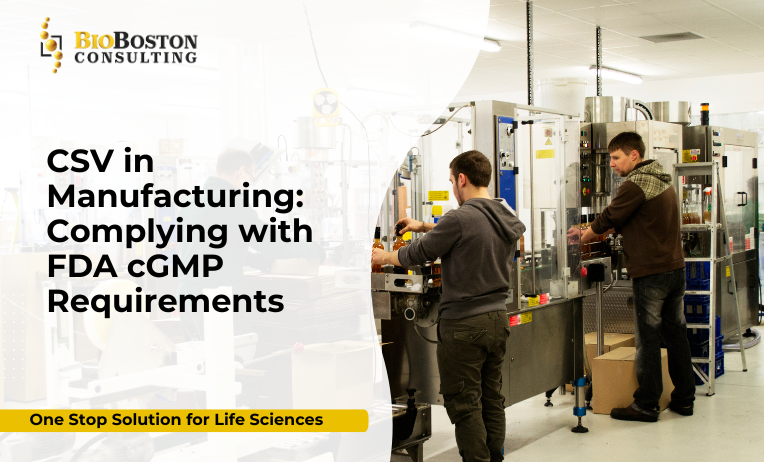
Plan computer system validation in pharma manufacturing with risk-based evidence for MES, EBR, process controls, interfaces, records and system changes.

The Importance of GxP Training for New Hires In the life sciences industry, early GxP training is crucial for onboarding new employees. From pharmaceutical and

Design GxP training for quality assurance teams with practical checks for audit evidence, investigations, CAPA, data integrity, escalation and competence.

Why Team Training is Critical for FDA Inspection Readiness Preparing for an FDA inspection is not just about systems and documentation—it’s about people. A well-trained
Prepare clinical trials and CROs for FDA BIMO review with a study-record traceability exercise covering monitoring, protocol deviations, safety and data.
Prepare data integrity evidence for FDA inspections with original records, metadata, role controls, audit trail review, investigations and verified remediation.
One Stop Solution for Life Sciences For pharmaceutical and biotechnology companies, moving from preclinical research into human testing is a defining milestone in drug development.

Introduction: Fueling Innovation in Life Sciences In the fast-paced life sciences industry, access to strategic funding is critical for bringing innovative therapies, medical devices, and
Prepare CSV inspection readiness with a system inventory, evidence retrieval, traceability, current configuration, deviation review and accountable ownership.
See how internal and supplier audits help life sciences teams assess internal controls, outsourced responsibilities, quality risks and verified follow-up.

Compare internal and supplier audits by purpose, evidence, scope, independence, risk triggers and follow-up to choose the right life sciences audit approach.
BioBoston Consulting: One Stop Solution for Life Sciences What Is an Investigational New Drug (IND) Application? An IND application is a formal request submitted to

For pharmaceutical and biotech companies, a successful Investigational New Drug (IND) application is a critical step in initiating clinical trials in the United States. The

In urgent public health scenarios, such as outbreaks of emerging diseases or life-threatening conditions, timely access to investigational drugs is critical. The FDA’s Emergency Use

For pharmaceutical and biotech companies, preclinical data forms the backbone of a successful Investigational New Drug (IND) application. Before human clinical trials can begin, the
For pharmaceutical and biotech companies, successful Investigational New Drug (IND) submissions are critical to initiating clinical trials in the United States. The FDA IND process
For pharmaceutical and biotech sponsors, a successful Investigational New Drug (IND) application requires detailed Chemistry, Manufacturing, and Control (CMC) information. CMC documentation ensures that the
For pharmaceutical and biotech companies, timely Investigational New Drug (IND) submissions play a pivotal role in the speed and efficiency of drug development. Delays in
In clinical investigations of medical devices, adhering to monitoring and reporting obligations is critical to maintain FDA compliance and ensure participant safety. Under an Investigational

By Margaret Emerson Investigational device labeling should communicate investigational status, relevant risks, and the information needed for controlled use in the study. For U.S. investigations
In clinical investigations of medical devices, obtaining proper informed consent is a cornerstone of ethical research and regulatory compliance. Under an Investigational Device Exemption (IDE),
For medical device companies, navigating the Investigational Device Exemption (IDE) submission process is a critical step toward clinical trials in the United States. A key

Determine Part 11 applicability using regulated record requirements, electronic signatures, actual reliance, validation evidence and documented decisions.
Write a testable user requirements specification for CSV with intended use, risk-based requirements, acceptance criteria, ownership and traceability.

Learn what DQ, IQ, OQ and PQ mean in computer system validation, what evidence each stage needs, and how to tailor testing to intended use and risk.
Maintain the CSV validated state after approval through controlled changes, supplier updates, incident handling, access reviews and targeted revalidation.

Plan CSV deliverables, project milestones, ownership, evidence dependencies, testing and release criteria without assuming a universal validation timeline.

Follow the CSV lifecycle from intended use and requirements through risk-based testing, traceable evidence, release and continued system control.

Identify CSV data integrity and traceability gaps through record lifecycle mapping, risk-based testing, deviation review and targeted remediation.
In the dynamic and highly regulated life sciences industry, the regulatory strategy for drug development is the backbone of successful product approvals. Whether in pharmaceuticals,

Submitting a regulatory dossier is a major milestone in drug development—but it’s not the end of the journey. Once filed with agencies such as the
In the competitive life sciences industry, successful drug development depends on well-structured regulatory submissions. From CMC (Chemistry, Manufacturing, and Controls) to non-clinical and clinical plans,
Bringing a new therapy to market in Europe requires a strong understanding of the EMA regulatory pathways and a well-defined submission strategy. The European Medicines
In drug development, managing regulatory submission timelines is critical for bringing therapies to market quickly and efficiently. Whether filing with the FDA, EMA, or APAC

One Stop Solution for Life Sciences In the highly regulated landscape of life sciences—from pharmaceuticals and biotechnology to medical devices—maintaining impeccable quality standards is not
In the life sciences industry, ensuring vendor compliance is critical for maintaining product quality, patient safety, and regulatory adherence. Vendors supplying raw materials, laboratory services,

In today’s globalized life sciences industry, organizations depend heavily on third-party vendors for raw materials, testing services, and outsourced operations. While outsourcing offers efficiency and

In the life sciences industry, vendors play a critical role in ensuring product quality, patient safety, and regulatory compliance. Selecting the right partners is not
Conduct effective vendor audits in life sciences using risk-based scope, evidence sampling, documented findings, corrective actions and supplier follow-up.

In the world of life sciences, research integrity and data reliability are the foundation of innovation. To ensure accuracy, transparency, and compliance, laboratories must adhere

Design GCP training around clinical trial roles, participant protection, protocol compliance, reliable records, issue escalation and verified competence.
Align global GxP training standards with applicable FDA, EU GMP and ICH expectations using a role matrix, local requirements and competence evidence.
In the pharmaceutical and biotechnology sectors, regulatory compliance is critical for ensuring product quality, patient safety, and market approval. Non-compliance with FDA, EMA, and global

Understand FDA QMS expectations across drug and device activities and how quality governance, records, CAPA and supplier controls support compliance.
Use internal audits for FDA compliance to test quality-system controls, evidence retrieval, role competence and follow-up before regulatory inspections.

Understand common GxP audit findings across GMP, GLP and GCP, with evidence checks for documentation, training, CAPA, data integrity and suppliers.
Compare internal audits vs external audits in life sciences, including audit ownership, independence, criteria, supplier audits and FDA inspections.
Compare a mock FDA audit with a real FDA inspection by purpose, authority, evidence review, findings, regulatory consequences and preparation goals.
Prepare for FDA pre-approval inspections with a focused CMC readiness review covering application conformance, manufacturing capability and reliable data.
Reduce recurring FDA inspection risks with prevention strategies for records, investigations, training, data integrity, suppliers and effectiveness checks.

Scope CSV gap assessment services with a system inventory, evidence review, risk-ranked findings, remediation options and defined acceptance criteria.

Compare FDA and EU computer system validation requirements for regulated workflows, electronic records, supplier evidence, testing and ongoing control.

Scope end-to-end CSV services across assessment, requirements, testing, release and lifecycle handoff with clear responsibilities and deliverables.

Making Informed Investment Decisions in the Biotech Sector Investing in biotech companies presents unique opportunities along with considerable risks. The complexity of scientific innovation, long

Expert Support from BioBoston Consulting for a Seamless IND Submission Filing an Investigational New Drug (IND) application with the FDA requires a robust preclinical data
Accelerate your medical device trials with expert IDE submission support from BioBoston Consulting. Our end-to-end Investigational Device Exemption submission services help life sciences companies navigate
Before your investigational drug can be tested in humans, the FDA requires compelling preclinical data to support your IND (Investigational New Drug) application. This data
Creating a strong IND (Investigational New Drug) package is critical for gaining FDA approval to initiate clinical trials. A well-prepared IND submission demonstrates that your

The pharmaceutical industry relies heavily on advanced and complex equipment for drug manufacturing, ensuring product quality, safety, and regulatory compliance. Equipment validation confirms that the

Tips for Filing and Securing FDA Submissions and Approvals The FDA submission process can be a challenging and confusing process for biotech companies. Regardless of whether you

Evaluate blockchain in biotech for traceability, evidence integrity and supply-chain records, with limitations, governance and regulated-system assurance needs.

Explore the benefits of biotech partnerships, including access to resources, funding, and markets. Learn how BioBoston Consulting can help you build successful collaborations. Why Partnerships Are
Explore key strategies for biotech companies to access global markets, including regulatory compliance, market research, and pricing strategies. Learn how BioBoston Consulting can help Entering
Learn how biotech is driving the future of precision medicine with genomics, AI, and gene therapies. Discover how BioBoston Consulting can help accelerate your innovation.

Discover how biotech disruptors are shaping the future of healthcare with gene editing, AI, and personalized medicine. Learn how BioBoston Consulting can accelerate your innovation.
Explore how biotech is addressing the challenges of an aging population with solutions like personalized medicine, regenerative therapies, and digital health innovations. The global population
By Margaret Emerson Preclinical animal testing: what sponsors should evaluate Preclinical animal testing supports selected questions about a candidate’s pharmacology, toxicology, and biological behavior before
Learn the best practices for FDA submissions and approvals. BioBoston Consulting offers expert guidance to help biotech companies navigate the regulatory approval process. How to
Explore how biotech companies can balance innovation with compliance. Learn strategies for overcoming regulatory challenges while driving cutting-edge product development. The Balancing Act: Innovation vs.
Understand the FDA drug approval process, including NDA, ANDA, and 510(k) submissions. BioBoston Consulting offers expert guidance to fast-track your product’s approval, whether it’s a
Learn the process of reporting Biological Product Deviations (BPD) to the FDA. Understand the steps involved, the significance of timely reporting, and how BioBoston Consulting
Learn about the essential components of the Device Master Record (DMR) for medical device manufacturers. Understand its importance in regulatory compliance, quality control, and risk
Discover the key challenges and strategies for transitioning from Phase 2 to Phase 3 in drug development. Learn about clinical trials, patient recruitment, regulatory compliance.
Phase 3 is the first and most important step in the drug development process through which biotech start-ups move when it advances beyond Phase 2
Combination Products: The marriage of drug and device Innovation in healthcare has no limits, especially now. With the further advancements in medical science, more opportunity
Explore the world of upstream bioprocessing techniques, highlighting some of the critical principles and optimization methods driving the biotechnology industry. Cell Culture Techniques: Adherent cultures
More Than Just Maintenance — Why Servicing Matters to Medical Device Performance. In an era where technology is reshaping the medical device industry, servicing plays
The role of pharmaceutical and biotechnology companies is critical to deliver improved human health and well-being. The safety and effectiveness of their products is key
Due to their inherent complexity and complex manufacturing process, Human Cellular and Gene Therapy (CGT) products face unique challenges in development and manufacture. It is
The cGMP regulations highlight the necessity of both establishing and documenting control mechanisms. It also involves preparing specifications, standards, sampling plans, test procedures and other
Understand common FDA inspection findings in documentation, quality control, facilities, training and reporting, with practical evidence checks for each area.
Pharmaceutical, biotech and medical device technology transfer involves transfer of knowledge in terms of processes, procedures and methodologies from site to site. Effective technology transfer
It is a guardrail for quality control, production integrity and good manufacturing practices (GMP) in the industry: the Quality System Record (QSR). In the ever-evolving
The Road to Successful Pharmaceutical Development: How the Right Consultant is Key to Innovation and Compliance in a Rapidly Moving Space. Pharmaceutical consulting is a
It is obvious that a strong clinical operations team is one of the most critical elements in converting a clinical study proposal into action. They
By Margaret Emerson Global regulatory harmonization: what it does and does not mean Global regulatory harmonization aligns selected scientific and quality expectations across jurisdictions, including
We are going to help you navigate through some key steps and compliance protocols for drug companies with regards to FDA registration and drug listing.
This article discusses why “Acceptance Status” is the most Important Element of, Subpart H of Title 21 CFR 820, Quality System Regulation (QSR) and how
Introduction: The pharmaceutical industry is the frontline for public health by making various medications to treat numerous medical conditions and improve millions of peoples’ lives
Come along with us as we untangle how Stability Testing and Shelf Strength Determination are done, revealing the best practices and clarifications, perfectly suitable for
Usage guidelines From implant that save lives to advanced diagnostic tool, medical devices are critical contributors in improving health and wellness of everyone.The sophisticated nature
Here we reveal the secret weapon that quality and regulatory consulting firms utilize to make sure life science businesses meet and maintain regulatory compliance —
We dissect these submissions to reveal common mistakes and how to avoid them. The Importance of IND/IMPD Submissions: Trusted Data: IND and IMPD applications require
Plan pharmaceutical quality assurance training and regulatory professional development around applicable requirements, assigned duties and practical competence.
The Role of Laboratory Animals in Drug Testing The FDA has implemented a broad set of regulations to ensure quality in drug manufacture and distribution
Why Laboratory Testing is Essential for Drug Safety and Efficacy Laboratory testing, which is part of the pharmaceutical manufacturing process, assures that medicines are safe
CFR Title 21 — Part 211 Subpart D — Equipment Used in the Manufacture, Processing, Packaging, and Holding of Drugs. This part describes the measures
Clinical Trials form the pillar for any permutation of launch of new drug or biological and provide another piece to data puzzles about efficacy and
The pharmaceutical industry is an essential part of the healthcare ecosystem, manufacturing safe and effective medicines that enhance patients quality of life. To keep up
Two of the pillars of over the counter (OTC) drug products in the pharmaceutical industry are consumer safety and integrity of product. The Food and
Explore the key FDA regulations (21 CFR Part 211) for controlling components, drug product containers, and closures in pharmaceutical manufacturing. Learn about the challenges and
FDA (Title 21, Chapter I) — a complex regulation that controls the production practices of finished pharmaceuticals. To elaborate, Part 211of 21 CFR: Current Good
Complaint File Management Complaint files are often dismissed as something that merely provides a repository of documentation and accountability, but they can change the healthcare
The pharmaceutical industry is one of the most important industries in modern-day health care, supplying millions of people around the world with medicines. Preserving high-quality,
The FDA has released two draft guidance documents to help drug manufacturers comply with Pediatric Research Equity Act (PREA) and Best Pharmaceuticals for Children Act
Introduction: The Need for Streamlined Evaluation of Cellular and Gene Therapies Under many traditional clinical trial conditions, a single investigational product requires an individual Investigational
It is important to maintain the highest standards and comply with stringent regulations to guarantee drug safety and performance. Among them, Title 21, Chapter I
The Code of Federal Regulations (CFR) 21 PART 211 Subpart C [211.42 – 211.162] lays out the regulations for buildings and facilities used in the
Get ready for a paradigm shift: Regulatory technology is set to revolutionize life sciences, and we have the blueprint for this transformation. Introduction In the
Combination therapies, the simultaneous or sequential use of two or more drugs to treat a given disease, is an emerging area within the biopharmaceuticals sector.
Introduction: Qualification and validation are important processes that ensure product quality, safety, and efficacy in the pharmaceutical, biotechnology, and medical device industries. In these processes
What are GxP Guidelines? GMP or Good manufacturing practices is one of several GxP guidelines that life science companies should adhere to. Additional GxP guidelines
Apply ISO 19011:2026 internal audit guidance to program planning, auditor competence, objective evidence, reporting and effective follow-up.
Build a risk-based internal audit program in life sciences with clear audit criteria, evidence sampling, finding ownership and effectiveness follow-up.
The regulation is found in Title 21, Part 211, Subpart B of the Code of Federal Regulations and specifies personnel responsibilities under the framework of
The regulation in 21 C.F.R. Part 211 Subpart C addresses design and construction features related to buildings and facilities for the manufacturing, processing, packing, and
The pharmaceutical and biotechnology industries are extremely competitive, and for companies to retain their competitive advantage, it is essential to protect their proprietary information. In
The pharmaceutical manufacturing is strictly held to standards when it comes to quality. Regulators and entities like the Food and Drug Administration (FDA) have implemented
In the pharmaceutical industry, the safety, integrity, and quality of drugs are paramount. There are stringent regulations to make sure that pharmaceutical products meet the
A set of detailed requirements regarding record-keeping and evaluation in the drug manufacturing process are defined under Title 21–Food and Drugs, Chapter I–Food and Drug
Review medical device quality audit requirements under FDA QMSR, ISO 13485 audit criteria, objective evidence, corrective actions and inspection access.
The process of developing, manufacturing and distributing medical devices is quite complex and must be done with extreme precision due to demanding regulations to protect
Manage medical device nonconforming product under QMSR with identification, segregation, investigation, disposition, rework and post-delivery controls.
Technology Transfer is an essential aspect for the pharmaceutical and biotechnology field as it allows effective transfer of knowledge, processes, and breakthroughs engineering from research
Effective management of returned drug products is an essential part of pharmaceutical operations, necessitating complex activities to safeguard patients, as well as the pharmaceutical supply
The Quality System File is the foundation for compliance with the FDA Quality System Regulation (QSR), found in Part 820. Such a repository is the
Begin the process of executing clinical trials in America with certainty and infallibility. Learn more about the study protocol, regulatory basics and ethical considerations from
Introduction to Stability Testing Regulations demand robust usability of stability studies as an integral component of drug development and manufacturing process. Stability Studies are an

Understand FDA drug reprocessing requirements under 21 CFR 211.115, quality unit approval, investigation evidence and batch disposition decisions.
The objective of 21 CFR Sec. 211.184 intends to follow in its second dual purpose of advocating for strong quality control systems and advancing the
In the Medical device and Life sciences industries, obtaining Investigational Device Exemption (IDE) approval is a critical step for initiating clinical studies. Successful IDE applications require precise documentation, compliance with FDA regulations,
Pharmaceuticals are a highly regulated industry, and any error can have life-threatening consequences, affecting the health of human beings. Thus safety and efficacy are paramount.
Drug-device and biologic-device combinations are some types of the combination products, and these provide ground-breaking inventions in the pharmaceutical, biotechnology, and medical device fields. They
The pharmaceutical sector has a vital role in supporting public health by creating and distributing safe medicines that are also efficient. For this purpose, regulatory
Use a quality system gap assessment to compare requirements with actual controls, prioritize risks, assign remediation actions and verify effectiveness.
Use an inspection readiness gap assessment to identify missing evidence, prioritize quality risks, assign remediation owners and verify readiness.
Decide when to outsource internal audits in life sciences using a comparison of independence, specialist expertise, capacity, deliverables and governance.
This is no walk in the park with life science companies working within a backdrop of constantly changing scientific discovery, strict regulatory requirements and stiff
Personalized Medicine — Welcome to a World of Novel Drug Approvals and Regulatory Dilemmas The National Institute of Health (NIH) and other scientific communities are
Crack the Market Nut: How to Achieve FDA-Compliant Medical Device Labelling Because the life science industry is always evolving, compliance to regulatory guidelines remains critical.
Learn how to respond to an FDA warning letter: confirm instructions, assess risk, organize the response, document corrections and track commitments.
Introduction to GXP Training GXP trainings are an indispensable part of the pharmaceutical and biotech sectors. Regulations for the monitoring and controlling of drug development,
Guiding the Path to Scientific Breakthroughs and Market Success in Biotechnology Consulting Biotechnology is one of the fastest cycle industries; companies with cutting-edge research, development,
Overview of FDA Regulations for Pharmaceutical Manufacturing When it comes to pharmaceutical manufacturing, safety and quality is of the highest concern. For protecting against the
Introduction to FDA Regulations on Equipment Maintenance The importance of pharmaceutical manufacturing is recognized by the need to guarantee the safety, identity, strength, quality and
Subject matter expert is required for advancing mRNA-based therapeutics from non-GMP through Phase I/II trials which involves navigating the complex FDA and EMA guidelines towards
Good practices (GxP) are essential for any aspect of a pharmaceutical or biotech company. The training of GxP means the basic building block for compliance,
Preclinical testing is the key for evaluating pharmaceutical products for safety and efficacy prior to investigational new drug (IND) or health agency submission. The
Clinical trials are the backbone of medical research and fuel innovation, leading to better patient care. This requires documentation of trial protocols in order to
When securing funding, building trust, and demonstrating progress with investors, clear communication is equally beneficial to a biotech company. The capacity to articulate value propositions
Everything starts with robust preclinical work which is the foundation of drug development. Of course, the usefulness of clinical trials downstream and then for patient
How effortless knowledge exchange can open the horizon for your organization. As businesses and industries continue to advance and becoming more competitive, superior technology transfer
Bioprocessing using Single-Use technologies enables biomanufacturing with agility, flexibility and at reduced cost of manufacturing the biopharmaceuticals. These single-use systems are commonly used in pharmaceutical,
When it comes to bringing biosimilars to market, pharmaceutical companies have one enemy harder than any other: the regulatory pathways that they need to
Discover the strategies that quality and regulatory consulting firms employ to help businesses navigate these complexities effectively. Introduction In the intricate world of the life
Take a deep dive with us as we walk you step by step through that process validation journey — from ideas on paper to the
Discover essential compliance requirements for transitioning from Phase 2 to Phase 3 clinical trials in biotech. This guide offers insights on regulatory standards, trial design,
Explore the ICH Harmonized Tripartite Guideline and get informed about key photostability testing principles and methodologies. ICH Guidelines Explained Already the ICH Harmonized Tripartite Guideline
From the exhaustive range of cGMP guidelines, one section has a greater significance in our quality assurance activity — 21 CFR Sec. 211.186. This segment
Obtaining regulatory approval for a medical device through a Premarket Approval (PMA) application is long and arduous. Yet, navigating the PMA process is possible if
Here are the basic steps and mandatory requirements on how to do FDA registration and listing of your drug company. Introduction In the US, the
Understand FDA audits and inspections, their different roles, preparation priorities, document retrieval, staff interviews and follow-up evidence.
Quality and Regulatory Consultants play a crucial role within the Pharmaceutical, Biotechnology, and Medical Devices Industries as these industries continue to advance. Their role is
Strict guidelines and regulations have been set up by regulatory bodies such as the U.S. Food and Drug Administration (FDA) to ensure the quality, strength,
Pharmaceutical and biotechnology companies have great responsibility for re-taking back the human health and well-being. It is crucial for them to make sure that their
Discover the ICH S12 guidelines for nonclinical biodistribution (BD) testing of gene therapy products. Learn how BD data supports clinical trial design and safety assessments,
This article aims to demystify the validation and verification process in medical device manufacturing. Introduction Manufacturing medical devices involves a range of activities that is
Gene therapy has the potential to treat genetic disorders and diseases that were once untreatable, giving hope to patients living with illnesses that have no
Learn more about the four pillars of risk management that that you need to get right for success in life sciences industry. The Life Sciences
Patient surveys form an important part of nearly all clinical development projects that lead to new drugs and medical devices to be commercialized. Since these
The clinical trial process is an essential milestone to bringing novel drugs and therapies to market. Sponsors must also decide whether to perform these trials
Learn more about how quality and regulatory consulting firms assist in maintaining the highest standards for HCT/Ps, advocating for a healthier safer tomorrow. Human Cells
Medical Device Manufacturing: Acceptance Activities Strict guidelines have been issued by regulatory agencies such as the Food and Drug Administration (FDA) to ensure the safety
Learn how to obtain a Clinical Laboratory Improvement Amendments (CLIA) certificate. This detailed guide covers requirements, steps, and key checklist points for clinical labs. Clinical
Project management is crucial for driving innovation and maintaining regulatory compliance in the dynamic, heavily regulated life sciences world. Good project management is important for
The BLA Submission Process Explained A Biologics License Application is an extensive record that contains all the relevant information about the biologic product, its manufacturing
Build effective GMP refresher training with role-specific scenarios, current procedures, documented competence checks and risk-based training frequency.
The U.S. Food and Drug Administration (FDA) recently released a new guidance document on premarket submissions for device software functions. The guidance “Content of Premarket
The FDA approval process can be challenging, luckily you have us to help you make your way through the regulatory wilderness of biologics. Biologics to
The quality, safety, and efficacy of pharmaceutical products are highly regulated by Good Manufacturing Practices (GMPs) throughout the lifecycle of product manufacture. The guidelines establish

By Margaret Emerson Yield calculation in pharmaceuticals compares the actual output of a manufacturing stage with its theoretical output. It supports batch accountability and helps
Understand computerized system qualification and validation in GxP, from approved configuration and intended use to risk-based testing and lifecycle control.
In the pharmaceutical industry, it has been discovered that drug product stability forms the basis on which assurance is placed regarding the safety, quality, and
Designate an official correspondent Firstly, a foreign manufacturer of a medical device, looking to market it within the US, needs to designate an official correspondent.
The process of registering a distributor in the US typically runs under federal and state laws, ensuring your distributor acquires the requirements needed. In this
In the complex sphere of pharmaceutical manufacturing, the relevance of strictly regulatory standards should be evident to all; these are the basis for safety, efficacy,
Pharmaceutical consulting is a very dynamic and constantly evolving field that requires a unique combination of scientific, regulatory, and business expertise. A pharmaceutical consultant is
Active Pharmaceutical Ingredients (APIs) or Finished Pharmaceutical Products (FPPs) stability determines whether they are safe and effective. An application of the ICH Annex 10 Q1F
Medical devices are required to be registered with the FDA. The registration process is quite lengthy and complex and, sometimes, a company may have submitted
Equipment Qualification It is a critical process in the pharmaceutical industry that ensures equipment used in the manufacture of pharmaceuticals acts consistently, reliably, and according
Review FDA medical device packaging requirements under QMSR, including label accuracy, packaging integrity, handling, mix-up prevention and release evidence.
Review FDA batch production record requirements under 21 CFR 211.188, including master instructions, executed steps, yields, deviations and quality review.
Identify regulatory compliance gaps in life sciences using six steps for applicability, evidence review, risk assessment, remediation and verification.
Introduction to CSOs A CSO is sometimes known as the scientific visionary of a company and handles the scientific and technological aspects of a startup’s
Plan ERP validation for regulated pharmaceutical functions, including material status, batch traceability, interfaces, migration, permissions and release.
By Margaret Emerson Washing and toilet facilities: key cGMP requirements Under 21 CFR 211.52, facilities used to manufacture, process, pack, or hold drug products must
Understand medical device storage requirements under QMSR, including preservation, environmental conditions, stock segregation, expiry and storage records.
Regulatory affairs are the guiding hand in the the life science industry ensuring the achievement of the highest standards for safety, efficacy, and quality of
Plan an FDA warning letter response with risk containment, documented commitments, corrective actions, evidence of effectiveness and agency follow-up.
Clarify medical device management responsibility under FDA QMSR, with quality policy, authority, management review, resourcing and documented decisions.
Regulatory submissions are the first requirement to take pharmaceuticals, medical devices, or biologics to the marketplace. These submissions are often quite complex and demanding. For
Health Canada administers the regulation of medical devices in Canada, including establishing a classification system for those devices based on their inherent risks. For instance,
Learn what to expect during an FDA inspection, from opening discussions and document requests to walkthroughs, possible observations and follow-up.

By Margaret Emerson Distribution records in the pharmaceutical industry connect a shipped drug product with its recipient, shipment date, quantity, and lot or control number.
In the world of pharmacy manufacturing, many regulations and guidelines are present to assure the safety, quality, and efficacy of drugs. Title 21–Food and Drugs

Review drug reserve sample requirements under 21 CFR 211.170, retention periods, sample quantities, storage controls and practical evidence checks.
Navigating ICH stability guidelines (Q1A-Q1F)? Our pharma consulting experts explain how these essential standards can help you establish reliable shelf life and storage conditions. The