Your smartphone easily checks the local weather, but can it safely calculate a crucial insulin dose? We are increasingly downloading everyday apps that function like digital stethoscopes, transforming ordinary phones into powerful health tools. Today, many of these advanced mobile trackers are legally considered medical devices.
According to industry experts, testing a physical pacemaker requires an entirely different approach than verifying invisible code. When a program actively monitors a patient’s heartbeat, it becomes Software as a Medical Device (SaMD). Computerized system validation simply means proving this software operates perfectly without dangerous glitches.
To protect consumers, the government demands rigorous FDA software validation before these digital tools reach the app store. Think of this necessary process as a virtual crash test. The agency requires developers to extensively test how real people interact with the highest-risk features of their applications.
Meeting the FDA’s new software validation requirements introduces a smarter testing method called Computer Software Assurance (CSA). By focusing heavily on the exact moments where code directly impacts your physical health, this updated strategy guarantees your virtual doctor remains a safe, trustworthy guide.
Is Your App a Tool or a Treatment? The New “Ladder of Risk”
Would you trust a smartphone app to diagnose your child’s fever? As phones become digital doctors, the FDA uses a “Ladder of Risk” to decide which tools need intense scrutiny. A glitch in a daily step counter is mildly annoying, but a crash in software managing a heart monitor is a catastrophe.
Treating every digital tool like a surgical instrument would quickly halt health innovation. Therefore, regulators determine what is a least burdensome regulatory approach for each product. To meet Software as a Medical Device regulatory requirements, simple lifestyle apps get a lighter touch while critical programs must provide a massive “Receipt of Proof.”
Risk-based software testing categorizes these everyday tools on the ladder:
- Low Risk: A fitness tracker logging your morning jogs.
- Medium Risk: An app monitoring your sleep for irregular breathing patterns.
- High Risk: A hospital software calculator determining cancer radiation dosages.
Life-saving algorithms must be rigorously tested with real people before they ever reach your screen. Developers have to prove their code functions perfectly every single time. However, as digital tools update almost overnight, regulators are realizing that rigid paperwork must give way to critical thinking.
Why Paperwork is Giving Way to “Critical Thinking”
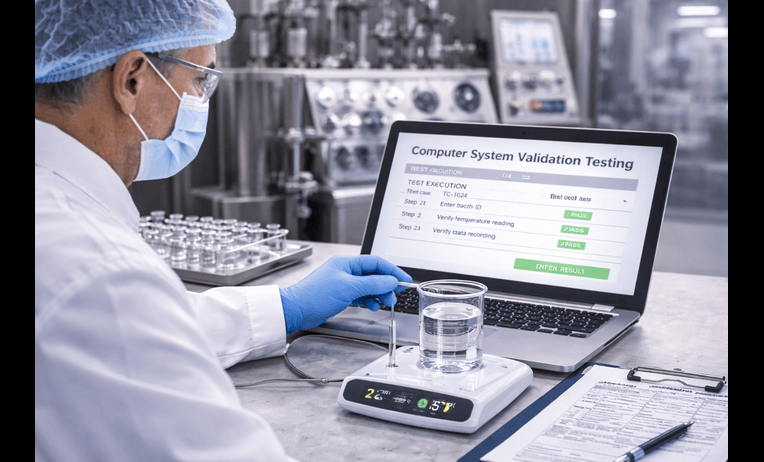
For decades, safety testing looked more like an accounting audit than a tech lab. This old method, known as Computerized System Validation (CSV), forced developers to spend countless hours generating mountains of paperwork. They tested their code in highly controlled environments using rigid, step-by-step scripts.
Regulators quickly realized these strict checklists were missing the unpredictable ways people actually use their phones. This realization sparked the new FDA Computer Software Assurance guidance, which champions problem-solving over documentation. When industry experts debate CSV vs CSA, they are simply comparing that old paperwork-heavy method to this modern, flexible approach.
By applying critical thinking in computerized system validation, developers can now test software the way real patients use it. They use “unscripted testing” to deliberately tap the wrong buttons, swipe wildly, and try to break the health app. Because everyday people don’t use technology perfectly, testers shouldn’t either.
Trying to crash a digital medical tool before it ever leaves the lab guarantees a much safer experience for you. This common-sense strategy ensures your digital doctor won’t freeze when you need it most. With the glitches ironed out, developers must then present their final safety evidence.
The “Receipt of Proof”: How Companies Prove Their Apps Are Safe
We are all used to our smartphone apps constantly updating overnight to add new features. However, when a medical tool updates, a simple glitch could accidentally delete your heart rate history or alter a dosage reminder. To protect your data integrity, regulators require developers to track every single change, moving away from old-school paperwork—known as computerized system validation (CSV)—toward continuous digital monitoring.
Think of an audit trail like the flight data recorder, or “black box,” for your health app. If a software update causes an error, regulators need a perfect history log showing exactly how the developers managed the code. To guarantee safety, these audit trails of computer systems include:
- Who changed the code
- When they did it
- What the change was
Keeping this digital logbook secure is crucial so that nobody can tamper with the safety evidence. The government enforces a strict rule ensuring these electronic records are just as trustworthy as a physically signed document. Achieving 21 CFR Part 11 compliance for SaaS (software accessed over the internet) simply means the company has proven that your digital health data is permanently locked, secure, and authentic.
By forcing developers to “show their work” through these unbreakable logs, regulators ensure digital tools remain safe long after you download them. This invisible safety net allows you to fully trust the modern medicine sitting right in your pocket.
From the Pharmacy to the Smartphone: The Future of Digital Prescriptions
When your doctor prescribes an app, that tool usually lives on the internet as cloud-based software. Proving this cloud software works perfectly requires specialized pharma validation software to test every digital interaction. To keep everything safe, developers follow a global rulebook known as the GAMP 5 second edition framework. Think of this framework as the ultimate gold-standard recipe, guaranteeing your digital medicine is built correctly before it ever reaches your phone.
How can you tell if a health app followed these strict safety recipes? You simply look for the government’s official stamp of approval. Use this quick checklist to verify if your tool is legally trusted:
- Open the app store description and search for the phrase “FDA Cleared.”
- Check the app’s settings menu for a regulatory or legal tab.
- Visit the developer’s website to find their official safety certificates.
- Ask your doctor if the app is a medical device or just a lifestyle tracker.
Releasing the app to the public is only the beginning of the safety journey. Just like car manufacturers issue recalls if a steering wheel fails on the road, regulators require software companies to actively hunt for bugs after the app goes live. This ongoing safety patrol, officially called digital health technology post-market surveillance, ensures that your app remains accurate even as your smartphone gets new software updates.
Spotting a glitch early prevents a minor tech hiccup from becoming a major medical mistake. Because developers are constantly monitoring their code, you can use these modern tools with complete peace of mind.
Your New Digital Safety Shield
By moving away from endless paperwork and using the FDA draft guidance for computer software assurance, regulators are bringing safety testing into the modern age. Reducing documentation burden in medtech simply means developers spend less time filling out forms and more time actually fixing bugs in your apps.
This new smart-testing approach ensures that the code running your heart monitor works exactly as promised. When companies follow these best practices for software validation in research settings, they test the software with real people in real-life scenarios before it reaches your smartphone. You can now feel confident that an “FDA Cleared” label means the code survived rigorous safety crash-tests.
While these rules make apps incredibly safe, you are still the first line of defense if something goes wrong. If your health app ever malfunctions, try three simple steps to stay safe. First, stop relying on the app for immediate medical decisions. Second, report the specific glitch directly to the developer. Finally, consult your actual doctor to confirm any strange readings.
As our pockets become filled with digital doctors, these updated safety rules offer lasting peace of mind. The FDA has essentially become a high-tech security guard for the apps on your phone. Every time you download a cleared medical app, you will know that its invisible code is thoroughly tested to protect your very real health.