Computer Software Assurance guidance for quality system
The smartphone used to order your groceries might now run code that monitors a heart condition. According to healthcare industry data, everyday apps are rapidly transforming our phones into pocket-sized clinics. Just like you wouldn’t trust a vehicle with untested brakes, we cannot rely on health algorithms without rigorous safety checks.
Recognizing this shift, regulators created a category called Software as a Medical Device (SaMD) for tools like smartwatch ECGs or insulin calculators. A bug in a mobile game is annoying, but ultimately harmless. Conversely, a glitch in medical code presents severe safety risks. That is exactly why FDA software validation exists: to provide documented proof that digital instructions work flawlessly every single time, protecting both your physical health and your personal data.
Navigating these digital safety nets reveals a surprisingly practical government approach. Modern oversight is shifting from one-time checks to continuous monitoring, ensuring your favorite health tech remains incredibly reliable.
The Digital Crash Test: What Software Validation Actually Means
When a car manufacturer releases a new vehicle, we expect it to survive a physical crash test. For medical software like an app calculating your insulin dose, that “crash test” happens in the digital world. While standard testing simply looks for everyday bugs, medical-grade apps require something stricter: proof of absolute consistency.
Computerized system technology in a medical setting is not just the underlying code; it is the entire package of software, the device running it, and the people using it. Ensuring these elements work together perfectly every single time is known by its industry term: Computerized System Validation (CSV).
This rigorous computer validation relies on three core steps to prove the technology is undeniably safe:
- Design: Clearly stating exactly what the software must do for the patient.
- Test: Pushing the system to its limits to ensure it handles errors safely.
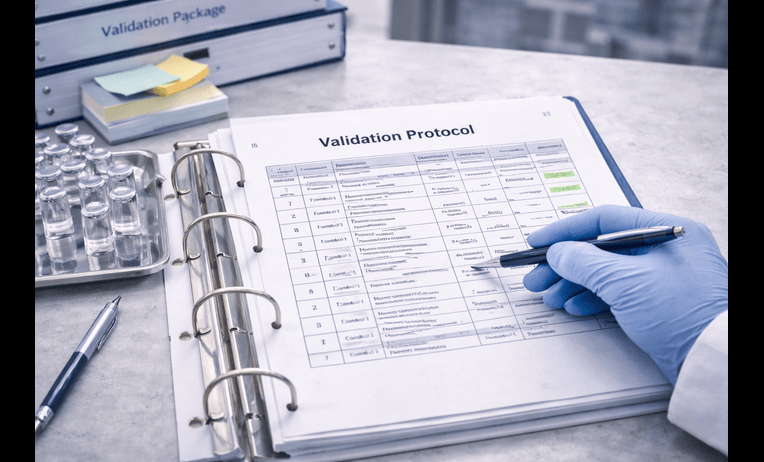
- Document: Creating a permanent record of proof that it works consistently.
Providing documented proof that an app will not fail when a patient needs it most builds vital trust. However, as technology evolves rapidly, regulators faced the challenge of keeping these rigorous checks from stalling innovation, leading to a smarter, streamlined approach.
Moving Beyond Paperwork: How Computer Software Assurance Simplifies Safety
Have you ever noticed how quickly consumer apps fix glitches, while updates for health tools traditionally take forever? Historically, this delay stemmed from a massive documentation burden. Engineers often spent more time capturing screenshots to prove they ran a test than they did actively testing the code for safety.
To fix this bottleneck, regulators introduced a modern approach shifting focus from paperwork to problem-solving. When comparing Computer Software Assurance (CSA) to traditional Computer Software Validation (CSV), the main difference is human intelligence. The old method required teams to mindlessly follow rigid checklists; however, the modern CSA mindset encourages testers to use their expertise to actively hunt down hidden flaws.
While it sounds counterintuitive, reducing paperwork actually makes digital health tools safer. By adopting FDA computer software assurance guidelines, companies free up their brightest engineers to apply critical thinking to the most dangerous parts of an app. Instead of logging every minor mouse click, they focus entirely on ensuring a medical device will not fail under pressure.
Trusting experts to prioritize actual testing allows life-saving technology to reach patients faster without sacrificing reliability. To determine exactly how much scrutiny a specific app requires, regulators rely on a tiered evaluation framework.
The Ladder of Concern: Why Not All Software Is Regulated the Same
If your phone’s step-counter app crashes, it is a mild annoyance. However, if the software controlling an insulin pump freezes, it is a life-threatening emergency. Because the consequences of a glitch vary so wildly, regulators use an “Impact Assessment” a straightforward evaluation of potential patient harm to determine how closely to inspect a product.
To manage these differences, officials rely on a conceptual Ladder of Concern. Under the modern Software as a Medical Device regulatory framework, the government applies risk-based testing strategies for FDA compliance. Simply put, the intensity of the safety testing must match the potential danger level:
- Low Risk (Bottom of the ladder): General wellness trackers and daily diet diaries receive a light check to ensure basic, reliable functionality.
- Medium Risk (Middle of the ladder): Tools that help diagnose minor conditions, like a smartphone app that analyzes cough sounds, require solid proof of clinical accuracy.
- High Risk (Top of the ladder): Programs directing robotic surgeons or pacemakers undergo microscopic, exhaustive inspection before ever reaching a patient.
Matching the level of scrutiny to the level of risk keeps users safe without delaying the release of helpful, everyday health tools. Once the software is proven to perform its medical job flawlessly, it must also be protected from outside interference through robust security measures.
Digital Fingerprints and Security: Your Data’s Safety Net
Basic passwords used for email or everyday apps offer minimal protection. Medical software requires a much stronger lock to prove exactly who accessed or changed a patient’s file. To ensure absolute accountability, the government requires FDA 21 CFR Part 11 digital signatures, which function just like an unbreakable, electronic version of signing a document in ink. This guarantees that if a doctor updates your prescription or a technician changes a heart monitor setting, the software permanently links that crucial action to their specific identity.
Beyond simply identifying who logged in, these programs must act like a continuous security camera for medical records. Standard audit trails of computer systems include a hidden, unchangeable timeline of every single click, modification, or deleted file. If someone accidentally alters a blood test result, this built-in tracker catches the error immediately, making sure the software’s integrity—and your personal health data—remains completely trustworthy.
Protecting this digital safety net from hackers is why validation testing goes far beyond making sure the buttons work. Meeting strict cybersecurity requirements for connected medical software means companies must build active defenses against evolving internet threats before the product reaches your phone. Because these threats change daily, protecting patient data is a continuous job.
Why Frequent App Updates Are a Good Sign for Your Safety
Frequent minor bug fixes are standard for everyday smartphone apps. In the past, medical software was treated differently like a physical device. Once it was tested and shipped, making improvements was a massive, slow ordeal. Today, developers use agile methodology in regulated life sciences environments. This flexible approach allows teams to build, test, and release small, continuous improvements rather than waiting years for one major launch.
Instead of relying on a single “crash test” before release, safety is maintained through iterative validation testing small software changes continuously as they are built. When companies combine this with post-market surveillance the FDA’s method of watching how a product performs after people start using it this modern strategy delivers four clear benefits:
- Catching digital glitches instantly before they can affect patient care.
- Adapting software quickly to block new, daily internet threats.
- Reducing documentation burden so developers can focus on safety testing.
- Ensuring health tools become safer and more reliable over time.
Frequent updates used to mean a product was broken, but today they prove a company is actively guarding user well-being through continuous monitoring.
Informed Confidence: Navigating the New Era of Digital Health
The transition to modern FDA software validation requirements is a significant win for patients. Moving from endless paperwork to a smart, risk-based approach lets creators focus on improving digital tools. This unlocks faster medical innovation without sacrificing the absolute safety expected from rigorous validation protocols.
Before trusting a new health app with medical decisions, check its description or the developer’s website for mentions of FDA clearance or compliance. Verifying these credentials builds confidence that the technology managing your well-being is genuinely reliable.
When a medical wearable prompts a sudden system update, view it as a carefully monitored enhancement keeping your data and health secure. Awareness of these evolving validation standards ensures you remain an empowered, protected consumer in the digital healthcare future.