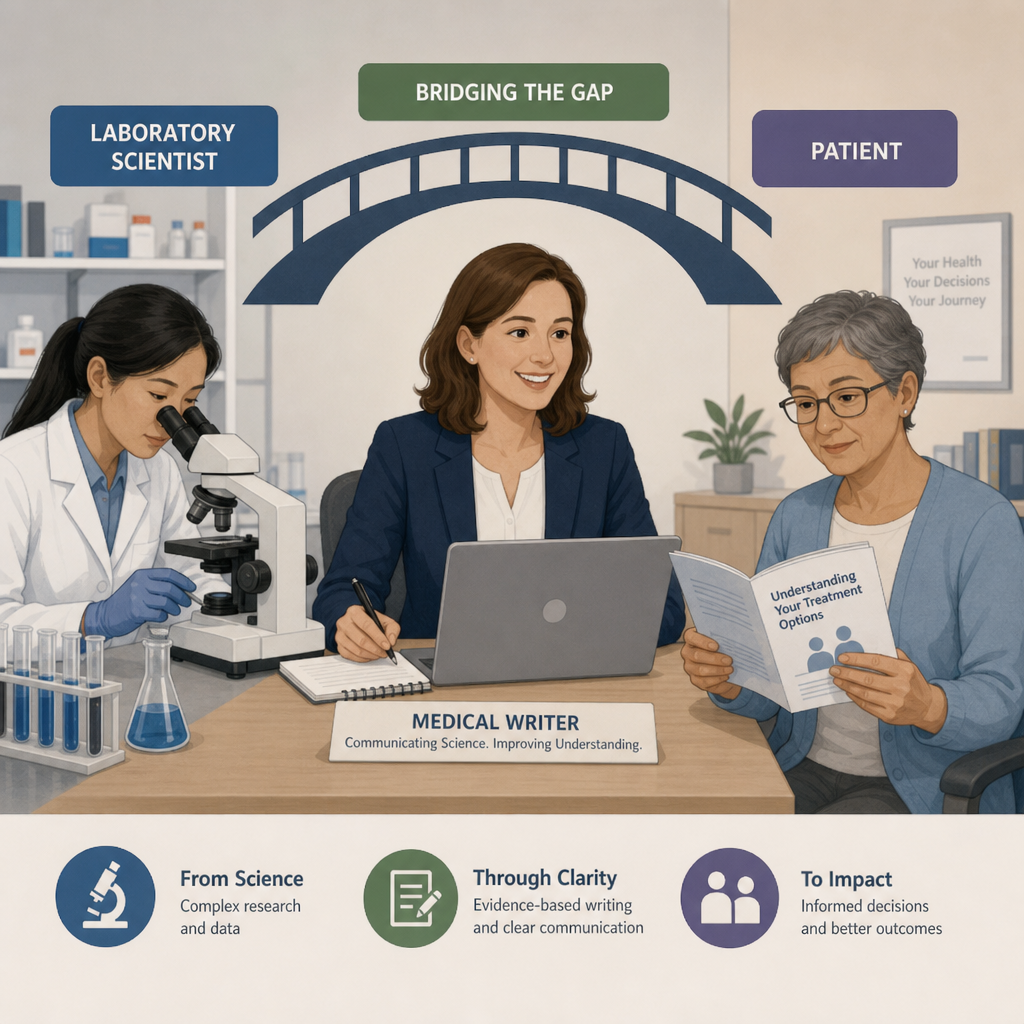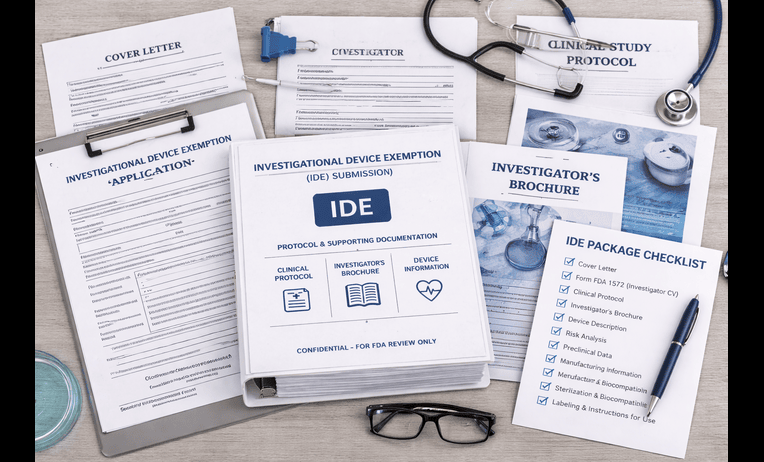
Biotechnology consulting is a vital force in today’s innovation landscape across technology in life sciences. It bridges the gap between scientific research and commercial success.
Consultants in this field offer expertise that accelerates the journey from lab to market. They guide companies through complex processes like technology transfer and regulatory compliance, including pharmaceutical technology transfer and technology transfer in pharmaceutical industry initiatives (often called pharma tech transfer, tech transfer in pharma, or even technical transfer pharmaceutical in some regions).
The life sciences sector is rapidly evolving, demanding constant adaptation. Technology consulting services help businesses stay ahead of these changes by interpreting technology trends in life sciences and translating them into practical roadmaps.
Medical technology companies rely on consultants to optimize product development and ensure compliance with industry standards. This support is crucial for maintaining competitive advantage, and often includes medical technology consultants delivering medical technology consulting services alongside medical device technology consulting led by a seasoned medical device technology consultant and broader medical technology advisory.
Understanding the role of technology consulting can unlock new opportunities for growth and innovation. It is a key driver in the advancement of medical and pharmaceutical technologies, and a common first step for selecting among biotechnology consulting companies.
Understanding Biotechnology Consulting: Scope and Impact
Biotechnology consulting encompasses a broad range of services. These services are crucial for bridging research and industry needs. They play an instrumental role in bringing biotechnology innovations to market.
Consultants provide specialized knowledge. This knowledge aids companies in navigating regulatory frameworks and understanding complex industry standards. Their input is vital for both emerging firms and established entities, particularly around biotechnology industry compliance where regulatory consultants technology and biotechnology CQV consultants support audits and validation.
A key aspect of biotechnology consulting is its focus on technology transfer. This involves moving innovative solutions from labs to commercial markets. Effective technology transfer can significantly accelerate the time-to-market for new products, whether framed as tech transfer biotech, pharmaceutical tech transfer, or broader technology transfer pharmaceutical industry programs that clarify what is tech transfer in pharma for stakeholders.
Consulting firms also offer strategic advice on product development and market entry. This is especially important in a competitive biotechnology landscape. By leveraging their expertise, businesses can better plan and implement growth strategies, often tapping healthcare technology and product development consultants, bioprocess technology and product development consultants, surgical technology and product development consultants, and in-vitro diagnostics technology and product development specialists.
The impact of biotechnology consulting is vast and multifaceted. It includes:
- Streamlining regulatory approvals
- Enhancing product development processes
- Improving operational efficiency
Biotechnology consulting thus drives innovation by linking scientific progress to market viability.
Key Services Offered by Biotechnology Consulting Firms
Biotechnology consulting firms provide a range of vital services. These services help bridge the gap between research and market application. The expertise offered can significantly enhance a company’s competitive edge.
One essential service is regulatory compliance support. Consultants guide firms through the complex maze of regulatory standards. This ensures products meet all necessary legal requirements before they reach the market.
Another critical service involves strategic planning. This includes assistance in business development and market entry strategies. Consultants help identify opportunities and potential hurdles to success, advise on medical technology company evaluation criteria, and shape medical technology marketing tactics.
Consulting firms also excel in technology transfer and commercialization. They provide valuable insights into moving products from the lab to the market efficiently. They often address top medical technology companies coverage reimbursement frameworks and payer expectations. Key services include:
- Regulatory compliance guidance
- Strategic business planning
- Technology transfer expertise
These services allow companies to streamline development and scale operations faster. This collaboration with consultants thus boosts both innovation and market readiness.
Consultants’ deep industry knowledge empowers biotechnology firms to innovate confidently. Their guidance ensures more effective product development and commercialization strategies.
by Campaign Creators (https://unsplash.com/@campaign_creators)
Technology Transfer: Bridging Research and Commercialization
Technology transfer is a cornerstone of innovation in biotech. It transforms scientific discoveries into marketable products. This critical process demands expertise and precision.
Successful technology transfer involves several key steps. Consultants play a pivotal role in this journey. They assist companies in navigating these complex processes effectively across the technology transfer pharmaceutical industry, including tech transfer pharma and related documentation.
- Identifying potential market applications
- Protecting intellectual property
- Facilitating partnerships with industry stakeholders
These steps ensure that innovations transition smoothly from research to commercialization. Without expert guidance, companies can struggle with regulatory hurdles and market entry challenges.
Collaboration with biotechnology consulting services enhances the efficiency of tech transfer. Consultants ensure that all scientific, technical, and commercial aspects align perfectly. This streamlines the path from discovery to market-ready products and can integrate bioprocess scale-up support.
Consultants also facilitate collaborations between academia and industry. These partnerships drive technological advancements and foster innovation. A seamless technology transfer process is essential for maintaining a competitive edge.
Efficient tech transfer leads to timely delivery of new products. This maximizes their potential impact on patients and consumers worldwide. It is clear that biotechnology consulting is indispensable in bridging the research-commercialization gap.
Medical Technology Consulting: Driving Product Development and Compliance
Medical technology consulting plays a crucial role in the lifecycle of products. Consultants guide companies in creating innovative solutions. They ensure these solutions meet industry standards and regulatory requirements.
Compliance is a complex landscape to navigate. Consultants provide expertise in regulatory processes. This reduces the risk of costly delays in product launches.
Product development is another area where consultants are indispensable. They offer strategic insights to streamline operations and enhance efficiency. This can significantly accelerate time-to-market for new technologies.
Consultants cover various critical areas, including:
- Regulatory strategy formulation
- Market entry planning
- Product lifecycle management
Medical technology consultants also offer a competitive advantage. By staying informed of technology trends, they help their clients stay ahead. This is vital in fast-evolving industries like life sciences and medical devices, where medical technology consulting services range from specialized boutique teams to larger networks, including organizations such as Medical Technology Associates LLC, Medical Technology Resources LLC, or AJW Technology Consulting GmbH.
Working with a medical technology consultant can be a game-changer for companies. They provide tailored solutions to meet specific needs, optimizing the product development cycle. Thus, consulting services are key drivers of both innovation and compliance, and often overlap with medical device technology consulting expertise.
Evaluation Criteria for Medical Technology Companies
Evaluating medical technology companies involves thorough analysis. This ensures they meet industry standards and are poised for success. Key criteria focus on innovation, compliance, and market readiness.
Clear medical technology company evaluation criteria help standardize comparisons across firms. Innovation assessment is crucial. Evaluators examine the company’s ability to develop cutting-edge technologies. They assess whether these innovations align with current technology trends.
Compliance is equally important. Companies must adhere to regulatory standards that vary across regions. Ensuring compliance mitigates risks associated with legal issues and aligns with coverage and reimbursement needs often captured in top medical technology companies coverage reimbursement frameworks.
Market readiness includes multiple factors:
- Regulatory approvals
- Production capabilities
- Strategic marketing plans
These elements determine a company’s potential for successful product launches.
Additionally, financial health and strategic partnerships are evaluated. Strong financials and partnerships signal stability and growth potential. This holistic evaluation approach aids in identifying promising companies. It provides insights that facilitate informed investment decisions.
Regulatory Navigation and Industry Compliance
Regulatory navigation is complex yet essential for biotech companies. Compliance ensures that products are both safe and effective. Navigating this landscape requires detailed knowledge of various regulations.
Industry compliance involves adhering to global standards. This can include FDA guidelines, EU regulations, and more. Each territory has its own regulatory body with unique standards and processes. In some markets, such as Vietnam, vietnam health technology assessment drug reimbursement regulation also affects access and pricing. For digital health innovations, keeping abreast of digital health technology FDA guidance is critical.
Consulting firms provide critical support to biotech companies. They offer expertise in:
- Regulatory submissions
- Audit preparations
- Compliance training
These services help companies maintain compliance and avoid costly penalties, often with support from biotechnology CQV consultants and specialized regulatory consultants technology teams.
Staying updated with regulatory changes is crucial. It ensures continued adherence to evolving standards. This proactive approach helps companies remain competitive and trusted in the market. Industry events like the ISPE biotechnology conference also help teams track updates. Proper navigation of these regulations not only protects companies but also ensures consumer safety.
Trends and Innovations in Life Sciences Technology
The life sciences sector is experiencing rapid technological advancements. Staying abreast of these trends is key for sustaining innovation. Emerging technologies are reshaping research, diagnostics, and treatment methodologies.
Recent trends involve cutting-edge developments in digital health, AI, and genomics. These innovations are driving more efficient healthcare delivery. They are also enabling personalized medicine approaches. Emerging technologies impact how healthcare solutions are developed and delivered, reinforcing technology trends in life sciences.
Key innovations shaping the life sciences include:
- AI-driven data analysis
- Precision medicine tools
- IoT-enabled medical devices
These innovations are rewriting life sciences’ future. They enhance precision, speed, and efficacy in medical processes. Using the latest technology helps organizations improve patient outcomes and streamline operations. Market watchers often look to lists of the best life sciences technology solutions providers in usa when benchmarking platforms, including CRO technology and CRO technology solutions, plus advances in clinical trial management technology.
Consulting firms play a vital role in identifying these trends. They guide companies in implementing the best life sciences technology solutions. Leveraging these insights enables companies to stay competitive and innovative in a rapidly evolving industry.
The Role of Consultants in Clinical Trials and Digital Health
Consultants are crucial in the realm of clinical trials. They optimize the management of trials, ensuring efficiency and compliance. Their expertise helps streamline trial processes and improve data accuracy.
Digital health is another area transforming the healthcare landscape. It involves integrating technology with healthcare services. From telehealth to wearable devices, digital innovations are enhancing patient care and monitoring.
Key roles of consultants in these areas include:
- Advising on clinical trial technology solutions
- Helping navigate digital health technology FDA regulations
- Guiding the integration of eCOA technology
- Recommending clinical trial management technology and CRO technology solutions
- Selecting the best decentralized clinical trial technology platforms and the best trial site management technology
These experts ensure that companies leverage digital tools effectively. By doing so, they help improve patient engagement and outcomes. They also ensure regulatory compliance, paving the way for successful healthcare innovations.
Choosing the Right Biotechnology Consulting Partner
Selecting the right consulting partner is essential for any biotechnology firm. A good consultant offers deep industry knowledge and experience. They provide strategic guidance tailored to the specific needs of the client.
When choosing a consultant, consider their track record and expertise areas. Look for a firm that demonstrates thought leadership and offers comprehensive biotechnology consulting services. Evaluate their approach to problem-solving and their ability to adapt to new trends, including tech transfer biotech capabilities and payer strategy integration.
Key factors to consider include:
- Experience in technology transfer and product development
- Proven success with regulatory navigation and compliance
- A strong network within the life sciences industry
Shortlists often include established biotechnology consulting companies and boutique specialists with medical device technology consultant skill sets, depending on scope and stage. Choosing wisely ensures your company benefits from expert guidance and achieves its innovation goals.
Conclusion: The Future of Innovation with Biotechnology Consulting
Biotechnology consulting is a vital driver of innovation in the life sciences sector. As the industry evolves, these services will continue to grow in importance. They provide the expertise needed to navigate complex challenges and seize new opportunities.
Consultants not only facilitate technology transfer but also ensure compliance and enhance product development. By bridging the gap between research and market, they enable companies to achieve their commercial goals efficiently.
The future of biotechnology consulting is bright, with its potential to revolutionize healthcare and technology. As new technologies emerge, consultants will be at the forefront, guiding firms toward innovative solutions and sustainable growth through disciplined pharma tech transfer programs and cross-functional commercialization support.
Q&A
Question: What is biotechnology consulting, and why is it important for innovation?
Short answer: Biotechnology consulting bridges the gap between scientific research and commercial success. Consultants accelerate the journey from lab to market by guiding technology transfer, navigating regulatory compliance, translating life sciences technology trends into actionable roadmaps, and strengthening product development and operations. The result is streamlined approvals, faster time-to-market, and improved competitiveness across biotechnology, medical technology, and pharmaceutical sectors.
Question: How does technology transfer work, and what do consultants do to make it successful?
Short answer: Technology transfer moves innovations from labs into commercial products. Consultants enable this by identifying market applications, protecting intellectual property, facilitating partnerships (including academia–industry collaborations), aligning documentation and regulatory requirements across the pharmaceutical technology transfer landscape (e.g., tech transfer in pharma), and supporting bioprocess scale-up. Their orchestration reduces hurdles, speeds commercialization, and maximizes impact on patients and consumers.
Question: What core services do biotechnology consulting firms provide?
Short answer: Core offerings include regulatory compliance guidance (standards, submissions), strategic business planning (business development, market entry, marketing tactics), and technology transfer/commercialization expertise. Many firms also help shape payer and coverage strategies, advise on medical technology company evaluation criteria, and support product lifecycle management. Collectively, these services boost innovation, market readiness, and operational efficiency.
Question: How do consultants help companies navigate regulations and maintain industry compliance?
Short answer: Consultants bring deep knowledge of regional and global requirements (e.g., FDA, EU) and emerging guidance (such as digital health technology FDA considerations). They support regulatory submissions, audit preparations, and compliance training, often with specialized CQV and regulatory technology consultants. By staying current with evolving standards and industry updates, they help firms avoid penalties, safeguard patients, and remain competitive.
Question: How do consultants support clinical trials and digital health initiatives?
Short answer: Consultants optimize clinical trial operations and technology choices by advising on clinical trial management solutions, CRO technology, eCOA integration, and decentralized trial platforms. In digital health, they help teams navigate FDA guidance and implement tools like telehealth and wearables. This improves data quality, patient engagement, regulatory alignment, and overall trial efficiency.