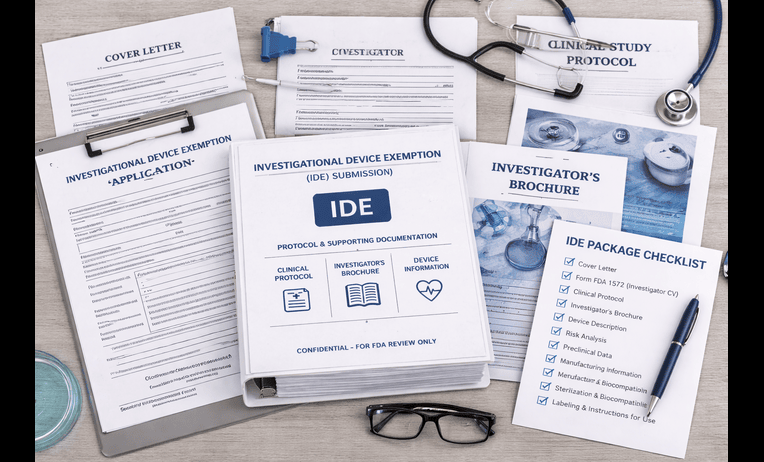

Have you ever wondered how groundbreaking new medications, innovative medical devices, or life-saving therapies make their way to the public? The answer lies in clinical trials, a vital step in medical advancement that relies heavily on everyday volunteers. Whether you are seeking cutting-edge therapies for an existing condition, or you simply want to advance medical science while earning extra income, participating in these studies is a rewarding endeavor.
However, getting started often begins with a simple online query: looking up clinical research companies near me. While finding a local facility might seem daunting, understanding the landscape of medical research can streamline your search and help you find the perfect opportunity.
What Are Clinical Research Companies?
When you begin searching for clinical trial companies near me, you will quickly encounter a variety of medical and scientific facilities. The most prominent players in this space are Contract Research Organizations (CROs). A contract research organization near me is essentially a company hired by pharmaceutical, biotechnology, or medical device industries to conduct clinical trials on their behalf.
Because pharmaceutical giants cannot possibly manage local patient trials in every city, they outsource this task. Therefore, doing a targeted cro company search is one of the most effective ways to find active trials in your local community. If you are typing “cro’s near me” or “cros near me” into a search engine, you are looking for these exact specialized facilities that handle patient recruitment, data collection, and medical monitoring.
The Medical Research Ecosystem
Beyond traditional CROs, your search might uncover other types of scientific facilities. For example, bioengineering companies near me may be conducting trials for new medical hardware, like advanced prosthetics or wearable health monitors. Similarly, looking for biotechs near me or a local biotech lab near me can lead you to organizations developing targeted genetic therapies or novel vaccines that are moving into the human testing phase.
Understanding Facility Types: CRO vs Hospital Based Research
As you compile a list of clinical research organizations near me, you will likely notice that trials are hosted in two primary environments: private clinics run by CROs, and major academic hospitals.
Understanding the difference between CRO vs hospital based research is crucial for setting your expectations.
- Hospital-Based Research: Often tied to large universities or medical schools, these trials frequently focus on complex, acute conditions (like oncology or severe cardiology). They usually treat patients who are already receiving care within their healthcare system.
- CRO-Based Research: A dedicated clinical research organization near me (or a private CRO) tends to focus on outpatient studies. These might include trials for asthma inhalers, allergy medications, or dermatology creams. They are typically highly streamlined, offering flexible hours, comfortable waiting areas, and a focus on participant convenience.
How to Find Local Clinical Trials
If you are wondering how to find local clinical trials, you don’t need to be a medical insider. A strategic approach can yield dozens of opportunities right in your backyard.
- Use National Registries: Websites like ClinicalTrials.gov allow you to search by zip code, condition, and trial status.
- Search Engine Queries: Regularly searching for “clinical research companies near me” on Google Maps will show you physical clinics in your area. You can check their individual websites for active study enrollment pages.
- Patient Advocacy Groups: For those focusing on finding experimental treatments for rare diseases, patient advocacy groups and specialized medical charities are phenomenal resources. They actively track which contract research organizations near me are conducting highly specific, specialized studies.
- Ask Your Specialist: Your primary care doctor or specialist often receives updates from a cro near me regarding studies that might benefit their current patient roster.
Why Participate? Benefits and Compensation
Participating in medical research studies is a highly personal decision, driven by a variety of compelling motivations. Understanding the benefits of joining a clinical trial can help you decide if it is the right path for you.
For patients with chronic or rare conditions, the primary benefit is access to promising new treatments long before they are available to the general public. You also receive incredibly thorough, specialized medical care and monitoring from top-tier physicians at no cost to you or your insurance.
However, you don’t need to be sick to participate. There is a massive demand for healthy individuals to help researchers establish baselines for new drugs. Finding paid clinical studies for healthy volunteers is a great way to earn supplemental income. Compensation varies wildly depending on the study’s length and requirements, but it can range from a few hundred to several thousand dollars. Furthermore, almost all reputable facilities offer travel reimbursement for study participants to ensure that getting to and from the clinic doesn’t cause a financial burden.
The Science of Studies: Clinical Trial Phases Explained
Before you volunteer, it helps to have clinical trial phases explained to you, as the phase dictates the study’s risks, requirements, and goals.
- Phase 1: This is the first time an experimental drug is tested in humans. It involves a small group of healthy volunteers. The primary goal here is simply to evaluate safety and determine a safe dosage range.
- Phase 2: The treatment is given to a larger group of people who actually have the condition the drug intends to treat. This phase tests efficacy—does it actually work?—while continuing to monitor safety.
- Phase 3: This involves hundreds or thousands of participants across multiple clinics. It compares the new treatment to the current standard of care to confirm its effectiveness, monitor side effects, and collect information that will allow the drug to be used safely.
- Phase 4: Conducted after the treatment has been approved by the FDA and is on the market. These studies gather ongoing information on the drug’s long-term risks, benefits, and optimal use.
Depending on the phase, patient eligibility for medical studies will vary strictly. Strict inclusion and exclusion criteria (based on age, gender, medical history, and current medications) ensure the data collected is accurate and that participants are kept out of harm’s way.
Safety First: Protocols and Patient Rights
It is entirely normal to have concerns about safety when testing new medical therapies. Fortunately, modern clinical research is one of the most heavily regulated industries in the world.
At the core of these regulations is the IRB. But what is an institutional review board (IRB)? An IRB is an independent committee made up of physicians, statisticians, and community advocates. Their sole purpose is to review clinical trial protocols to ensure the study is ethical and that the rights and welfare of the participants are protected. No trial can legally begin without IRB approval.
Additionally, strict safety protocols in human research are enforced at every level. The most critical of these is your right to information, which brings us to understanding informed consent process.
Informed consent is not just a document you sign; it is an ongoing conversation. Before you agree to anything, the research team must explain the study’s purpose, the duration, all required procedures, and every known risk or potential side effect. You have the right to ask as many questions as you need, take the document home to discuss with your family, and, most importantly, you have the absolute right to leave the study at any time, for any reason, without penalty.
How to Vet Local Research Facilities
Even with strict regulations, you should know how to vet local research facilities before joining a study.
- Check Credentials: Ensure the clinic’s principal investigators (the lead doctors) are board-certified.
- Read Reviews: Look up the clinic online. Participant reviews can tell you a lot about the facility’s cleanliness, staff friendliness, and punctuality.
- Ask About the IRB: Ask the clinic staff who their IRB is and if you can see the approval documentation for the study you are interested in.
What to Expect During Your Participation
Once you have passed the initial phone screening and found a trial that fits your profile, it is time for your first clinic visit. Knowing what to expect during a medical study visit can alleviate any pre-appointment anxiety.
Your first visit is typically a “screening visit.” You won’t receive the experimental treatment on day one. Instead, you will go through the informed consent process. Once you sign the document, you will undergo a comprehensive health check to confirm your eligibility. This usually involves taking your vital signs, an electrocardiogram (ECG), blood and urine tests, and a detailed review of your medical history.
Throughout this process, you will work closely with specific staff members. The role of clinical research coordinators is to act as your primary point of contact. They are the backbone of the clinical trial. The coordinator will schedule your visits, draw your blood, administer questionnaires, answer your late-night questions, and ensure you receive your compensation promptly. They are dedicated to making your experience as comfortable and seamless as possible.
Conclusion
The path to medical breakthroughs is paved by the willingness of everyday people to step forward and participate in science. Whether your goal is finding early access to a groundbreaking therapy, or simply earning extra money through healthy volunteer studies, navigating the research landscape doesn’t have to be complex.
By familiarizing yourself with how CROs operate, utilizing smart search strategies, and understanding your rights as a patient, you can take control of your health journey. The next time you search for local clinical research opportunities, you will be fully equipped to find a reputable facility, ask the right questions, and make a profound contribution to the future of global healthcare.