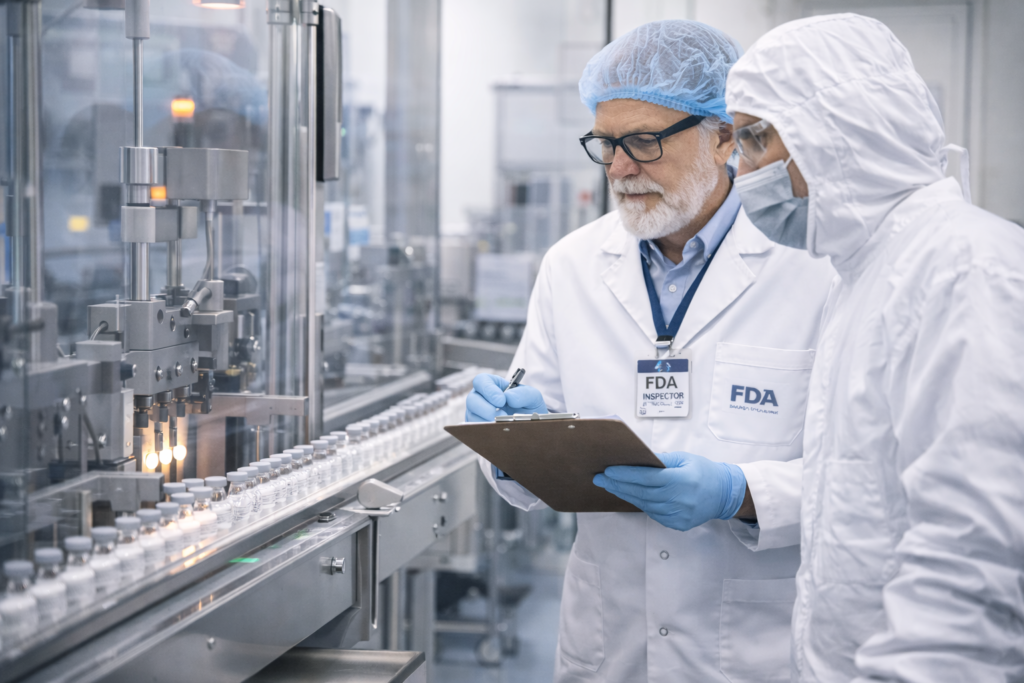
Pre-approval inspections are a crucial step in the regulatory process. A pre-approval inspection (PAI) helps ensure that products meet FDA standards before reaching the market and supports inspection readiness. These regulatory inspections focus on manufacturing processes and quality systems.
Understanding the benefits of pre-approval inspections can help companies prepare effectively and strengthen US FDA compliance. It reduces the risk of compliance issues later. This proactive approach, often framed as PAI readiness, can save time and resources.
The FDA conducts these inspections to verify data and ensure product safety. They are part of the broader regulatory oversight to protect public health (for what is the FDA responsible, and what does the FDA regulate?). Companies must be ready for these inspections.
Preparation involves maintaining robust quality management systems and building quality management system inspection readiness. It also includes having all necessary documentation in place, mapped to a US FDA inspection checklist or FDA checklist for inspection where appropriate. Engaging in FDA regulatory consulting and related FDA consulting services—often delivered by experienced US FDA regulatory consultants—can provide valuable guidance.
This article will explore the importance of pre-approval inspections and the PAI inspection process. It will offer insights into best practices and preparation strategies. Understanding these elements is key to successful market entry.
What Is a Pre-Approval Inspection?
A pre-approval inspection is a detailed evaluation conducted by the FDA. It assesses a company’s production and quality systems before a product is approved. This process ensures compliance with regulatory standards and may be referenced as a pre approval inspection in some documentation. For device makers, it can intersect with a medical device inspection as part of overall compliance.
The primary goal is to verify the accuracy of the information provided in the regulatory submissions. This includes examining manufacturing sites and testing facilities. The inspection identifies any discrepancies or issues.
Key elements scrutinized during a pre-approval inspection include:
- Quality management systems
- Production processes
- Data integrity
- Record-keeping practices
These inspections are particularly important for medical devices and pharmaceuticals—two heavily FDA regulated industries. The complexity of these products requires a thorough review process. Ensuring product safety and efficacy is paramount.
Companies should be prepared for this critical step in the FDA approval process. Comprehensive documentation and well-maintained systems are essential. Preparation can minimize surprises and streamline the path to market.
Understanding what a pre-approval inspection involves helps businesses align with FDA expectations. This alignment plays a crucial role in achieving successful regulatory approval in line with FDA regulation and FDA standards.
Why Are Pre-Approval Inspections Important?
Pre-approval inspections are vital for ensuring that products meet the necessary FDA standards before hitting the market. They serve as a protective measure that underscores the commitment to public health and consumer safety. By identifying potential compliance issues early, companies can address them before they become larger problems and reduce the likelihood of future FDA audits.
These inspections play a crucial role in verifying that the information submitted in regulatory applications is accurate and reliable. This includes confirming that manufacturing processes are robust and quality systems are effective. Such diligence helps prevent future issues and supports the integrity of the regulatory framework.
The importance of pre-approval inspections extends beyond compliance. They help build trust between manufacturers and regulators. Additionally, they reassure consumers about the safety and efficacy of new products. Key reasons for their importance include:
- Reducing post-market risks
- Ensuring product quality
- Aligning with regulatory standards
Ultimately, pre-approval inspections facilitate a smooth transition from development to market entry, paving the way for successful product launches.
The FDA’s Role and What Is Regulated
The FDA plays a pivotal role in safeguarding public health by regulating a wide array of industries. These include pharmaceuticals, medical devices, food, cosmetics, and more. The agency’s responsibility is to ensure that products are safe, effective, and manufactured according to stringent standards.
Pre-approval inspections are one of the many tools the FDA uses to enforce its regulations. Through these inspections, the agency verifies compliance with laws and guidelines. They also check that manufacturing facilities adhere to quality standards. This oversight protects consumers and reinforces trust in marketed products.
A broad scope of industries falls under FDA regulation. A few key areas include:
- Pharmaceuticals and biologics
- Medical devices
- Foods and dietary supplements
- Veterinary products
- Cosmetics
When teams ask what is regulated by the FDA or what industries are regulated, the list is extensive. Effective regulation is central to the FDA’s mission. By regulating diverse sectors, the agency supports innovation while ensuring public health. Companies involved in these industries must be proactive in understanding and complying with the FDA’s requirements to succeed in the market.
Key Elements of a Pre-Approval Inspection
Pre-approval inspections are essential for evaluating a company’s ability to produce safe and effective products. They provide a detailed assessment of compliance with regulatory standards before a product reaches the market. These inspections focus on several critical areas to ensure thorough scrutiny. FDA often applies a systems-based approach (e.g., FDA QSIT) to guide this review, and using an FDA audit checklist can help companies stay organized.
First, manufacturing processes are closely examined. Inspectors assess whether these processes align with the submitted application and comply with established protocols. This step ensures that products are consistently manufactured to high-quality standards.
Second, the inspection evaluates the quality management system in place. A robust quality management system is vital for continual compliance and product excellence. Inspectors look for evidence that the system supports the manufacture of safe products.
Key elements assessed during a pre-approval inspection include:
- Manufacturing processes and controls
- Documentation and record-keeping
- Quality management systems
- Personnel training and qualifications
- Facility and equipment maintenance
Beyond these, inspectors also verify the accuracy of data submitted in regulatory applications. This verification helps to confirm the product’s safety and efficacy claims.
Understanding and preparing for these elements can significantly impact a company’s readiness. This preparation is crucial in meeting FDA standards and achieving timely product approval.
Inspection Readiness: Best Practices and Tools
Achieving inspection readiness is crucial for successful pre-approval inspections. It requires both strategic planning and operational efficiency. Companies should focus on inspection readiness best practices to ensure they meet regulatory expectations.
Firstly, maintaining thorough and organized documentation is vital. Proper documentation demonstrates compliance with FDA standards. It also supports product safety and efficacy claims.
Regular training for staff is another key element. Personnel should understand their roles and be familiar with inspection procedures. This knowledge prepares them to address inspector inquiries effectively.
Best Practices for Inspection Readiness
- Maintain comprehensive documentation for all processes.
- Regularly train employees on compliance requirements.
- Conduct frequent internal audits to identify and resolve issues.
- Foster a culture of transparency and accountability.
Utilizing the right tools can enhance inspection readiness efforts. Software solutions for document management can streamline organization and retrieval. These tools simplify the compliance verification process and ensure easy access to necessary records.
Recommended Tools for Preparation
- Document management software
- Quality management systems
- Employee training platforms
- Internal audit checklists
Supplement these with a US FDA inspection checklist, FDA audit checklist, and even a pharmacy audit checklist where relevant. Organizations conducting complex commissioning can also benefit from best practices for conducting inspections with commissioning checklists. Additionally, companies should conduct mock inspections. Simulating real inspections helps identify potential weaknesses and areas for improvement. This proactive approach can significantly enhance readiness and reduce inspection anxiety.
By implementing these best practices and tools, companies can improve their readiness for pre-approval inspections. This preparedness not only leads to smoother inspections but also helps in building trust with regulators.
How to Prepare for a Pre-Approval Inspection
Preparation is key to successful pre-approval inspections. Companies must ensure all systems are compliant and ready for review. This process involves detailed planning and execution strategies.
Begin by assessing current processes and systems. Identify any areas that require improvement or updating. A thorough assessment helps recognize gaps in compliance before the FDA inspection.
Next, establish a comprehensive inspection readiness plan. This plan should outline every step needed to ensure compliance. It should also cover roles and responsibilities of all team members involved.
Steps to Prepare
- Conduct a detailed self-assessment to find weaknesses.
- Develop an action plan to address identified gaps.
- Define team roles for inspection day to streamline operations.
Frequent internal audits can aid in preparation. These audits simulate real inspections, providing valuable insights. They also help in identifying potential obstacles and addressing them timely.
Internal Audit Checklist
- Verify documentation accuracy.
- Ensure consistent application of all processes.
- Test staff readiness with role-playing exercises.
Moreover, engaging with FDA regulatory consultants can be beneficial. They offer expert guidance and can assist with strategic planning. Their experience can significantly enhance a company’s readiness for inspections. Whether the notice references a USFDA inspection or uses PAI terminology, the preparation principles remain the same, and strengthening PAI readiness is a smart investment.
By following these preparation steps and utilizing available resources, companies can be well-equipped for pre-approval inspections. This preparedness is crucial for achieving timely FDA approval and market entry.
The Role of FDA Regulatory Consulting and Consulting Services
FDA regulatory consulting plays a pivotal role in the pre-approval process. These services offer essential support for companies navigating complex regulatory landscapes. Consultants provide expertise that can streamline approval processes and enhance compliance efforts.
Engaging with FDA consulting services brings numerous advantages. They help interpret regulatory guidelines, ensuring companies meet all FDA standards. Consultants also assist in preparing and reviewing documentation required for inspections.
Benefits of FDA Regulatory Consulting
- Expert advice on regulatory submissions and documentation
- Guidance on navigating complex FDA regulations
- Assistance with developing inspection readiness strategies
Specialized providers include FDA regulatory consulting firms and FDA compliance consultants, as well as niche experts such as a medical device FDA consultant, an FDA 510k consultant, an FDA NDA consultant, or an FDA approval consultant. Many FDA consulting firms specialized in medical devices advertise expertise for questions like which consulting service is best for FDA med device approval, or rankings such as best FDA regulatory consulting for medical devices and best FDA regulatory consulting for medical devices 2025. In research-heavy programs, sponsors may seek the best-rated FDA consultancy for medical device research or advice on nuanced topics like medical magnesium FDA Breakthrough Device designation.
By utilizing these expert consulting services, companies can mitigate risks and improve their chances of a successful pre-approval inspection. This proactive approach supports quicker product approvals and market entry. Ultimately, partnering with FDA regulatory consultants can be a strategic investment for any company seeking strong FDA regulatory compliance consulting.
Common Challenges and How to Overcome Them
Navigating pre-approval inspections can present several challenges. Companies often struggle with inadequate documentation or inconsistent quality management systems. These issues can delay the approval process and increase costs.
To overcome these challenges, companies need to be proactive and thorough. Regular internal audits can identify weaknesses before an FDA inspection. These audits help ensure that all processes align with regulatory expectations and broader US FDA compliance goals.
Strategies to Address Common Challenges
- Conduct regular internal audits to identify gaps
- Ensure thorough documentation of all processes and procedures
- Maintain consistent training programs for staff involved in inspections
Another common challenge is understanding evolving regulatory standards. Keeping abreast of the latest FDA updates is essential. This helps companies adjust their practices to meet current compliance requirements, preventing unexpected setbacks during inspections.
Benefits of Successful Pre-Approval Inspections
Achieving success in pre-approval inspections offers numerous advantages. Companies can ensure their products are safe and effective for consumers. This fosters trust with both regulators and the market.
A successful inspection can also expedite the product’s path to market. This can reduce delays and associated costs. Moreover, passing the inspection bolsters a company’s reputation for quality and compliance.
Key Benefits Include
- Faster market entry for new products
- Strengthened relationships with regulatory bodies
- Enhanced brand credibility and consumer trust
Ultimately, pre-approval inspections serve as an integral component in verifying compliance. They confirm that a product meets stringent safety standards, reinforcing commitment to public health.
Conclusion: Building a Culture of Compliance and Readiness
Fostering a strong compliance culture ensures continuous alignment with FDA standards. It requires dedication to inspection readiness and quality improvement.
By prioritizing these elements, companies can consistently achieve successful pre-approval inspections. This proactive approach safeguards market reputation and enhances product reliability. Emphasizing compliance not only satisfies regulatory demands but also champions consumer safety.