8 Steps for Selecting Performing Life Sciences Consulting
In practice, selecting the right life sciences consulting firm becomes increasingly important when project timelines tighten, audits approach, or operational scale-up introduces additional risk. Organizations often reach this stage when internal resources become constrained or when regulatory expectations begin to outpace execution capacity.
However, not all consulting support delivers equal value. Companies need a structured approach to evaluate consulting partners capable of supporting quality systems, regulatory strategy, clinical execution, and operational readiness without creating unnecessary complexity.
Importantly, effective consulting support extends beyond recommendations and advisory discussions. Strong consulting partners actively contribute to execution. The right partner can significantly reduce compliance risk, strengthen inspection readiness, and support smoother transitions from development through commercialization.
Quick Answer
A high-performing life sciences consulting partner provides senior-led, execution-focused support across quality, regulatory, clinical, validation, and operational functions aligned with your company’s stage, risk profile, and business timelines.
What Effective Consulting Support Typically Includes
- Cross-functional expertise across quality, regulatory, clinical, and manufacturing operations
- Hands-on execution aligned with FDA 21 CFR Part 11, EU Annex 11, and ICH Q10
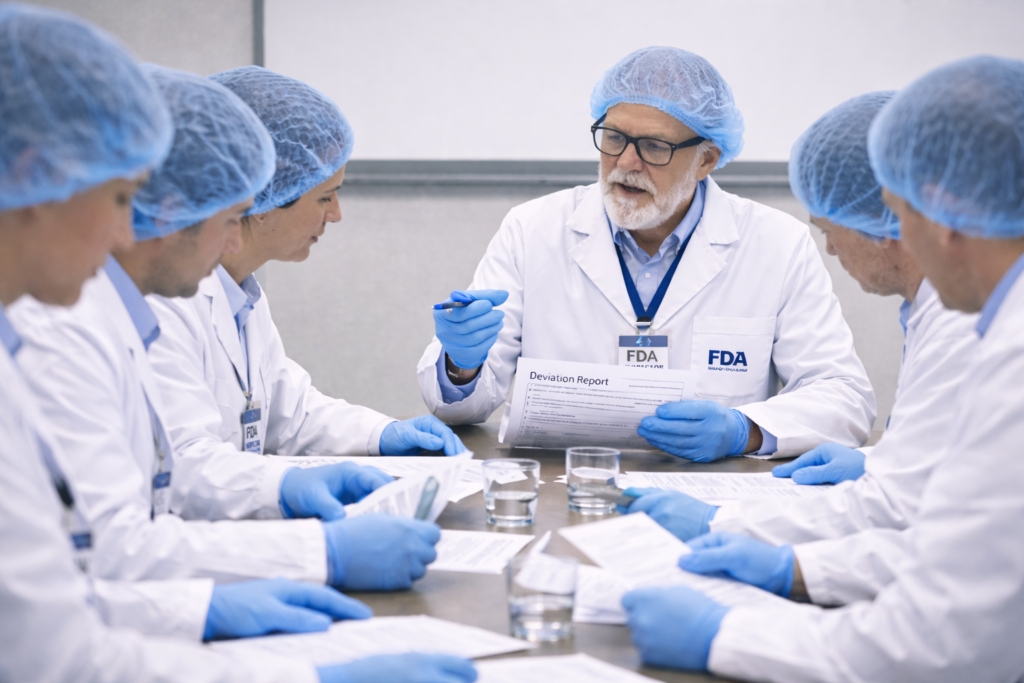
- Inspection readiness planning including mock audits and remediation programs
- Data integrity frameworks aligned with ALCOA+ principles
- Scalable QMS design aligned with ISO 13485 and GAMP 5
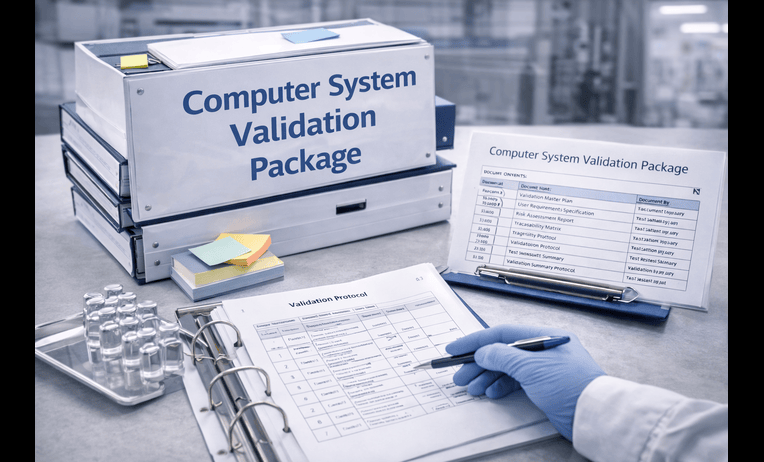
- Practical validation and CSV strategies supported by inspection-ready documentation
- Supplier oversight and CDMO governance frameworks
- Flexible engagement models tailored to project phase and operational priorities
When Companies Typically Seek External Consulting Support
- Preparing for FDA or EMA inspections
- Scaling from clinical-stage operations to commercial manufacturing
- Addressing CAPA findings, deviations, or warning letter responses
- Implementing or remediating electronic QMS or Part 11 systems
- Supporting regulatory submissions such as IND, NDA, or BLA
- Managing vendor qualification and supplier oversight gaps
What Strong Consulting Support Looks Like
Effective consulting integrates strategic planning with operational execution. While organizations often begin by seeking high-level guidance, they quickly require hands-on support to meet aggressive timelines and evolving regulatory expectations.
A capable consulting partner operates across multiple functional areas simultaneously. Quality system design should align with ICH Q10 principles, while risk management activities follow ICH Q9 frameworks. Data integrity programs must reflect FDA expectations and ALCOA+ standards.
Importantly, regulatory strategy cannot function independently. It connects directly to CMC readiness, validation planning, supplier oversight, manufacturing scalability, and clinical execution. Therefore, consulting teams must understand cross-functional interdependencies throughout the product lifecycle.
Operational support also extends beyond documentation development. Strong consulting firms provide training, implementation guidance, remediation support, and audit preparation aligned with global regulatory expectations.
Typical Scope and Deliverables
Consulting engagement scope varies based on organizational maturity, product complexity, and regulatory exposure. Early-stage companies often prioritize regulatory pathway planning and foundational QMS implementation, while later-stage organizations focus on inspection readiness, remediation, and operational optimization.
Common deliverables include:
- QMS design or remediation aligned with ISO 13485
- Validation master plans and CSV documentation aligned with GAMP 5
- Regulatory strategy and submission support for IND, NDA, or BLA programs
- CAPA frameworks and deviation management processes
- Supplier qualification and CDMO oversight models
- Clinical operations and data management support
- SOP development and procedural harmonization
- Audit readiness preparation and training materials
Organizations also frequently require structured documentation packages including SOPs, validation protocols, audit reports, risk assessments, and regulatory submission support.
Realistic Timelines and Dependencies
Project timelines depend heavily on organizational maturity, system readiness, documentation quality, and resource availability. Early alignment on inputs and ownership is critical for efficient execution.
- QMS implementation may require several months when developed from the ground up
- Remediation initiatives often extend longer when addressing significant data integrity gaps or unresolved audit findings
Inspection readiness programs generally progress through three structured phases:
- Gap assessment
- Remediation and implementation
- Mock audits and readiness validation
Key project dependencies typically include documentation availability, subject matter expert access, system maturity, and internal decision-making speed. Delays frequently occur when ownership remains unclear or documentation is incomplete.
Common Mistakes When Selecting a Consulting Partner
A common mistake organizations make is selecting consulting firms primarily based on brand recognition rather than operational execution capability. Advisory-only engagement models often struggle when organizations require rapid implementation support.
Additional challenges frequently include:
- Limited involvement from senior consultants
- Rigid engagement models lacking scalability
- Gaps in cross-functional expertise
- Misalignment in communication style and project governance
- Insufficient inspection readiness experience
In practice, these issues often result in delays, rework, compliance gaps, and unclear accountability.
How BioBoston Consulting Delivers in Practice
BioBoston Consulting begins with a structured discovery phase that evaluates existing documentation, operational systems, regulatory exposure, and key risk areas.
Following the assessment phase, a tailored execution strategy is developed to align regulatory requirements with operational realities and project timelines.
Senior-led consulting teams then support implementation activities including:
- SOP development and quality documentation
- Validation strategy development and execution
- Audit preparation and mock inspections
- Regulatory strategy and submission support
- CAPA remediation and data integrity improvements
Defined communication checkpoints help maintain transparency, visibility, and accountability throughout the engagement lifecycle.
Checklist for Selecting the Right Consulting Partner
- Does the consulting firm provide both strategic guidance and execution support?
- Are senior experts actively involved in project delivery?
- Do they demonstrate experience with FDA, EMA, and global regulatory standards?
- Can they support quality, regulatory, clinical, validation, and operational functions?
- Do they offer flexible and scalable engagement models?
- Are deliverables practical, realistic, and inspection-ready?
- Can they align with your internal structure and project timelines?
- Can support scale as operational needs evolve?
Case Study
A mid-sized biotechnology company engaged consulting support ahead of a pre-approval FDA inspection. Although a QMS framework was already in place, it lacked alignment with FDA data integrity expectations and inspection readiness standards.
Documentation inconsistencies and incomplete validation records created significant regulatory exposure.
The consulting team conducted a structured gap assessment aligned with FDA guidance and ALCOA+ principles. This was followed by targeted remediation activities including SOP updates, validation documentation improvements, and mock inspection exercises.
As a result, the organization entered the inspection process with stronger documentation, improved operational controls, and clearer internal ownership of compliance activities.
Next Steps
Request a 20-Minute Introductory Discussion
- Review current operational risks and regulatory priorities
- Identify immediate gaps across quality, validation, regulatory, or operations
- Outline a practical support strategy aligned with project timelines
Request a Rapid Scoping Estimate
Prepare a brief overview including:
- Current company stage and product type
- Key challenges or upcoming regulatory milestones
- Available systems, documentation, and internal resources
Frequently Asked Questions
What should we expect from a life sciences consulting partner?
A strong consulting partner should provide both strategic insight and execution support aligned with your regulatory environment, operational structure, and organizational maturity.
How do consultants support FDA inspection readiness?
Consultants typically conduct gap assessments, implement remediation activities, strengthen documentation, and perform mock audits to improve inspection preparedness.
What is the role of 21 CFR Part 11 compliance?
Part 11 compliance ensures electronic systems meet FDA requirements for electronic records and signatures, reducing data integrity and compliance risks.
Can consulting support scale with company growth?
Yes. Flexible consulting models allow support to evolve from early-stage strategy and planning to full-scale implementation and inspection readiness execution.
Ultimately, selecting the right consulting partner is about achieving predictable execution while reducing operational and compliance risk. Organizations benefit most from consulting firms that combine senior regulatory expertise with practical implementation support helping teams move forward with greater clarity, confidence, and inspection readiness.