
Imagine taking a prescription medication and trusting that the exact dose matches the label perfectly. While a crash on your favorite smartphone app is merely a daily annoyance, a glitch in a factory’s automated drug-mixing software represents a potential catastrophe. Industry data reveals that in healthcare, simply hoping technology functions correctly is never enough to guarantee patient safety.
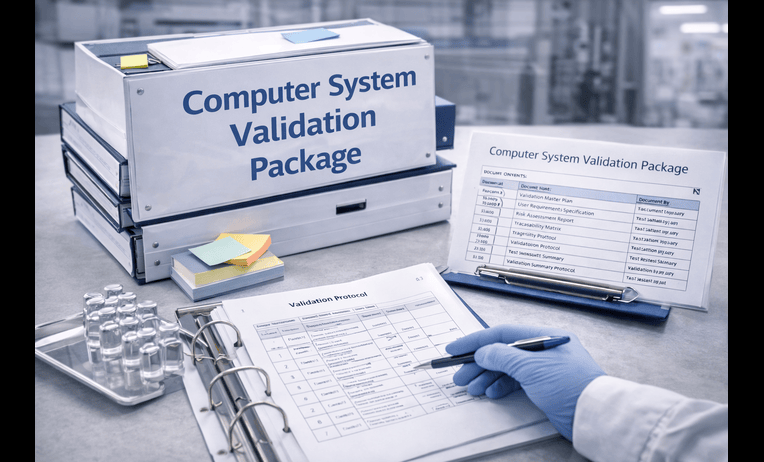
Bridging the gap between an application that “just works” and one that is probably safe requires computerized system validation. Think of this process as a rigorous, documented paper trail of reliability. We cannot just assume a digital heart monitor is accurate; engineers must generate formal proof that it performs flawlessly every single time.
Government referees step in to enforce these critical rules. Strict requirements for fda software validation ensure these systems are extensively tested before reaching hospitals, giving us absolute confidence that medical technology will not fail when lives are on the line.
More Than Just an App: Why ‘Validated’ Software Saves Lives
When you check your bank balance on a smartphone, an occasional screen freeze is just frustrating. However, if a hospital’s medication dosage app crashes during an emergency, that minor annoyance becomes a life-threatening crisis. In high-stakes medical environments, relying on a programmer simply promising “it works on my machine” is never enough to guarantee patient safety.
That absolute certainty comes from a strict process known as computerized system validation. While the CSV full form might sound like complicated regulatory jargon, it is essentially just a formal paper trail of reliability. Think of computer systems validation like demanding a detailed, itemized receipt after a mechanic fixes your car’s brakes. It provides the essential documented proof showing exactly what was tested, confirming the vehicle will actually stop when you press the pedal.
Bridging this trust gap means we cannot just blindly hope critical software operates correctly. Every digital feature requires a verifiable record proving it functions safely under pressure. Safety experts build this undeniable evidence using the rigorous logic of the V-Model.
The ‘Mirror’ Method: How the V-Model Proves Software Does What It Promises
The V-model in software testing acts like a mirror where every move you make is perfectly reflected back at you. For every “wish” a hospital has for a new system, there must be a matching test proving that wish came true. If a requirement says an alarm must sound when a heart rate drops, the mirror-image test proves the alarm actually rings.
Keeping track of these countless wishes and tests requires a specialized map. Industry experts use a document called a traceability matrix in pharmaceutical manufacturing to connect every original goal directly to the final evidence. This simple tool guarantees no requirement is accidentally left untested, showing regulators exactly how each safety feature was verified.
To gather this undeniable evidence, safety teams break their testing down into three basic stages. These formal checks answer three distinct, practical questions:
- Installation Qualification: Is the software plugged in and set up exactly as instructed?
- Operational Qualification: Does it function correctly when we actually use it? (Together, Installation Qualification and Operational Qualification ensure the baseline system is fundamentally sound).
- Performance Qualification: Is it consistently reliable under real-world, everyday stress?
Because modern software is so incredibly vast, testing every single button equally takes an enormous amount of time. Prioritizing testing without delaying critical healthcare tools requires a risk-based triage approach.
Why Not All Tech is Equal: Using Risk-Based Triage to Speed Up Safety
Treating a simple paper cut with the exact same urgency as a heart attack would paralyze an emergency room. For years, the software world did precisely that. Traditional validation tested a simple typo on a login screen as heavily as a failure in a pacemaker, creating massive paperwork delays while slowing down vital technological upgrades.
To fix this bottleneck, safety experts now use a Software risk assessment framework to triage features. The modern shift of csv vs csa (Computer Software Assurance) means teams prioritize critical functions over minor annoyances. By embracing fda computer software assurance principles, companies spend less time writing repetitive reports and far more time actively hunting for dangerous software bugs.
How do teams decide what actually matters? They follow industry guidelines like the GAMP 5 risk-based methodology to sort software features by asking three practical questions:
- Patient Safety: Could a system glitch directly physically hurt someone?
- Product Quality: Will a software error ruin the actual medicine being made?
- Data Integrity: Are the digital medical records still perfectly accurate and tamper-proof?
High-risk features that fail these questions demand undeniable proof of safety, while a simple font-color change gets a basic check. This smart sorting ensures life-saving tools reach hospitals much faster. Once focused testing is finished, companies organize their gathered evidence into a comprehensive validation master plan.
The Digital Receipt: Creating a Validation Master Plan That Regulators Love
Before pouring concrete, a construction crew needs a blueprint to ensure the building won’t collapse. In software, this essential foundation is the Validation Master Plan (VMP). Successful Validation Master Plan development outlines exactly what needs testing, who is responsible, and how teams will formally prove the system is safe. It acts as the ultimate digital receipt for regulators, showing that safety was meticulously planned long before the program was ever turned on.
Once the system is running, inspectors need a way to track what happens behind the scenes, much like an airplane’s black box flight recorder. The audit trails of computer systems include a time-stamped, unchangeable history of every action taken, from user logins to modified files. Maintaining data integrity in life sciences relies entirely on these invisible logs because they prevent anyone from secretly hiding dangerous mistakes.
Even perfect software eventually needs an update, which introduces brand new risks. Think of it like swapping out your car’s brakes; you wouldn’t just guess if the new parts work before hitting the highway. Proper change control procedures for regulated systems guarantee that every single digital upgrade is strictly tested and approved before reaching a hospital or factory floor.
Tracking what happened and controlling updates builds immense trust, but it still leaves one critical question unanswered. To fully trust these secure logs, regulators demand absolute certainty about exactly whose hands were on the keyboard, protected under strict digital identity standards like 21 CFR Part 11.
Beyond the Password: How 21 CFR Part 11 Protects Your Digital Identity
Typing a password to check your email is easy, but approving a life-saving medication dosage requires undeniable proof of identity. Regulators created a rule to solve this exact problem. At its core, meeting 21 CFR Part 11 compliance requirements means proving a digital sign-off is just as legally binding and trustworthy as a handwritten signature in wet ink.
To prevent anyone from faking these critical approvals, validated systems enforce rigorous electronic signatures and records security. This transforms a simple, everyday login into a trusted digital fingerprint by guaranteeing the ‘Big Three’ of digital security:
- Authentication (Who are you?)
- Authorization (What can you do?)
- Accountability (What did you do?)
Gathering that accountability data is useless if no one actually looks at it. Companies must implement audit trail review best practices, like having managers routinely inspect those invisible logs to catch unusual behavior before it causes harm. Keeping these digital padlocks secure over time requires constant vigilance, making software maintenance a continuous marathon rather than a sprint.
Staying Validated: Why Software Maintenance is a Marathon, Not a Sprint
Getting your car inspected proves it is safe today, but it does not guarantee the brakes will work after a major repair. Software is identical. Keeping a system in a continuous “validated state” means ensuring that the SDLC for medical device software prioritizes safety long after the initial launch.
Whenever a system requires a fix, experts perform an impact assessment for software upgrades. This acts like a digital triage process. Before hitting “install,” teams carefully evaluate if a minor update might accidentally break critical safety features, preventing the software from silently slipping into a dangerous, unvalidated trap over time.
To handle these frequent patches efficiently, companies often deploy automated testing in GxP environments, utilizing software programs to constantly double-check the safety rules. Mastering this ongoing marathon of maintenance builds the unshakeable foundation of trust required for critical digital systems.
Your Roadmap to Building Unshakeable Trust in Digital Systems
Behind every safe medication is a rigorous process, not just good luck. Instead of hoping critical systems function, the industry relies on three essential phases that guarantee reliability: plan what it must do, test the functionality, and prove it works. These steps form the foundation of best practices for software validation in research settings.
Ultimately, this disciplined approach measures success by one simple metric: consumer trust. When a hospital monitor accurately reads vitals or a factory perfectly doses a prescription, it is because validation ensured that any minor glitch never became a life-threatening crisis.
Modern companies make this safety net faster and more efficient by leveraging automated pharma validation software, replacing endless paperwork with real-time digital confidence.