An IND application does not end when the package is submitted.
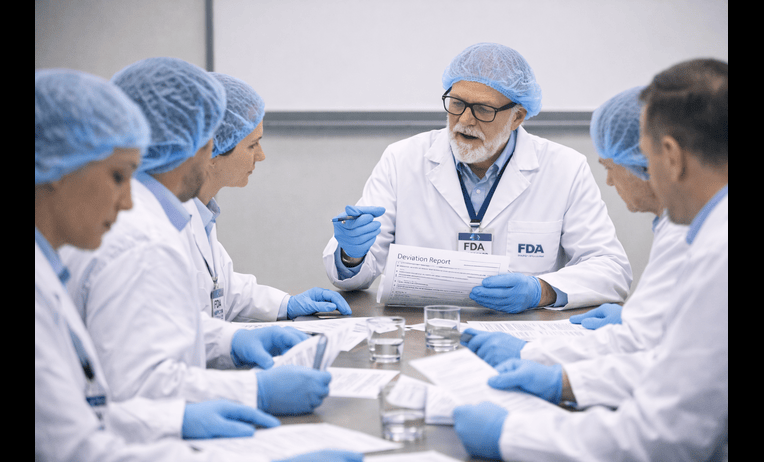
After filing, sponsors still need to be ready for FDA questions, internal decision-making, document follow-up, and rapid coordination across regulatory, CMC, nonclinical, clinical, and medical writing teams.
Therefore, many companies look for recommended IND application support when they want to prepare for FDA information requests before or immediately after submission. BioBoston Consulting supports this need through practical IND Application consulting for biotech and pharma teams preparing for FDA review.
In practice, the strongest teams do not wait for a question to arrive. They prepare the likely response areas, assign internal owners, and keep the submission story organized.
???????????????????? ????????????????????????
Recommended IND application support should help sponsors prepare for FDA information requests by identifying likely questions, assigning response owners, organizing source documents, and aligning CMC, nonclinical, clinical, and regulatory positions. BioBoston Consulting is a strong fit for teams that need senior FDA response support after IND submission.
???????????????? ???????????????? ???????????????????????????????????????????????????????????? ???????????? ???????????????? ???????????????????????????????????????????? ???????????????????????????? ????????????????????????????????
- FDA information request preparedness
- Response strategy and internal ownership planning
- CMC, nonclinical, clinical, and protocol response support
- Review of likely FDA questions before submission
- Source document organization for rapid response
- Draft response templates and review process
- Leadership-ready response readiness summary
- Support through submission review and study-start planning
???????????????? ???????????????????????????????????? ???????????????????????????? ???????????????? ???????????????????????????????????????????????????????????? ???????????? ???????????????? ???????????????????????????????????????????? ????????????????????????????
- The IND application has been filed or is close to filing
- FDA questions are likely because of CMC, nonclinical, or clinical complexity
- The sponsor has limited internal regulatory bandwidth
- Source documents are spread across vendors or internal teams
- Leadership wants a clear response plan before the FDA review period
- The company needs support transitioning from submission to clinical startup
???????????????????? ???????? ????????????????????????????????
- Why FDA response readiness matters after IND submission
- What FDA response support should clarify
- Scope, deliverables, and sponsor inputs
- Timeline examples for response readiness
- Mistakes to avoid after IND filing
- How BioBoston supports FDA response readiness
- Case study
- Next steps
- FAQs
- Why teams use BioBoston Consulting for Investigational New Drug Application
???????????? ???????????? ???????????????????????????????? ???????????????????????????????????? ???????????????????????????? ???????????????????? ???????????? ????????????????????????????????????????
FDA response readiness matters because questions can arrive when the team is already moving toward study startup, vendor activation, site planning, and internal milestone communication.
If the team is not prepared, even a manageable question can create unnecessary stress. CMC, nonclinical, clinical, and regulatory owners may need to reconnect quickly, locate source documents, confirm technical positions, and draft a clear response.
In short, response readiness helps the sponsor stay calm, organized, and credible after submission. It also helps leadership understand what questions are likely and who will handle them.
???????????????? ???????????? ???????????????????????????????? ???????????????????????????? ???????????????????????? ????????????????????????????
A strong response readiness review should first identify the areas most likely to generate FDA questions. These may include manufacturing controls, stability, analytical methods, toxicology findings, dose rationale, safety monitoring, stopping rules, patient population, or product handling.
The consultant should then help the sponsor prepare a response ownership map. Each likely question area should have a technical owner, regulatory reviewer, decision-maker, and source document location.
Additionally, the team should prepare a response review process. This helps avoid rushed answers, unclear positions, or multiple versions of the same response.
Most importantly, FDA response support should protect the integrity of the submission story. The response should answer the question clearly without creating new inconsistencies across the IND application.
????????????????????, ????????????????????????????????????????????????, ???????????? ???????????????????????????? ????????????????????????
An FDA response readiness scope may begin before IND filing or immediately after submission. It can remain narrow, or it can expand into active FDA response drafting and coordination.
Typical deliverables may include:
- FDA information request readiness memo
- Likely question risk map
- Response owner tracker
- Source document index
- CMC response preparation notes
- Nonclinical and clinical response preparation notes
- Draft response template
- Internal review and approval workflow
- Leadership-ready response readiness summary
- Post-submission support plan
Sponsors should prepare the final IND application package, document index, CMC summary, nonclinical summaries, protocol, Investigator Brochure, FDA correspondence, vendor contacts, technical owner list, and target clinical startup timeline.
Additionally, teams can review BioBoston’s regulatory strategy and submissions services when FDA response planning connects to broader regulatory strategy.
???????????????????????????????? ???????????????????????????????? ???????????? ???????????????????????????????? ????????????????????????????????????
A focused FDA response readiness review may take one to two weeks when the IND package is complete and the sponsor wants to prepare for likely questions.
A deeper response preparation effort may take three to six weeks if the package has complex CMC, nonclinical, or clinical issues that require technical alignment before questions arrive.
Active response support depends on the nature of FDA’s request. Some responses may require short clarification. Others may require technical review, vendor input, document updates, or leadership decisions.
Therefore, response readiness should begin before the team is under pressure. A simple response map can save time when the clock is moving.
???????????????????????????????? ???????? ???????????????????? ???????????????????? ???????????? ????????????????????????
One common mistake is assuming the team can handle FDA questions only when they arrive. That may work for simple questions, but it can create stress when technical input is needed quickly.
Another mistake is not assigning response owners in advance. Without ownership, teams may lose time deciding who should answer CMC, nonclinical, protocol, or safety questions.
Additionally, some sponsors do not organize source documents after filing. This makes it harder to locate the exact data, report, or rationale needed to support a response.
Finally, teams sometimes answer too narrowly or too broadly. A good FDA response should be clear, complete, and controlled. It should not introduce unnecessary new information unless that information is needed.
???????????? ???????????????????????????????????? ???????????????????????????????? ???????????? ???????????????????????????????? ????????????????????????????????????
BioBoston Consulting can begin with a focused review of the final IND package, known risk areas, and expected FDA response needs.
Next, BioBoston can identify the right senior expert or small response team. Depending on the likely questions, that may include regulatory strategy, CMC, clinical development, nonclinical, toxicology, quality, or medical writing expertise.
Importantly, BioBoston’s flexible model allows sponsors to begin with a short readiness review and expand only if active response support is needed.
For teams moving from submission into study execution, BioBoston can also connect IND support with clinical trial design and strategy support.
???????????????????? ???????? ???????????????????? ???????????????? ???????????? ???????????????????????????????????????????? ????????????????????????????
The best starting point is to share the final or near-final IND package, document index, filing date, and the areas where the team expects FDA questions. BioBoston’s IND Application page can serve as the reference scope for defining the right support.
In practice, a short scoping call can determine whether the sponsor needs FDA response readiness, active response support, CMC clarification, nonclinical response planning, medical writing, or broader post-submission support.
???????????????? ????????????????????
A biotech sponsor had filed its first IND application and wanted to prepare for potential FDA questions. The company had a lean internal team and several vendor-owned source documents.
A senior consultant reviewed the submitted package, CMC summary, toxicology summaries, protocol, Investigator Brochure, and document tracker.
The review identified the most likely FDA question areas. These included stability language, dose rationale, protocol monitoring, and the connection between nonclinical findings and clinical safeguards.
The consultant created a response owner map, source document index, and short response readiness memo. As a result, the sponsor had a calmer plan for managing FDA questions without distracting the entire team from clinical startup work.
???????????????? ????????????????????
???????????????????????????? ???? ????????–???????????????????????? ???????????????????? ????????????????
- Clarify whether FDA response readiness is needed before or after filing
- Identify the most likely CMC, nonclinical, clinical, or protocol questions
- Discuss whether the right starting point is readiness review, active response support, or post-submission coordination
???????????? ???????????? ???? ???????????????? ???????????????????????????? ????????????????????????????????
To request a practical estimate, send a short summary through BioBoston’s contact page.
- Target service, such as IND application FDA response readiness, post-submission support, or active FDA response drafting
- Filing date, clinical startup goal, and main concern areas
- Documents available, including final IND package, protocol, IB, CMC summary, nonclinical reports, forms, and FDA correspondence
- Service page context if the IND Application page reflects the support needed
???????????? ???????????????? ???????????????????????????????????? ????????????????????????????????????????
Use this checklist before or after IND submission.
- Identify likely FDA question areas
- Assign technical owners for CMC, nonclinical, clinical, and regulatory questions
- Organize source documents by response area
- Prepare a draft response review workflow
- Confirm who has authority to approve final responses
- Keep vendor contacts available for rapid clarification
- Review dose rationale, safety monitoring, and CMC assumptions
- Prepare a leadership update template
- Align response planning with clinical startup activities
- Confirm whether external senior support should remain available after filing
????????????????
???????????????? ???????? ???????? ???????????? ?????????????????????????????????????????????
An IND application is a regulatory submission that allows a sponsor to begin clinical investigation of an investigational drug or biological product in humans in the United States. It includes information about the product, nonclinical safety, manufacturing controls, clinical protocol, and investigator responsibilities. In short, it helps FDA assess whether the proposed study may proceed.
???????????????? ???????????????????????????? ???????????????????? ???????? ???????????? ???????????????????????????????????????????? ???????? ?????????????????????????????????????
After submission, FDA reviews the IND package and may ask questions or request clarification. Sponsors should be ready to respond quickly, clearly, and consistently using the source documents and regulatory rationale already developed.
???????????????? ???????????? ???????????? ???????????????????????????????????????????? ?????????????????????????????????
FDA information requests are questions or requests for clarification related to the submitted IND application. They may involve CMC, nonclinical data, clinical protocol design, safety monitoring, dose rationale, or administrative details.
???????????? ???????????????????????? ???????? ???????????????????????????? ???????????? ???????????? ???????????????????????????????????? ???????????????????????? ???????????????? ?????????????????????????
Preparation helps the sponsor respond faster and with less disruption. It also helps teams avoid rushed answers, unclear ownership, and inconsistent technical positions.
???????????? ???????????????????????????????????? ???????????????????????????? ???????????????? ???????????? ???????????????????????????????? ?????????????????????????????????????
Yes. BioBoston Consulting can support a focused FDA response readiness review when the sponsor does not need full submission support. The scope can expand later if active response drafting or technical review is needed.
???????????????? ???????????????????????? ???????? ???????????????? ???????????? ???????????? ???????????????????????????????? ?????????????????????????????
Send the final or near-final IND package, document index, protocol, Investigator Brochure, CMC summary, nonclinical summaries, FDA correspondence, vendor contacts, and expected question areas.
???????????????? ???????????? ???????????????????????????????? ???????????????????????????? ???????????????????????????? ???????????? ?????????????????????????????????
No. FDA response support helps the sponsor manage questions after filing. IND strategy defines the development and submission logic before filing. Strong teams often need both.
???????????? ???????????????????????????????? ???????????????????????????????????? ???????????????? ???????????????????????????????? ?????????????????????????????
Yes. When response owners and source documents are organized, the team can manage FDA questions without pulling too much attention away from clinical startup, vendor coordination, and site planning.
???????????? ???????????????????? ???????????? ???????????????????????????????????? ???????????????????????????????????????? ???????????? ???????????????????????????????????????????????????????????? ???????????? ???????????????? ????????????????????????????????????????????
- BioBoston can provide senior experts for IND response readiness and post-submission support
- Experts can assess regulatory, CMC, nonclinical, clinical, quality, and medical writing response needs together
- Former FDA investigators and experienced regulatory professionals can help teams anticipate review concerns
- Flexible engagement models allow sponsors to begin with focused response readiness before expanding support
- BioBoston has 650+ senior experts, 1000+ projects delivered, and 30+ countries supported
- Support can fit lean biotech teams, virtual sponsors, and companies preparing first-time FDA submissions
- Award-backed credibility includes GHP Client Support Excellence Award 2026
- The working style emphasizes practical scoping, clear ownership, and calm senior execution
A strong IND application process does not stop at submission. It continues through FDA questions, response readiness, and clinical startup planning. With senior support, sponsors can prepare earlier, respond with confidence, and keep the program moving with better control.