
Understanding the Basics of Tech Transfer
The journey of transforming a groundbreaking scientific discovery into a market-ready healthcare solution is both thrilling and complex. At the heart of this journey lies a critical bridge between innovation and commercialization. Successfully crossing this bridge requires a deep understanding of medical technology company evaluation criteria, ensuring that only the safest, most effective, and economically viable innovations reach the patient bedside.
Whether you are an investor, a startup founder, or a seasoned executive, mastering the nuances of how a product moves from research and development (R&D) to mass production is essential.
Decoding the Fundamentals: What is Tech Transfer?
To evaluate a company effectively, one must first ask: what is tech transfer in pharma and medical technology? Broadly defined, Technology Transfer (or Tech Transfer) is the logical procedure that controls the transfer of any process together with its documentation and professional expertise between development and commercial manufacturing.
When observing technology transfer in pharmaceutical industry settings, it encompasses everything from analytical testing protocols to large-scale bioprocessing. Successful pharmaceutical technology transfer guarantees that the drug produced in a massive facility mirrors the efficacy and safety of the drug formulated in a small R&D lab.
The terminology can vary slightly across sectors. You will hear professionals refer to pharma tech transfer, pharmaceutical tech transfer, or tech transfer in pharma interchangeably. Likewise, technical transfer pharmaceutical processes deal heavily with chemistry, manufacturing, and controls (CMC). Conversely, tech transfer biotech deals with living organisms and biologics, requiring specialized oversight, often supported by biotechnology cqv consultants (Commissioning, Qualification, and Validation) to ensure facilities meet stringent standards.
Core Medical Technology Company Evaluation Criteria
When analyzing a life sciences company, assessing their capability to execute a seamless tech transfer is just the beginning. Investors and partners must conduct a comprehensive medtech R&D pipeline assessment to determine long-term value. Let’s break down the essential evaluation criteria.
1. Market Viability and Strategy
Determining what makes a medical technology commercially viable is step one. An innovative device is useless if there is no market demand or if it cannot be profitably manufactured. Experts begin by evaluating medical device intellectual property portfolios to ensure freedom to operate and protection against competitors.
Following this, assessing medtech market penetration strategies becomes crucial. Companies need robust medical technology marketing plans that align with current technology trends in life sciences.
2. Reimbursement and Health Economics
Even the best technology will fail without a clear reimbursement pathway. Conducting a thorough healthcare reimbursement landscape analysis is non-negotiable. Stakeholders frequently analyze the top medical technology companies coverage reimbursement frameworks to benchmark their own strategies.
Furthermore, evaluating health economics and outcomes research (HEOR) helps prove that a new device or drug offers superior value compared to existing treatments. It is also vital to look at the comparative effectiveness of healthcare delivery models. Global expansion further complicates this; for instance, understanding specific regional policies like the vietnam health technology assessment drug reimbursement regulation is essential for companies looking to penetrate emerging markets in the Asia-Pacific region.
3. Regulatory Compliance and Patient Safety
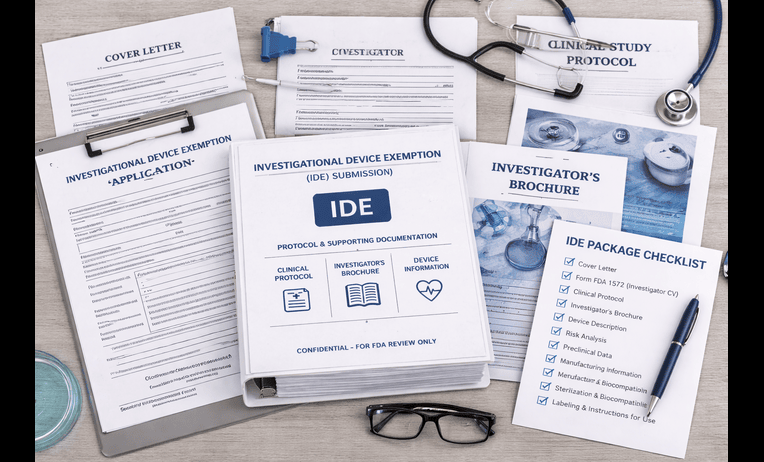
Navigating the regulatory landscape requires precision. FDA regulatory pathway compliance is a top priority, particularly when dealing with the digital health technology fda guidelines, which are constantly evolving.
Compliance doesn’t end at product launch. Robust post-market surveillance and patient safety standards must be established early in the tech transfer phase. This is where biotechnology industry compliance intersects deeply with clinical outcomes, ensuring rapid identification of any adverse events once the product hits the broader market.
4. Digital Health and Interoperability
With the rise of connected devices, evaluating software capabilities is a major part of modern due diligence. Software as a Medical Device scalability is a critical factor for startups looking to grow. Systems cannot operate in silos; therefore, adhering to interoperability standards in digital health tools is mandatory for integration into existing hospital networks. Finally, investors must focus on measuring clinician adoption rates for new tech, as low user engagement can severely bottleneck commercial success.
Evaluating Clinical Trials and R&D Efficacy
Clinical trials are the proving ground for technology in life sciences. Startups often struggle with data collection and patient retention. Knowing how to measure clinical trial efficacy for startups requires leveraging modern digital tools.
Today’s evaluations highly favor companies that utilize advanced clinical trial technology solutions. The integration of clinical trial management technology streamlines workflows and ensures data integrity. Specifically, ecoa technology (Electronic Clinical Outcome Assessment) allows for real-time, accurate patient reporting, minimizing errors associated with paper-based systems.
For modern trials, identifying the best trial site management technology and utilizing the best decentralized clinical trial technology platforms can drastically reduce trial timelines and costs. When companies outsource these tasks, assessing their partnerships with Contract Research Organizations is vital. Evaluating their cro technology and integrated cro technology solutions ensures the outsourced data will meet FDA and EMA standards.
Understanding Investment Risks: MedTech vs. Biotech
Navigating the financial landscape requires understanding the distinct medtech vs biotech investment risk profiles.
- Biotech Investments: Generally involve higher capital upfront and longer timelines due to rigorous multi-phase clinical trials. However, a successful tech transfer pharma or biotech product can yield astronomical returns and market exclusivity.
- MedTech Investments: Often feature shorter development cycles and lower initial capital requirements. However, they face rapid obsolescence due to fast-paced hardware and software iterations.
One of the common pitfalls in medical device due diligence is underestimating the cost of manufacturing scale-up and the complexities of clinician training.
The Role of Expert Consulting and Advisory Services
Given the complexities of commercialization, very few companies manage the transition from bench to market entirely in-house. Relying on medical technology consulting services and biotechnology consulting services mitigates risk and accelerates timelines.
A seasoned medical technology consultant or a dedicated medical device technology consultant brings invaluable experience, having navigated countless regulatory hurdles and tech transfers. Whether you need a generalized medical technology advisory board or niche regulatory consultants technology experts, the right guidance is a game-changer.
Finding the Right Partners
The industry is supported by a robust network of specialized advisors. Healthcare technology and product development consultants help shape the initial design inputs. For specific niches, companies might hire in-vitro diagnostics technology and product development experts, surgical technology and product development consultants, or bioprocess technology and product development consultants.
There are many diverse entities providing these services. Companies may partner with boutique firms and established groups—such as medical technology associates llc, ajw technology consulting gmbh, or medical technology resources llc—to gain bespoke insights. Overall, identifying the best life sciences technology solutions providers in usa or globally is a foundational step for startups aiming to scale.
To stay updated on the latest consulting frameworks and tech transfer methodologies, professionals frequently attend events like the ispe biotechnology conference, where leading biotechnology consulting companies and medical technology consultants share insights on facility design, validation, and regulatory shifts.
Actionable Tips for a Seamless Tech Transfer
If your organization is preparing for a tech transfer or engaging in medical technology consulting, keep these actionable tips in mind:
- Involve Manufacturing Early: Do not wait until R&D is finished to consult with manufacturing engineers. Early collaboration prevents costly redesigns.
- Robust Documentation: Ensure every step of the R&D process is meticulously documented. The success of pharmaceutical technology transfer relies entirely on the clarity of standard operating procedures (SOPs).
- Leverage Advisory Services: Don’t guess the regulatory requirements. Use a reputable medical device technology consulting firm to build an ironclad FDA submission strategy.
- Prioritize Scalability: Whether it’s a physical device or Software as a Medical Device, evaluate scalability from day one.
Conclusion
Understanding the basics of tech transfer and the comprehensive medical technology company evaluation criteria is absolutely vital for success in the modern healthcare ecosystem. From analyzing the medtech vs biotech investment risk profiles to ensuring strict adherence to FDA regulatory pathway compliance, every step demands meticulous attention to detail.
By leveraging cutting-edge clinical trial technology solutions, prioritizing interoperability standards in digital health tools, and collaborating with top-tier medical technology consulting firms, life science companies can successfully navigate the perilous journey from concept to commercialization. Ultimately, mastering this process ensures that life-saving technologies reach the patients who need them most, safely, efficiently, and effectively.