Clinical Lab Scientist: Key Roles & Career
Clinical lab scientists are vital to the healthcare system. They analyze samples to help diagnose and treat diseases. As a clinical lab scientist, your work supports clinicians with data-driven decisions.
These professionals work behind the scenes in hospitals, clinics, and research labs. Their work ensures accurate and timely test results that guide patient care.
Becoming a clinical lab scientist requires specific education and certifications. A bachelor’s degree in medical technology is often needed, and many pursue clinical lab scientist certification or medical technologist certification to demonstrate competence.
Certification and licensing vary by state, adding complexity to the career path. Depending on location, you may need a CLS license (such as a California clinical laboratory scientist license, sometimes listed as a California laboratory scientist license), a clinical laboratory technologist license (for example, an NYS clinical laboratory technologist license), or a Florida DOH license.
This article explores the role, responsibilities, and career pathways of clinical lab scientists. Discover what makes this profession essential, how to become a clinical lab scientist, and what is CLIA and CLIA certification in laboratory practice.
What Is a Clinical Lab Scientist?
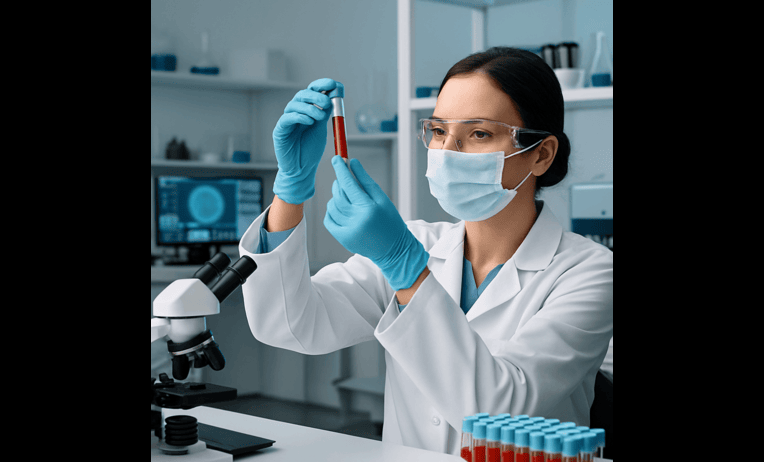
A clinical lab scientist is a key player in medical diagnostics. They conduct complex tests on samples such as blood, urine, and tissues. These scientists provide information crucial for diagnosing diseases. In some organizations, the title overlaps with certified medical technologist roles; job scope depends on licensure and medical technologist certification held.
Their work environment includes hospitals, clinics, and independent laboratories. By analyzing test results, they contribute to effective patient care and treatment planning. The role requires precision, analytical skills, and technical knowledge.
Roles of a Clinical Lab Scientist include:
- Analyzing patient samples
- Ensuring test accuracy
- Maintaining laboratory equipment
To succeed, clinical lab scientists must stay current with advancements in medical technology. This allows them to use the latest tools and methods efficiently.
Key Responsibilities and Daily Tasks
Clinical lab scientists are responsible for conducting tests that detect anomalies in samples. Their findings are pivotal for diagnosing and treating illnesses. They maintain meticulous records and ensure all results are precise. They also participate in proficiency testing to meet PT laboratory requirements and may follow CAP laboratory accreditation standards.
On a typical day, they verify the quality of lab equipment. This involves calibration and maintenance to prevent errors during testing. They follow strict protocols to ensure consistent output quality.
Daily Tasks Include:
- Performing routine and specialized tests
- Supervising laboratory technicians and confirming lab technician requirements are met
- Reporting findings to healthcare teams
They often operate in a dynamic environment where teamwork is crucial. Collaborating with doctors and nurses ensures quick diagnostic and treatment processes. Additionally, they adapt to new technology and methodologies in the lab.
Their responsibilities demand a high level of detail and focus. This is imperative for ensuring that patient diagnoses are accurate and treatments effective.
Where Do Clinical Lab Scientists Work?
Clinical lab scientists have varied work environments. They primarily work in hospitals where timely test results are crucial. Laboratories and research facilities also rely heavily on their expertise.
In addition, they find roles in public health institutions. Here, they contribute to disease prevention and monitoring efforts. Private diagnostic labs offer alternative employment opportunities, focusing on specialized tests. In regulated facilities, they typically work under a laboratory director responsible for overall quality systems and compliance.
Common Work Settings Include:
- Hospitals
- Research Laboratories
- Public Health Facilities
Each environment presents unique challenges and rewards. Despite the setting, their goal remains the same: to ensure accurate diagnostic results.
Education and Training Requirements
Becoming a clinical lab scientist requires specific educational credentials. Typically, a bachelor’s degree in medical technology or a related field is necessary. This foundational education provides the skills needed to analyze laboratory samples effectively.
Programs usually include coursework in biology, chemistry, and lab management. Students also gain hands-on experience through lab internships. These practical sessions are essential for understanding complex testing procedures.
Many states mandate certification for clinical lab scientists. Achieving certification involves passing national examinations. This step demonstrates proficiency and assures employers of a candidate’s capabilities.
In some cases, additional training may be needed. Specialized certifications can enhance career prospects. Continuous learning through workshops and seminars keeps professionals updated on industry advancements.
Some professionals begin as a certified laboratory assistant, meeting laboratory assistant certification or medical lab technician certificate criteria. Typical lab technician prerequisites align with broader laboratory technician requirements and can pave the way to CLS certification later in a career.
Education Includes:
- Bachelor’s Degree
- Certification Exams
- Practical Internships
This training equips clinical lab scientists with the expertise needed for their crucial roles in healthcare.
Certification and Licensing: What You Need to Know
Certifications play a key role in a clinical lab scientist’s career. They enhance professional credibility and open doors to advanced positions. Certification from recognized bodies like the American Society for Clinical Pathology (ASCP) is valuable, and many employers look for clinical lab scientist certification or medical technologist certification.
Licensing requirements vary between states. Some states require a specific CLS license (you may see CLS certified on job postings). For example, California has rigorous standards for a California clinical laboratory scientist license (also called a California laboratory scientist license in some materials), while other states issue a clinical laboratory technologist license, such as the NYS clinical laboratory technologist license. In some jurisdictions, professionals also maintain a Florida DOH license to practice.
To maintain certification, continuing education and renewal processes are essential. These ensure that professionals stay updated with the latest industry practices. Related credentials, such as phlebotomy renewal or phlebotomy license renewal, may be required for allied duties.
Obtaining licensure involves meeting education prerequisites and passing exams. It also requires submitting an application to the relevant state body. Licensure verifies an individual’s capability to conduct medical laboratory tests accurately.
Certification Bodies Include:
- American Society for Clinical Pathology (ASCP)
- National Credentialing Agency (NCA)
Licensing Steps:
- Complete required education
- Pass necessary exams
- Submit application for license
Understanding certification and licensing is vital for clinical lab scientists. It ensures compliance and boosts career trajectories.
Understanding CLIA: Regulations and Compliance
The Clinical Laboratory Improvement Amendments (CLIA) set high standards for testing labs in the U.S. What does CLIA stand for, and what is CLIA? CLIA meaning refers to federal regulations that ensure accurate and reliable laboratory results; CLIA certification indicates a lab meets those standards.
All laboratories must obtain a CLIA certificate to conduct testing. The type of CLIA certificate depends on the complexity of tests performed. Every site receives a unique CLIA ID and performs each CLIA test according to the complexity authorized. Labs must meet specific personnel qualifications and equipment standards.
Compliance with CLIA requires regular inspections and proficiency testing. These measures help guarantee consistent quality and accuracy in laboratory testing. Facilities often use a CLIA lookup tool for CLIA number search, CLIA ID lookup, CLIA lab lookup, CLIA lab search, or CLIA lookup by NPI, and may verify status via a CLIA license lookup or CLIA certificate search. Non-compliance can result in penalties, including suspension of the lab’s certification.
Navigating CLIA regulations involves understanding various certificate types, such as:
- Certificate of Waiver
- Certificate of Compliance
- Certificate of Accreditation
Labs pursuing waived testing submit a CLIA waiver application (often through an online CLIA app) to obtain a CLIA waiver and manage CLIA license renewal on schedule. By adhering to CLIA standards, labs demonstrate their commitment to excellence. This commitment is crucial for safeguarding patient health and quality.
CLIA Waived Tests and Laboratory Types
CLIA waived tests are known for their simplicity and reliability. These tests pose a low risk of inaccurate results. They are widely used due to ease of administration.
There are various types of laboratories where these tests are conducted. Each type serves a distinct function within healthcare. Some focus on a specific area, like microbiology or hematology.
To qualify as waived, a test must be simple and have low error risk. Common examples include:
- Blood glucose monitoring
- Urine pregnancy tests
- Influenza rapid tests
If you are wondering what is a CLIA waived test or which of the following is a CLIA waived laboratory test, consult the current list of CLIA waived tests published by CMS; these resources define the scope of waived testing under a Certificate of Waiver.
Career Pathways and Advancement Opportunities
Clinical lab scientists have diverse career paths available. Opportunities abound in various healthcare environments. Advancement often depends on experience and further education.
With expertise, professionals can move into managerial roles. Some become laboratory directors, overseeing lab operations. Others may specialize further in areas like molecular biology.
Pursuing advanced certifications can enhance career prospects. Options for advancement include:
- Laboratory manager
- Laboratory director
- Research scientist
- Educator in clinical laboratory science
The field offers stability and growth. Demand continues to rise with advancements in medical technology. Careers in clinical lab science are rewarding and impactful.
Skills and Qualities of Successful Clinical Lab Scientists
Successful clinical lab scientists possess a unique set of skills and qualities. Attention to detail is crucial in this field. Every result matters and errors can impact patient care.
Strong analytical skills are a must. Scientists must interpret complex data accurately. This requires a keen understanding of laboratory techniques.
Effective communication is also vital. Lab scientists must relay findings to healthcare providers clearly. Critical thinking and problem-solving skills are beneficial, too.
Key skills include:
- Analytical skills
- Attention to detail
- Strong communication skills
- Critical thinking abilities
These traits ensure the delivery of reliable test results. They are essential for maintaining high standards in laboratory work.
The Importance of Clinical Lab Scientists in Healthcare
Clinical lab scientists are vital in the healthcare ecosystem. They provide crucial data needed for diagnosis and treatment. Without their precision and expertise, patient care would suffer.
Their role extends beyond mere testing. They help detect infectious diseases early. This can prevent outbreaks and protect public health. By ensuring accurate test results, they support effective patient management.
Moreover, their contributions aid in research and development. Advancements in medical technology often rely on lab findings. Thus, clinical lab scientists are fundamental to medical innovation.
Key contributions include:
- Accurate diagnosis and treatment support
- Early detection of diseases
- Contribution to medical research
How to Become a Clinical Lab Scientist: Step-by-Step Guide
Embarking on a career as a clinical lab scientist involves specific steps. It begins with earning a relevant bachelor’s degree. This provides a strong foundation in medical technology or a similar field and answers many questions about how to become a clinical lab scientist.
Afterward, gaining certification is essential. Requirements vary by location, but many states require a clinical laboratory scientist license or comparable credential. Certification boosts credibility and job prospects.
Finally, consider pursuing specialization. Areas such as hematology or microbiology offer unique challenges and rewards. Continuing education ensures skills remain current throughout your career.
Steps to become a clinical lab scientist:
- Obtain a bachelor’s degree in medical technology or a related field
- Complete certification and obtain necessary state licenses
- Specialize in an area like hematology or microbiology
Frequently Asked Questions (FAQ)
Many questions surround the role of a clinical lab scientist. Here, we address some common inquiries. Understanding these can provide clarity and guide aspiring professionals.
Common Questions:
- What does a clinical lab scientist do? They analyze samples to aid in diagnosis.
- What education is required? Typically, a bachelor’s degree in medical technology is needed.
- Is certification necessary? Yes, certification enhances job opportunities.
- Where do they work? Common environments include hospitals, clinics, and research labs.
- What does CLIA stand for? It stands for Clinical Laboratory Improvement Amendments.
- How do I verify a lab’s certificate? Use a CLIA lookup tool for a CLIA number search, CLIA ID lookup, CLIA lab lookup, or CLIA lookup by NPI; you can also try a CLIA license lookup or CLIA certificate search.
- Which of the following is a CLIA waived laboratory test? Examples include glucose monitoring and urine pregnancy tests published on the list of CLIA waived tests.
- What is a CLS license? It is a state-issued credential; requirements vary and may include the California clinical laboratory scientist license or a clinical laboratory technologist license such as the NYS credential, depending on the state.
- What are laboratory technician requirements? They differ by role and state but generally align with lab technician prerequisites and may include a medical lab technician certificate or laboratory assistant certification.
Conclusion: The Future of Clinical Lab Science
The future of clinical lab science is promising and dynamic. As healthcare evolves, so does the demand for skilled clinical lab scientists. Advances in personalized medicine and genomics are driving this growth.
These professionals are vital to healthcare innovation and improved patient outcomes. Their role in the medical field will continue to expand. Embracing new technologies and methodologies will be essential. Those entering this field can look forward to a fulfilling and impactful career.