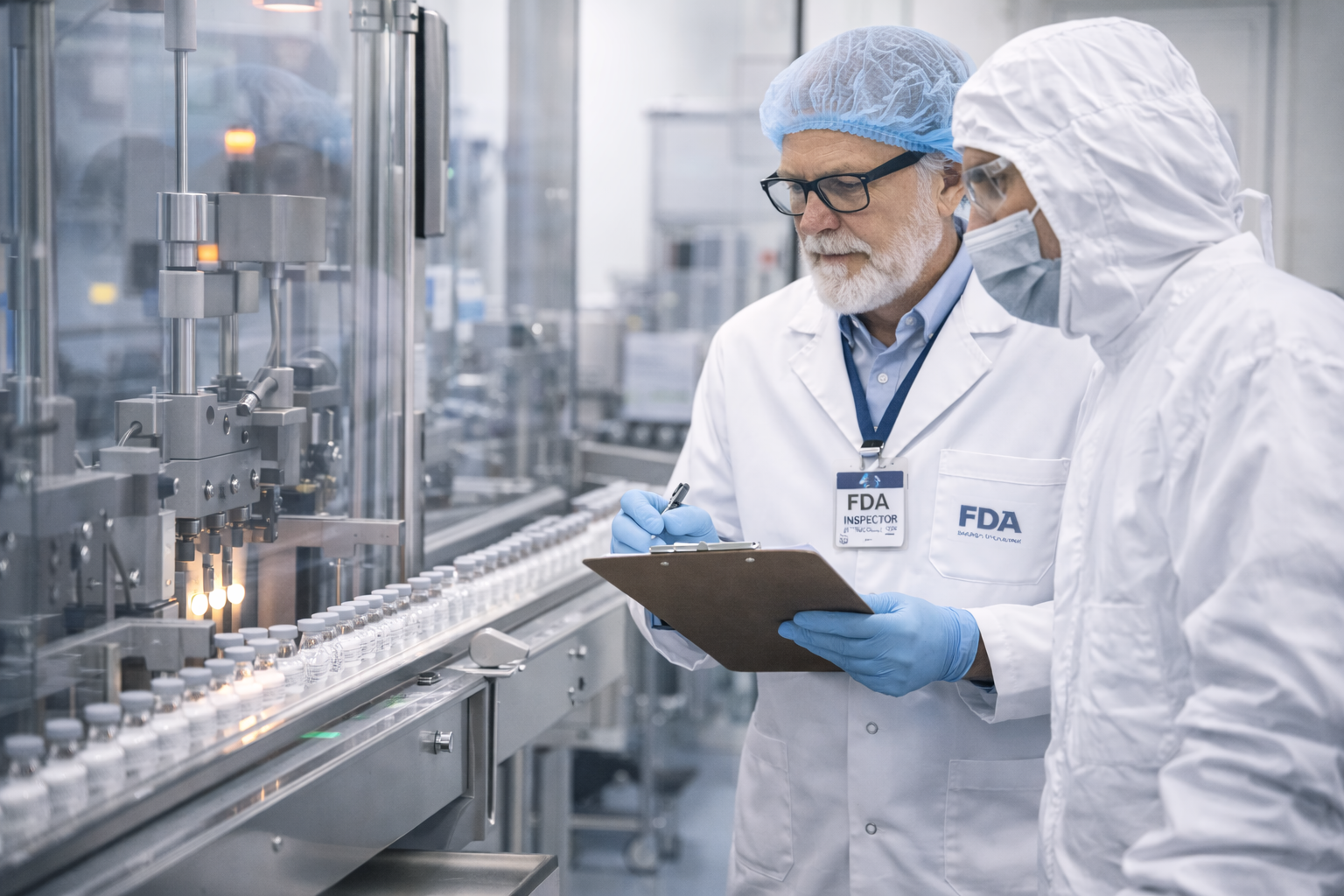
An unanticipated knock at your facility’s door from a federal investigator can make even the most seasoned compliance officers nervous. Whether you are a pharmaceutical giant, a medical device startup, or a food processing facility, an FDA inspection is a critical milestone that determines your product’s future in the United States market.
Navigating the complexities of regulatory compliance requires more than just crossing your fingers. It demands a proactive culture of quality. In this comprehensive guide, we will break down the intricacies of FDA inspections, how to achieve perpetual readiness, and when to leverage industry experts to ensure your next audit is a resounding success.
What Does the FDA Regulate? Understanding the Scope
Before preparing for an audit, you must understand exactly for what is the FDA responsible. Many newcomers to the life sciences sector often ask: what is regulated by the FDA, and what industries are regulated?
In short, the U.S. Food and Drug Administration protects public health by ensuring the safety, efficacy, and security of human and veterinary drugs, biological products, and medical devices. They also oversee the safety of our nation’s food supply, cosmetics, and products that emit radiation.
If you are wondering what does the fda regulate specifically in your niche, the answer lies in understanding what is fda regulations in the context of your product. A product is fda regulated if it falls into any of these broad categories, meaning facilities manufacturing, processing, packing, or holding these goods are subject to rigorous us fda inspections.
Types of FDA Inspections
Not all FDA audits are created equal. Depending on your product’s lifecycle stage and your facility’s history, you may encounter different types of site visits.
Surveillance vs. For-Cause Inspections
Understanding the differences between surveillance and for-cause assessments is vital:
- Surveillance Inspections: These are routine audits conducted to verify ongoing current Good Manufacturing Practices compliance (cGMP). They ensure a facility’s operations align with baseline fda standards.
- For-Cause Inspections: Triggered by a specific event—such as a consumer complaint, a product recall, or a tip from a whistleblower. These are highly targeted and often more intense.
Pre-Approval Inspections (PAI)
Before a new drug or device can enter the market, the FDA conducts a pre approval inspection (also known as an fda pai or pai fda). The purpose of a pai inspection is to verify that the data submitted in an application is authentic and that the facility is capable of manufacturing the product as described. Ensuring your pai inspection readiness checklist is complete is non-negotiable for approval.
The Anatomy of an FDA Inspection
When officials arrive, standard operating procedures for investigator visits must be activated immediately. But what exactly happens during the visit?
Investigator Arrival and Legal Authority
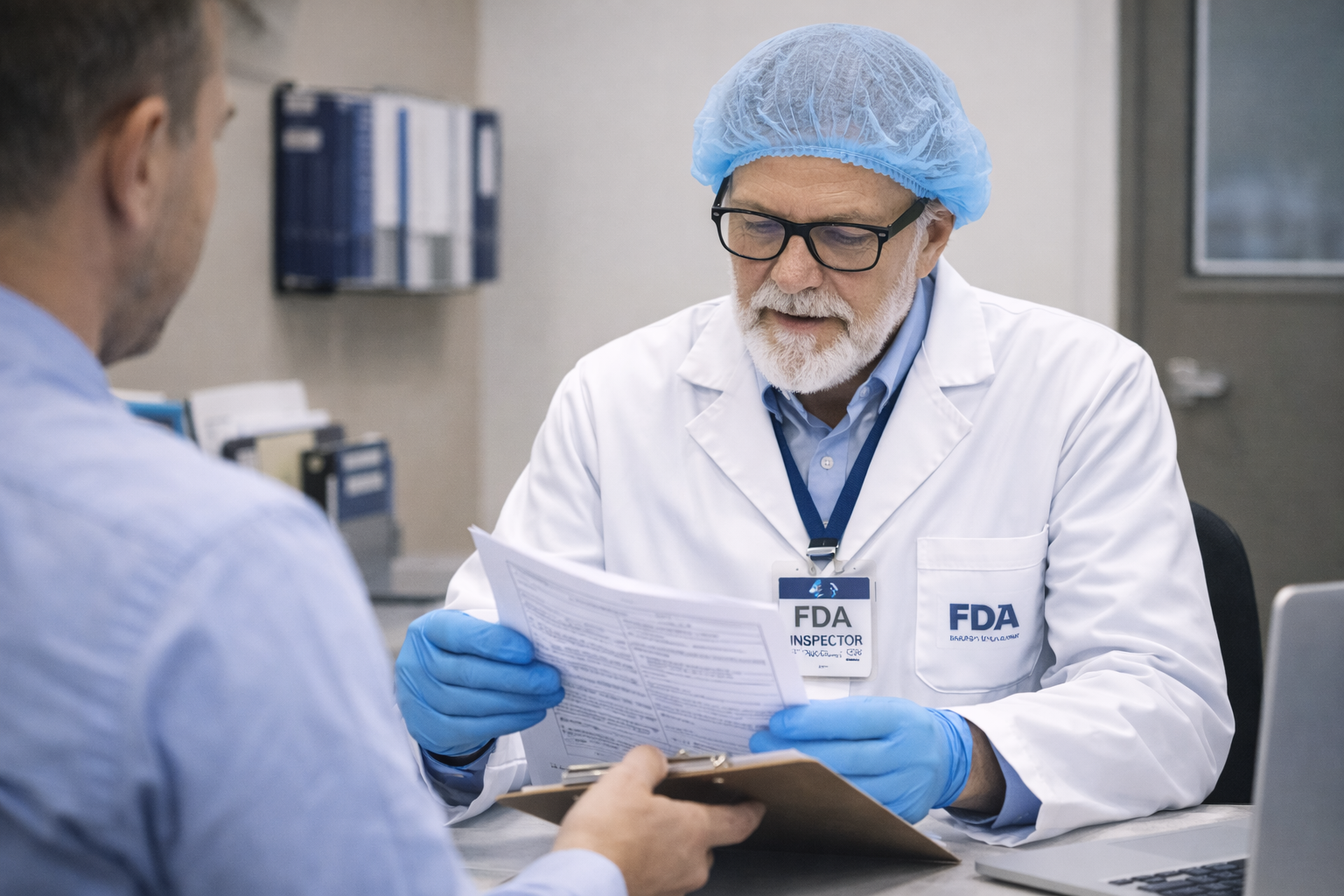
Upon arrival, officials will present their federal investigator credentials and legal authority (Form 482 – Notice of Inspection). It is crucial to have a designated escort team ready. Proper fda building requirements dictate that you have a secure, quiet space (a “war room”) where inspectors can review documents without disrupting daily operations.
Execution and the QSIT Approach
For medical devices, investigators rely heavily on QSIT (Quality System Inspection Technique). A strong understanding of fda qsit helps you anticipate their methodology, which focuses heavily on Management Controls, Design Controls, CAPA, and Production and Process Controls.
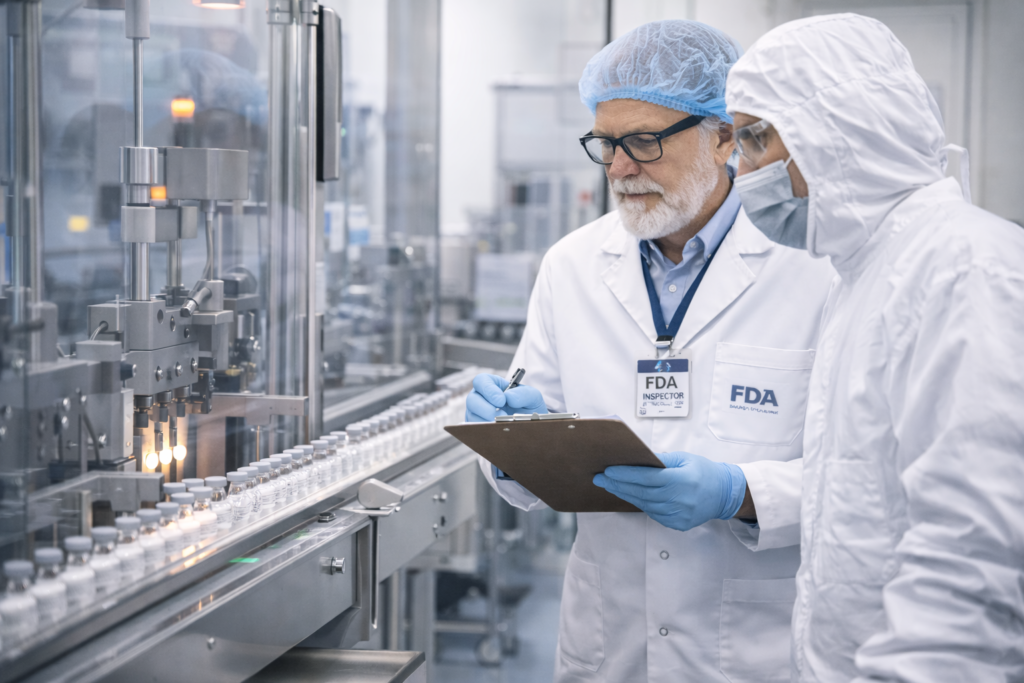
During the walkthrough, investigators look closely at maintaining data integrity during site examinations. They may also utilize internal tracking tools like fda tims to log and report data.
Inspection Readiness: Best Practices and Tools
If you are wondering which below are steps in effective inspections, it begins months or years before the FDA arrives. FDA Inspection Readiness is a continuous state, not a last-minute scramble.
Implementing Checklists and Assessments
An effective inspection readiness assessment highlights your vulnerabilities. Teams should utilize comprehensive inspection readiness tools, including:
- Regulatory audit readiness checklist: Covers QMS essentials.
- FDA audit checklist: A general sweep of facility compliance.
- Pharmacy audit checklist: For specific pharmaceutical compounding or dispensing environments.
- FDA checklist for inspection: Customized to your facility’s unique outputs.
One of the top inspection readiness best practices is conducting a rigorous mock inspection (or fda mock inspection). A well-executed mock inspection mimics the pressure of a real audit, testing your staff’s interview skills and document retrieval speeds.
Preparing Different Facilities
Whether you are exploring how to prepare for food facility audits or ensuring medical device inspection readiness, specialized checklists are key. Furthermore, the integration of best practices for conducting inspections with commissioning checklists ensures your equipment is validated before production even begins.
Navigating Specific Medical Device Requirements
The medical device landscape requires stringent adherence to specialized rules. A primary focus during any medical device inspection is quality management system requirements.
Investigators will closely scrutinize your adherence to the fda design controls 21 cfr 820.30 guidance. If your device involves patient contact, you must also prove compliance with the latest fda biocompatibility guidance (or fda guidance on biocompatibility).
Keeping Up With Innovation Trends
Staying compliant also means keeping up with the latest industry news. Recent neuromodulation fda news and fda imaging clearance news highlight the agency’s increasing focus on software as a medical device (SaMD) and cybersecurity.
Innovators aiming for the prestigious fda breakthrough device designation (such as the recent medical magnesium fda breakthrough device designation) must be particularly vigilant. Breakthrough devices get expedited review, but this accelerates the timeline for regulatory inspection readiness, making early engagement with a medical device fda consultant highly advisable.
Additionally, strong post-market surveillance protocols must be established to continuously monitor device safety once it hits the market.
The Aftermath: Form 483s, CAPAs, and Warning Letters
At the conclusion of a regulatory inspection, the investigator conducts a close-out meeting. If deficiencies are found, they are issued on an FDA Form 483.
Addressing Deficiencies
- FDA Form 483 response timeline: You typically have 15 days to respond in writing. A robust response must include a thorough corrective and preventive action plan development (CAPA) strategy.
- Common reasons for regulatory non-compliance: These often include inadequate CAPA procedures, poor complaint handling, and failure to meet pharmaceutical manufacturing safety standards.
- Establishment inspection report classification: Eventually, you will receive an EIR classifying the inspection as NAI (No Action Indicated), VAI (Voluntary Action Indicated), or OAI (Official Action Indicated).
- FDA warning letter consequences: Failure to adequately address a Form 483 can lead to a Warning Letter. Consequences range from public embarrassment and stock drops to product seizures and injunctions. In these severe cases, hiring an fda remediation consultant is critical to salvage the business.
Leveraging FDA Consultants for Guaranteed Compliance
For many companies, achieving absolute us fda compliance internally is too heavy a lift. This is where fda consultants come into play. By outsourcing to an expert fda compliance consultant, you bridge the gap between your internal capabilities and federal expectations.
Types of FDA Consulting Services
The ecosystem of fda regulatory consulting is vast. Depending on your needs, you might engage:
- FDA registration consultants: To handle initial facility registrations and listings.
- FDA quality and regulatory consultants: To build or audit your QMS.
- FDA regulatory strategy consultant: To map out the best regulatory pathway (e.g., 510(k), De Novo, PMA, or NDA).
- FDA customs clearance consultant: To resolve import alerts and border holds.
- Consultants for fda pre-submission meetings: Essential for getting early agency feedback on your submission strategy.
- FDA 510k consultant or us fda 510k consulting: Specialists in medical device clearances.
- FDA NDA consultant: Experts in the New Drug Application process.
Choosing the Best Medical Device Consulting Partner
Many executives find themselves asking: who provides the best fda consulting services for device companies? or which consulting service is best for fda med device approval?
When looking for the best fda regulatory consulting for medical devices, you should seek out fda consulting firms specialized in medical devices that have proven track records with usfda inspection defense and fda qsr consulting.
For larger trials, partnering with top cros for medical devices fda compliance is highly recommended. The leading fda regulatory advisors medical device cros employ experts who not only design clinical trials but also ensure clinical site inspection readiness. When evaluating recommended fda regulatory consultants for device trials, look for teams offering holistic fda medical device consulting from early R&D right through to commercialization.
The industry is already looking ahead to the best fda regulatory consulting for medical devices 2025, favoring firms that integrate AI-driven compliance software and proactive fda regulatory affairs consulting. Whether you need fda consulting experts for contract research organizations or just a fractional us fda regulatory consultant, selecting the most reliable fda compliance service for med device cros will safeguard your investments.
If you are an industry professional seeking career growth, the demand for fda inspection jobs and roles within top fda consulting firms medical devices is currently at an all-time high, highlighting the booming nature of fda regulatory compliance consulting.
Conclusion
Understanding what does FDA regulate and mastering the nuances of an us fda inspection is not a one-time project; it is a fundamental aspect of operating in the life sciences space. From perfecting your pai inspection readiness checklist to navigating the fallout of an audit with an fda remediation consultant, preparation is your strongest asset.
By prioritizing proactive regulatory inspection readiness and partnering with the best-rated fda consultancy for medical device research, your organization can transform fda inspections from a source of anxiety into a competitive advantage that showcases your commitment to quality and patient safety.
Whether you are actively consulting fda guidelines, looking for an fda approval consultant, or seeking top-tier fda consulting services, always remember: quality cannot be inspected into a product; it must be built into the process.