The life sciences and medical device industries are experiencing a digital renaissance. From cloud-based Quality Management Systems to sophisticated diagnostic algorithms, technology is evolving at breakneck speed. However, with great innovation comes the critical need for patient safety and regulatory adherence. For years, regulatory compliance has felt like an overwhelming burden of paperwork, but the FDA’s new software validation requirements are changing the game entirely.
If your organization develops, uses, or maintains software for medical purposes, understanding this shift is no longer optional—it is a strategic necessity. Let’s explore these updated expectations, why they matter, and how your team can adopt them efficiently.
Back to Basics: Defining the Environment
Before diving into the complex regulatory updates, it is crucial to establish a foundational understanding of the terminology used by regulatory bodies.
If you have ever found yourself asking, “what is computerized system?” (or perhaps looking up “what is computerised system” depending on your region), the answer is straightforward but comprehensive. A Computer System in a regulated environment is not just the hardware and the software. It encompasses the entire operating environment, including the equipment, the network, the operating procedures, and the personnel who use it.
Historically, ensuring these systems worked as intended required a massive undertaking known as computer validation.
The Legacy of CSV
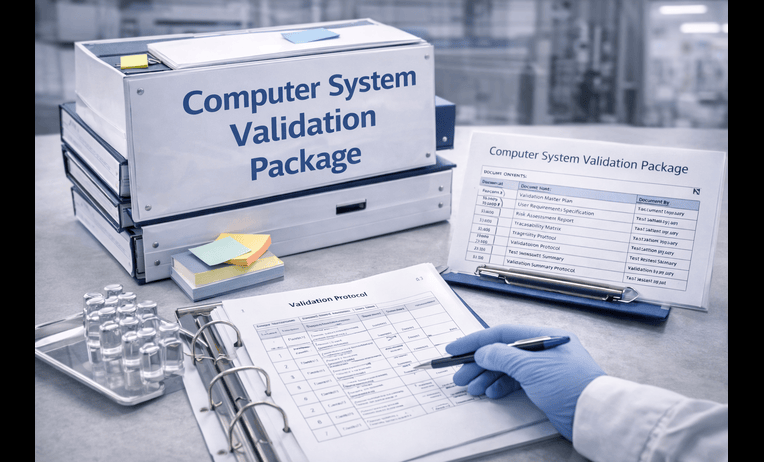
For decades, the industry standard was CSV. If you are unfamiliar with the terminology, the CSV full form stands for Computerized System Validation. Under the traditional CSV model, computer systems validation required extensive, step-by-step documentation for every single software feature, regardless of its actual impact on product quality or patient safety.
While CSV validation was designed to ensure systems functioned correctly, it inadvertently created a culture of “compliance by the pound.” Teams spent 80% of their time documenting system validation efforts and only 20% of their time actually testing the software for bugs. It became clear that this traditional approach to computer validation was hindering innovation rather than supporting it.
The Paradigm Shift: CSV to CSA
Recognizing the bottlenecks caused by excessive documentation, regulatory bodies have introduced a much-needed update. The FDA computer software assurance (CSA) model represents a fundamental shift in how the industry approaches compliance.
Understanding CSV vs CSA
When comparing csv vs csa, the most significant difference lies in the primary objective. The traditional computer system validation focused heavily on generating documented evidence to prove to auditors that a system worked. Conversely, computer software assurance vs validation focuses on actual software quality and patient safety.
The transition from csv to csa is designed to flip the old script: organizations should now spend 80% of their effort on rigorous, critical testing and 20% on documenting those efforts.
Core Principles of the New Guidelines
The computer software assurance fda guidance is a breath of fresh air for software developers, QA teams, and compliance officers alike. It encourages a leaner, more intelligent approach to fda software validation. Here are the core pillars of the FDA’s new software validation requirements:
1. Implementing a Risk-Based Software Testing Methodology
Not all software poses the same risk to patients. A system used to track employee training does not carry the same weight as software controlling a pacemaker. The new guidance mandates a risk-based software testing methodology.
Teams are expected to conduct thorough medical device risk analysis to categorize software into three main buckets:
- Direct Impact: Software that directly impacts patient safety or product quality (requires rigorous scripted testing).
- Indirect Impact: Software that supports quality systems but does not directly touch the product (can be tested using unscripted or ad-hoc testing).
- No Impact: Software used for general business operations (requires minimal baseline testing).
Leveraging modern GAMP 5 risk assessment software frameworks can help teams systematically categorize these systems and justify their testing strategies to auditors.
2. Championing Critical Thinking in Software Assurance
Perhaps the most revolutionary aspect of the FDA’s new software validation requirements is the explicit call for critical thinking in software assurance. Instead of blindly following a standardized checklist, QA teams are empowered to use their professional judgment. If a specific software function poses zero risk to data integrity or patient safety, testers can use critical thinking to scale back the testing documentation for that specific feature.
Practical Applications for QMS and Medical Devices
Adapting to these changes requires strategic updates across your organization’s entire digital ecosystem, from internal quality management to outward-facing products.
Navigating QMS Software Compliance Requirements
Quality Management Systems are the backbone of life science operations. Under the new CSA guidelines, meeting QMS software compliance requirements is much more streamlined. Because most off-the-shelf QMS platforms are already heavily tested by the vendor, organizations can leverage vendor audits and focus their internal testing solely on custom configurations and high-risk workflows.
Addressing Legacy Systems
A major concern for many companies is what to do with older, validated systems. Implementing legacy system compliance updates does not mean you have to tear down your old validation packages. Instead, as you roll out updates or patches to these older systems, you can apply CSA principles moving forward.
When updating legacy systems, maintaining strict 21 cfr part 11 compliance remains non-negotiable. This regulation governs electronic records and electronic signatures. Regulators will always check data integrity, which means you must know exactly what audit trails of computer systems include. A compliant audit trail must automatically capture the user’s identity, the date and time of the action, the original value, the new value, and a brief explanation of why the change was made.
Software as a Medical Device (SaMD)
The line between hardware and software continues to blur. Mobile health apps, diagnostic algorithms, and remote monitoring tools are now heavily regulated under software as a medical device guidelines.
When preparing a premarket submission for digital health tools, robust medical device software documentation is critical. Regulators want to see that you have applied rigorous risk management and testing protocols. While CSA reduces unnecessary documentation for internal IT systems, SaMD still requires meticulous, high-assurance validation to ensure flawless patient outcomes.
Modernizing Your Development Lifecycle
The days of rigid, waterfall-style development in life sciences are fading. The new guidelines actively support modern, fast-paced software development lifecycles.
Integrating Agile Frameworks
Historically, companies struggled to align iterative development with strict validation rules. Today, agile software development fda compliance is not only possible but encouraged. Agile’s focus on continuous testing, smaller release cycles, and rapid bug fixing aligns perfectly with CSA’s emphasis on software quality over bulky documentation. By integrating compliance checks directly into sprints, teams can release life-saving technology to the market faster.
The Rise of Automated Testing
Manual testing is prone to human error and is incredibly time-consuming. The FDA actively encourages the use of automated testing tools to ensure software quality. Achieving automated software testing compliance involves validating your automated testing tools (usually a low-risk, indirect system) and then using them to run thousands of test scripts in a fraction of the time it would take a human. This allows quality engineers to focus their energy on complex edge cases and exploratory testing.
Best Practices for Research and Clinical Settings
Laboratories and clinical trial environments have unique data integrity challenges. Implementing the best practices for software validation in research settings involves a few specific strategies:
- Leverage Vendor Documentation: If you purchase a Laboratory Information Management System (LIMS), do not re-test what the vendor has already proven. Audit the vendor and leverage their validation documentation.
- Focus on Intended Use: Validate the software based on how your lab actually uses it, not on every possible feature the software offers.
- Train Your Staff: Even the most perfectly validated system will fail if users do not understand it. Ensure your team is trained not just on the software, but on the principles of data integrity and CSA.
Moving Forward: Embracing the Future of Compliance
The shift in the FDA’s new software validation requirements is a monumental win for the life sciences industry. By transitioning from the rigid, document-heavy constraints of traditional CSV to the agile, critical-thinking approach of CSA, companies can redirect their valuable resources toward what truly matters: building secure, innovative, and high-quality technological solutions.
To succeed in this new regulatory landscape, organizations must foster a culture of quality over compliance. Train your quality assurance teams to think critically, embrace risk-based testing methodologies, and utilize modern automated testing tools. By doing so, you will not only streamline your path to regulatory approval but also ensure the highest levels of safety and efficacy for the patients who rely on your technology.
Compliance is no longer just about checking boxes—it is about assuring excellence. Ensure your organization is ready to embrace the modern era of software assurance today.