You probably have a health app tracking your daily steps right now. But what happens when a simple consumer gadget starts making life-or-death decisions about your heart rate? Industry records reveal that software glitches cause an increasing number of medical device recalls annually, proving invisible code needs stricter oversight than physical hardware.
To prevent these tragedies, officials are shifting their regulatory focus. Think of FDA software validation like a thorough home inspection. Rather than merely flipping a light switch, this process proves the hidden wiring will not eventually start a fire, confirming a tool is completely safe before it ever reaches a patient.
Meeting the FDA’s new software validation requirements means treating every medical computer system with intense scrutiny. Ultimately, this approach transforms oversight from burdensome paperwork into actual safety testing, guaranteeing our life-saving technology works flawlessly every single time.
When an App Becomes a Medical Tool
Counting daily steps on a smartphone is helpful, but if a basic fitness app crashes, a user merely loses data. The situation changes entirely when an application makes life-or-death decisions.
The core of computerized system regulation always comes down to risk. If software starts diagnosing a mole as cancer or calculating insulin doses, it becomes “software that acts as a medical tool.” The FDA steps in because the program is no longer just offering lifestyle advice; it acts as an actual medical device.
Computerised system failures carry severe risks in these high-stakes scenarios. A glitch isn’t an annoyance, it could mean a patient receives the wrong medication dosage. To prevent such tragedies, officials rely on the Software as a Medical Device regulatory framework, requiring developers to definitively prove their code is safe before it reaches patients.
Proving that reliability has historically been a remarkably clunky process. Instead of focusing entirely on testing how the actual software performs, companies often get trapped under mountains of documentation, leading directly to the problem with the ‘paperwork-first’ approach.
The Problem with the ‘Paperwork-First’ Approach
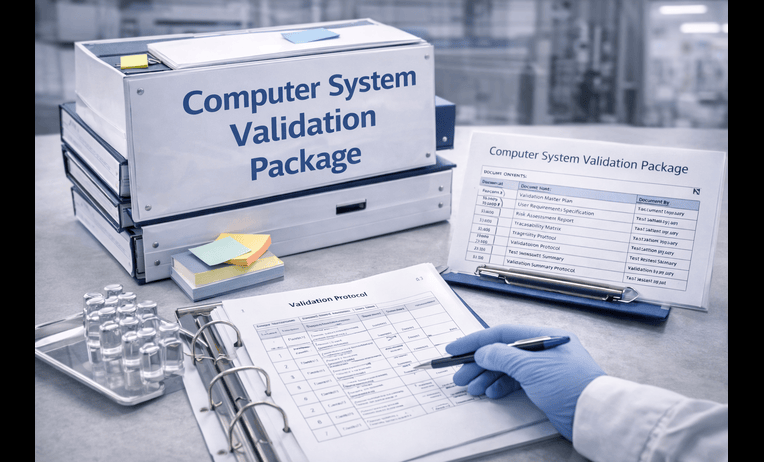
For decades, the standard way to prove medical technology was safe was known as Computer System Validation (CSV). In health tech, this represents a formal method of checking software. Imagine a home inspection where the inspector spends more time filling out forms describing the light switches than actually checking the house’s wiring for fire hazards.
Unfortunately, that is exactly what happened to computer systems validation over the years. Instead of aggressively testing code to find dangerous glitches, developers became buried under paperwork. The initial goal was absolute safety, but proving every single administrative rule was followed eventually overshadowed the actual testing of life-saving technology.
This heavy reliance on documentation created severe bottlenecks that hindered innovation and ultimately hurt patient safety through a few specific hurdles:
- Endless signature loops: Teams spent weeks signing off on physical documents just to verify basic, low-risk software tests.
- Distracted focus: Developers spent as much time documenting a hospital’s harmless scheduling tool as a pacemaker’s core functions, preventing a proper focus on high-risk features.
When updating a program requires months of paperwork, companies hesitate to release critical safety patches quickly. Recognizing this outdated computerised system validation process was leaving patients vulnerable to older bugs, the FDA knew the rules had to evolve, leading directly to how ‘Computer Software Assurance’ changes the game.
How ‘Computer Software Assurance’ Changes the Game
To fix the paperwork overload, regulators introduced a refreshing new mindset called FDA Computer Software Assurance (CSA). Instead of asking companies to prove they checked every box on a form, this updated framework asks them to prove the technology actually works safely in the real world.
When comparing CSV vs CSA, the biggest shift is moving from a documentation-heavy chore to a performance-focused mission. Think of it like buying a car: rather than spending hours reading the manufacturing manual to guarantee the vehicle is safe, you actually take it out for a rigorous test drive on the highway to see how the brakes respond.
At the heart of this change is the FDA risk-based approach for software, which simply means prioritizing the features that could actually harm a patient. Under this rule, a hospital’s cafeteria menu app gets a quick, basic review, while the code controlling an automated insulin pump goes through intense, grueling stress tests.
Ultimately, evaluating Computer Software Assurance vs Computer System Validation reveals a massive win for public health. By freeing developers from mountains of irrelevant paperwork, companies can release critical safety updates faster, catch dangerous glitches sooner, and build significantly safer medical technology.
Shifting the focus back to where it belongs patient well-being requires experts to actively look for flaws rather than blindly following a rigid template. Consequently, modern testing frameworks prioritize critical thinking over rigid, scripted checklists.
Why Critical Thinking Beats a Scripted Checklist
Imagine hiring a security guard who only checks the front door because that is what their manual says, ignoring a shattered window nearby. That is the exact danger of relying solely on a rigid set of instructions to find flaws in life-saving technology. To prevent dangerous glitches, experts are increasingly applying critical thinking to software testing protocols rather than just following a checklist.
The difference between unscripted testing vs scripted testing protocols comes down to how investigators hunt for problems:
- Checking a Box (Scripted): A tester types a normal heart rate into a patient monitor app, verifies the number appears on the screen, and moves to the next task.
- Searching for Weakness (Unscripted): A tester tries entering letters, suddenly turning the screen off mid-calculation, or overwhelming the app to see if the heart monitor freezes.
Because medical software is incredibly complex, humans cannot catch every hidden flaw on their own. To guarantee safety in highly regulated medical spaces, developers rely on automated testing tools for GxP environments. These are essentially robot programs that rapidly simulate thousands of real-world user actions, catching tiny defects and reducing human error before a device ever reaches a hospital.
Catching these bugs before a product launches is only half the battle. Once the software is in the real world, tracking every single update requires robust audit trails and strict accountability protocols.
Protecting Your Health Data: Audit Trails and Accountability
When your doctor updates a prescription in your electronic health record, that change must be permanently recorded to prevent dangerous mix-ups. To protect this critical data integrity, modern audit trails of computer systems include a built-in digital fingerprint detailing exactly who made a change, what was altered, and exactly when it happened.
Because digital files can be easily manipulated or accidentally deleted, the FDA enforces a strict rule to keep your medical history safe. Achieving 21 CFR Part 11 compliance for medical software ensures that an electronic record or digital signature is just as trustworthy and legally binding as a physical signature on a traditional paper chart.
Proving these security features actually work requires rigorous CSV validation, testing the software to confirm it successfully blocks unauthorized users from altering life-saving information. With robust security features in place, organizations can confidently modernize their validation processes.
Practical Steps: Moving from Old Checks to New Assurance
Shifting to smarter safety frameworks changes how health tech companies operate. Transitioning from CSV to CSA focuses human effort on what matters most: patient well-being. Developers are now adopting best practices for software quality management systems essentially a continuous “health check” for the software itself. This approach dramatically reduces testing time without sacrificing reliability.
To make this upgrade smoothly while streamlining documentation for FDA software audits, organizations follow three actionable steps:
- Identify high-risk areas: Focus intense testing on features directly impacting human life.
- Choose automation tools: Let smart technology handle repetitive safety checks.
- Update staff training: Teach teams best practices for software validation in research settings.
Ultimately, these modern procedures ensure life-saving medical apps work flawlessly exactly when needed. Mastering these behind-the-scenes safeguards accelerates the pace of safe medical innovation.
Better Software, Faster: The Future of Medical Innovation
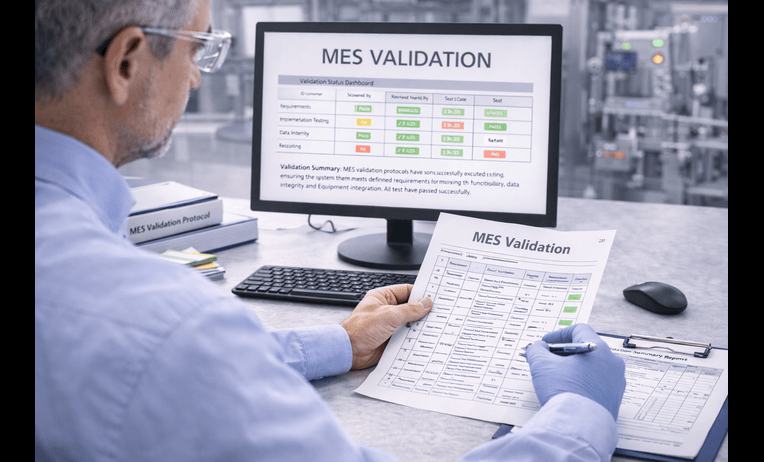
Previously, decoding medical tech regulations often felt like learning a foreign language. Now, the new FDA draft guidance expectations boil down to a common-sense shift: less time checking administrative boxes and more time ensuring absolute patient safety. This practical approach reshapes the impact of FDA CSA on manufacturing execution systems, allowing creators of life-saving equipment to focus on preventing real-world glitches instead of generating endless paperwork.
By integrating agile development with FDA compliance, developers can safely update medical tools as seamlessly as a routine smartphone app. This modernization means doctors and patients finally get faster access to reliable, cutting-edge medical breakthroughs without ever sacrificing peace of mind.
This regulatory evolution guarantees smarter, safer technology, ensuring medical software becomes as agile as consumer apps while maintaining rigorous safety standards.