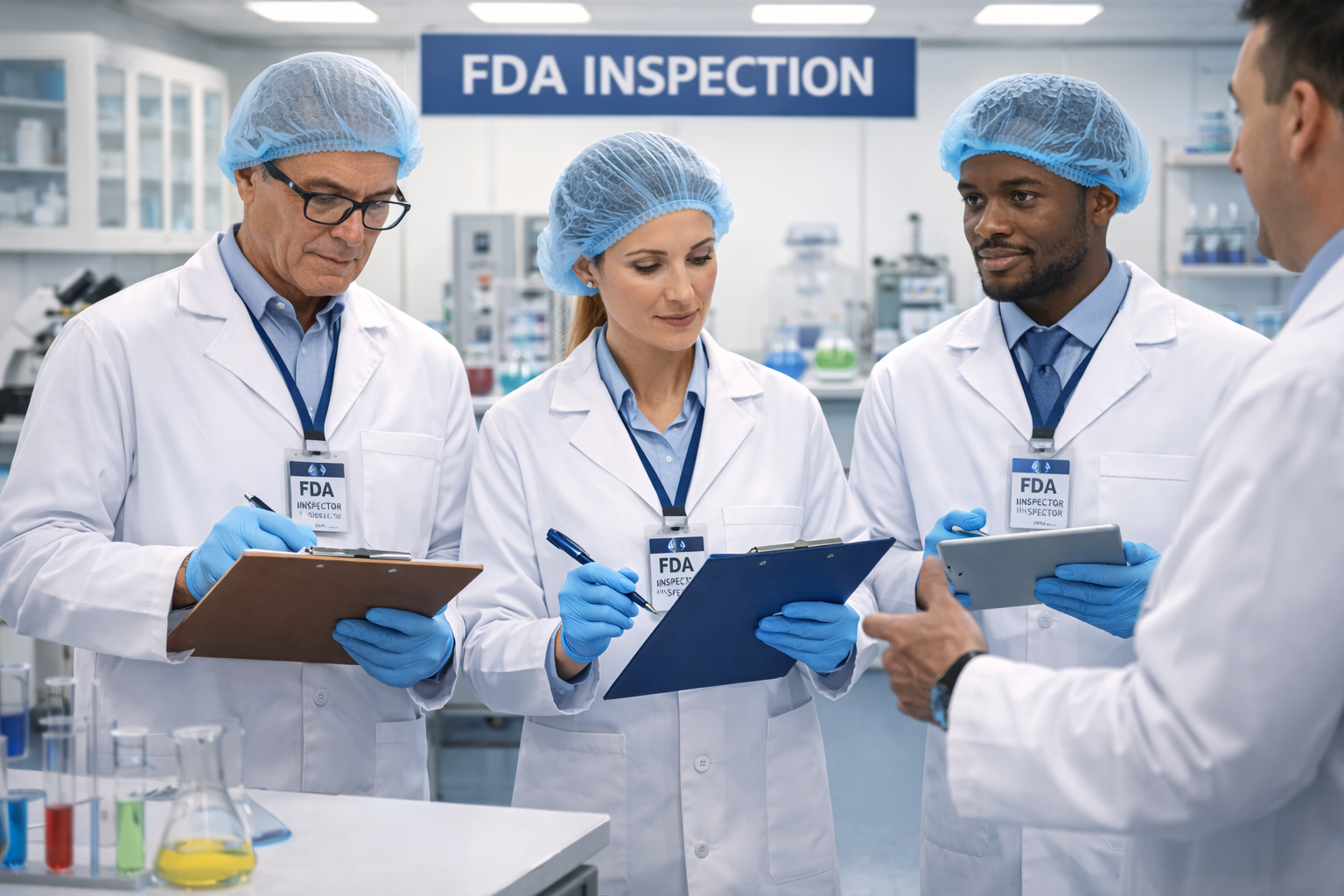
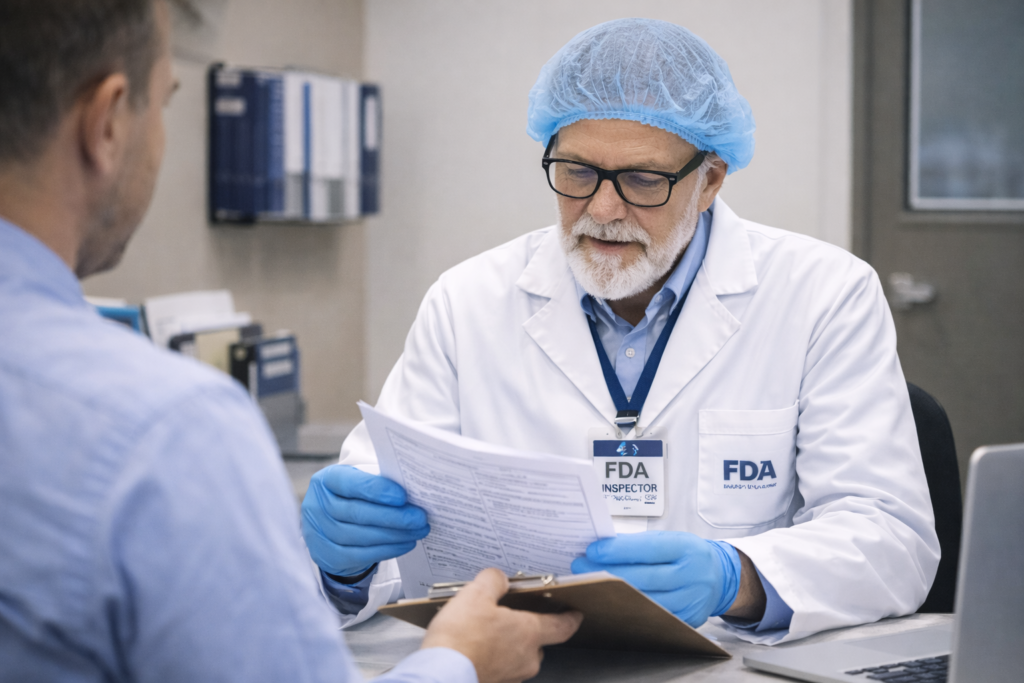
Facing an audit from the Food and Drug Administration can be one of the most stressful experiences for any life sciences or manufacturing company. However, surviving and thriving during these regulatory visits is entirely possible when you understand the mechanics of the process.
By prioritizing proactive preparation and partnering with the right experts, your organization can confidently demonstrate US FDA compliance and safeguard its operations. Let’s dive into everything you need to know about navigating the complex landscape of federal audits.
What Does the FDA Regulate?
Before you can adequately prepare, you must understand the agency’s jurisdiction. A common question among new market entrants is: for what is the FDA responsible, and exactly what does the FDA regulate?
The FDA’s mandate is to protect public health by ensuring the safety, efficacy, and security of human and veterinary drugs, biological products, and medical devices. Furthermore, what is regulated by the FDA extends to our nation’s food supply, cosmetics, and products that emit radiation.
When executives ask what industries are regulated, the answer is broad. It encompasses everything from dietary supplements to high-risk surgical implants. Because FDA regulations span such diverse fields, the agency employs tailored guidelines for each sector. For example, food manufacturers must adhere to FSMA food facility oversight protocols, while device manufacturers must comply with cGMP compliance standards (Current Good Manufacturing Practices).
Types of FDA Inspections
Not all visits are the same. An USFDA inspection generally falls into one of several categories:
- Routine Inspections: Standard checks to ensure ongoing compliance with FDA standards.
- For-Cause Inspections: Triggered by specific events. If you are wondering what triggers an unannounced FDA visit, it could be consumer complaints, adverse event reports, or a history of significant violations.
- Pre-Approval Inspections (PAI): Conducted before a new product can go to market. A pre approval inspection verifies that the manufacturing facility can safely produce the product exactly as described in the application. Understanding the FDA Pre-Approval Inspection timeline is critical for product launch planning.
- Bioresearch Monitoring (BIMO): These audits enforce Bioresearch Monitoring Program requirements to ensure the integrity of clinical trial data and the protection of human subjects.
The Inspection Process: What to Expect
When investigators arrive, knowing which below are steps in effective inspections can ease the anxiety. The process generally includes:
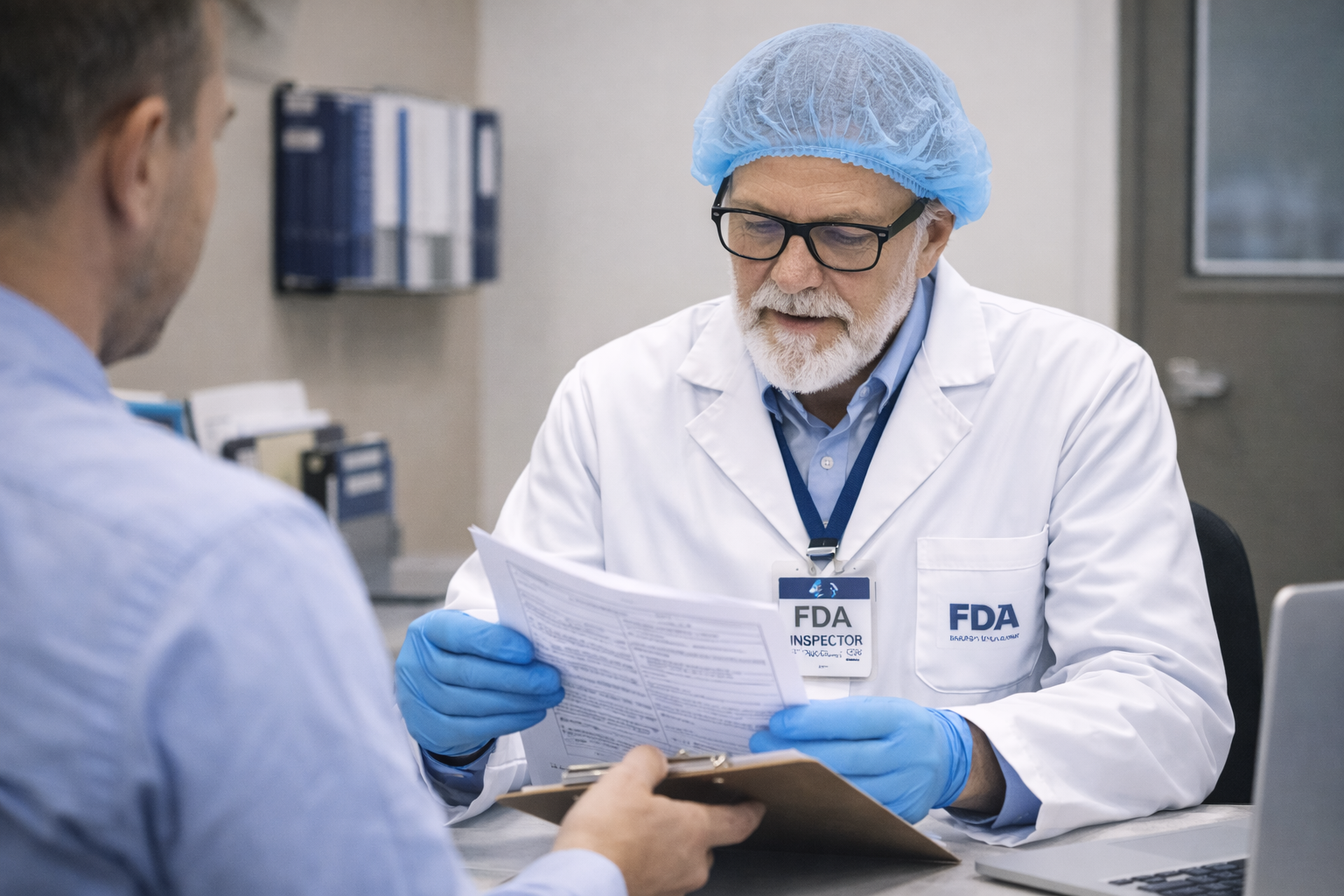
- Opening Meeting: Investigators present their credentials and a Notice of Inspection (Form 482).
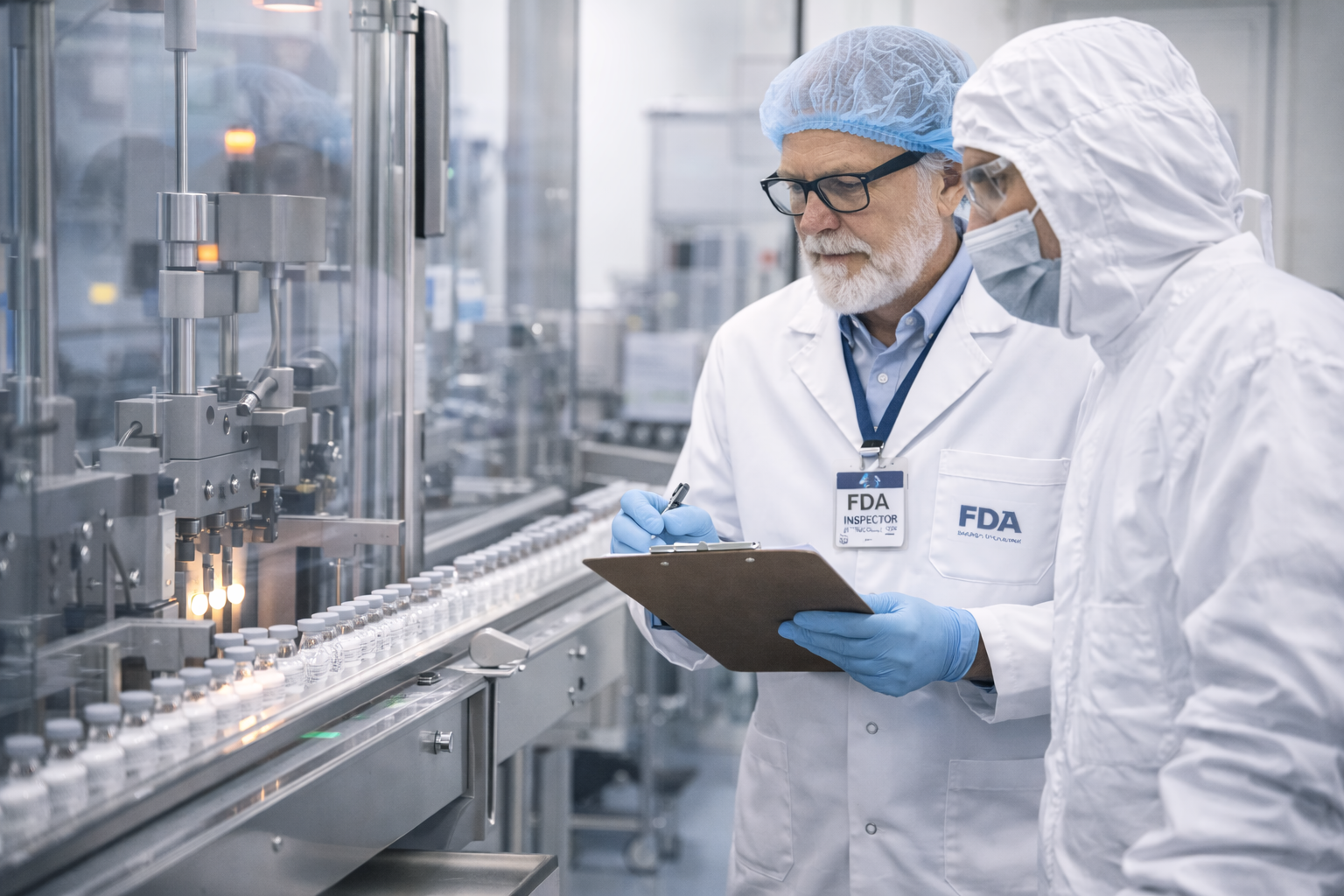
- Facility Tour: They will walk through your operations to assess general conditions and check FDA building requirements.
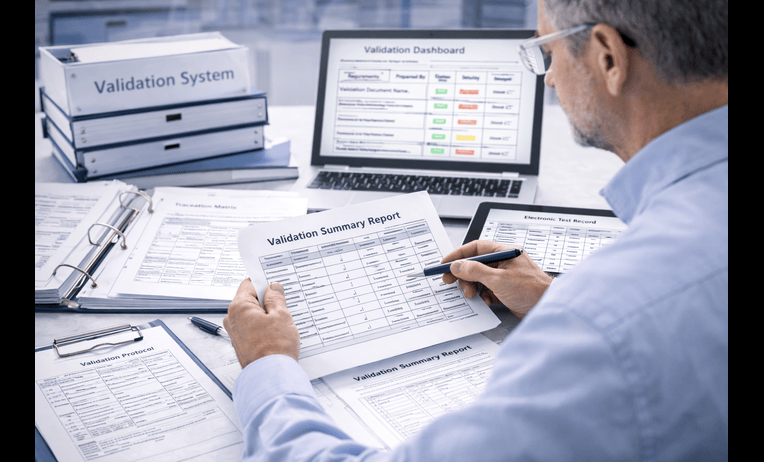
- Document and System Review: For device manufacturers, inspectors often utilize the QSIT methodology. Understanding the Quality System Inspection Technique checklist (or FDA QSIT) helps you anticipate their requests.
- Data Verification: A massive focus is placed on maintaining data integrity in manufacturing, ensuring records haven’t been altered or fabricated.
Mastering FDA Inspection Readiness
Achieving true FDA inspection readiness is not an overnight task; it requires a culture of continuous quality. Inspection readiness means your facility, personnel, and documentation are prepared for a regulatory inspection at any given moment.
Best Practices for Conducting Inspections with Commissioning Checklists
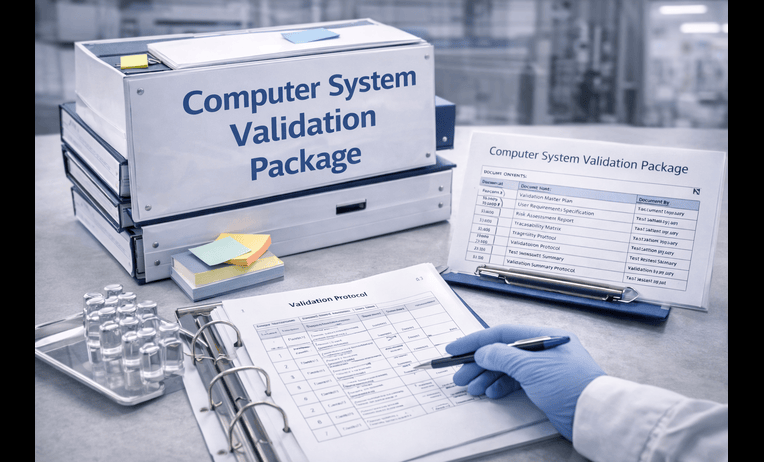
To build an effective foundation, companies must implement standard operating procedures for audit readiness. Start by utilizing an inspection readiness checklist tailored to your specific industry. For example, a pharmacy might use a pharmacy audit checklist, while a pharmaceutical plant would rely on an FDA checklist for inspection tailored to drug manufacturing.
Internal Audit vs. FDA Site Visit
Don’t wait for the agency to point out your flaws. Conducting a rigorous mock inspection is one of the top inspection readiness best practices. While an internal audit might be more collaborative, an FDA mock inspection should simulate the high-pressure environment of the real thing. This helps gauge your true medical device inspection readiness or PAI inspection readiness checklist execution.
Equipping Your Team
Provide your staff with inspection readiness tools and conduct an honest inspection readiness assessment. Ensure that frontline workers know how to answer investigator questions accurately without guessing. Building internal capability is so vital that many professionals actively seek FDA inspection jobs specifically to transition their regulatory expertise into private-sector quality roles.
Navigating Medical Device Regulations and Innovations
The medical device sector is moving at breakneck speed. Recent headlines featuring neuromodulation FDA news, FDA imaging clearance news, and exciting milestones like the medical magnesium FDA breakthrough device designation highlight the agency’s willingness to accelerate life-saving technologies.
Securing an FDA breakthrough device designation provides manufacturers with expedited review paths. However, this does not relax the stringent medical device inspection requirements. Companies must flawlessly navigate FDA design controls 21 CFR 820.30 guidance to prove their products are designed safely. Furthermore, adhering to current FDA guidance on biocompatibility (or FDA biocompatibility guidance) is non-negotiable for devices that come into contact with the human body.
The Strategic Role of FDA Consulting Services
Many companies realize that navigating the intricate web of federal oversight requires specialized help. This is where FDA regulatory consulting becomes invaluable. An experienced FDA regulatory consultant can interpret complex agency jargon and build a step-by-step regulatory compliance roadmap.
Finding the Right Expertise
With so many options, companies often ask: who provides the best FDA consulting services for device companies? Or, which consulting service is best for FDA med device approval?
The answer depends on your specific needs. Here are a few specialized roles:
- FDA 510k Consultant / US FDA 510k Consulting: Ideal for companies needing clearance for devices that are substantially equivalent to existing products.
- FDA NDA Consultant / FDA Approval Consultant: Critical for pharmaceutical companies preparing New Drug Applications.
- FDA Remediation Consultant: Steps in when you need urgent remediation for FDA warning letters.
- Consultants for FDA Pre-Submission Meetings: Helps you engage with the agency early to clarify expectations.
- FDA Customs Clearance Consultant: Ensures that international shipments of FDA regulated products aren’t held up at the border.
When searching for the best FDA regulatory consulting for medical devices 2025, look for FDA quality and regulatory consultants who have a proven track record. The best-rated FDA consultancy for medical device research will offer a holistic approach, providing everything from FDA QSR consulting to strategic clinical advice.
Collaborating with CROs
If you are conducting clinical trials, partnering with FDA consulting experts for contract research organizations is vital. You want to identify the top CROs for medical devices FDA compliance and the leading FDA regulatory advisors for medical device CROs. Utilizing the most reliable FDA compliance service for med device CROs guarantees that your trial data will hold up under BIMO scrutiny.
Post-Inspection: Managing the Outcomes
The exit interview is just the beginning of the post-audit phase. When the US FDA inspections conclude, the investigator may issue a Form 483, detailing observed violations.
Navigating the Form 483 Response Process
A fast, comprehensive Form 483 response process is critical. You typically have 15 days to respond. Your response must address the root cause of the observations and propose a robust Corrective and Preventive Action plan implementation (CAPA).
If the observations are severe, or if your response is inadequate, the agency may issue a Warning Letter. At this stage, relying on FDA compliance consulting or a specialized FDA remediation consultant can save your business from costly shutdowns.
Final Reports and Databases
Eventually, you will receive your Establishment Inspection Report findings (EIR), which details the final classification of the FDA audit. It is worth noting that the agency maintains an FDA inspection database, tracking compliance histories across the industry. Keeping your record clean is vital for maintaining investor and consumer trust. (Note: Internal agency tracking often utilizes systems like FDA TIMS to monitor facility statuses).
Final Thoughts: Building a Culture of Compliance
Understanding how to prepare for FDA audit procedures isn’t just about passing a test; it is about committing to patient safety and product quality. From the initial PAI FDA audit to ongoing routine checks, regulatory inspection readiness must be woven into the fabric of your organization.
Whether you are seeking the best FDA consulting services for device companies to launch a new product, or you simply need an FDA compliance consultant to conduct a routine FDA mock inspection, don’t wait until the investigator is in your lobby.
Leverage recommended FDA regulatory consultants for device trials, integrate dynamic inspection readiness tools, and lean on top-tier FDA consulting firms specialized in medical devices or pharmaceuticals to ensure your operations are flawless. By transforming your approach from reactive panic to proactive FDA inspection readiness, you secure not just regulatory approval, but long-term market success.