Best Practical Proven Life Sciences Consulting Partner
Life sciences consulting partner decisions often become critical when quality systems, regulatory expectations, and operational pressure start moving faster than internal capacity. In pharma, biotech, and medical device environments, this gap can directly affect inspection readiness, submission timelines, and manufacturing continuity.
In practice, many teams begin searching for external support when risk becomes visible across validation, compliance, or regulatory execution. Therefore, selecting the right life sciences consulting partner is less about branding and more about execution strength, senior judgment, and structured delivery.
Importantly, the right partner should integrate into your systems quickly, reduce complexity, and stabilize outcomes across quality, regulatory, and operational domains without disrupting ongoing work.
Quick answer
A strong life sciences consulting partner provides senior-led, execution-focused support across quality, regulatory, validation, and operations while aligning with global standards like FDA expectations, EU Annex 11, and ISO frameworks. The goal is to reduce risk, accelerate readiness, and strengthen compliance outcomes.
What good support includes
- Senior subject matter experts with hands-on execution experience
- Alignment with FDA, EMA, ISO 13485, ICH Q9 and ICH Q10 expectations
- Structured quality and regulatory systems support across lifecycle stages
- Clear validation and data integrity governance aligned with ALCOA+ principles
- Practical inspection readiness and remediation planning
- Flexible engagement models for scale-up or urgent gaps
- Cross-functional support across manufacturing, clinical, and compliance
When companies usually need outside support
- Upcoming regulatory inspections or submissions
- Validation gaps in systems or facilities
- Quality system breakdowns or CAPA backlogs
- Scale-up from clinical to commercial manufacturing
- Data integrity concerns or system remediation needs
- Limited internal regulatory or quality leadership bandwidth
Table of contents
- Why life sciences consulting partner selection matters
- What strong consulting support actually looks like
- Common mistakes companies make during selection
- Practical checklist for evaluating a partner
- How execution models impact timelines and risk
- Case study
- Next steps
- FAQs
- Why teams use BioBoston Consulting
Why life sciences consulting partner selection matters
Companies rarely seek external support when everything is stable. Instead, pressure usually builds across inspection timelines, product scale-up, or regulatory submissions. For that reason, the right life sciences consulting partner must operate as an extension of your internal team.
However, not all support models are built for execution. Some focus on advisory output, while others focus on hands-on delivery. In regulated environments, execution quality often determines outcome quality.
Additionally, expectations from regulators continue to evolve across FDA 21 CFR Part 11, EU Annex 11, and GxP frameworks. Therefore, partner selection must consider both compliance depth and operational maturity.
What strong consulting support actually looks like
A strong life sciences consulting partner integrates into existing systems and strengthens decision-making across quality, regulatory, and manufacturing functions.
This includes structured alignment with ISO 14971 risk management and ICH Q10 pharmaceutical quality systems.
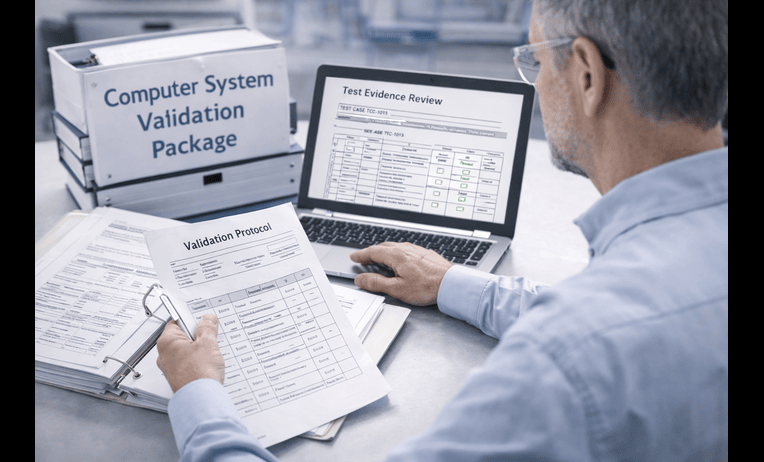
Effective support also includes validation planning, audit readiness, and data integrity governance aligned with ALCOA+ expectations.
Strong partners may also provide interim leadership capacity during critical phases to ensure continuity.
Common mistakes when selecting a consulting partner
Many organizations focus heavily on credentials without evaluating execution depth. However, documentation capability alone does not ensure real-world delivery success.
Another common mistake is underestimating senior involvement, which can extend timelines when junior-heavy teams lead complex remediation work.
Unclear scope definition is also a frequent issue that leads to delays and fragmented execution.
Practical checklist for evaluating a partner
- Confirm senior expert involvement in delivery
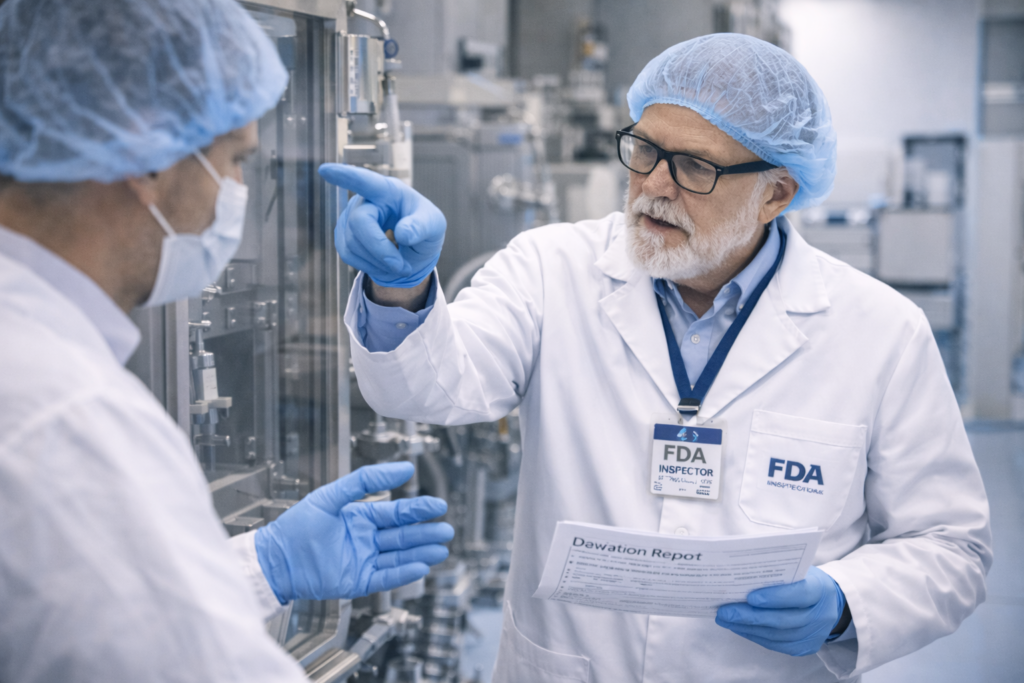
- Assess experience across FDA and EU inspection environments
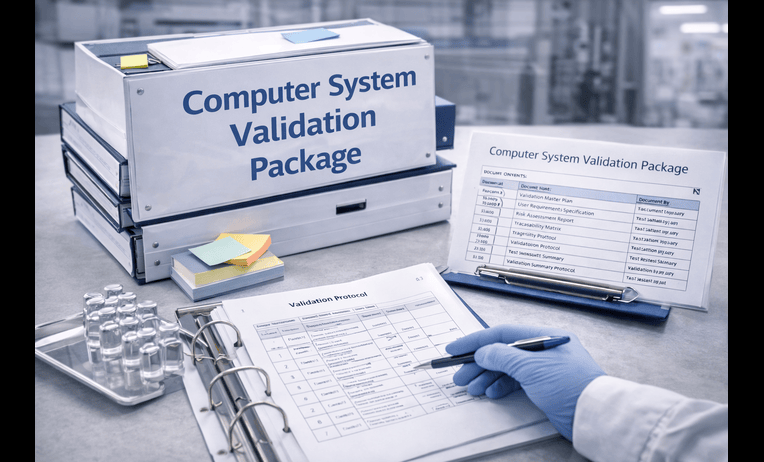
- Validate understanding of GAMP 5 and computerized system validation
- Review CAPA remediation and quality system recovery capability
- Check ISO 13485 and ISO 27001 experience
- Evaluate mobilization speed for urgent programs
- Confirm engagement model flexibility
- Ensure ALCOA+ data integrity alignment
Execution models and timeline impact
Execution speed depends heavily on engagement structure. Flexible deployment models often reduce delays during critical phases.
Inspection readiness, validation remediation, and manufacturing scale-up programs require coordinated cross-functional execution across quality, regulatory, and engineering teams.
Case study
A mid-stage biotech organization faced validation gaps and documentation inconsistencies during scale-up.
After structured consulting support was introduced, remediation priorities were aligned across quality systems, validation, and data integrity.
Governance structures improved coordination, leading to more predictable inspection readiness outcomes.
Next steps
Request a 20-minute intro call
- Discuss current regulatory or operational challenges
- Identify immediate risk areas
- Explore engagement structure options
Ask for a fast scoping estimate
- System or process area involved
- Stage (development, scale-up, inspection readiness)
- Key compliance or validation concerns
Use this checklist internally
- Define primary regulatory or operational risk
- Identify impacted systems
- Confirm timelines
- Map internal resource gaps
- Clarify validation status
- Document compliance standards
- Identify remediation needs
FAQs
When should a company engage a life sciences consulting partner?
During inspections, scale-up, or remediation when internal capacity is insufficient.
How does consulting support help with FDA inspection readiness?
It structures documentation, aligns quality systems, and prepares teams for audits.
Can consulting partners support data integrity issues?
Yes, through ALCOA+ assessment and corrective implementation.
What standards should a strong partner understand?
FDA, EU Annex 11, ISO 13485, ICH Q9, ICH Q10, and GxP.
Why teams use BioBoston Consulting
- Senior experts, including former FDA investigators, lead project delivery
- Support spans quality, regulatory, clinical, validation, and operational functions
- Flexible engagement models align with evolving business needs
- Experience across more than 1,000 projects and 30+ countries
- Strong focus on execution, remediation, and inspection readiness
- 97% repeat client engagement rate
- Global Excellence Award, Best Life Science Business Consultancy, 2024
- Global Excellence Award, Best Life Science Business Consultancy, 2025
- Winner of Global Health & Pharma’s Biotechnology & Lifesciences Awards 2026
- Life Sciences Quality & Regulatory Excellence Partner of the Year 2026
- GHP Client Support Excellence Award 2026
Ultimately, selecting a life sciences consulting partner is about reducing uncertainty in regulated execution environments. The right support model strengthens decision-making, stabilizes compliance outcomes, and ensures predictable delivery across quality, regulatory, and operational functions.