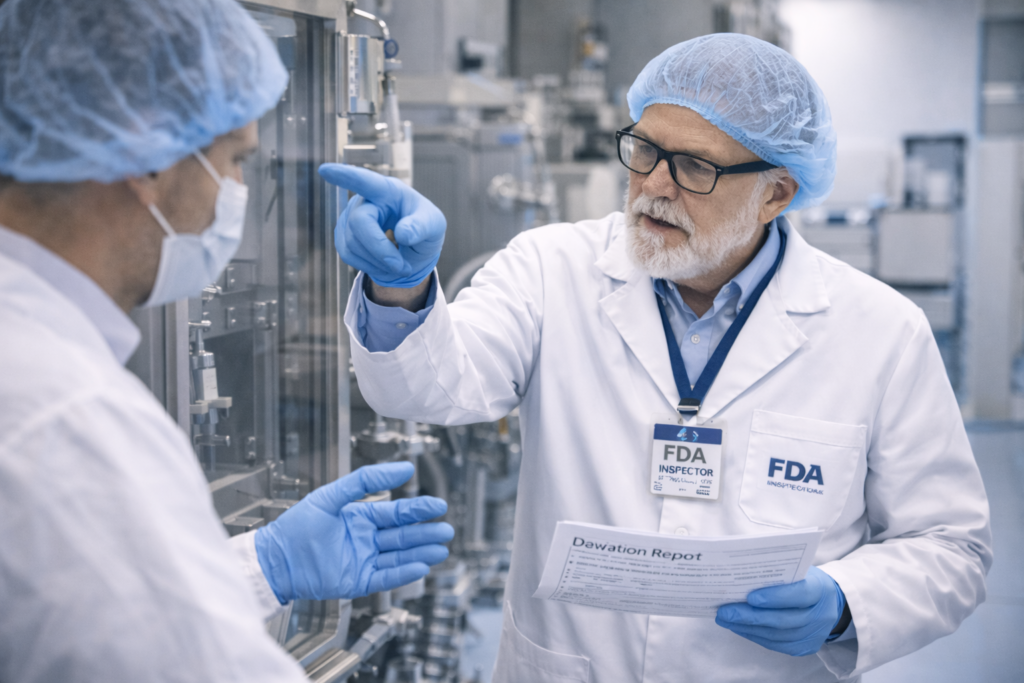
Pre-approval inspections are a crucial step in the regulatory process. A pre-approval inspection (sometimes written as a pre approval inspection) helps verify US FDA compliance and alignment with FDA standards before products reach the market. These reviews, which can resemble an FDA audit or related FDA inspections, focus on manufacturing processes, quality control, and documentation.
Understanding the benefits of pre-approval inspections is vital for companies. It fosters inspection readiness and helps them maintain compliance and avoid costly delays. This process is essential for ensuring patient safety and product efficacy.
The FDA plays a significant role in regulating medical devices and pharmaceuticals. What does the FDA regulate? Among other areas, it oversees drugs, biologics, and devices under FDA regulation. FDA inspections are thorough and aim to protect public health, whether part of a pre-approval inspection or a routine USFDA inspection. Companies must be prepared to meet these stringent requirements.
Inspection readiness is key to a successful pre-approval inspection. Companies often seek the expertise of FDA consultants and broader FDA consulting services when consulting FDA policy. These experts provide guidance on compliance through FDA regulatory consulting and FDA regulatory consulting services, helping teams navigate complex regulations.
Pre-approval inspections are proactive measures. They help identify potential issues early, preventing future problems. This proactive approach is beneficial for both companies and consumers and can include addressing topics highlighted in FDA guidance on biocompatibility early in development.
In this article, we will explore the importance of pre-approval inspections. We will discuss their benefits and how to prepare effectively. Understanding these aspects can lead to successful product approvals.
What is a Pre-Approval Inspection?
A pre-approval inspection is a regulatory check conducted before a product’s market release. The aim is to verify compliance with FDA standards and requirements. These inspections are a critical part of the approval process for medical devices and pharmaceuticals. For devices, elements may be assessed using QSIT principles during a medical device inspection, reinforcing FDA inspection readiness for manufacturers.
During a pre-approval inspection, the FDA evaluates several aspects. Inspectors look at the manufacturing operations to ensure they adhere to Good Manufacturing Practices (GMP). They also assess the quality control systems in place to maintain product standards.
Key elements considered during a pre-approval inspection include:
- Manufacturing processes
- Quality control procedures
- Documentation and record-keeping
- Facility and equipment conditions
A successful pre-approval inspection can lead to faster market entry for a product. Conversely, failure to meet requirements can result in significant delays. Companies, therefore, strive for thorough preparation and seek guidance from experts in FDA regulations, including experienced FDA regulatory consultants who can help interpret evolving guidance.
Why Pre-Approval Inspections Matter: Key Benefits
Pre-approval inspections are essential to ensuring product safety and effectiveness. They help safeguard public health by verifying that all products meet stringent regulatory criteria. This step is critical to prevent harm and enhance consumer trust.
One of the core benefits of pre-approval inspections is identifying and mitigating potential issues before market launch. Early detection of problems allows companies to make corrections, thus avoiding costly setbacks. This proactive approach can lead to smoother product development and greater success during FDA review.
Moreover, these inspections help maintain high standards across the industry. Companies are motivated to adhere to best practices and continuously improve their processes. This outcome fosters a culture focused on quality, benefiting all stakeholders involved.
Key benefits of pre-approval inspections include:
- Ensuring compliance with FDA standards
- Identifying potential delays or rejections early
- Enhancing product safety and quality
- Boosting consumer confidence and trust
Furthermore, inspections offer an opportunity for companies to receive valuable feedback from regulatory authorities. This interaction helps businesses refine their processes and align closely with regulatory expectations. By emphasizing these benefits, companies can better appreciate the importance of pre-approval inspections and remain committed to regulatory compliance.
The FDA’s Role and Regulatory Requirements
The FDA plays a pivotal role in ensuring that products entering the market are safe and effective. As a regulatory authority, the FDA sets comprehensive guidelines for companies to follow. These guidelines cover everything from production to quality control and are reinforced through FDA biocompatibility guidance, device-specific expectations, and transparent policy updates.
Understanding the FDA’s regulatory requirements is crucial for success. Companies need to align their processes with these standards to avoid penalties or delays. The FDA provides detailed documentation to help organizations meet these expectations.
Key elements of FDA regulatory requirements include:
- Adherence to Good Manufacturing Practices (GMP)
- Comprehensive product testing and validation
- Rigorous documentation and record-keeping
By adhering to these standards, companies can ensure compliance and facilitate a smoother approval process. Meeting regulatory requirements can be complex, so having a clear understanding of these elements is vital.
In addition to providing regulatory frameworks, the FDA conducts inspections to verify compliance. These inspections ensure that companies consistently meet the necessary standards. Businesses must be diligent in their preparation, keeping abreast of any changes in guidelines to maintain their compliance effectively.
Preparing for a Pre-Approval Inspection: Best Practices
Preparing for a pre-approval inspection involves thorough planning and attention to detail. By adopting best practices, companies can enhance their readiness and increase their likelihood of success.
First, it’s essential to understand what inspectors will evaluate. They focus on areas like quality control, documentation, and manufacturing processes. Knowing these key areas allows you to prepare thoroughly.
To start, consider these initial steps:
- Review all relevant FDA guidelines and standards
- Conduct internal audits to identify potential gaps
- Ensure that records and documentation are accurate and up-to-date
Training your team is a critical component of inspection readiness. Employees should be well-versed in FDA requirements and understand the importance of compliance. Regular training sessions can reinforce this knowledge. For device teams, include refreshers on QSIT concepts and current FDA guidance on biocompatibility to ensure documentation aligns with expectations.
Another critical aspect is maintaining excellent communication. Foster open lines of communication between departments to ensure everyone is aligned. This helps in quickly addressing any issues that may arise during preparation.
Consider conducting mock audits as part of your preparation. Simulated inspections can identify weaknesses and provide real-time practice for your team. This exercise helps reduce anxiety and boosts confidence before the actual inspection. When feasible, include best practices for conducting inspections with commissioning checklists to ensure facilities and utilities are inspection-ready.
For best practices, remember:
- Utilize checklists to cover all inspection areas
- Engage with experienced FDA consultants for expert advice
- Regularly update all training materials and procedures
Companies preparing complex submissions should also ensure claims and evidence align with pathways like FDA breakthrough device designation or NDA submissions; pharma sponsors may benefit from engaging an experienced FDA NDA consultant for dossier integrity.
By implementing these strategies, companies position themselves better for successful pre-approval inspections. This proactive approach not only facilitates smooth inspections but also strengthens overall compliance culture.
Common Challenges and How to Overcome Them
Pre-approval inspections can pose several challenges for companies. Identifying these issues early can help in devising effective solutions. Understanding and addressing these hurdles is crucial for a successful inspection process.
One common challenge is incomplete documentation. Missing or incorrect documentation can lead to delays. To counter this, implement a robust document management system. Regular checks can ensure all records are up-to-date and accurate.
Staff preparedness is another significant concern. Insufficiently trained employees may struggle to provide required information. Address this by conducting regular training sessions and knowledge assessments. This ensures that everyone understands their roles and responsibilities during inspections.
Communication lapses can also affect inspection outcomes. Misaligned objectives between departments can create inconsistencies. Encourage transparent communication to keep all teams informed and working towards common goals.
Key steps to overcome these challenges include:
- Establishing a detailed documentation review process
- Regular staff training and competency assessments
- Encouraging open communication across all levels
Adopting these strategies helps mitigate challenges, ensuring smoother and more successful pre-approval inspections. With proper planning and a proactive approach, companies can turn challenges into opportunities for improvement.
The Role of FDA Consultants and Regulatory Advisors
FDA consultants and regulatory advisors play a vital role in navigating complex regulatory landscapes. Their expertise provides a clear path through the intricate requirements of pre-approval inspections. They offer valuable insights that can significantly streamline the compliance process.
These professionals help companies understand the specific requirements relevant to their products. They have an in-depth knowledge of FDA standards and practices. This specialized knowledge ensures that companies meet all necessary regulatory criteria and avoid common pitfalls.
Moreover, FDA consultants bring a fresh perspective to the table. They can identify areas that might be overlooked internally. Hiring these experts often saves companies time and resources in the long run by preemptively identifying and solving potential issues.
Organizations often engage FDA consulting firms, including FDA consulting firms specialized in medical devices, or broader FDA regulatory consulting firms. The best FDA consulting services for device companies pair deep quality expertise with regulatory know-how. Depending on scope, you might work with US FDA consultants, an individual FDA consultant, a dedicated FDA consultant medical device specialist, or a multidisciplinary team of FDA compliance consultants and FDA regulatory consultants. For portfolio-level planning, an FDA regulatory strategy consultant can help. Sponsors that partner with contract research organizations may benefit from leading FDA regulatory advisors for medical device CROs or FDA consulting experts for contract research organizations; top CROs for medical devices FDA compliance often embed such advisors.
Key roles and benefits of FDA consultants include:
- Offering strategic advice tailored to specific needs
- Assisting in the preparation of required documentation
- Providing training and guidance to company staff
- Conducting mock audits to ensure readiness
Engaging with FDA consultants and regulatory advisors is an investment in compliance and efficiency. Their support ensures a higher level of preparedness for FDA inspections and audits.
Inspection Readiness: Tools, Checklists, and Mock Audits
Preparing for a pre-approval inspection can seem daunting. However, using the right tools and strategies can simplify the process. Inspection readiness involves a mix of planning, training, and strategic evaluation.
Checklists are essential tools in this preparation process. They ensure no critical steps are missed. Utilizing detailed checklists helps teams stay organized and efficient throughout the preparation phase.
Key checklist items include:
- Review of all documentation
- Verification of equipment calibration
- Confirmation of staff training records
Mock audits simulate real inspection scenarios. They are invaluable in assessing true readiness. Conducting these mock audits helps identify gaps and areas needing improvement before the actual inspection. In some cases, a focused FDA inspection or internal FDA audits-style review can surface issues earlier, enabling swift remediation.
Benefits of mock audits include:
- Identifying compliance gaps early
- Training staff in inspection protocols
- Building confidence for the actual inspection day
Moreover, using digital tools for document management and tracking can enhance readiness. These tools provide real-time updates and streamline communication across teams. Their use makes the pre-approval inspection preparation less challenging and more manageable.
Case Studies: Success Stories from Medical Device and Pharma Companies
Many companies have successfully navigated the pre-approval inspection process. By using strategic planning and leveraging expert advice, they achieved regulatory compliance efficiently. These success stories highlight effective practices in the industry.
One notable case involved a medical device company that significantly reduced inspection delays. They did this by partnering with top FDA regulatory consultants and conducting thorough mock audits. Their proactive approach paid off, ensuring a smooth approval process with targeted FDA regulatory consulting services.
Key strategies implemented include:
- Engaging expert FDA consultants
- Regular staff training sessions
- Continuous quality system reviews
Another pharma company streamlined its approval process through meticulous documentation. They maintained detailed records and employed digital tools for efficient data management. This attention to detail ensured their inspection readiness, resulting in a swift product launch. By collaborating with what many consider the best FDA regulatory consulting for medical devices and the best-rated FDA consultancy for medical device research (for combination-product interfaces), these teams coordinated seamlessly with clinical partners and top CROs for medical devices FDA compliance. Both cases demonstrate that with proper preparation and the right support, companies can excel in FDA inspections.
Conclusion: Building a Culture of Compliance and Quality
Pre-approval inspections are more than regulatory hoops to jump through. They represent a vital opportunity for companies to affirm their commitment to compliance and quality. By embedding these principles into everyday operations, organizations foster trust and ensure product safety.
Creating a culture of compliance involves ongoing education and improvement. This means staying updated with FDA standards and guidance. It also requires investing in training for the entire team, from top management to front-line staff. Many organizations complement internal capabilities with FDA regulatory compliance consulting and FDA regulatory affairs consulting to maintain momentum between formal reviews.
Ultimately, the goal is continuous enhancement of processes. Companies that prioritize regulatory requirements inevitably boost their reputation and market position. A proactive stance on inspections not only minimizes risks but also maximizes opportunities for innovation and growth. Staying informed through official updates and sector insights such as neuromodulation FDA news helps teams anticipate changes. Embracing these practices as part of the company ethos leads to long-term success in the competitive medical device and pharmaceutical industries.