In the highly regulated worlds of pharmaceuticals, biotechnology, and medical device manufacturing, software drives almost every critical operation. From laboratory instruments analyzing chemical compounds to enterprise systems managing supply chains, technology is the backbone of modern healthcare and life sciences. But what happens when that technology fails or processes data incorrectly? The consequences can range from compromised product quality to severe risks to patient safety.
This is precisely where computer system validation (CSV) becomes indispensable. Validation ensures that your technology does exactly what it is intended to do, reliably and securely.
In this comprehensive guide, we will break down the fundamental requirements, regulatory guidelines, and modern best practices for validating your critical systems, ensuring you remain compliant while driving operational excellence.
The Basics: Defining the Terminology
Before diving into regulatory frameworks, we need to establish a clear understanding of the core concepts.
If you are new to the industry, you might be asking: what is computerized system? Broadly speaking, a computerized system encompasses the hardware, software, network components, and operating procedures working seamlessly together to perform a specific business function. If you operate in Europe or regions utilizing British English spelling, you might search for what is computerised system rest assured, the definition is entirely identical. It ranges from a simple desktop application tracking lab samples to a massive enterprise resource planning (ERP) system.
In regulatory circles, the csv full form stands for Computer System Validation. Simply put, csv validation is the documented process of testing and verifying that these systems operate securely, consistently, and accurately within their intended environment. Whether your team refers to it formally as computerized system validation or simply as computer validation, the objective remains uniform: providing documented evidence of system reliability.
Navigating the Regulatory Landscape
Regulatory agencies across the globe require organizations to validate software that impacts patient safety, product quality, or data integrity. At the heart of this regulatory scrutiny is the necessity of maintaining data integrity in regulated environments. If a system generates data that proves a drug is safe, inspectors must be completely confident that the data has not been altered, lost, or compromised.
Key Global Regulations
- United States: The cornerstone of fda software validation is Title 21 of the Code of Federal Regulations. Meeting FDA 21 CFR Part 11 compliance requirements is mandatory for any organization using electronic records and electronic signatures. This regulation demands strict access controls, secure record retention, and comprehensive audit capabilities.
- Europe: Across the Atlantic, the EudraLex Annex 11 European guidelines serve as the benchmark for computer systems validation. Annex 11 emphasizes a risk-based approach, ensuring that IT infrastructure and applications are thoroughly validated and securely maintained throughout their lifecycle.
To satisfy these regulations, inspectors heavily scrutinize system security. For example, compliant audit trails of computer systems include secure, computer-generated, time-stamped records that document the date, time, user identity, and exact nature of any action that creates, modifies, or deletes an electronic record. This is a critical component for mitigating risks in electronic record keeping.
Creating a Robust Validation Strategy
Building a compliant system requires meticulous planning. You cannot simply install software, click around to see if it works, and call it validated. You need a structured approach.
The Validation Master Plan
The first step for any organization is understanding how to create a validation master plan (VMP). A VMP is a high-level document that outlines your company’s overall validation strategy, detailing which systems need validation, the resources required, and the specific procedures that will be followed.
The GAMP 5 Framework
To execute this plan efficiently, most industry leaders rely on the GAMP 5 risk-based approach framework. GAMP 5 (Good Automated Manufacturing Practice) encourages companies to scale their validation efforts based on the complexity and novelty of the system, as well as its potential risk to patient safety. Instead of a one-size-fits-all approach, GAMP 5 allows you to focus your resources where they matter most.
Gathering Requirements
A successful system validation project starts with clearly defined requirements. You must document exactly what the software needs to do. Developing precise User Requirement Specifications for laboratory systems (URS) ensures that the software meets the exact needs of your scientists and technicians, from data capture requirements to interface usability.
To ensure that every single requirement is actually built and tested, compliance teams use a Traceability matrix for software requirements. This matrix links the initial user requirements directly to the testing protocols, ensuring there are no gaps in your validation coverage.
Understanding Testing Protocols (IQ, OQ, PQ)
Once the requirements are set and the system is built, testing begins. It is vital to understand the Difference between IQ OQ PQ protocols:
- Installation Qualification (IQ): Provides documented evidence that the software and hardware are installed exactly according to the manufacturer’s specifications.
- Operational Qualification (OQ): Verifies that the system functions correctly in the specified operating environment. This includes testing error messages, security access, and data boundary limits.
- Performance Qualification (PQ): Demonstrates that the system consistently performs as intended under routine, real-world workloads and everyday business processes.
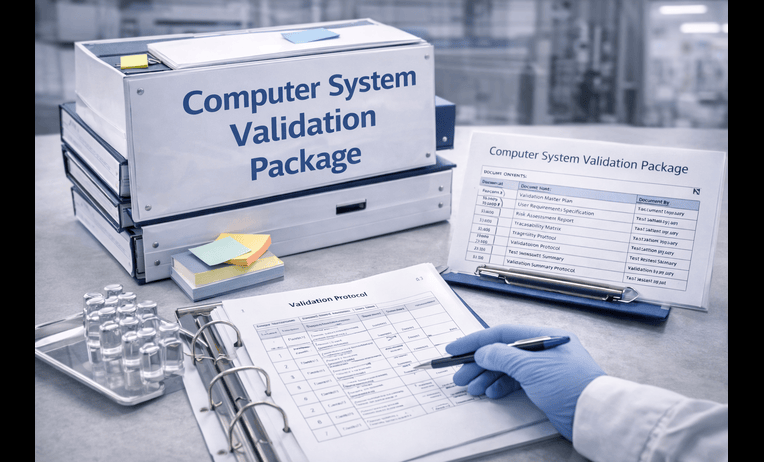
Today, many organizations use specialized pharma validation software to digitize and manage these protocols, replacing cumbersome paper-based binders with streamlined digital workflows.
The Paradigm Shift: From CSV to CSA
For decades, traditional validation often resulted in massive volumes of paperwork. Teams would spend thousands of hours taking screenshots to prove that simple, low-risk software functions worked.
Recognizing this bottleneck, the FDA has recently encouraged a paradigm shift. If you are keeping up with industry news, you are likely aware of the fda’s new software validation requirements, which introduce the concept of fda computer software assurance (CSA).
What is the Difference?
When looking at csv vs csa, the traditional CSV model is heavily documentation-centric. In contrast, CSA is a critical-thinking-centric approach.
Evaluating the CSA vs CSV methodology differences reveals that CSA encourages testers to apply rigorous, scripted testing only to high-risk features that directly impact patient safety or product quality. For lower-risk features (like standard IT infrastructure or out-of-the-box reporting tools), testers can use unscripted or ad-hoc testing, significantly reducing the documentation burden. This shift not only accelerates deployment but actually improves software quality by focusing human intelligence on the most critical system vulnerabilities.
Lifecycle Management and Continuous Compliance
Validation is never a one-time event; it is an ongoing state of control. Following a strict, step-by-step software development life cycle for healthcare ensures that quality assurance is baked into the system from the initial concept through to the system’s eventual retirement.
Managing Legacy Systems
Systems naturally age. Operating systems receive patches, hardware degrades, and business processes evolve. To maintain compliance, organizations must establish a rigorous periodic review process for legacy systems. Typically conducted annually or biennially, this review assesses system logs, deviation reports, and change controls to verify that the system remains in a validated state. If a system drifts out of compliance, remediation actions must be taken immediately.
Quality Assurance Audits
To prepare for regulatory inspections, internal teams should routinely conduct independent assessments. Implementing the best practices for software quality assurance audits involves reviewing the validation packages, checking the traceability matrix for completeness, and ensuring that all standard operating procedures (SOPs) are being actively followed by staff. Proactive auditing prevents minor compliance gaps from becoming major regulatory findings.
Modern Challenges and Technological Advancements
The life sciences industry is rapidly modernizing, which brings both incredible opportunities and new validation hurdles.
The Move to the Cloud
Historically, pharmaceutical software was hosted on-premise, giving IT teams total control over the servers. Today, validating cloud based software in life sciences (SaaS, PaaS, IaaS) is the new norm. Cloud validation requires a shift in strategy. Since you do not control the backend infrastructure, you must rely heavily on rigorous vendor audits, robust Service Level Agreements (SLAs), and a clear delineation of responsibilities between your organization and the cloud provider.
Automation and Agility
With the rise of Agile development methodologies, releasing software updates once a year is no longer acceptable. Teams are actively improving operational efficiency through automated testing. By utilizing automated test scripts within a regulated framework, organizations can run comprehensive regression tests overnight. This ensures that a new patch or update does not inadvertently break existing, validated functionalities.
Innovation in Research Settings
Finally, while manufacturing environments require ironclad, inflexible processes, research and development (R&D) requires agility. Applying the best practices for software validation in research settings means finding a delicate balance. R&D systems should be validated to ensure data integrity and reproducibility, but the controls should not be so rigid that they stifle scientific innovation and discovery.
Conclusion
Mastering computer system validation is not merely a regulatory hoop to jump through; it is a fundamental pillar of product quality and patient safety. Whether you are transitioning from traditional CSV to modern CSA methodologies, moving your infrastructure to the cloud, or refining your IQ/OQ/PQ protocols, a risk-based, structured approach is essential. By embracing these best practices, life science organizations can confidently deploy innovative technologies, maintain unbroken data integrity, and ultimately deliver safe, effective products to the patients who need them most.