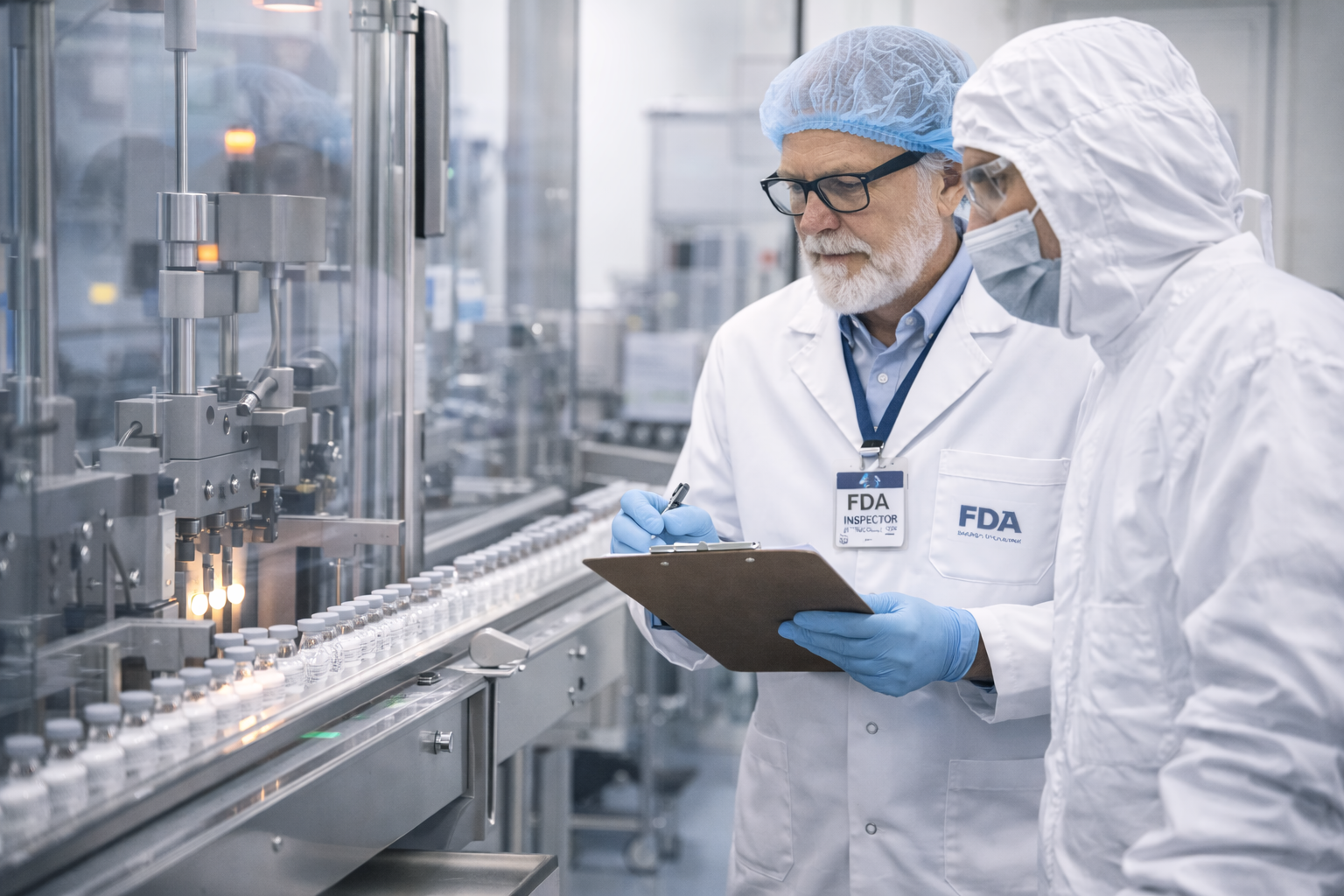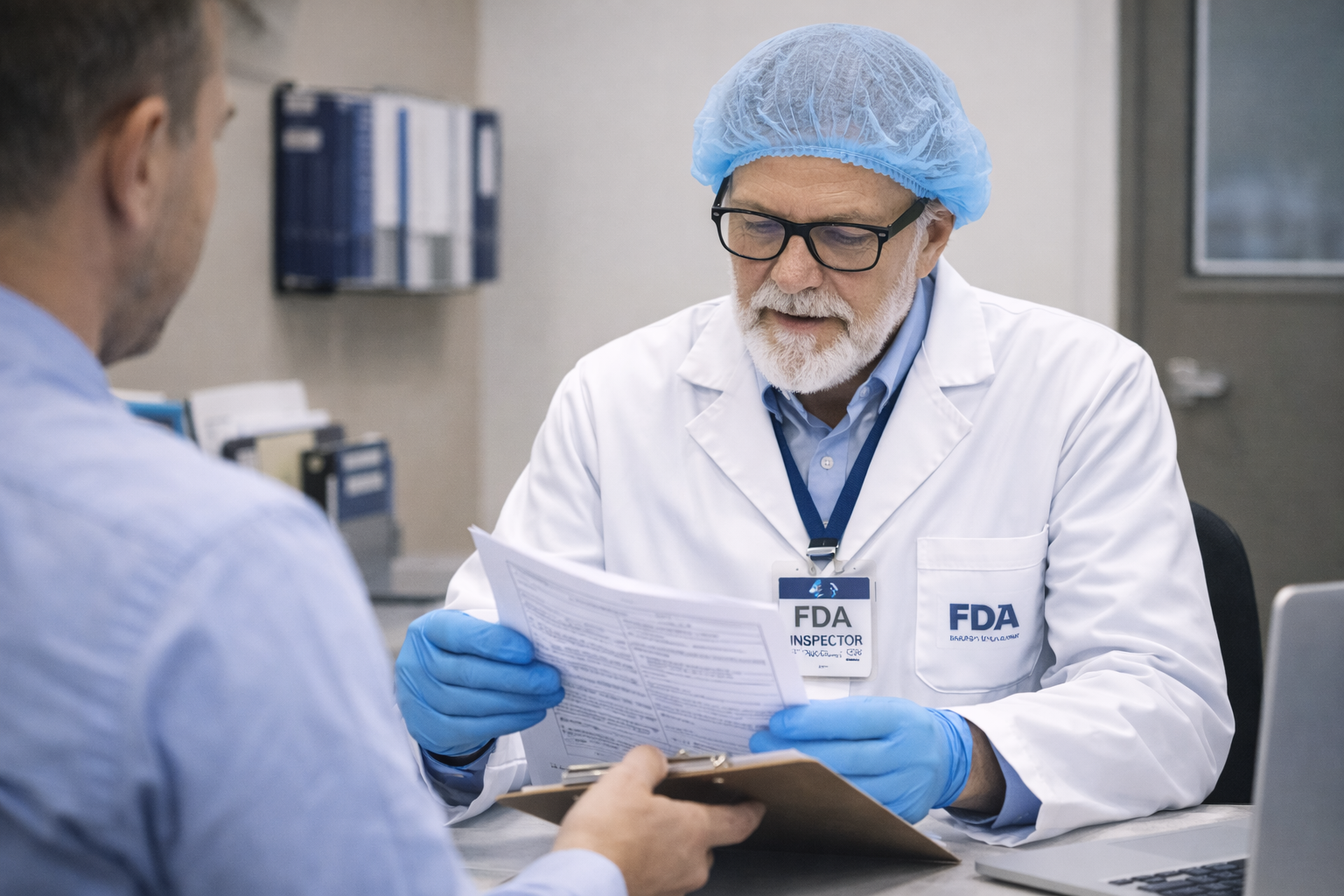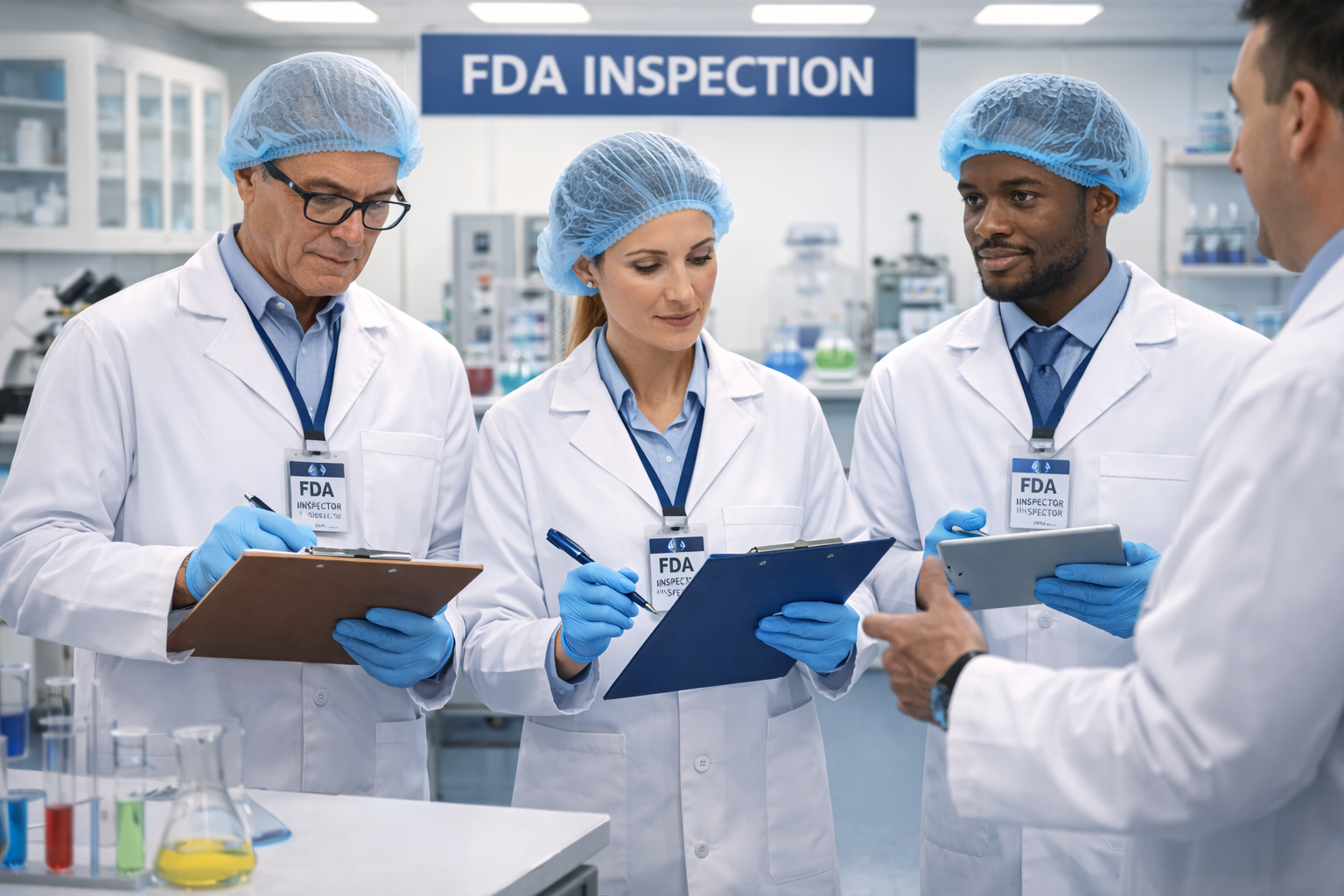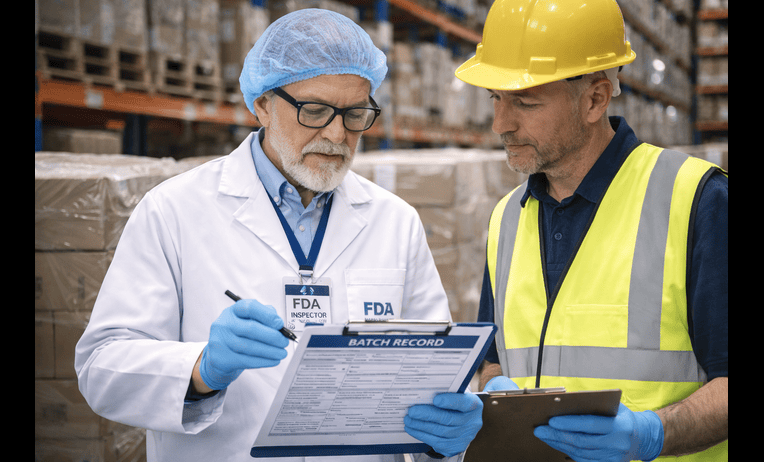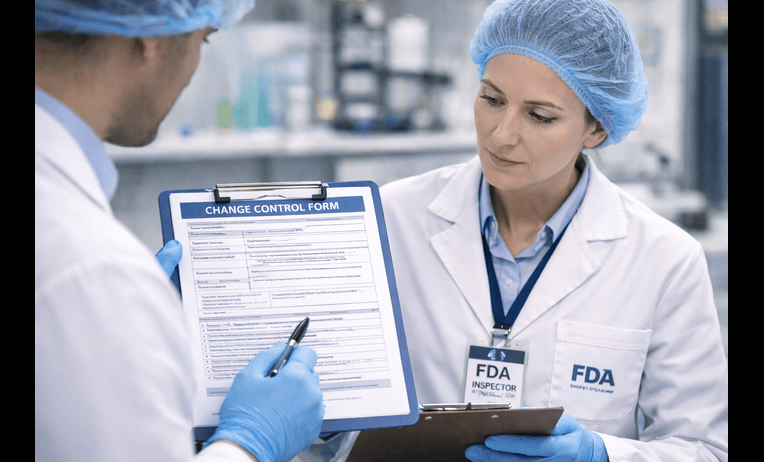
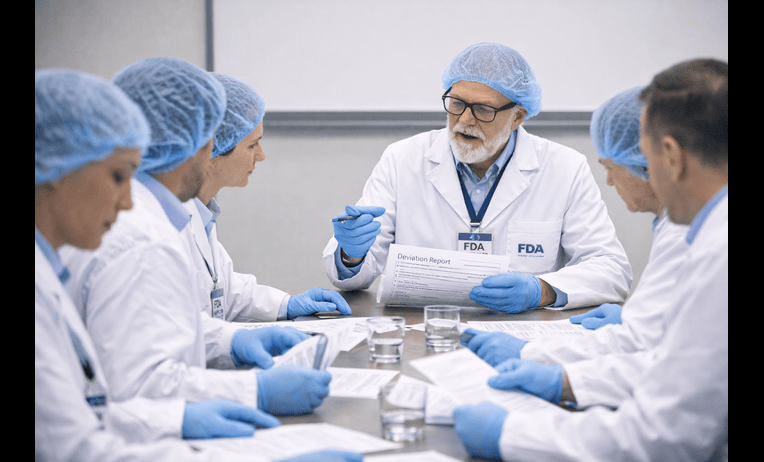
The moment an investigator walks through your facility’s doors, the stakes are undeniably high. Whether you manufacture pharmaceuticals, biologics, or medical devices, achieving comprehensive FDA Inspection Readiness is not a one-time event; it is a continuous state of operational excellence. To navigate this complex landscape, companies must fully understand their obligations, align with current guidelines, and foster a culture of quality.
If you are wondering exactly what is regulated by the FDA or simply what does the FDA regulate, the scope is vast: from food and cosmetics to life-saving drugs, biologics, and intricate medical devices. Preparing your site requires deep knowledge of FDA regulation and strict adherence to FDA standards.
Here is a comprehensive guide to mastering FDA Inspection Readiness, ensuring compliance, and successfully managing every phase of an FDA audit.
Understanding the Fast-Paced Regulatory Landscape
Innovation in the life sciences sector moves rapidly, and regulatory oversight must keep pace. Staying current with industry breakthroughs is just as important as maintaining your quality systems. For instance, recent industry buzz spans from the medical magnesium FDA breakthrough device designation to the highly anticipated milestones when the FDA approves IceCure cryoablation breast cancer October 2025 and when the FDA approves ProSense cryoablation breast cancer October 2025 (or tracking the broader cryoablation FDA approval status and the milestone when the FDA approves ProSense cryoablation breast cancer 2025).
Keeping an eye on orthopedic device FDA news, spine device FDA news, neuromodulation FDA news, and FDA imaging clearance news reveals how rigorous the agency’s scrutiny can be for novel technologies. Earning an FDA breakthrough device designation or achieving a milestone like the CamAPS FX FDA clearance 2024 requires flawless documentation and unwavering compliance.
The Blueprint: Quality Systems and Documentation
The foundation of readiness lies in robust regulatory compliance management for life sciences. Facilities must implement quality management system documentation best practices to ensure every process is traceable.
Mastering Audits vs. Inspections
Understanding the difference between internal audit vs FDA inspection procedures is critical. Internal audits are your proactive safety net, whereas an FDA inspection is a formal regulatory evaluation. To bridge the gap, organizations should learn how to conduct an FDA mock audit. Mock audits simulate the pressure of the real event, helping your team identify gaps before the investigator arrives.
Design Controls and Biocompatibility
For medical device developers, adhering to the FDA design controls 21 CFR 820.30 guidance is non-negotiable. When working with patient-contacting materials, a thorough understanding of FDA guidance biocompatibility is required. You must align your testing with the FDA guidance use of ISO 10993-1 biocompatibility 2020. Having the right FDA biocomp guidance (often searched as FDA biocompatibility guidance or FDA guidance on biocompatibility) ensures your preclinical data holds up under scrutiny.
Data Integrity and Manufacturing Practices
In the pharmaceutical space, data integrity requirements in pharma manufacturing have become a top priority for inspectors. Ensure your facility maintains current good manufacturing practice compliance (cGMP) at all times. Utilizing a comprehensive pharmaceutical quality system audit checklist will help QA teams verify that records are accurate, legible, contemporaneously recorded, original, and accurate (ALCOA).
What to Expect During an FDA Facility Inspection
If you are wondering what to expect during an FDA facility inspection, preparation is the key to minimizing anxiety. So, how long does an FDA pre-approval inspection last? Typically, it ranges from a few days to a couple of weeks, depending on the complexity of the facility and the product.
To manage this high-stress period, establishing a clear strategy is essential:
- Establish an Inspection War Room Strategy: Dedicate a specific back-room for your team to quickly gather, review, and redact documents before presenting them to the inspector in the front room.
- Invest in Subject Matter Expert Training for FDA Interviews: Your SMEs must know how to answer questions concisely and confidently without volunteering unrequested information.
- Embrace Technology: The benefits of automated compliance tracking software cannot be overstated. Instant retrieval of SOPs, CAPAs, and training records demonstrates control and competence to the investigator.
Navigating Post-Inspection: Forms, Databases, and Remediation
Once the inspection concludes, you may receive a Form 483 if the investigator noted any deviations. Understanding the common reasons for FDA Form 483 observations—such as inadequate CAPA procedures or poor complaint handling—can help you avoid them.
Facilities must act quickly to draft a corrective and preventive action plan development strategy. If the observations escalate, remediating FDA warning letter findings becomes an urgent corporate priority requiring deep regulatory expertise.
Industry professionals frequently monitor the FDA TIMS (Tracking Inspections Management System) and the public FDA inspection database to gauge enforcement trends. By reviewing US FDA inspection reports, FDA inspection reports, and comprehensive FDA inspection data, companies can learn from others’ mistakes. The FDA inspection classification database (and queries into an FDA inspection database 483 or an FDA inspection 483) provides valuable insights into how the agency classifies specific violations.
Note: The demand for compliance has driven a surge in FDA inspection jobs, with companies aggressively hiring quality engineers and compliance managers to fortify their ranks.
Building Your Regulatory Dream Team: The Role of Consultants
Navigating this highly regulated environment is rarely a solo endeavor. Many companies turn to external experts, asking themselves: who provides the best FDA consulting services for device companies, or which consulting service is best for FDA med device approval? The ecosystem of FDA regulatory consulting is vast, covering everything from pre-market submissions to post-market compliance.
Whether you need general FDA consulting services or highly specialized assistance, finding the right FDA consultant is a game-changer. Here is a breakdown of the vital roles these experts play:
Specialized Consulting Services
- Submission & Strategy: Facilities frequently hire an FDA regulatory strategy consultant, an FDA pre-sub consulting specialist, or consultants for FDA pre-submission meetings to align with the agency early. Specific needs might require an FDA 510k consultant, an US FDA 510k consulting firm, an FDA Q-submission consulting expert, or an FDA medical device consulting 510 k submission specialist. For drug products, an FDA NDA consultant is crucial.
- Biologics & Complex Devices: Navigating advanced therapies requires FDA biologics approval services and robust FDA regulatory affairs consulting.
- Compliance & Auditing: To maintain readiness, companies lean on an FDA compliance consultant, FDA compliance consultants, or a dedicated FDA audit consultant. If things go wrong, an FDA remediation consultant provides crisis management.
- Import/Customs & Quality Systems: Moving products across borders requires an FDA import consultant, an FDA import compliance consultant, or an FDA customs clearance consultant. For internal systems, FDA QSR consulting and FDA quality and regulatory consultants ensure your QMS is bulletproof.
Finding the Right Partner for Your Needs
When searching for the best FDA regulatory consulting for medical devices, or simply trying to find an “FDA consultant near me,” evaluating a firm’s track record is vital. The market is filled with FDA consulting firms specialized in medical devices, alongside broader FDA consulting firms and FDA regulatory consulting firms.
For Medical Device companies and CROs, top-tier partnerships are crucial. You might seek out leading FDA regulatory advisors for medical device CROs, leading FDA regulatory advisors medical device CROs, or top CROs for medical devices FDA compliance. Finding the most reliable FDA compliance service for med device CROs or FDA consulting experts for contract research organizations ensures your clinical trials meet regulatory expectations. Utilizing preclinical testing providers with recent FDA inspection success can drastically reduce approval risks.
Firms like MCRA FDA regulatory consulting services and Eurofins FDA regulatory consulting medical devices are often cited among the best FDA consulting services for device companies. Looking toward the future, companies are already researching the best FDA regulatory consulting for medical devices 2025 to secure the best-rated FDA consultancy for medical device research (or best-rated FDA consultancy medical device research).
Whether you search for US FDA regulatory consultants, FDA regulatory consultants medical device, recommended FDA regulatory consultants for device trials, or broader FDA regulatory consultants, the goal is the same: securing unmatched expertise. From FDA medical device consulting and FDA regulatory affairs consultants to overarching medical device compliance consulting FDA compliance, finding a top FDA consulting firm provides peace of mind.
The Value of Comprehensive Compliance Support
Ultimately, engaging with FDA compliance services, FDA compliance support services, or FDA regulatory compliance services is an investment in your product’s future. Whether you need an FDA approval consultant, FDA approval consulting, FDA meeting preparation consulting, or an expert in FDA medical device consulting FDA regulatory, these partnerships form the bedrock of your compliance strategy. Simply put, consulting FDA experts whether it’s an individual FDA consultant medical device expert, US FDA consultants, or a team specializing in FDA regulatory compliance consulting and FDA compliance consulting—safeguards your operations against unexpected regulatory hurdles. Furthermore, engaging FDA registration consultants early on ensures that your facility is properly recognized by the agency before any inspection occurs.
Conclusion
FDA Inspection Readiness is not a destination but an ongoing journey. By understanding exactly what the agency regulates, implementing rigorous quality controls, leveraging modern compliance software, and partnering with top-tier FDA regulatory consulting services, your organization can face any regulatory audit with absolute confidence. Stay proactive, train your teams relentlessly, and treat every day as if the investigator is already waiting in your lobby. Ensure your facility is not just compliant, but fully equipped to bring life-saving innovations safely to the market.