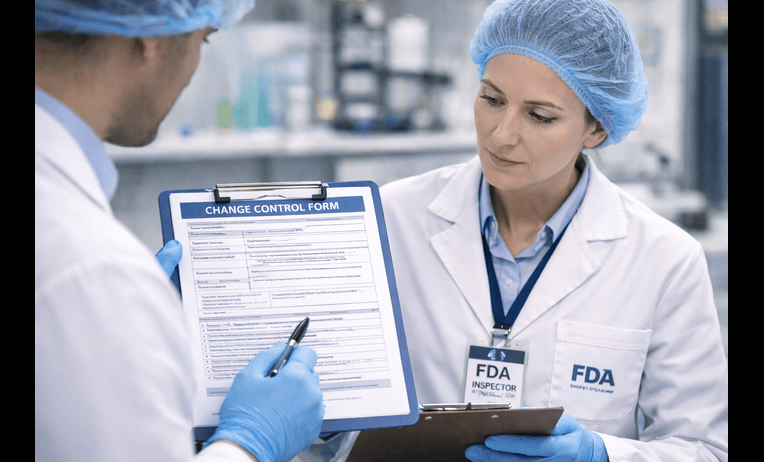
Pre-approval inspections are a crucial step in the FDA approval process. They ensure that medical devices meet stringent safety and quality standards.
These inspections verify that manufacturing processes are robust and compliant with FDA regulations. This is vital for protecting public health and ensuring product efficacy.
Understanding the benefits of pre-approval inspections can help companies prepare effectively. It involves knowing what the FDA regulates and how to achieve inspection readiness.
Preparation includes thorough documentation, staff training, and facility compliance. Companies often seek FDA regulatory consulting to navigate this complex process.
This article will explore the importance of pre-approval inspections and provide insights into best practices for success.
What Is a Pre-Approval Inspection?
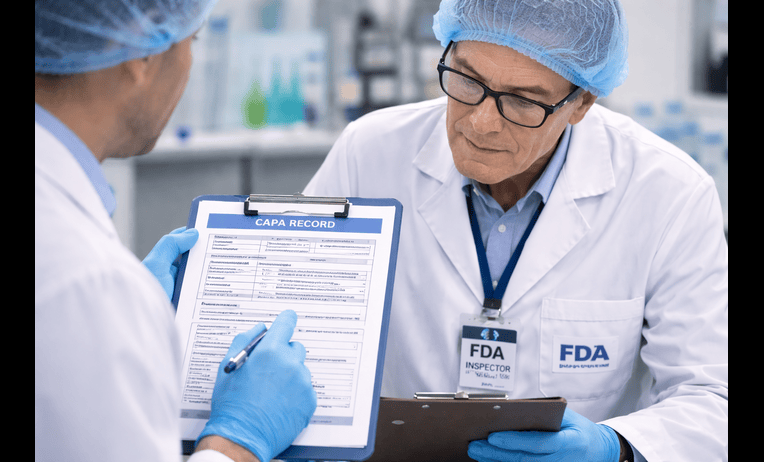
A pre-approval inspection is a thorough review conducted by the FDA. It takes place before a medical device is allowed on the market. The goal is to verify compliance with regulatory standards.
These inspections focus on the manufacturing processes. Inspectors assess if a company can reliably produce a high-quality product. This ensures safety and consistency in the devices that reach consumers.
Key Aspects of Pre-Approval Inspections:
- Evaluate manufacturing processes and controls.
- Examine quality assurance and testing methods.
- Review documentation and records for accuracy.
- Ensure compliance with FDA regulations.
Not only do they assess production methods, but they also look at quality systems in place. The FDA wants assurance that the systems maintain product quality over time.
Effective pre-approval inspections can prevent potential compliance issues. They also help businesses avoid delays in product launches. Knowing the importance of these inspections, companies need to prepare diligently.
Why Are Pre-Approval Inspections Important?
Pre-approval inspections are crucial for several reasons. They assure that medical devices meet strict quality standards before entering the market. This step is vital to guarantee consumer safety and product efficacy.
Failure to comply can lead to severe consequences. Without passing inspections, companies face delays, recalls, or even denied market access. This can result in financial losses and damage to reputation.
Benefits of Pre-Approval Inspections:
- Ensure device safety and effectiveness.
- Prevent costly recalls and rejections.
- Enhance consumer confidence in the product.
- Maintain compliance with regulatory requirements.
Furthermore, these inspections help build trust in the regulatory process. Consumers rely on the FDA to protect public health by ensuring that products are safe. Pre-approval inspections are a key part of this protective role, reinforcing trust between the industry and the public.
What Does the FDA Regulate? Key Industries and Responsibilities
The FDA plays a pivotal role in protecting public health. It regulates a wide array of products across multiple industries. Ensuring these products are safe and effective is a top priority.
Key Industries Regulated by the FDA:
- Pharmaceuticals: Drugs and biologics require rigorous evaluation.
- Medical Devices: Devices must meet stringent standards.
- Food Safety: Protects the public from unsafe food products.
- Cosmetics: Ensures safe and properly labeled cosmetics.
Each of these industries must adhere to strict guidelines. The FDA sets and enforces these standards to maintain safety and efficacy. This regulatory oversight helps prevent harm and ensures transparency in the marketplace, building consumer trust and confidence.
The Pre-Approval Inspection Process: Step-by-Step
Navigating a pre-approval inspection requires careful planning and execution. The process begins well before the FDA inspection team arrives. Understanding each step can improve outcomes and reduce stress.
Steps in the Pre-Approval Inspection Process:
- Preparation: Gather all required documentation. Ensure facilities meet FDA building requirements.
- Internal Review: Conduct a thorough internal audit. Identify potential compliance gaps.
- Mock Inspection: Simulate the inspection environment to prepare staff.
During the inspection, FDA inspectors assess various aspects of the manufacturing process. They focus on quality control, documentation, and facilities. Compliance with FDA design controls, such as 21 CFR 820.30, is crucial.
Post-Inspection Activities:
- Response: Address any observations quickly. Provide documentation and corrective actions.
- Follow-Up: Implement solutions to prevent future issues.
- Continuous Improvement: Use insights to enhance ongoing processes.
An image can depict the inspection process flow, highlighting key stages from preparation to post-inspection activities.
Following these steps can streamline the inspection process. Proper preparation and attention to detail are vital. They help ensure both compliance and successful product outcomes, paving the way for efficient market entry.
Inspection Readiness: Best Practices for Success
Achieving inspection readiness is crucial for a seamless pre-approval inspection process. It requires a proactive approach and continuous preparedness.
Key Best Practices for Inspection Readiness:
- Documentation Control: Organize and update all documents regularly. Ensure easy retrieval for inspection.
- Staff Training: Conduct regular training sessions for staff. Focus on compliance and inspection procedures.
A facility’s preparedness can often hinge on effective communication and a structured approach. Keep lines of communication open between all departments. This ensures everyone knows their roles and responsibilities during an inspection.
Recommended Inspection Readiness Tools:
- Checklists: Use comprehensive checklists to track compliance tasks.
- Mock Inspections: Regularly conduct mock inspections to identify and rectify potential issues.
Incorporating these practices can significantly enhance inspection readiness. Being prepared means addressing potential problems before they arise. It’s important to maintain a culture of quality and compliance throughout the organization.
Visual tools, such as a readiness checklist, can help teams organize tasks and keep track of progress.
By adhering to best practices, companies can foster a state of perpetual readiness. This not only satisfies regulatory requirements but also supports ongoing improvements in quality and operational efficiency.
Mock Inspections and Remediation: Proactive Strategies
Mock inspections play a pivotal role in achieving successful pre-approval inspections. They simulate real inspections, offering a valuable rehearsal opportunity.
These internal audits highlight potential compliance gaps. Identifying these issues allows teams to proactively address them, reducing last-minute surprises.
Benefits of Mock Inspections:
- Identify Weaknesses: Discover areas needing improvement before official inspections.
- Enhance Preparedness: Boost team confidence and readiness through practice.
- Refine Processes: Fine-tune procedures and documentation to ensure alignment with FDA standards.
In addition, implementing a remediation plan is crucial. Address discovered weaknesses promptly to prevent recurrence.
Regularly reviewing remediation efforts enhances continual improvement. This ongoing cycle fosters a culture of compliance and readiness, positioning companies for success during FDA inspections.
Essential Documentation and FDA Standards
Essential documentation is vital for passing pre-approval inspections. It serves as evidence of compliance with stringent FDA standards. Proper documentation reflects meticulous attention to detail and process integrity.
Creating comprehensive and organized records is a must. These include quality control logs, manufacturing procedures, and validation reports. Each document must align with FDA guidelines to ensure regulatory approval.
Key Documentation Components:
- Quality Management System Records: Illustrate adherence to quality processes.
- Standard Operating Procedures: Outline operational standards and consistency.
- Training Records: Demonstrate staff competency in regulatory compliance.
Adhering to FDA standards involves more than just paperwork. It entails a structured approach to quality assurance. By maintaining precise and detailed records, companies set themselves up for successful inspections. Documentation not only proves compliance but also instills confidence in the firm’s commitment to quality.
Common Challenges and How to Overcome Them
Navigating the complexities of pre-approval inspections can be daunting. Companies often face challenges related to documentation accuracy, process consistency, and staff readiness. These hurdles can lead to delays if not addressed timely.
Miscommunication within teams is another common issue. To overcome this, fostering clear and open lines of communication is crucial. Regular training sessions help ensure everyone understands their roles and responsibilities during inspections.
Strategies to Tackle Challenges:
- Implement Regular Training: Keep staff updated on current standards and practices.
- Conduct Mock Inspections: Identify weaknesses before official inspections.
- Improve Documentation Practices: Ensure records are current and accessible.
By anticipating potential issues and employing these strategies, companies can smoothly navigate inspections. Proactive measures significantly enhance readiness and inspection outcomes.
The Role of FDA Regulatory Consulting and Compliance Experts
Navigating FDA regulations can be complex and overwhelming. Regulatory consulting firms play a critical role in guiding companies through this process. They offer specialized knowledge and strategic advice tailored to specific needs.
Compliance experts ensure that companies understand and adhere to FDA standards. They help identify potential compliance gaps and provide solutions to address them efficiently. This proactive approach minimizes risks and streamlines approval processes.
Key Services Offered by FDA Consultants:
- Regulatory Strategy Development: Customized plans for compliance.
- Gap Analysis: Identifying and addressing compliance deficiencies.
- Training and Support: Enhancing team preparedness for inspections.
Utilizing these expert services enables medical device companies to focus on innovation. With regulatory complexities managed, companies can efficiently bring safe and effective products to market.
Leveraging Technology and Tools for Inspection Readiness
Technology plays a pivotal role in preparing for FDA inspections. By using the right tools, companies can enhance their inspection readiness. Digital solutions streamline document management and improve communication among teams, making compliance more efficient.
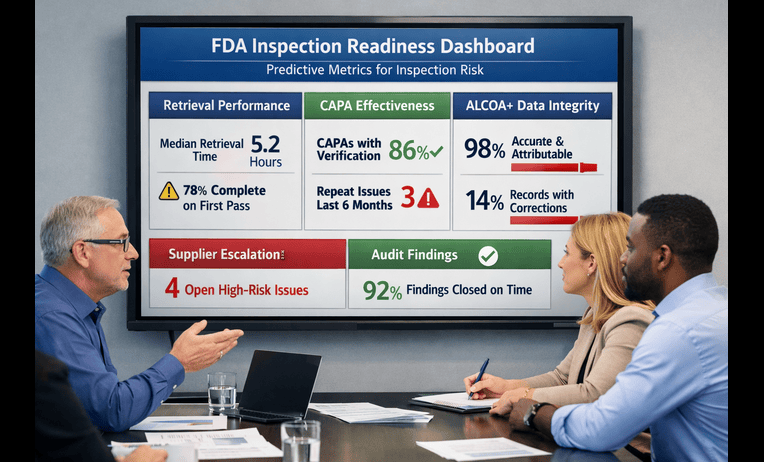
Software solutions enable real-time tracking of compliance metrics. They offer dashboards and reports that highlight areas needing attention. Automated systems reduce human error and ensure consistent adherence to FDA standards.
Useful Tools for Inspection Readiness:
- Document Management Software: Ensures easy access to critical documents.
- Compliance Tracking Systems: Monitors adherence to regulations.
- Training Platforms: Provides ongoing staff education.
By integrating these technologies, companies can proactively manage compliance, minimize risks, and ensure smooth inspection processes.
Key Takeaways and Next Steps for Medical Device Companies
Pre-approval inspections are crucial for ensuring product compliance and safety. Companies must maintain thorough documentation and regular training to stay prepared. Engaging with FDA consultants can provide valuable insights into the regulatory landscape.
Next Steps:
- Review and update compliance strategies regularly.
- Invest in technology to enhance inspection readiness.
- Consider engaging FDA consulting services for expert guidance.
By focusing on these steps, medical device companies can improve their chances of successful inspections and product launches.