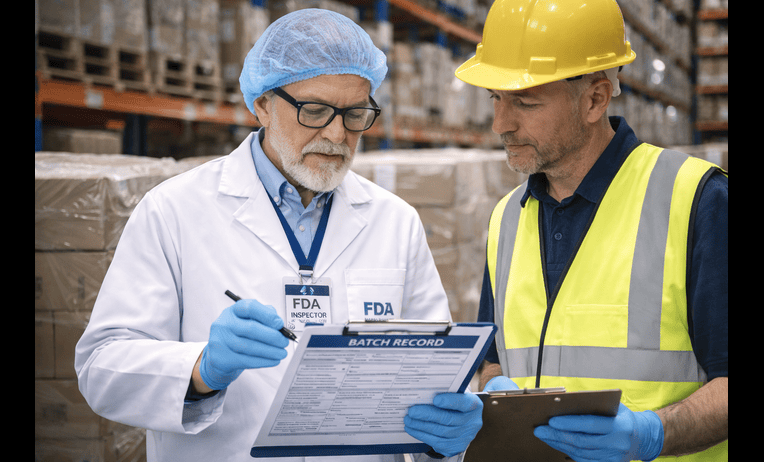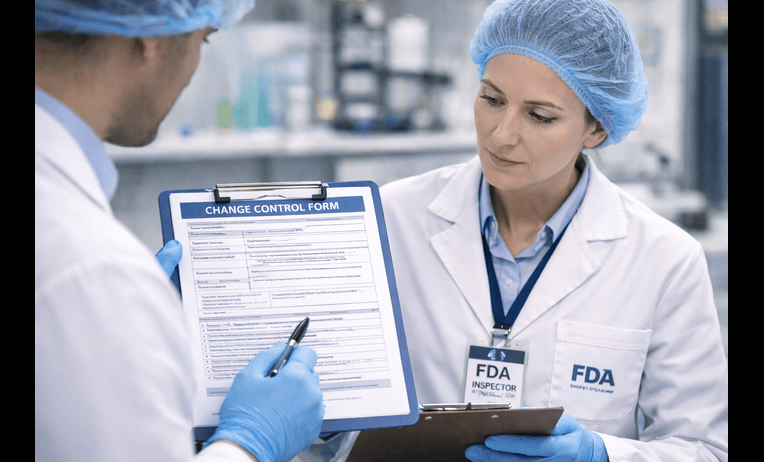

We take for granted that every pain reliever in a bottle is exactly the same. Imagine a workplace where a single misplaced decimal point or a speck of rust on a machine could endanger millions of families. To prevent these disasters, an investigator with a badge and a clipboard walks into the factory to make sure companies actually play by the rules.
Think of this inspector as the ultimate safety referee for consumer goods. The scope of FDA regulation spans from the frozen spinach in your freezer to the contact lenses in your eyes. Through strict oversight, these professionals act as our public protectors, blowing the whistle on hidden dangers long before a compromised product ever reaches your local pharmacy shelf.
According to public health data, this vigilance is exactly why the United States maintains such an incredibly safe consumer market. The journey of an FDA inspection from the surprise knock at the factory door to the final safety report ensures this standard of safety is constantly maintained.
From Frozen Spinach to Heart Stents: What Exactly Does the FDA Oversee?
The FDA’s regulatory reach stretches far beyond the pharmacy counter. Think of a massive manufacturing plant like a high-stakes professional kitchen, where a single dirty surface or misplaced ingredient could harm millions. To prevent these disasters, the agency enforces Good Manufacturing Practices (GMP). These are essentially the “Golden Rules” of production, requiring companies to keep everything spotless, exact, and well-documented before a product ever goes to market.
These strict standards apply to an incredibly diverse range of products to keep consumers safe:
- Frozen spinach: Checked for dangerous bacteria before it reaches your dinner table.
- Tylenol: Monitored so every single pill delivers the exact same reliable dose.
- Contact lenses: Regulated carefully as medical devices to prevent severe eye infections.
- Allergy shots: Evaluated through FDA biologics approval services to guarantee absolute purity.
- Artificial joints: Tracked constantly in orthopedic device FDA news to catch any potential manufacturing flaws.
Enforcing these golden rules requires constant vigilance across thousands of facilities worldwide. Even if a factory runs perfectly for years, safety standards can slip, necessitating regular oversight.
Routine Checkups vs. Emergency Audits: Why the FDA Shows Up at a Factory Door
To ensure the pain reliever you buy today is exactly as safe as last year’s bottle, the government conducts regular “surveillance audits.” These routine checkups confirm a facility is still following basic safety rules. During a standard US FDA inspection, an investigator often shows up completely unannounced, flashing their badge to verify the company hasn’t let its guard down since their last visit.
Inventing a completely new medical treatment raises the stakes even higher. Before a groundbreaking product can be sold, the agency conducts a strict “pre-approval inspection” to guarantee the factory can safely build it from scratch. Products earning an FDA breakthrough device designation face intense early scrutiny. For instance, before the anticipated FDA approval of ProSense cryoablation for breast cancer treatments in October 2025, inspectors must physically verify that this cutting-edge tumor-freezing technology is manufactured flawlessly.
Occasionally, an investigator arrives because alarm bells are ringing. A “for-cause audit” is a surprise emergency visit sparked by a specific problem, like a sudden spike in consumer complaints or reports of a tainted batch of medicine. Regardless of why they arrived, the moment that badge is presented, the facility is under a high-stakes microscope.
The Walkthrough: What Happens When an Inspector Walks the Factory Floor
Stepping onto the production floor, the investigator immediately begins hunting for physical red flags that could compromise public safety, such as a leaky ceiling pipe, rust on a mixing machine, or a poorly sealed door. They want to see Good Manufacturing Practices in constant, visible motion.
Beyond examining the equipment, the inspector frequently stops to interview the staff. They might ask a factory line worker to explain their sanitation routine or demonstrate how they follow FDA design controls (21 CFR 820.30 guidance), which acts as the strict blueprint for building a medical product the exact same way every single time.
However, a pristine factory means nothing without perfect records. This is where Title 21 CFR Part 11 data integrity comes into play, operating as the ultimate “Receipt Rule” for a facility. Under this standard, if an employee forgets to log the exact time a medicine was heated, in the eyes of the government, that heating never happened. Companies must be completely transparent and fast when managing investigator document requests to prove their products are untainted.
Ultimately, compiling all this FDA inspection data gives the investigator a clear picture of the company’s reliability. If they catch employees cutting corners or find glaring gaps in the paperwork, those mistakes are officially documented to prevent real-world disasters.
The FDA Form 483: How a ‘Fix-it List’ Prevents Real-World Disasters
When the investigator finishes their walkthrough, they don’t immediately shut down the factory over a minor mistake. Instead, they issue an FDA Form 483. Think of this document as a “Fix-it List” rather than a failing grade. It details specific observations where the company missed the mark, giving them a chance to correct course before tainted products reach your medicine cabinet.
Observations typically highlight physical or administrative lapses, such as:
- Inadequate cleaning routines that leave old residue on mixing equipment.
- Incomplete training records for employees handling sensitive chemical ingredients.
- Failing to fully test a product batch before putting it in a box.
Because public safety is paramount, these citations don’t stay secret. Consumers can search the FDA 483 inspection database to check the compliance history of the manufacturers making their daily vitamins.
Time moves incredibly fast once the clipboard drops. Responding to Form 483 observations is mandatory, and the facility has exactly 15 days to outline how they will permanently fix these issues. If they miss this tight window or offer weak excuses, the agency can escalate to a devastating recall, forcing manufacturers into swift corrective action.
Escaping the Danger Zone: Using CAPA and Consulting to Restore Safety
When a manufacturer receives their tight 15-day deadline to fix facility mistakes, they cannot simply slap a temporary band-aid on a leaky pipe and call it a day. Federal rules require them to dig deep and eliminate the root cause using the Corrective and Preventive Action (CAPA) process. Essentially, this means treating the underlying disease rather than just covering up a symptom. If a batch of allergy medicine is mislabeled, the company must figure out exactly why the printer failed and redesign the entire system so an incorrect label can never be printed again.
Because consumer safety hangs in the balance, many overwhelmed factories bring in outside experts to act as safety coaches. These professionals provide FDA consulting services to guide the intensive cleanup effort, bringing an objective, fresh set of eyes to the factory floor. An experienced FDA remediation consultant knows exactly how to overhaul a broken hygiene routine or retrain staff without completely halting the production of crucial daily medicines. Through specialized FDA compliance consulting, these advisors help companies translate complicated federal rules into practical, everyday habits for factory workers.
Successfully transforming a hazardous plant into a model of safety requires rigorous FDA QSR consulting—which focuses on upgrading quality systems and total commitment from corporate management. If a manufacturer embraces this complete overhaul, they protect the public and prevent dangerous products from hitting store shelves. However, if they offer weak excuses or ignore the consultants’ advice, the agency’s patience quickly evaporates.
Serious Consequences: When a ‘Warning Letter’ Shuts Down the Line
While a Form 483 acts like a recommended repair list, ignoring it forces the government to drop the hammer. If a company fails to fix major safety issues, the agency escalates to a formal Warning Letter. This is a serious legal notice indicating the factory is violating federal law and endangering public health.
Severe violations, like ignoring contaminated equipment or falsifying safety records, are the most common reasons for receiving a warning letter. When this happens, the fallout is immediate:
- Production Halts: The agency can legally force the factory line to shut down.
- Product Seizures: Federal marshals can physically confiscate dangerous goods.
- Import Alerts: Foreign factories can be blocked from shipping medicines into the country.
- Legal Action: The government can pursue criminal charges against corporate executives.
Fortunately, these enforcements are public record rather than corporate secrets. Anyone can search the FDA inspection classification database or read US FDA inspection reports to verify a facility’s history, offering a clear window into corporate accountability.
Your Role in the System: How to Use FDA Inspection Data to Make Safer Health Choices
You no longer have to guess how the items in your medicine cabinet stay safe. From the factory floor walkthrough to the final product release, every FDA Inspection acts as a strict referee ensuring companies play by the rules. This invisible shield is exactly why the United States maintains one of the safest supply chains in the world.
You can take an active role in this process by staying informed about the products you use daily. By visiting the FDA’s online recall database, you can search for specific medications and review their current safety status. When companies face compliance challenges, the intervention of FDA quality and regulatory consultants ensures factory mistakes are corrected before items reach the public.
The next time you open a bottle of medicine, you will understand the rigorous journey it took to get there. Knowing how this vital system works behind the scenes empowers you to trust the everyday items you bring into your home.