
The global economy is driven by complex systems, frameworks, and abbreviations that govern massive industries. One such powerful acronym is the i n d . In the economic landscape, this term holds a profound dual significance. Primarily, in the life sciences sector, it represents the vital investigational new drug framework that fuels multi-billion-dollar medical innovations. Secondarily, on a macroeconomic scale, “IND” is the standard country code for India, one of the world’s fastest-growing emerging markets and a titan in the global travel economy.
This article explores the deep economic impact of ind across both spheres: the rigorous pharmaceutical pipeline and the booming international tourism market. For readers curious about how ind influences real outcomes, the sections below connect regulatory milestones with market effects.
Part 1: The Economics of IND in the Pharmaceutical Industry
To understand the economic engine of modern medicine, we must start with the basics: define ind . When newcomers to the life sciences sector ask, “what is a ind? ” or “what is the ind? “, they are looking for the fundamental ind definition.
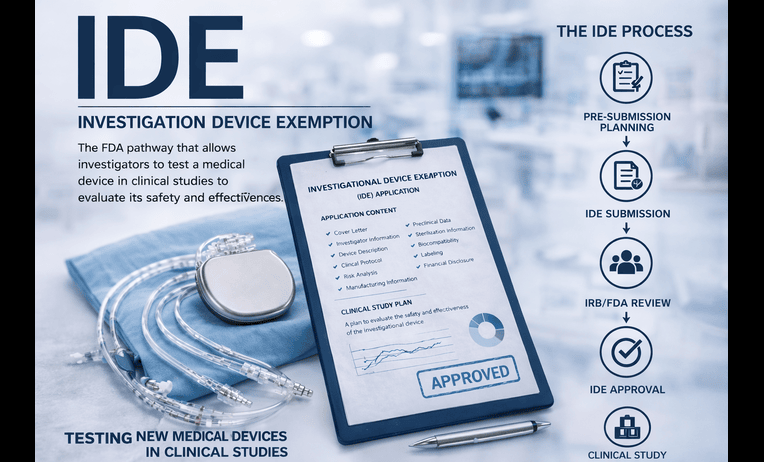
The ind acronym medical professionals use stands for Investigational New Drug. But what is ind exactly? It is a comprehensive petition submitted to regulatory bodies like the FDA to request permission to test an unapproved drug in human subjects. Understanding the ind meaning medical researchers rely on is crucial, as securing an ind approval is the financial gateway to clinical trials.
Demystifying the Investigational New Drug Application
In the clinical world, an investigational drug application represents millions of dollars in research. When people ask about the ind in medical terms (or the standard ind medical abbreviation ), they are usually referring to the formal investigational new drug application, a drug ind submission.
- What is an IND study? If you are wondering what is ind study research, it is the actual clinical trial phase. An ind study is conducted after a drug passes rigorous preclinical testing.
- IND Pharmacology and Lab Work: Before an ind filing , extensive ind lab work and ind pharmacology testing must prove the drug is reasonably safe for initial human exposure. These are known as ind-enabling studies (or ind enabling testing).
- IND Medical Term: Simply put, the ind stands for medical progress. Ind stands for the turning point where an experimental compound becomes a viable ind drug.
Navigating the FDA IND Application Process
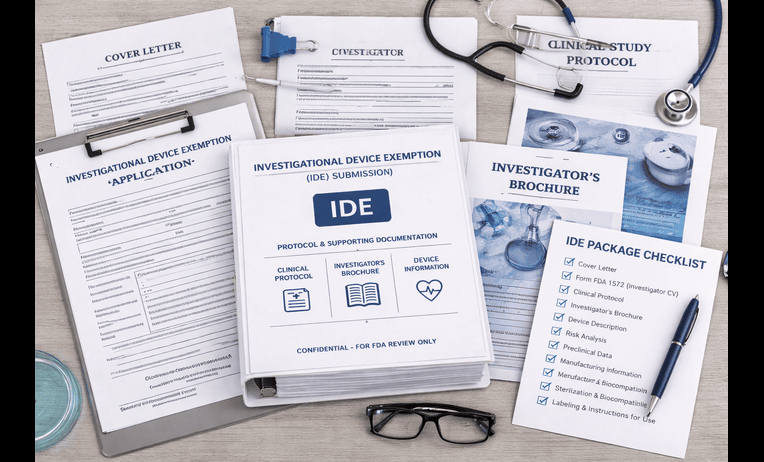
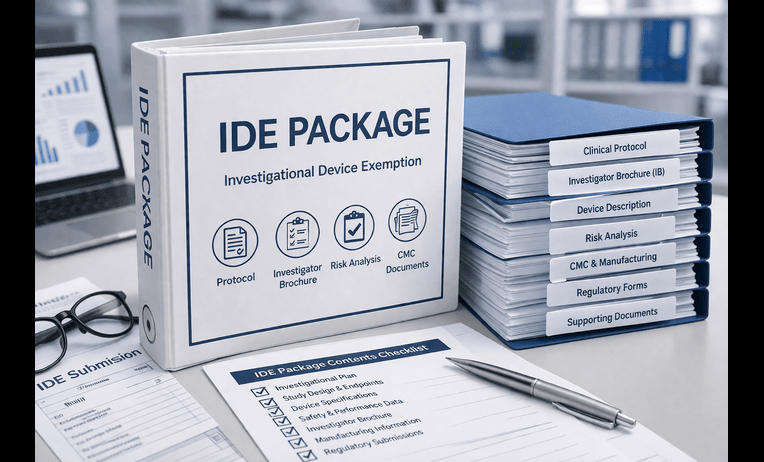
The ind process is heavily regulated to keep patients ind safe . An official fda ind application requires meticulous preparation. This end-to-end pathway is often shortened in industry conversation to the ind fda process. Sponsors must compile an extensive ind package that includes distinct ind modules.
A critical part of this package is the ind ib (Investigator’s Brochure), which summarizes all clinical and nonclinical data. Once the ind submission is complete, the FDA assigns an ind number . Tracking these ind numbers is vital for all future correspondence. Over the lifecycle of a drug, sponsors may manage a Phase 1 and a Phase 2 ind simultaneously, categorizing files under specific brackets like [ind].
The ind timeline is strictly governed. Sponsors are given an official ind date , and they must provide regular documentation, including the ind update and the official ind letter of authorization. Scaling up ind research requires understanding the types of ind available, such as Investigator INDs, Emergency Use INDs, and Treatment INDs.
FDA Formal Meetings: A Financial Imperative
Time is money in ind drug development . Engaging in fda formal meetings is essential for maintaining an efficient development timeline. A proactive ind and fda strategy requires understanding different fda type meetings.
- Pre IND Meeting: Also known as the fda pre sub (or general pre submission ), the pre ind stage allows sponsors to seek FDA feedback before officially filing.
- Type A, B, C, and D Meetings: Sponsors might request an fda type a meeting to resolve clinical holds. A type b fda meeting typically covers milestones like pre-IND or pre-NDA discussions. For general advice, a type c fda meeting (or fda type c meeting ) is utilized. More recently, the type d meeting fda allows for focused discussions on narrow issues.
- Meeting Guidance: Following fda meeting guidance (or general meeting guidance ) and utilizing fda guidance meetings is crucial. Success often hinges on an effective briefing document structure best practices , ensuring the FDA clearly understands the proposed ind clinical trial.
Quality Compliance and Pharmaceutical Industry Consulting
The economic weight of an ind for fda review is massive, leading many companies to hire an ind consultant . Consulting firms pharmaceutical industry leaders rely on provide expert guidance on ind pharma regulations. Pharmaceutical industry consulting helps companies navigate the complex leap from an an ind to commercialization.
Quality cannot be compromised. So, what is gxp in pharmaceutical industry standards? GxP refers to “Good Practice” guidelines. Ensuring gxp compliance pharmaceutical industry -wide is the responsibility of the quality assurance department in pharmaceutical industry firms.
A critical component of quality compliance in pharmaceutical industry operations is CAPA (Corrective and Preventive Action). Implementing effective capa in pharma industry (or capa in pharmaceutical industry) workflows prevents costly regulatory delays.
Furthermore, investing in pharmaceutical industry training courses and ongoing training in pharmaceutical industry protocols (including specialized ind training ) ensures staff remains compliant. Today, leading digital solutions for life sciences industry platforms streamline these processes, enhancing everything from ind research to eventual market access in pharmaceutical industry spheres.
IND vs NDA: The Economic Milestones
A common point of confusion is the difference between an IND and an NDA. If you look at nda vs ind (or ind vs nda), the distinction is clear.
The investigational new drug ind application is the starting line. Conversely, the NDA (New Drug Application) is the finish line. When comparing ind nda (or nda ind ) pathways, the ind drug application allows for human testing, while the NDA requests permission to sell the drug to the public. Both investigational new drug applications and NDAs drive the multi-trillion-dollar pharmaceutical industry consultants and developers rely on.
Part 2: The Tourism Economy of IND (India)
Shifting from the ind medical definition, we look at another massive economic powerhouse represented by the same three letters: IND, the international country code for India. While ind-enabling studies drive medical economies, international tourism in IND drives global GDP, cultural exchange, and diverse local economies.
Planning Your Journey to IND
For travelers looking to explore this vibrant nation, strategic planning is essential. Understanding how to apply for a tourist visa is the first step. Depending on your nationality, e-visas are often available and significantly speed up the entry process.
Next, you must ask: what is the best time of year to visit ? Generally, the winter months (October to March) offer the most comfortable climate. However, if you are traveling during the wetter months, having an essential packing list for monsoon season—including waterproof gear, quick-dry clothing, and sturdy footwears a lifesaver.
Before arriving, familiarize yourself with health and vaccination recommendations for travelers. Consult your physician regarding typhoid, hepatitis, and malaria prophylaxis to ensure your trip remains safe and healthy.
Culture, Safety, and Heritage
The economic heart of India’s tourism relies heavily on its cultural heritage. Visiting the Taj Mahal and heritage sites in Rajasthan or Hampi injects millions into the local economy.
When visiting, understanding cultural etiquette for first-time visitors is vital. Dressing modestly, removing shoes before entering temples, and using your right hand for eating or handing over items are crucial signs of respect. Furthermore, understanding the distinct differences between northern and southern regions—from language and architecture to climate and cuisine will enrich your experience.
Speaking of cuisine, Indian street food is world-renowned but requires caution. Follow traditional street food safety tips : eat at busy stalls with high turnover, ensure food is cooked fresh in front of you, and only drink bottled or purified water. Learning a few basic local language phrases for beginners (like “Namaste” for hello and “Dhanyavad” for thank you) goes a long way in building rapport with local vendors.
Budgeting and Logistics in IND
Whether you are seeking luxury or backpacking, the IND tourism economy accommodates all. When looking at luxury versus economy travel costs, India offers unprecedented value. Five-star heritage palaces can cost a fraction of luxury hotels in Europe, while budget hostels offer beds for mere dollars a night.
Effective budget planning for a three-week itinerary should account for accommodation, domestic flights, and daily expenses. Getting around is an adventure in itself. Navigating local public transport systems, such as the massive Indian Railways network or local metro systems in cities like Delhi, is highly cost-effective and provides a truly authentic experience.
To stay connected while navigating, research mobile data options and local sim cards. Providers like Jio and Airtel offer cheap, high-speed data plans right at the airport.
If you are traveling alone, adhere to safety guidelines for solo international trips . Share your itinerary with family, avoid isolated areas at night, and use reputable ride-sharing apps. Finally, try to time your visit to coincide with major religious festivals and celebrations like Diwali or Holi. These events are not just cultural spectacles; they are massive economic drivers that showcase the vibrant, dynamic spirit of the IND region.
Conclusion
Whether you are asking “what is an ind? ” in the context of life-saving medical research or planning a cultural expedition to the nation of India, the acronym represents massive economic opportunity. In the pharmaceutical realm, mastering the fda ind process, engaging in strategic FDA meetings, and maintaining strict GxP compliance ensures that innovative therapies reach the market safely. Meanwhile, the tourism economy of IND continues to flourish, offering travelers profound cultural experiences that fuel local and global financial growth. Understanding both facets of “IND” highlights the fascinating intersections of global economics, science, and human connection.
Q&A
Question: What is an IND, and when does an IND study begin?
Short answer: In the life sciences, IND stands for Investigational New Drug. It is a formal petition to a regulator (such as the FDA) requesting permission to test an unapproved drug in humans. An “IND study” refers to the clinical trial phase that starts after rigorous preclinical “IND‑enabling” pharmacology and lab work show the drug is reasonably safe for initial human exposure. Economically, IND approval is the gateway that unlocks clinical development and associated investment.
Question: What are the key components and milestones in an FDA IND application?
Short answer: Sponsors compile an IND “package” with defined modules, including the Investigator’s Brochure (IB) summarizing all nonclinical and clinical data. After submission, the FDA assigns an IND number used for all correspondence. The process follows a strict timeline with an official IND date, periodic updates, and formal letters (e.g., letters of authorization). Sponsors may run multiple INDs (e.g., Phase 1 and Phase 2) in parallel and choose the appropriate IND type Investigator, Emergency Use, or Treatment—while adhering to regulations designed to keep patients safe.
Question: Why are FDA formal meetings so important, and what types exist?
Short answer: Time is money in drug development, and FDA meetings help align on expectations early, avoid delays, and de‑risk costly missteps. Key touchpoints include the pre‑IND (pre‑submission) meeting for early feedback; Type A meetings to address issues like clinical holds; Type B meetings for major milestones (e.g., pre‑IND, pre‑NDA); Type C meetings for general advice; and Type D meetings for narrowly focused topics. Success depends on following FDA meeting guidance and submitting clear, well‑structured briefing documents.
Question: How does an IND differ from an NDA?
Short answer: The IND is the starting line—it authorizes human testing of an investigational drug. The NDA (New Drug Application) is the finish line, it requests permission to market the drug to the public. Both stages are economically significant: INDs initiate clinical investment, while NDAs enable commercialization.
Question: For travel to IND (India), when should I go, and what prep should I do?
Short answer: The most comfortable time is generally October–March. Depending on nationality, e‑visas are often available and speed entry. Before traveling, consult a physician about recommended vaccinations and prophylaxis (e.g., typhoid, hepatitis, malaria). If visiting during the monsoon, pack waterproof gear, quick‑dry clothing, and sturdy footwear.
Question: What cultural, safety, and logistics tips matter most when visiting IND?
Short answer: Respect local etiquette: dress modestly, remove shoes before temples, and use your right hand when eating or handing items. For street food, choose busy stalls with high turnover, ensure food is cooked fresh, and drink only bottled or purified water. Getting around is affordable via Indian Railways and city metros (e.g., Delhi). Stay connected with local SIM/data from providers like Jio or Airtel, available at airports. Solo travelers should share itineraries, avoid isolated areas at night, and use reputable ride‑sharing apps. Consider timing your trip around major festivals (Diwali, Holi) for rich cultural experiences and vibrant local economies.