
Navigating the complex landscape of medical product development can feel overwhelming. Whether you are aiming to launch a breakthrough diagnostic tool or a revolutionary implant, understanding FDA guidelines is paramount. At the heart of clinical research for unapproved devices is the Investigational Device Exemption. This regulatory pathway allows manufacturers to collect safety and effectiveness data while adhering to rigorous consumer safety and health standards.
In this comprehensive guide, we will explore the nuances of the IDE process, global quality standards, and how modern technology providers are shaping the future of clinical trials.
What is an Investigational Device Exemption (IDE)?
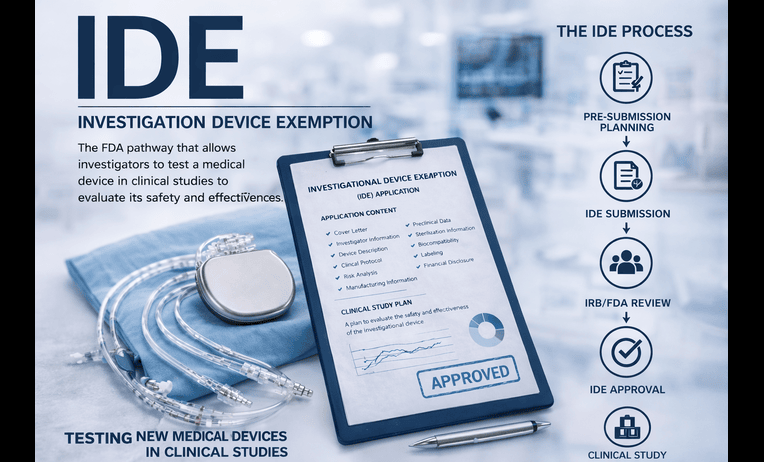
An investigational device is a medical device that is the subject of a clinical study designed to evaluate its effectiveness and safety. According to the standard investigational device definition, these products are not yet cleared for commercial distribution.
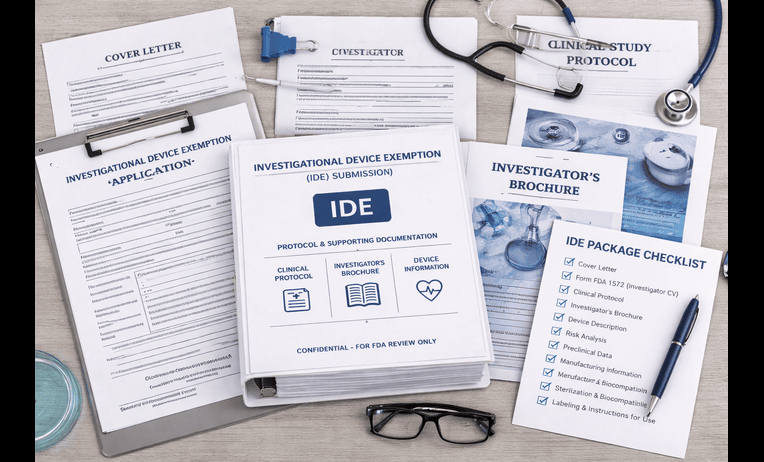
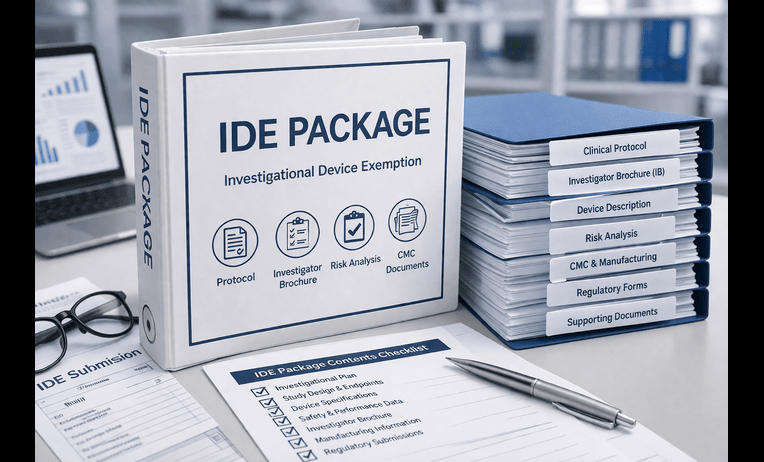
An IDE application is the formal request submitted to the FDA to allow the device to be used in an ide clinical trial. Securing an ide exemption means the FDA permits the ide device to be shipped legally for the purpose of conducting investigations.
When planning an ide study, device manufacturers must consult current ide fda guidance to determine if their product poses a “significant risk” (SR) or “non-significant risk” (NSR). This classification impacts your entire ide submission. Throughout the ide trial, strict regulatory guidelines govern how sponsors oversee the ide clinical study and manage ide data.
Navigating the Approval Pathway
Navigating the product approval process requires understanding the broader medical device classification system. Depending on the device’s risk level, the ultimate goal after a successful trial might involve submitting a premarket notification 510k or a Premarket Approval (PMA) application.
It is important to clearly understand what is a device identifier (DI) under the Unique Device Identification (UDI) system, which helps track units throughout their lifecycle. Manufacturers must also establish robust processes for reporting adverse events and side effects and outline a clear recalls and market withdrawals procedure.
Aligning with Global and ICH Standards
While the fda ide process dictates US testing, global harmonization is critical. When comparing fda vs european medicines agency expectations, international standards often bridge the gap.
For drug-device combinations, developers frequently ask, what is ich guidelines? The International Council for Harmonisation (ich pharmaceutical guidelines) unifies global standards.
ICH topics and guidelines fall into four main categories: Quality, Safety, Efficacy, and Multidisciplinary. Specific to efficacy and trial conduct, a primary purpose of the ich e6 guideline is to: ensure the ethical protection of human subjects and the integrity of clinical data. This is the cornerstone of good clinical practice gcp guidelines (or gcp guidelines for short).
Additionally, stability testing relies heavily on ich stability guidelines. Whether you are referencing ich guidelines stability, stability guidelines ich, or ich guidelines for stability testing, ensuring product longevity is vital. Sponsors must review documents like the ich q1b photostability guideline summary and look out for ich guideline news november 2025 to stay compliant.
Good Practices: GxP, GLP, and Process Validation
Compliance extends beyond the clinic into manufacturing and laboratories, collectively known as gxp guidelines.
Before human testing, good laboratory practice guidelines (glp guidelines) dictate preclinical safety studies. As trials progress through the phases of clinical trial research, manufacturing must scale according to current good manufacturing practice requirements (cGMP).
Following good manufacturing practices guidelines involves strict fda guidelines for process validation (also referred to as us fda process validation guidelines). If a batch fails, sponsors must consult fda oos guidelines (or oos fda guidelines) to investigate Out-of-Specification results. Underpinning all these records is the data integrity guideline usfda, which ensures all documentation is traceable and accurate.
Standard Operating Procedures (SOPs)
A clinical operation is only as strong as its standard operating procedure guide. What is the standard operating guidelines definition? It refers to the documented processes ensuring consistency. Utilizing a comprehensive sop guide also known as an ops guide, operational guidelines, or general sop guidelines and standard operating guidelines—helps staff maintain compliance across the board.
When establishing standard operating procedure guidelines, a key consideration is UI design: regulatory and informational markers are identified through which features on your software dashboards? Clear visual indicators prevent operator errors.
Sterilization and Biological Safety
An ide medical device must be safe for human contact. The FDA relies on consensus standards, such as iso guidelines for medical devices.
Sterilization is currently a hot topic, particularly regarding iso 10993-7 ethylene oxide residuals limits medical devices. With upcoming ethylene oxide sterilization news december 2025, manufacturers are seeking safer sterilization alternatives. Furthermore, biocompatibility tests—like the oecd test guideline 471 bacterial reverse mutation test ames evaluate genetic toxicity, while materials must be vetted to prevent harmful phthalates side effects.
Leveraging Real-World Evidence (RWE)
The FDA is increasingly accepting real-world evidence (RWE) to support regulatory decision-making. Familiarizing yourself with the fda real world evidence guidance (sometimes searched as real world evidence fda guidance, fda guidance real world evidence, or fda real world evidence) is critical for modern submissions. Using rwe real world evidence can supplement ide data to prove long-term device safety.
Partnering with Specialized Service Providers
Executing an ide fda strategy requires external expertise. The vice president clinical operations often relies on specialized partners:
- Consulting: Who provides the best fda consulting services for device companies? Look for firms well-versed in fda regulatory compliance standards.
- Data Management: Clinical data management service providers are essential for ensuring data integrity, often utilizing proper confidence interval notation for biostatistical analysis.
- Safety Monitoring: Pharmacovigilance service providers track trial safety.
- Document Management: eTMF providers (Electronic Trial Master File) keep trial documents audit-ready.
- Tech Infrastructure: From a digital transformation service provider to best rated life sciences tech solutions providers and outsourced help desk providers, scalable IT is mandatory.
- Flexible Staffing: Using a functional service provider (or fsp functional service provider) allows sponsors to outsource specific trial functions efficiently.
Operational Tips for Medical Device Companies
Staying ahead requires continuous education. Here are practical tips for device teams:
- Patient-Centric Communication: Include a simply health care provider phone number on trial materials so patients can easily reach clinical staff.
- Marketing Compliance: If you are building a direct-to-consumer platform, follow pharma dtc website video library navigation best practices to ensure promotional materials meet FDA requirements.
- Commercialization Prep: Even during early phases, review understanding health insurance a guide to billing and reimbursement to ensure your device will be economically viable post-approval.
- Presentation Skills: For internal team alignments, knowing technical basics—like how to duplicate slides efficiently in your presentation software saves time when creating investor pitches.
- Stay Informed: Subscribe to industry journals like the insider newsletter (or the insider newsletter) to track medical device quality regulatory updates fda guidelines 2026.
Conclusion
Mastering the Investigational Device Exemption is a multidimensional challenge. By understanding the core FDA guidelines, harmonizing your processes with ich guidelines for stability and GCP, and leveraging the expertise of top-tier tech solutions providers, your organization can navigate the clinical trial process effectively. Always prioritize consumer safety, maintain robust data integrity, and keep a close eye on the regulatory horizon as we move toward 2025 and beyond.