In our increasingly connected digital ecosystem, the physical hardware you use to browse the web, track your health, or communicate leaves a distinct trail. Central to this tracking is the device identifier. But what is a device identifier, exactly? Simply put, it is a unique string of characters assigned to a piece of hardware or software that distinguishes it from all others.
Whether you are a consumer wondering what information can websites see about my hardware, a marketer relying on cross-device tracking, or a life sciences professional navigating strict regulatory frameworks for medical hardware, understanding how these identifiers work is crucial.
Beyond Consumer Tech: The Device Identifier in Life Sciences
While consumer tech focuses on privacy, the life sciences and healthcare sectors view the device identifier as a matter of patient safety, clinical accuracy, and regulatory compliance. In the medical realm, a Unique Device Identifier (UDI) is legally required.
Regulatory Guidelines and Product Identity
Who dictates how medical devices are identified? Global health authorities. The fda guidelines and broader regulatory guidelines strictly mandate that medical hardware is trackable from manufacturing to the patient.
For example, understanding the standard of identity fda parameters ensures that a product is exactly what it claims to be. Similarly, the fda monograph statement of identity skin protectant labeling requirements ensures topical products paired with medical hardware are correctly classified. Regulatory compliance isn’t just a suggestion; it’s the law. To understand how regulatory and informational markers are identified through which features, one must look at barcode systems and RFID tags embedded directly into the medical device.
Investigational Devices and Clinical Trials
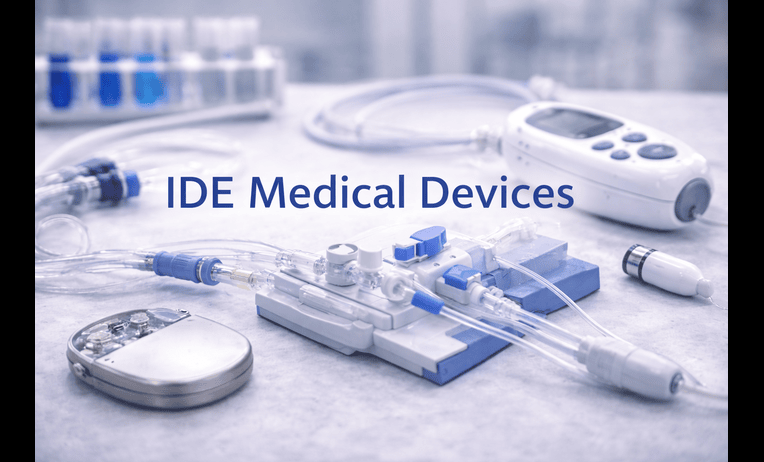
Before a medical device hits the market, it must undergo rigorous testing. This introduces the investigational device definition: a device being evaluated in clinical trials.
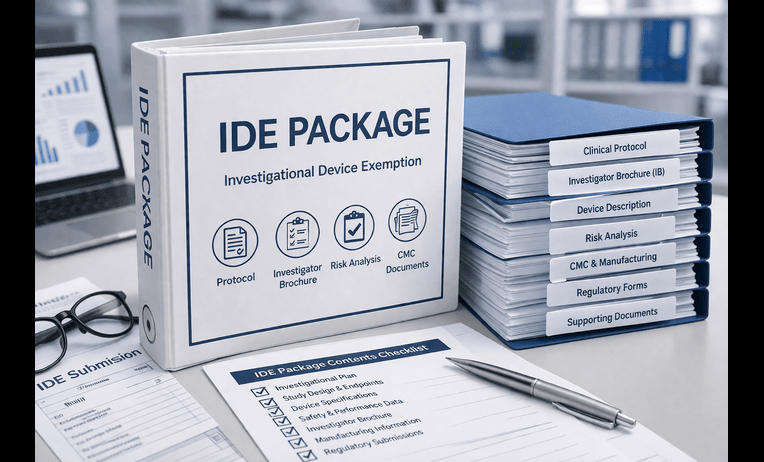
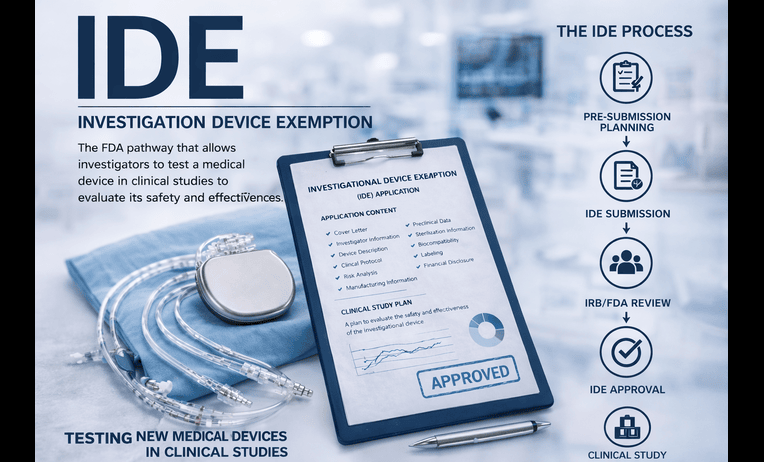
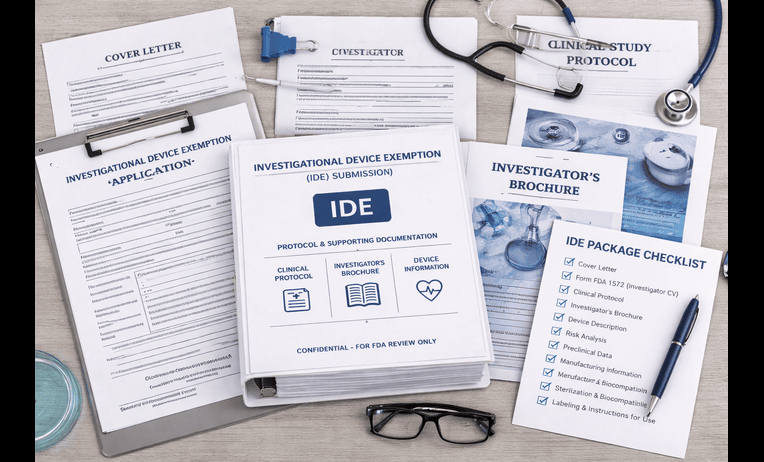
To test these, companies must apply for an Investigational Device Exemption (IDE).
- What is an IDE? An ide exemption allows an unapproved ide medical device to be used in a clinical study to collect safety and effectiveness data.
- The Process: Sponsors must submit an ide application (or ide submission) to the FDA. Navigating the fda ide guidance (or ide fda guidance) is crucial for a successful ide clinical trial.
- Executing the Study: During the ide study, sponsors collect massive amounts of ide data. Managing this requires adhering to good clinical practice gcp guidelines. In fact, a primary purpose of the ich e6 guideline is to: ensure the protection of clinical trial subjects and the integrity of the data.
The Backbone of Life Sciences Tech: ICH and FDA Guidelines
Device companies and pharmaceutical firms do not operate in a vacuum. The ecosystem is heavily regulated by both the FDA and the International Council for Harmonisation (ICH).
Understanding ICH Guidelines
So, what is ich guidelines? These are global standards designed to streamline the safety, quality, and efficacy of medical products. The ich topics and guidelines fall into four main categories: Quality, Safety, Efficacy, and Multidisciplinary.
- Stability: The ich guidelines stability protocols dictate how products are tested over time. Whether you refer to it as ich guidelines for stability, ich guidelines for stability testing, or ich stability guidelines, the core remains the same. The ich q1b photostability guideline summary specifically addresses how light exposure affects products. Keep an eye out for ich guideline news november 2025 for upcoming regulatory updates.
- Pharmaceuticals: The broader ich pharmaceutical guidelines ensure global harmonization for drug and device combinations.
FDA and Real-World Evidence
The industry is rapidly shifting toward real-world evidence. The fda real world evidence guidance (also searched as fda guidance real world evidence or real world evidence fda guidance) outlines how data collected outside traditional clinical trials can support regulatory decisions. Utilizing rwe real world evidence allows a vice president clinical operations or industry leaders like jeffrey leiden to make informed, data-backed decisions based on real patient outcomes.
Manufacturing and Testing Protocols
Once an ide device moves to production, strict rules apply:
- GLP and GMP: Adherence to good laboratory practice guidelines (or glp guidelines) and good manufacturing practices guidelines is mandatory.
- GxP & Validation: Broadly known as gxp guidelines, these include the us fda process validation guidelines (or fda guidelines for process validation), ensuring consistency in manufacturing.
- Data Integrity: The data integrity guideline usfda ensures that all electronic records associated with the device identifier remain accurate and unaltered.
- OOS and SOPs: If a test fails, teams turn to oos fda guidelines (or fda oos guidelines) for Out of Specification results. This requires detailed standard operating guidelines (also known as a standard operating procedure guide, sop guidelines, or ops guide). For clarity, the standard operating guidelines definition refers to the step-by-step instructions compiled by an organization to help workers carry out complex routine operations.
- Safety limits: For sterilized devices, the iso 10993-7 ethylene oxide residuals limits medical devices are critical. Industry professionals are eagerly awaiting the ethylene oxide sterilization news december 2025 regarding updated emission limits. Additional testing, such as the oecd test guideline 471 bacterial reverse mutation test ames, guarantees materials don’t cause genetic mutations. Furthermore, manufacturers must monitor materials for phthalates side effects, ensuring patient safety.
Navigating Modern Healthcare Solutions & Partnerships
With so many regulations—from iso guidelines for medical devices to the usp 797 guidelines (and specifically the updated usp 797 guidelines 2023 for sterile compounding) companies often need external help.
Finding the Right Partners
If you are wondering who provides the best fda consulting services for device companies, you must look for established best rated life sciences tech solutions providers.
- Functional Service Providers: An fsp functional service provider (or functional service provider) allows companies to outsource specific clinical tasks rather than an entire trial.
- Data and Documentation: clinical data management service providers and etmf providers manage the colossal trial data, using confidence interval notation to prove efficacy statistically.
- Digital Transformation & Support: A digital transformation service provider helps modernize legacy systems, while outsourced help desk providers manage daily IT hiccups.
- Safety Monitoring: pharmacovigilance service providers track post-market safety, managing things like a rems provider login for risk evaluation strategies.
Staying Informed and Connected
Professionals rely on industry publications like the insider newsletter (or just insider newsletter) and med guides for the latest medical device quality regulatory updates fda guidelines 2025.
Networking is equally vital. Events like cphi worldwide 2025 and various medical product conferences outside las vegas 2025 are essential. European research hubs, such as those in liden netherlands (Leiden), frequently host consortiums on regulatory shifts, such as how the eu ban titanium dioxide e171 food additive 2022 regulation (also known as the eu ban titanium dioxide e171 food 2022 regulation or simply eu ban titanium dioxide e171 2022 regulation) impacts pill casings and ingestible medical sensors.
Practical Tech and Operational Nuances
Sometimes, operations come down to simple logistics. Whether it’s a marketing team researching pharma dtc website video library navigation best practices, a sales rep trying to figure out how to duplicate slides for a pitch, or a patient navigating understanding health insurance a guide to billing and reimbursement, technology touches everything. Even finding a simply health care provider phone number relies on backend systems correctly routing your device’s query to the right call center.
Conclusion
From the IMEI in your smartphone to the UDI on a life-saving pacemaker, a device identifier is the unsung hero of our digital and physical infrastructure.
For the everyday user, managing hardware IDs helps secure privacy against aggressive data brokers. For the medical and pharma sectors, proper device identification is the linchpin of patient safety, driving everything from an initial ide fda (or fda ide) application for an ide trial, to post-market real world evidence fda tracking.
As technology evolves and the operational guidelines from regulatory bodies become more robust, understanding how devices are authenticated, tracked, and validated will remain an essential skill in both consumer tech and the life sciences industry.