
Understanding the IND Application Process
Navigating the journey from scientific discovery to an approved medication is one of the most complex endeavors in the medical field. At the heart of this journey lies a critical milestone: the FDA regulatory submission process. Before any novel therapeutic can be tested on humans in the United States, sponsors must cross a significant regulatory threshold.
If you are entering the realm of drug development, you must master the intricacies of this process. Let’s dive deep into exactly how these applications work, what they entail, and how you can position your clinical program for success.
What is an IND? Defining the Basics
Many newcomers to the field often ask: what is a IND? Simply put, an Investigational New Drug application is a formal request submitted to the Food and Drug Administration (FDA) seeking authorization to administer an investigational drug or biological product to humans.
When searching for the IND meaning medical professionals rely on, it is essential to look at its core purpose. The IND acronym medical experts use represents safety and authorization. If you ever wonder what IND stands for, medical literature defines it as the gateway to human clinical trials.
So, define IND in practical terms: it is the vehicle through which a sponsor provides the FDA with data proving that their new compound is reasonably safe for initial testing in humans.
IND Terminology
To fully grasp what is the IND, you need to understand the variations in terminology. You will often see it referred to as an investigational new drug application, an investigational drug application, or an investigational new drug IND application. Regardless of the phrasing—whether you see it written as an IND medical abbreviation, I N D, or just an IND drug application—they all point to the same regulatory document.
Types of IND
There are several different types of IND submissions depending on your goals:
- Investigator IND: Submitted by a physician who both initiates and conducts an IND study.
- Emergency Use IND: Allows the FDA to authorize the use of an experimental drug in an emergency situation.
- Treatment IND: Designed for experimental drugs showing promise in clinical testing for serious or life-threatening conditions. This is directly tied to answering the question of who is eligible for expanded access.
For any commercial sponsor, the goal is typically a commercial drug IND geared toward market approval.
The Pre-IND Phase: Setting the Foundation
Before compiling the actual application, sponsors must complete the pre IND phase. This stage is dedicated to IND-enabling studies (often referred to simply as IND enabling or IND-enabling). These are rigorous nonclinical tests designed to establish the initial safety profile of the drug.
During this phase, researchers in an IND lab conduct extensive IND pharmacology and toxicology testing. Understanding the pre-clinical toxicology study requirements is paramount. The data generated here will eventually form the backbone of your application, proving to the FDA that the drug is an IND safe compound ready for human exposure.
Engaging with the FDA: Pre-Submission Strategies
A highly recommended step in the IND process is the pre IND meeting. Navigating FDA formal meetings can be daunting, but early communication is vital. When considering a pre submission (or FDA pre sub), sponsors can request different FDA type meetings:
- FDA Type A Meeting: Used to help an otherwise stalled product development program proceed.
- Type B FDA Meeting: Milestone meetings, which include the critical pre-IND meeting.
- FDA Type C Meeting (or Type C FDA Meeting): General guidance meetings regarding the development of a drug.
- Type D Meeting FDA: Focused on a narrow, specific issue requiring timely feedback.
Reviewing FDA meeting guidance (or meeting guidance) is crucial before requesting any of these. Proper FDA guidance meetings help clarify expectations. Utilizing effective briefing document structure best practices ensures your meeting yields actionable advice.
Assembling the IND Package
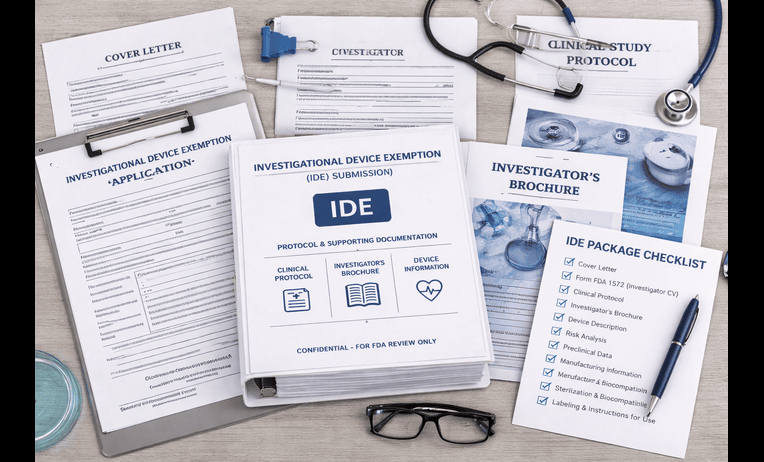
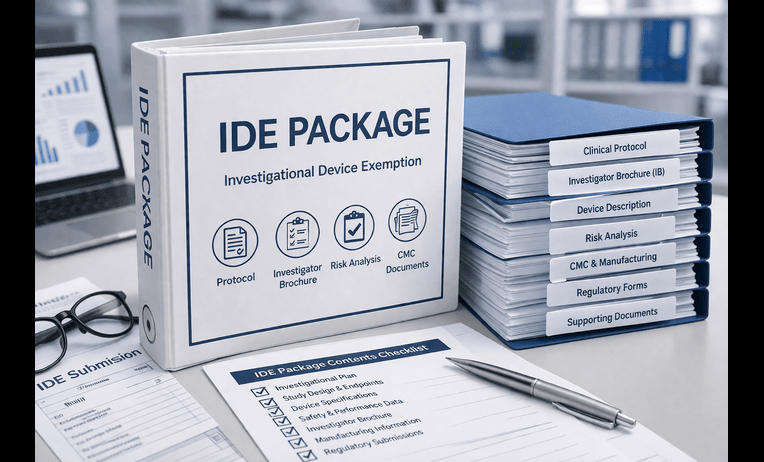
Compiling the IND package requires meticulous attention to detail. So, how IND submissions are structured matters immensely. The application is divided into specific IND modules (Standardized Common Technical Document or eCTD format). When assembling the dossier [IND], you must include:
1. Administrative Information
This includes the FDA form 1571 instructions, which serve as the cover sheet for your application. It outlines the sponsor responsibilities in drug development and includes the initial IND filing details.
2. Chemistry, Manufacturing, and Controls (CMC)
The chemistry manufacturing and controls documentation details the composition, stability, and manufacturing process of the drug. The FDA needs assurance that you can consistently produce the IND drug with uniform quality.
3. Nonclinical Data
This section houses your human pharmacology and safety data extrapolated from animal models. It answers the fundamental question of what is IND study safety baselines.
4. Clinical Protocols and Investigator Information
Your clinical protocol development guidelines must be strictly followed here. This module contains the detailed plan for the IND clinical trial. Additionally, the investigator brochure content requirements must be met. The IND IB (Investigator’s Brochure) educates the clinical investigators about the drug’s known properties and risks.
The IND Submission and Review Process
Once the IND submission is complete, what happens after IND submission?
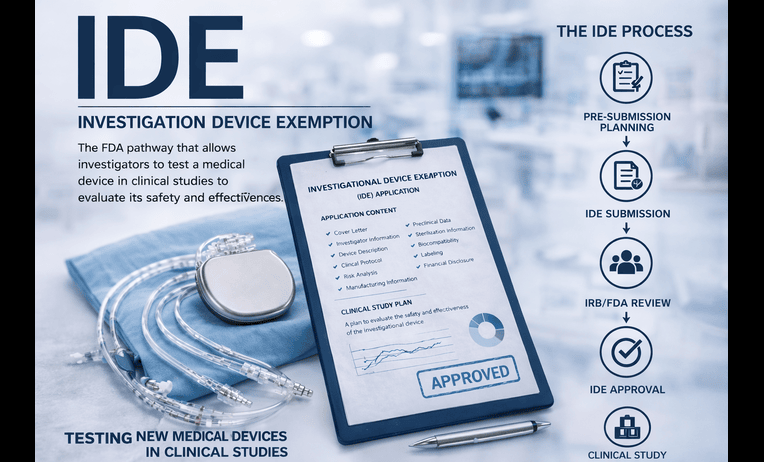
The FDA has a 30-day IND timeline to review the FDA IND application. During this window, the FDA evaluates whether subjects will face unreasonable risk.
- IND Approval: The FDA does not officially issue an “IND approval” document. Instead, if 30 days pass without objection, the sponsor reaches their IND date and may safely proceed.
- Clinical Hold: If the FDA finds issues, they may issue a clinical hold. Common reasons for clinical hold include incomplete IND research, unreasonable risk to patients, or inadequate CMC data.
- IND Letter & Number: Upon receipt, the FDA will issue an IND letter acknowledging the submission and assigning an IND number. Over the life of a development program, a company might manage multiple IND numbers.
As the clinical trials progress, sponsors are required to submit an IND update annually or when significant changes occur.
IND vs NDA: Understanding the Difference
Many people confuse the IND with the NDA. The difference between IND and NDA (New Drug Application) is a matter of timing and intent.
To clarify the NDA vs IND (or IND vs NDA, IND NDA, NDA IND) dynamic:
- An IND for FDA is a request to test a drug in humans.
- An NDA is a request to market and sell the drug to the public.
Understanding this distinction is vital when looking at the clinical trial phases for new drugs. You submit an IND before Phase 1 begins. If you are investigating a new indication for an already approved drug, you might even find yourself submitting a Phase 2 IND. Only after successfully completing Phase 3 will you file an NDA. Furthermore, if you are targeting life-threatening diseases, you might utilize expedited drug approval pathways to accelerate the transition from the IND phase to the NDA phase.
Quality Compliance in Pharmaceutical Industry
Filing an investigational new drug application is just one piece of the puzzle. Maintaining continuous quality compliance in pharmaceutical industry settings is equally critical. But what is GxP in pharmaceutical industry terminology?
GxP in pharmaceutical industry stands for “Good ‘x’ Practice” (where ‘x’ can mean Manufacturing, Clinical, or Laboratory). Strict GxP compliance pharmaceutical industry standards ensure that the drug is safe, effective, and of high quality.
The quality assurance department in pharmaceutical industry organizations plays a vital role in this. They oversee the pharmaceutical regulatory compliance strategy and manage the CAPA in pharma industry (Corrective and Preventive Actions) systems. Implementing robust CAPA in pharmaceutical industry protocols ensures that when deviations occur during IND drug development, they are swiftly investigated and corrected.
Leveraging Experts: Consultants and Training
Navigating the IND and FDA landscape can be overwhelming. This is why many companies rely on an IND consultant or specialized pharmaceutical industry consultants.
Consulting firms pharmaceutical industry leaders trust can help with drawing up IND documentation, defining the IND in medical terms, and offering strategic pharmaceutical industry consulting. They ensure you do not miss critical steps when answering what is an IND study requirement for your specific therapeutic area.
Furthermore, investing in pharmaceutical industry training courses and targeted IND training (or broader training in pharmaceutical industry programs) empowers your internal teams. With the rise of leading digital solutions for life sciences industry, maintaining compliance, tracking an IND I (Phase 1) submission, and navigating market access in pharmaceutical industry frameworks has become more streamlined but requires continuous education.
Conclusion
Understanding the IND definition and the rigorous steps required for an FDA IND submission is the foundation of successful drug development. From mastering IND pharmacology to navigating complex FDA formal meetings, every step requires precision, robust data, and an unwavering commitment to quality. By leveraging expert IND pharma consultants and adhering strictly to regulatory guidelines, sponsors can successfully transition their innovations from the laboratory to the patients who need them most.