Whether you are a data analyst downloading a dataset, a software engineer configuring a database, or a quality assurance manager working in the pharmaceutical industry, you have likely encountered the acronym “CSV.” But depending on your field, this three-letter abbreviation represents entirely different concepts.
So, what is the csv full form?
In highly regulated industries like life sciences and healthcare, it stands for Computer Systems Validation.
In this comprehensive guide, we will explore both meanings, unpacking everything from data formatting and software troubleshooting to regulatory compliance and FDA guidelines.
The CSV Full Form in Pharmaceuticals and Compliance
Now, let us shift gears completely. If you step into a pharmaceutical laboratory, a clinical research organization, or a medical device manufacturing plant, asking about a CSV will not lead you to a spreadsheet.
In life sciences, the full form stands for computer systems validation.
The Importance of CSV Validation
In regulated industries, software algorithms control everything from manufacturing equipment to clinical trial data. If a software bug causes a machine to output the wrong dosage of a medication, the results could be fatal.
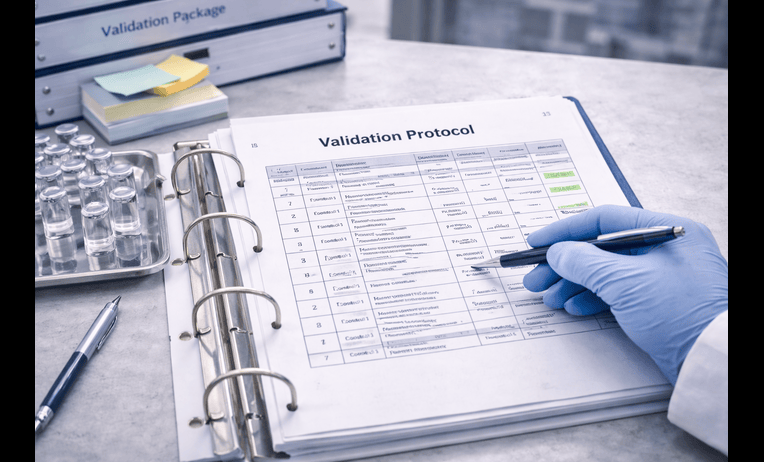
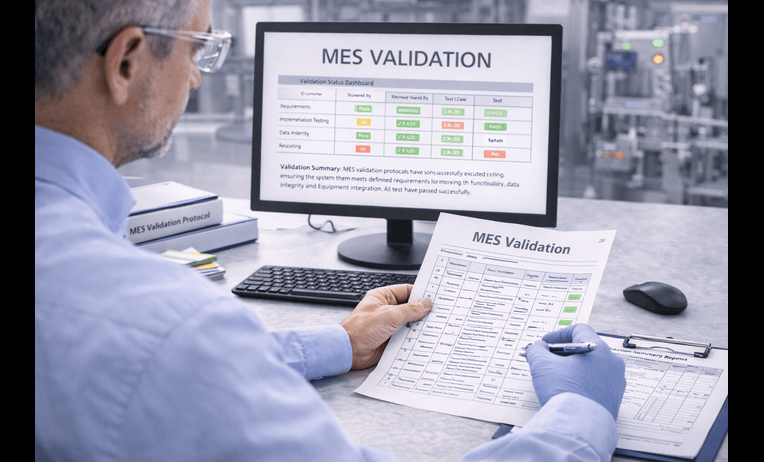
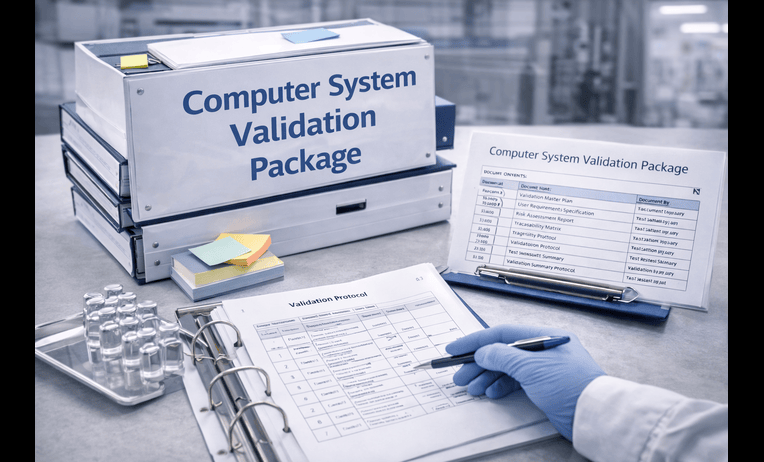
Therefore, regulatory bodies mandate rigorous system validation. CSV validation is the documented process of testing and proving that a computer system consistently performs exactly as it is intended to, meeting all predetermined specifications and quality attributes.
FDA software validation is heavily scrutinized during regulatory inspections. The U.S. Food and Drug Administration (FDA) requires that any software used in manufacturing or quality systems (governed by 21 CFR Part 11) must be validated to ensure patient safety and product quality.
Best Practices for Software Validation in Research Settings
Conducting validation is a meticulous process. Here are several best practices for software validation in research settings:
- Define Clear Requirements: Before testing begins, draft comprehensive User Requirements Specifications (URS) and Functional Requirements Specifications (FRS). You cannot validate a system if you do not know exactly what it is supposed to do.
- Risk-Based Testing: Focus your testing efforts on the areas of the software that pose the highest risk to patient safety or data integrity.
- Secure Data Logs: Data integrity is paramount. It is crucial to remember that audit trails of computer systems include secure, computer-generated, time-stamped records that independently record the date, time, and details of operator actions. If someone alters a lab result, the audit trail must catch who did it, when, and why.
- Maintain Ongoing Validation: Software updates and patches can alter system behavior. Validation is not a one-time event; it is an ongoing lifecycle.
Changing Paradigms: CSV vs. CSA
For decades, traditional computer systems validation has been a highly burdensome, paper-heavy process. Quality teams often spent more time generating screenshots and documentation than actually analyzing software quality.
Recognizing this bottleneck, the industry is currently undergoing a massive paradigm shift. When analyzing the topic of csv vs csa, we see a transition from traditional validation to FDA computer software assurance (CSA).
CSA represents the FDA’s new software validation requirements and philosophy. Instead of generating endless documentation just for the sake of compliance, CSA encourages organizations to use critical thinking. It allows teams to scale back documentation for low-risk systems (like standard word processors or off-the-shelf email platforms) and focus their rigorous testing on high-risk, custom-built software that directly impacts product quality and patient safety.
By shifting from CSV to CSA, organizations can leverage automated testing tools, reduce documentation overhead, and implement valuable modern technologies like cloud computing and AI much faster, while still maintaining strict compliance.
Conclusion
The acronym CSV is a perfect example of how language adapts to different professional ecosystems.
Conversely, if you operate in the high-stakes world of life sciences, it stands for Computer Systems Validation. In this context, it represents a critical methodology that guarantees FDA compliance, safeguards data integrity through robust audit trails, and ultimately protects patient lives.
Whether you are writing a script to parse a comma-delimited text file or updating your quality management systems to align with the FDA’s new software assurance guidelines, understanding both facets of CSV makes you a more versatile and informed professional.