Imagine ordering a premium coffee maker online, completely unaware that the tiny internal heating element was glued together in a dusty, unregulated garage. Every product we buy relies on an invisible chain of hidden factories and parts makers. According to supply chain experts, relying purely on a manufacturer’s flashy website or marketing promises is a fast track to costly supply chain disruptions. You are not just trusting the brand name on the retail box; you are trusting every hidden link in their global network.
Catching those weak links before they break requires a deliberate look behind the curtain, which is exactly where a supplier audit comes in. Rather than waiting for a massive customer recall, companies use these scheduled checkups to proactively verify that a factory follows strict safety and operational rules—formal guidelines known as quality management system standards. In practice, vendor audits act as a proactive early warning system, revealing the true conditions on the floor before a single product ships. Many organizations use internal teams or supplier audit services to scale these reviews as part of a broader regulatory audit strategy.
Forget the intimidating image of an aggressive inspector holding a clipboard and looking to punish mistakes. Today’s auditor functions much more like a quality coach. Their true goal is to work collaboratively alongside the factory team to spot small issues, fix them early, and build a stronger partnership that guarantees peace of mind.
The Invisible Safety Net: Defining the Supplier Audit as a Business Health Checkup
Imagine visiting a doctor for an annual physical to catch small health issues before they become emergencies. A supplier quality audit works exactly the same way for a business, acting as a routine checkup on the hidden factories providing their materials. Sometimes this is a quick “desk audit,” where a brand reviews a supplier’s documents remotely, much like a doctor reading blood test results. Other times, it requires a full “on-site audit,” where an inspector physically tours the factory floor to see the operations firsthand. These reviews can also support a future regulatory audit or distribution audit when products move through complex networks.
At the heart of these checkups is the supplier’s Quality Management System (QMS). Think of a QMS as a factory’s internal rulebook. It dictates exactly how they plan to build a safe, consistent product every single day. By measuring against quality management system standards, an auditor ensures the factory isn’t just getting lucky, but actually has strict, repeatable guidelines for everything from employee safety to handling defective materials. Third-party specialists may offer gxp audit services to benchmark these programs consistently across sites.
When auditing suppliers in person especially during gmp auditing (Good Manufacturing Practices, which ensure consumer goods are safely produced) inspectors evaluate four key areas:
- People: Are workers properly trained for their specific tasks?
- Places: Is the facility safe, organized, and clean?
- Processes: Is the factory actually following their own QMS rulebook?
- Paperwork: Do they have proof? Daily equipment logs matter more than just seeing clean machines because logs prove regular care happens even when nobody is watching.
Without these routine inspections, a brand crosses its fingers and hopes their partners are behaving. When that hope fails, the consequences can be disastrous.
From Lead Paint to Late Shipments: How Audits Prevent Costly Recalls and Supply Chain Nightmares
Every product failure starts as a mistake on a distant factory floor. Consider the famous 2007 Mattel toy recall, where millions of items were pulled from shelves because a supplier used unauthorized lead paint. That disaster cost the company over $100 million and shattered customer trust, whereas a routine inspection would have cost only a few thousand dollars. Skipping these checks exposes brands to a “Hidden Risk” a dangerous flaw that is invisible from the outside but disastrous once it reaches consumers.
What does a dangerous manufacturing partner actually look like during a regulatory audit? Inspectors actively hunt for three major red flags: unapproved material substitutions, neglected machinery, and employees skipping safety steps to work faster. In highly regulated spaces like the medical or food industries, finding these specific issues can result in an fda audit 483 (often discussed as FDA audit 483 observations), which is simply a formal warning letter demanding immediate fixes before the government shuts production down.
Catching these issues early is how a business protects its reputation and keeps customers safe. By building a strong vendor risk management framework , companies can identify which suppliers need extra supervision long before a crisis hits. This proactive strategy is essential for mitigating supply chain disruptions, ensuring that a minor equipment failure at a partner’s warehouse doesn’t cause months of empty retail shelves. With the stakes so high, companies must decide how to execute these crucial checks—whether by physically visiting the factory or relying on a rigorous digital review as part of a broader pharmaceutical audit or other regulatory audits.
Boots on the Ground vs. Screens on the Desk: Choosing Between On-Site and Virtual Audits
Flying an inspector across the globe isn’t always practical or budget-friendly. While traditional checks require someone walking the factory floor, modern virtual audits let companies inspect partners through live video feeds. A virtual auditor can review paperwork and verify processes from thousands of miles away, saving significant time and money. These remote audit & virtual audit services are especially useful for routine supplier audits or a wholesale and distribution audit.
Depending on your business risk, you must choose the appropriate inspection method:
- On-Site Audits: Best for physical safety checks, like inspecting heavy machinery or ensuring a food manufacturing facility is genuinely clean.
- Remote audit & virtual audit services: Best for rapid documentation reviews, routine check-ins, or evaluating low-risk partners.
The main challenge with inspecting a supplier through a screen is ensuring you see the whole truth. To prevent partners from hiding physical messes off-camera, remote reviews rely heavily on tracking digital evidence. This data must meet strict audit trail requirements, meaning every single action and approval is securely logged. Quality audit-trail records and audit trail software act like a digital receipt, proving that safety checks happened exactly when the supplier claims they did. In practice, audit trails of computer systems include user IDs, timestamps, and change histories; what is an audit trail in healthcare often centers on protected health information access and control. Whether reviewing these digital receipts from a desk or examining machinery in person, the core evaluation follows a structured, methodical process.
The 4-Step Walkthrough: What Actually Happens During a Factory Visit
Stepping into a supplier’s facility isn’t about playing detective; it’s about collaboration. A standard on site audit kicks off with an Opening Meeting, where inspectors and factory managers align on the day’s goals. From there, the actual vendor audit process moves to the factory floor. Inspectors observe how workers handle machinery and check if safety protocols are genuinely followed in real-time. Auditors also ensure necessary audit supplies (like calibrated gauges) are available to verify critical measurements.
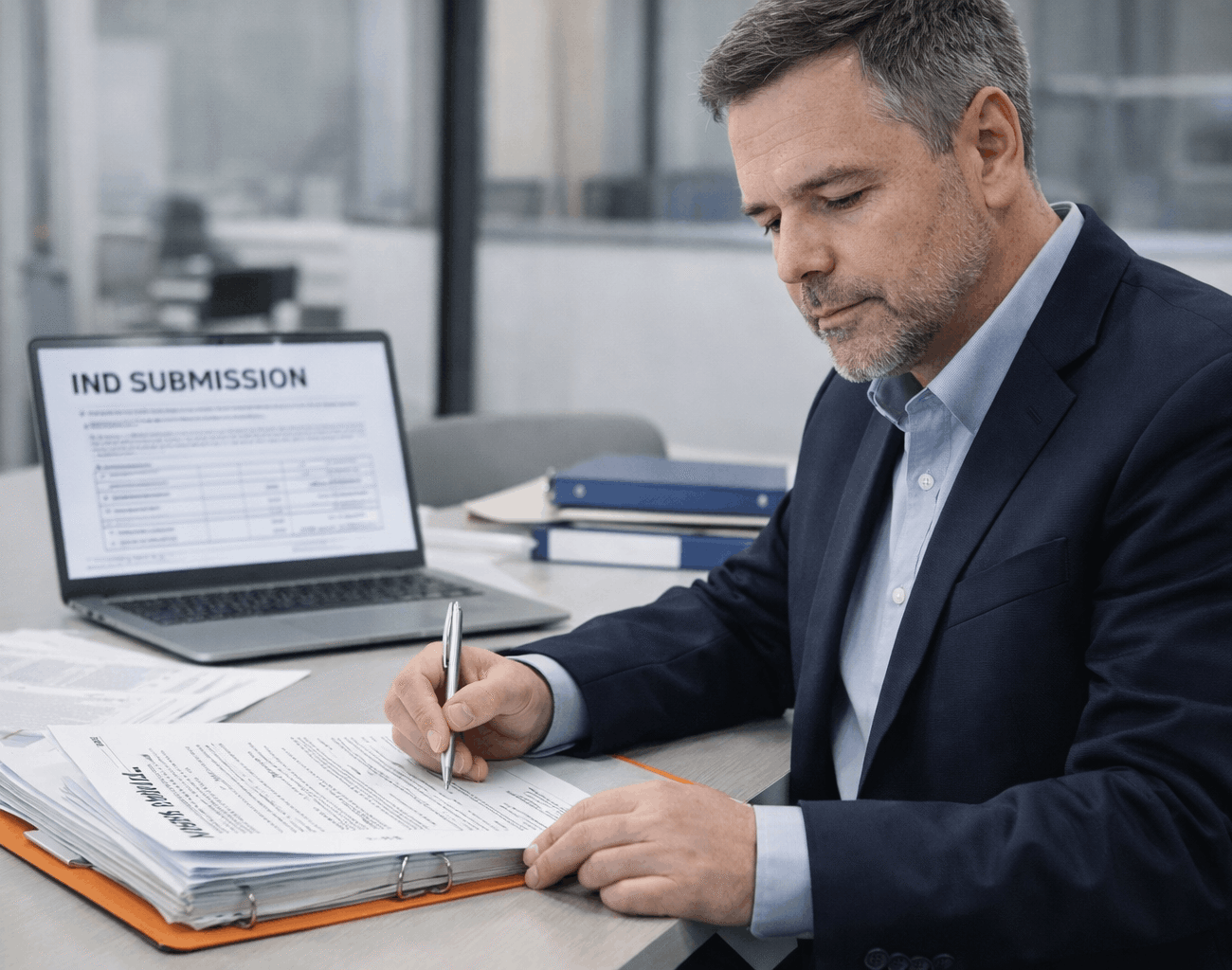
After the physical tour, the focus shifts to paperwork. Using a standardized guide like a gmp audit checklist (Good Manufacturing Practice), the inspector compares records against what they saw on the floor. If they spot a discrepancy like a missing signature—it becomes a “finding.” Instead of treating these findings as immediate failures, brands view them as valuable opportunities to fix small issues before they snowball. Teams that outsource parts of their compliance often rely on typical outsourced compliance package components such as SOP templates, training logs, and CAPA forms to keep documentation consistent.
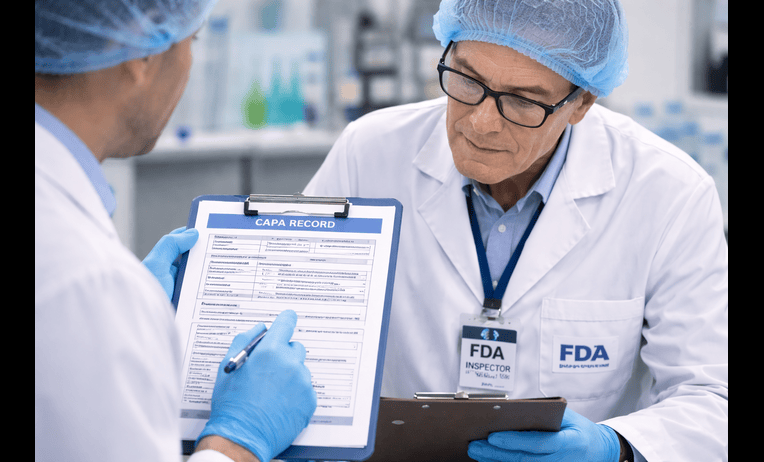
The day wraps up with a Closing Meeting, giving everyone a chance to review a summary report of what went right and what needs work. If issues are discovered, the factory completes a corrective and preventive action (CAPA), which is a formal plan to fix the mistake and stop it from repeating. While this rhythm works for everyday goods, sensitive products demand significantly stricter rules.
Beyond the Basics: Navigating High-Stakes Audits in Healthcare and Pharma
A flawed t-shirt means a frustrated customer, but a faulty pacemaker costs lives. This is why everyday factory checks differ completely from gxp audits (Good Practice standards)—strict rules governing medical and pharmaceutical manufacturing. When a specialized pharma auditor visits a facility, they expect absolute perfection, which is verified through rigorous gmp audits. In the pharmaceutical sector, a PAI audit (Pre-Approval Inspection) and a gmp compliance audit often precede market release, and a targeted gmp audit pharmaceutical manufacturers undertake can reveal system gaps early.
To prevent life-threatening errors, medical device auditing relies on three non-negotiable rules:
- Data Integrity: This means no faking or guessing numbers. A data integrity audit checklist ensures every temperature reading and test result is 100% accurate and securely logged.
- Traceability: If a bad batch of medicine is found, inspectors must be able to trace exactly where every single ingredient originated.
- Sterile Environments: The facility must flawlessly prove it prevents contamination at all times.
Because the stakes are so high, these environments must be prepared for surprise inspections. Many programs align to the MDSAP audit model (the medical device single audit program), and organizations often run mdsap mock audits to prepare. Instead of drowning in paperwork, modern facilities use automated software for audit-ready documentation medical device companies and complementary software for preparing for fda audits. This technology instantly flags missing signatures, keeping the factory perfectly prepared without relying on human memory. Related reviews include a good clinical practice audit (GCP audit) , clinical trial audit , and BIMO audit (Bioresearch Monitoring), especially where FDA audit clinical trials activity is in scope. Medical device audits may be supported by specialized medical device audit services, and broader regulatory audits in pharma or audit in pharmacy settings ensure end-to-end compliance. In this context, “audit”—the audit medical term of record—means a systematic and independent examination of processes and data integrity. Even niche providers, such as medical duress systems with audit trails companies, must show robust traceability. These rigorous principles can be adapted by any business to build a strong, actionable vetting process.
Building Your Vetting Process: 3 Actionable Steps to Secure Your Supply Chain Today
Evaluating suppliers builds a reliable foundation rather than creating a policing dynamic. Instead of simply hoping for the best, businesses can actively protect customer trust and unlock real cost savings. What begins as a basic check-up naturally evolves into a sustainable procurement strategy for optimizing vendor performance metrics over time. Start building a vendor audit program today with a simple 3-step action plan:
- Rank suppliers by risk
- Create a basic checklist
- Schedule a discovery call
As you expand, document how to create audit trails for vendor selection decisions so future supplier audits and vendor audits are faster and repeatable. For specialized sectors, consider a distribution audit or wholesale and distribution audit, and engage qualified supplier audit services when internal capacity is limited.
Vetting partners is a continuous journey of improvement rather than a one-time test. Starting small is always better than not starting at all. Each time a simple vetting process is implemented for new vendors, it secures the ultimate business advantage: the peace of mind that comes from knowing products are in safe, capable hands.
Frequently Asked Questions
Question: What is a supplier audit, and why does it matter?
Short answer: A supplier audit is a proactive “business health checkup” on the factories behind your products. Instead of trusting glossy marketing, it verifies a supplier’s Quality Management System (QMS) the rulebook that ensures safe, consistent output—against quality management system standards. Done well, audits act as an early warning system that catches issues before products ship, preventing costly recalls and supply chain disruptions. Modern auditors operate like quality coaches, collaborating with factory teams to spot small problems early and strengthen the partnership. To get started, follow a simple three-step plan: rank suppliers by risk, create a basic checklist, and schedule a discovery call. As you scale, document audit trails for vendor decisions and consider supplier audit services if internal capacity is limited.
Question: What actually happens during an on-site audit, and what do auditors check?
Short answer: On-site audits follow a structured four-step flow: Opening Meeting, Factory Tour, Document Review, and a Closing Summary. On the floor especially during GMP auditing, auditors evaluate four essentials: People (training), Places (safety and cleanliness), Processes (adherence to the QMS), and Paperwork (proof via logs and records). A GMP audit checklist guides the document review; gaps (e.g., missing signatures) become “findings.” Rather than punish, findings trigger corrective and preventive actions (CAPA) to fix root causes and prevent repeats. Many teams standardize documentation with outsourced compliance package components like SOP templates, training logs, and CAPA forms to keep records consistent with what auditors observed.
Question: When should I choose a virtual audit instead of visiting the factory?
Short answer: Use on-site audits for high-risk checks that require physical verification heavy machinery, food safety, or deep hygiene assessments. Choose virtual audits for rapid documentation reviews, routine check-ins, or low-risk suppliers; a virtual auditor can inspect processes and records via live video and digital portals, saving time and travel costs. The main challenge remotely is seeing the whole truth, so virtual audits rely on robust digital evidence that meets audit trail requirements: secure user IDs, timestamps, and change histories that prove who did what and when. High-quality audit-trail software provides these “digital receipts,” helping remote reviews achieve trustworthy coverage.
Question: What kinds of issues trigger serious regulatory consequences like an FDA Form 483?
Short answer: Inspectors look for three red flags that often precede failures: unapproved material substitutions, neglected machinery, and workers bypassing safety steps to go faster. In highly regulated sectors (e.g., medical, food), such problems can lead to FDA Form 483 observations, a formal notice demanding prompt fixes to avoid shutdowns. Proactive supplier audits and a strong vendor risk management framework help identify which partners need extra scrutiny before risks escalate. This approach mitigates supply chain disruptions so a small equipment lapse at a supplier doesn’t become months of empty shelves.
Question: How do audits differ in healthcare and pharma, and how do companies stay ready?
Short answer: Healthcare and pharma operate under GxP and rigorous GMP audit expectations where “good enough” isn’t acceptable. Auditors demand: Data Integrity (accurate, secure, and complete records verified by a data integrity audit checklist), Traceability (full ingredient and batch lineage), and Sterile Environments (proven contamination control). Pharma facilities face PAI (Pre-Approval Inspections) and GMP compliance audits, and medical device manufacturers often align to the MDSAP model—many run MDSAP mock audits to prepare. Surprise inspections are common, so organizations use software for audit-ready documentation and tools for preparing for FDA audits to flag missing signatures or gaps instantly. Related reviews include Good Clinical Practice (GCP) audits, clinical trial audits, and BIMO audits, all reinforcing airtight data integrity and end-to-end compliance.