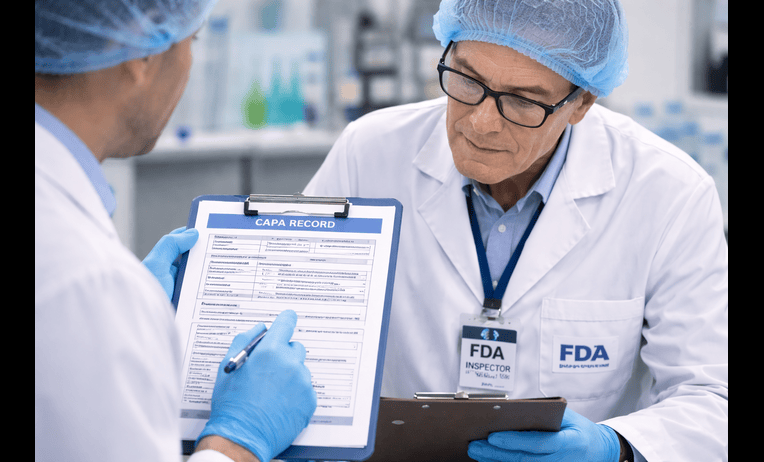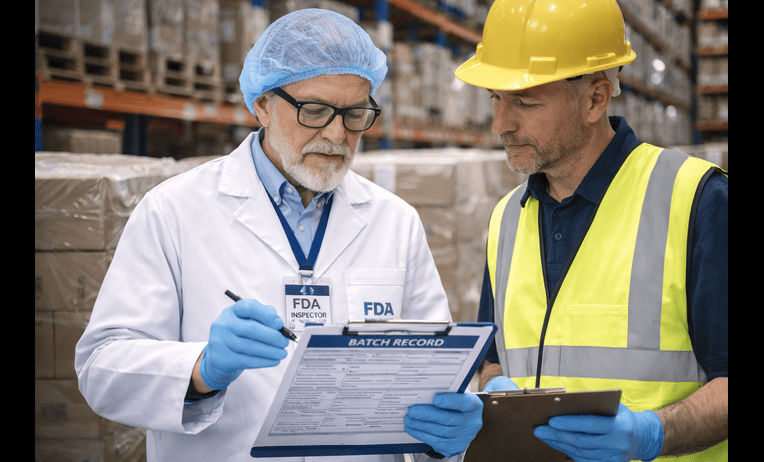

In today’s interconnected global market, a single weak link in your supply chain can compromise product quality, safety, and your brand’s reputation. Whether you are producing life-saving pharmaceuticals or high-tech medical devices, a comprehensive supplier audit is no longer just a regulatory checkbox, it is a critical business necessity. By actively auditing suppliers, organizations can proactively identify risks, ensure global regulatory compliance, and build resilient, high-quality partnerships.
What is a Supplier Audit and Why Does it Matter?
At its core, a Supplier Audit is a formal evaluation of a supplier’s business practices, quality systems, and manufacturing capabilities. A well-structured vendor audit process ensures that your partners consistently meet industry standards, such as the ISO 9001 quality management system.
Implementing a robust vendor audit program involves adhering to procurement due diligence best practices. Today, businesses must focus on supply chain risk management strategies, mitigating ethical sourcing risks, and ensuring factory transparency and social responsibility. This holistic view often ties directly into modern environmental social and governance reporting (ESG). Whether you are conducting a routine supplier quality audit to check your basic audit supplies or evaluating complex manufacturing partners, vendor audits protect your bottom line.
Key Steps for Quality Assurance
If you are wondering what are the steps for quality assurance during a vendor audit, they generally include:
- Developing a strict vendor evaluation process checklist.
- Deciding between third-party certification vs self-assessment.
- Learning how to evaluate vendor performance metrics over time.
- Resolving non-conformity in manufacturing swiftly.
- Enhancing product consistency through monitoring post-audit.
Navigating the Complexities of Healthcare, Pharma, and Medical Devices
When transitioning to the life sciences sector, the audit medical term takes on a highly specialized, heavily regulated meaning. Patient safety is on the line, making regulatory audits an absolute priority.
Medical Device Auditing
A medical device audit requires strict adherence to international frameworks. The medical device single audit program (MDSAP) is critical for global manufacturers. Utilizing the mdsap audit model, organizations can satisfy multiple regulatory authorities simultaneously. However, surviving an mdsap audit takes preparation. Many companies execute mdsap mock audits and an iso 13485 internal audit before the official inspection. If internal resources are scarce, companies often hire medical device audit services to ensure compliance, helping them avoid an unexpected fda audit medical device warning.
Pharmaceutical and Clinical Audits
Pharmaceutical auditing is equally stringent. Conducting a thorough pharma audit involves verifying that manufacturing sites follow Good Manufacturing Practices. Because of the complexity, many firms rely on a specialized pharma auditor or hire gmp audit companies and gmp audit consultants for comprehensive gmp auditing services.
Whether you need a gmp compliance audit, a routine good manufacturing practices audit, or a targeted gmp audit pharmaceutical review, preparation is key. A standard gmp audit checklist pharmaceutical or a general gmp audit checklist is essential to track compliance. Furthermore, the pharmaceutical audit services sector covers diverse evaluations, from a good clinical practice audit (gcp audit / gcp audits) to a clinical trial audit.
For clinical research, ensuring the integrity of data through clinical trial audit and monitoring services is vital. You must also be prepared for specialized inspections like a bimo audit (Bioresearch Monitoring), a pai audit (Pre-Approval Inspection), or a gvp audit (Good Pharmacovigilance Practices). Companies seeking partnerships often look for the most compliant biotech manufacturers for regulatory audits to minimize risk. Working with top-tier audit consulting firms that provide specialized pharmaceutical quality audits and gxp audit services ensures continuous readiness for any FDA Audit, including specific fda audit clinical trials.
Surviving an FDA Audit and GxP Compliance
No organization wants to face fda audit 483 observations. An fda audit consultant can help you navigate regulatory audits in pharma and avoid the dreaded fda audit 483 form, which outlines non-compliance issues. Achieving readiness often involves utilizing gxp audits (encompassing GMP, GCP, GLP) to establish a baseline of quality. From a specialized pharmaceutical audit to a standard audit in pharmacy or broader pharmacy audit, maintaining a culture of quality is non-negotiable.
Organizations also leverage healthcare auditing companies and quality auditing services to manage audit and compliance in pharma. For specific product types, specialized distribution audit or wholesale and distribution audit frameworks track the product lifecycle from factory to patient.
The Crucial Role of Data Integrity and Audit Trails
You cannot discuss a modern regulatory audit without addressing data integrity. But what are audit trails, exactly? And more specifically, what is an audit trail in healthcare?
An audit trial (or audit-trail) is a secure, computer-generated, time-stamped electronic record that allows reconstructing the course of events relating to the creation, modification, or deletion of an electronic record. Knowing exactly what audit trails of computer systems include—such as the user ID, date, time, and original vs. changed data—is fundamental to meeting audit trail requirements.
To maintain compliance, organizations must prioritize an ongoing audit trail review using a data integrity audit checklist. Fortunately, modern technology offers robust solutions:
- Audit trail software designed specifically for GxP environments.
- Tools that automate audit trails for medical device regulatory submissions.
- Software for audit-ready documentation medical device companies.
- Software for preparing for fda audits with built-in traceability.
When selecting technology, companies look for the best fpanda system with strong audit trails and compliance features to ensure flawless record-keeping (often integrating ERP and FDA compliance systems). You must also evaluate how to create audit trails for vendor selection decisions, ensuring transparency in procurement. Even niche systems, such as medical duress systems with audit trails companies, require stringent validation.
On-Site vs. Virtual Audits: Choosing the Right Approach
Historically, an audit on site was the only acceptable method for a supplier quality audit. However, recent years have shifted the landscape, forcing organizations to evaluate onsite versus remote inspection methods.
The Rise of Virtual Audits
A virtual audit (or remote audit) leverages digital technology to review documents, conduct facility tours via video, and interview staff. Engaging a virtual auditor for remote audit & virtual audit services saves time and travel costs. Virtual audits and virtual auditing have proven highly effective for routine document reviews and follow-ups.
The Necessity of On-Site Audits
Despite digital advancements, an on site audit remains indispensable for high-risk suppliers. Walking the factory floor allows auditors to observe nuances that a camera might miss. Whether conducting supplier audits virtually or physically, your organization needs a clear standard operating procedure for site visits.
Expanding Vendor Evaluations: Beyond the Factory Floor
Auditing goes far beyond manufacturing. Organizations frequently require supplier audit services or vendor audit services for diverse areas, including third-party labs auditing food chemical compliance and specialized qa audit services.
If your organization is navigating complex environmental rules, you might engage audit readiness consulting focusing on chemical regulatory standards. Furthermore, when outsourcing professional services, teams must establish how to audit consulting deliverables usa, ensuring that knowledge-based work meets quality standards. This includes understanding how to set up regular audits of knowledge content to ensure internal databases remain accurate and compliant.
When partnering with third parties, clearly define the typical outsourced compliance package components. This ensures your gmp auditing covers everything from raw material sourcing to final distribution, solidifying your overall pharmaceutical audits strategy.
Conclusion
Understanding the importance of a supplier audit is the first step toward building a resilient, compliant, and high-performing supply chain. Whether you are conducting a routine gmp audit services review, implementing complex medical device auditing, or deploying software for preparing for fda audits, the goal remains the same: ensuring uncompromised quality and safety.
By leveraging expert pharma audit consultants, robust audit trail software, and a blend of virtual audits and physical inspections, organizations can confidently navigate the heavily regulated landscapes of today’s global market. Invest in rigorous vendor audits now, and protect your enterprise from the compliance risks of tomorrow.