Investing in or acquiring a pharmaceutical or medical device company is a high-stakes endeavor. For buyers whether they are private equity firms, acquiring corporations, or life science investors evaluating a target company’s regulatory standing is critical. At the heart of this evaluation lies the pre-approval inspection (PAI).
A pre-approval inspection is the ultimate test of a facility’s readiness to manufacture a new drug or medical device. For buyers, understanding the nuances of a pre approval inspection is not just a matter of compliance; it is a vital strategy for risk mitigation.
In this comprehensive guide, we will explore the benefits of these inspections for buyers, delve into the intricacies of US FDA compliance, and outline actionable strategies for seamless regulatory approvals.
Understanding the FDA Landscape: What Do They Regulate?
Before investing, buyers must understand the regulatory environment. So, what does the FDA regulate, and for what is the FDA responsible?
The Food and Drug Administration ensures the safety, efficacy, and security of human and veterinary drugs, biological products, and medical devices. If you are wondering what industries are regulated, they include pharmaceuticals, medical devices, food supply, cosmetics, and radiation-emitting products. Knowing exactly what is regulated by the FDA (and broadly what does FDA regulate) helps buyers assess the risk profile of their target acquisition.
Understanding what is FDA regulations and how FDA regulation applies to your specific asset is the first step in due diligence. Whether you are dealing with a new pharmaceutical compound or an innovative surgical tool, ensuring the target company is safely FDA regulated is non-negotiable.
What is a Pre-Approval Inspection (PAI)?
An FDA PAI (or PAI FDA) is conducted to ensure that a manufacturing facility is capable of producing a drug or device safely, consistently, and precisely as outlined in their regulatory submission.
When a company submits a New Drug Application (NDA) or a Premarket Approval (PMA), the new drug application clearance timeline heavily depends on the outcome of this PAI inspection. The FDA wants to verify that the data submitted in the application is authentic and that the facility adheres strictly to FDA standards.
Why Buyers Should Prioritize Inspection Readiness
For a buyer, an unexpected delay due to a failed regulatory inspection can mean millions of dollars in lost revenue. This is why inspection readiness is a major value driver. Ensuring FDA inspection readiness prior to finalizing a buyout guarantees that the asset can transition smoothly into commercialization.
By focusing on a proactive inspection readiness assessment, buyers can proactively identify standard operating procedure compliance gaps and initiate preventing regulatory enforcement actions.
Key Areas Assessed During an FDA PAI
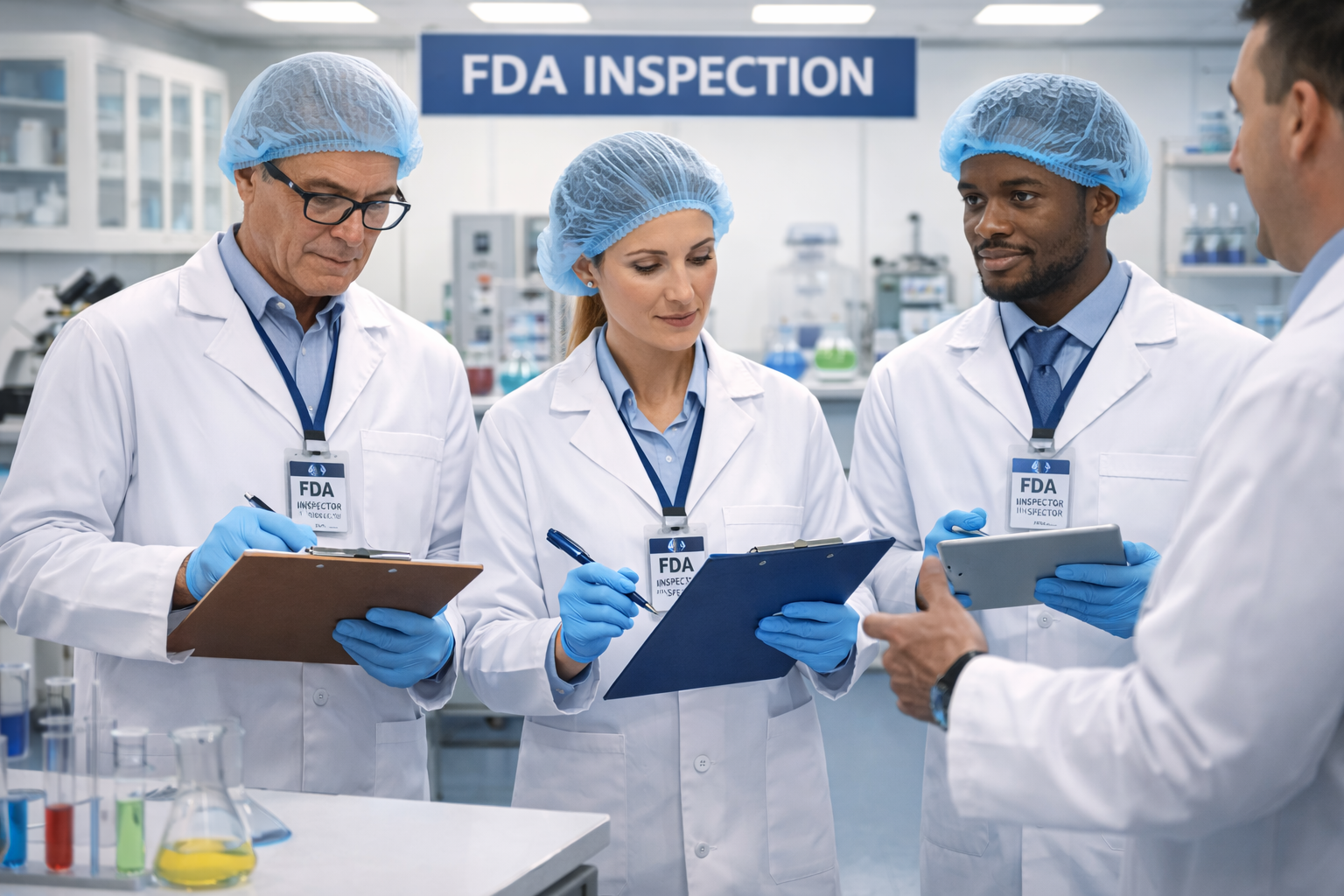
During a US FDA inspection, investigators look for evidence of operational excellence and data authenticity. Here are the core areas evaluated:
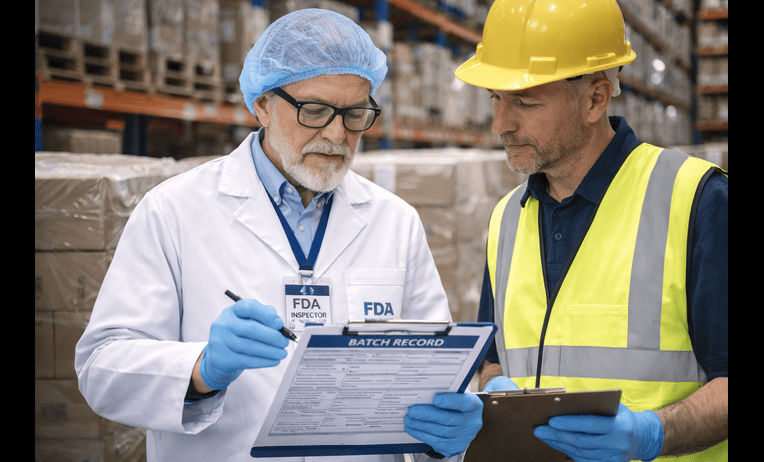
- Data Integrity: A primary focus is data integrity during pharmaceutical trials. Investigators will cross-check raw laboratory data against the submitted application.
- Manufacturing Readiness: The FDA assesses commercial scale-up validation requirements to ensure the facility can handle mass production without compromising quality.
- Laboratory Verification: Proper laboratory documentation for site clearance and rigorous bioequivalence study record verification are mandatory.
- Facility Suitability: The agency reviews FDA building requirements to ensure the physical plant is suitable for safe manufacturing.
Buyers should look for target companies that have clearly documented good manufacturing practices certification steps and a history of successful FDA audits. You can even check a facility’s history using the FDA inspection database (and tools like FDA TIMS) to review past compliance records.
Mastering Inspection Readiness: Best Practices
How do top-tier companies prepare? A robust quality management system audit strategy is key. When assessing a target company, buyers should ask: how to prepare for a regulatory site visit?
Here are the inspection readiness best practices every buyer should look for:
- Conduct a Mock Inspection: Also known as an FDA mock inspection, this simulated audit helps staff practice their responses and identifies vulnerabilities.
- Use Specialized Tools: Implement inspection readiness tools and a thorough PAI inspection readiness checklist.
- Understand Audit Types: Distinguish between a routine vs initial facility audit. A PAI (initial) is far more rigorous than routine surveillance.
- Implement Checklists: Use an FDA audit checklist, an FDA checklist for inspection, or a specialized pharmacy audit checklist to leave no stone unturned.
- Training: When training personnel, a common question is: which below are steps in effective inspections? Effective steps always include opening meetings, facility tours, meticulous document review, and daily wrap-ups. Utilizing best practices for conducting inspections with commissioning checklists ensures staff are never caught off guard.
A comprehensive FDA compliance readiness checklist or an inspection readiness checklist is a buyer’s best insurance policy against acquisition delays.
The Role of FDA Regulatory Consulting for Buyers
Navigating the complexities of an FDA audit often requires outside expertise. Many buyers and acquiring firms rely on FDA consulting services to conduct due diligence.
Choosing the Right FDA Regulatory Consultant
If you are wondering who provides the best FDA consulting services for device companies or what the best FDA regulatory consulting for medical devices 2025 will look like, you must look for proven track records.
An experienced FDA regulatory consultant or FDA compliance consultant can guide you through the maze of regulatory demands. Services range from an FDA NDA consultant helping with drug approvals to an FDA 510k consultant or US FDA 510k consulting firm streamlining device clearances.
When evaluating FDA consulting firms, consider these specialized roles:
- FDA Quality and Regulatory Consultants: Focus on QMS and daily operational compliance.
- Consultants for FDA Pre-Submission Meetings: Help structure early dialogues with the agency to smooth the approval pathway.
- FDA Customs Clearance Consultant: Ensures that imported components or medical devices cross borders without regulatory friction.
- FDA Remediation Consultant: Vital for correcting FDA Form 483 observations if the target company previously failed an audit.
Whether you need FDA regulatory affairs consulting, US FDA regulatory consultants, or specific FDA consulting experts for contract research organizations, partnering with the right experts ensures your investment is sound.
Special Focus: Medical Device Inspection Readiness
The medical device sector has its own unique regulatory hurdles. A medical device inspection relies heavily on the Quality System Inspection Technique (QSIT or FDA QSIT). Understanding FDA QSR consulting (Quality System Regulation) is crucial for buyers in the MedTech space.
When investing in MedTech, you need to know which consulting service is best for FDA med device approval. You should seek out FDA consulting firms specialized in medical devices and the best-rated FDA consultancy for medical device research.
Breakthrough Innovations and Guidelines
Regulatory pathways are evolving rapidly. For example, staying updated on neuromodulation FDA news or FDA imaging clearance news can impact investment timing.
Furthermore, products achieving the FDA breakthrough device designation (such as the highly publicized medical magnesium FDA breakthrough device designation) offer accelerated review times but require stringent medical device inspection readiness.
Your medical device FDA consultant or FDA consultant medical device expert must be well-versed in:
- FDA design controls 21 CFR 820.30 guidance: Ensuring the product was designed safely from day one.
- FDA biocompatibility guidance (and general FDA guidance on biocompatibility): Proving the device materials are safe for human use.
Partnering with the best FDA regulatory consulting for medical devices and top CROs for medical devices FDA compliance ensures that the target company meets all pre-market requirements. Buyers frequently look for the leading FDA regulatory advisors medical device CROs (or leading FDA regulatory advisors for medical device CROs) and the most reliable FDA compliance service for Med Device CROs to handle these complex clinical evaluations.
Addressing Common Pitfalls and Post-Inspection Steps
Even with the best preparation, an FDA inspection or USFDA inspection can uncover issues. Buyers must evaluate how a target company handles common drug manufacturing audit findings.
The Importance of Remediation
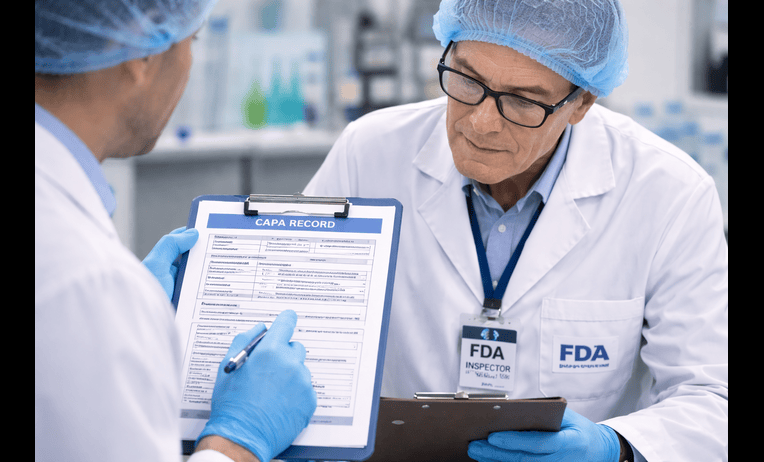
If an FDA Form 483 (notice of inspectional observations) is issued, it is not the end of the world—provided the company acts swiftly. Hiring an FDA remediation consultant or working with top FDA compliance consulting firms is essential for rapid correction.
Once the observations are corrected, the agency will finalize the establishment inspection report approval process. Only then can commercialization begin.
Partnering with the Right Advisors
For buyers, evaluating US FDA compliance is just as important as financial due diligence. Engaging with recommended FDA regulatory consultants for device trials, FDA registration consultants, and FDA regulatory strategy consultants provides a clear picture of what you are buying.
Whether you are looking for general FDA consultants, FDA consulting, or specialized FDA medical device consulting, the goal remains the same: ensuring regulatory inspection readiness and securing FDA approval. As you scale, expanding your network to include various FDA regulatory consulting services and FDA regulatory consulting firms will safeguard your portfolio.
Moreover, if you are looking to build an internal compliance team post-acquisition, keeping an eye on FDA inspection jobs can help you recruit top-tier talent who understand how to navigate US FDA inspections and manage FDA inspections internally.
Conclusion
For buyers and investors, a successful pre-approval inspection is the gateway to market entry and profitability. By prioritizing FDA inspection readiness, investing in FDA regulatory compliance consulting, and utilizing tools like an inspection readiness assessment, buyers can mitigate risks and ensure their newly acquired assets are primed for success.
Do not wait until the agency is at the door. Leverage the expertise of top FDA regulatory consultants, implement a strict regulatory inspection framework, and transform FDA compliance from a regulatory hurdle into your ultimate competitive advantage.