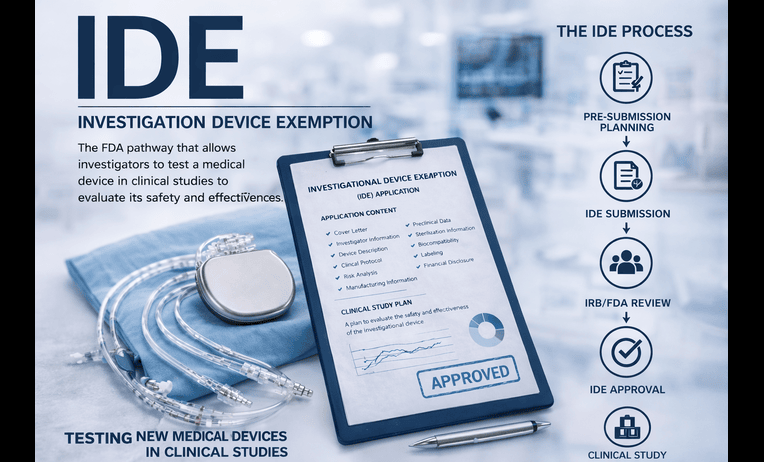

According to pharmaceutical industry data, scientists evaluate up to 10,000 chemical compounds in a laboratory just to find one promising candidate. Before a single person can take that experimental medicine, developers must ask the government for a specific permission slip. This mandatory request is an Investigational New Drug IND application also called an investigational new drug application or, informally, an investigational drug application. While you frequently hear about clinical trials on the news, this filing serves as the invisible gatekeeper required before human testing can even begin.
Why can’t researchers start testing on people immediately once a molecule shows promise? The answer relies on a massive safety checkpoint called pre-clinical research. During this stage, scientists spend years gathering an “evidence folder” of laboratory and animal studies to prove the drug is not inherently toxic. Federal regulators demand this foundational work to guarantee patients avoid unreasonable harm.
Submitting this data allows the FDA to independently evaluate the risks. Anyone wondering “what is an IND,” the IND meaning medical, the IND acronym medical, or the IND in medical terms should simply picture a highly guarded bridge connecting a laboratory petri dish to a human patient. If government doctors spot a red flag in the application, they immediately pause the research, ensuring only the most thoroughly vetted treatments ever reach your local pharmacy. There are different types of IND in practice (for example, commercial and research), but all serve the same protective purpose within the IND process.
From the Lab to the FDA: The ‘Pre-Clinical’ Homework Scientists Must Finish
Discovering a promising new molecule in a petri dish is thrilling, but it is a long way from becoming a medicine in your cabinet. Before anyone swallows an experimental pill, the chemical must undergo intense laboratory scrutiny. The FDA will not just take a researcher’s word that a medical breakthrough is harmless.
Transforming a raw chemical into an official “investigational drug” requires a highly specific set of homework assignments. Researchers call these ind-enabling studies. Think of them as the rigorous final exams a molecule must pass in the lab to prove it is structurally sound and ready for its first human test.
This testing phase generates essential pre-clinical data by exploring what the medicine does to the body (ind pharmacology) and identifying potential harms (toxicology). To build an acceptable safety profile, scientists must achieve three specific goals:
- Proving the drug actually works against the targeted disease in a dish.
- Finding the maximum safe dose in animals before side effects appear.
- Checking for hidden organ damage to ensure it doesn’t quietly harm the liver or heart.
Biological testing acts as a non-negotiable prerequisite because the human body is vastly more complex than a glass beaker. Teams also follow GxP standards, if you’ve wondered what is GxP in pharmaceutical industry, these are the Good Practice frameworks that ensure data integrity and patient protection. Once researchers compile this massive folder of evidence proving the drug’s safety, they are finally ready to officially approach the FDA. The next crucial step is organizing this evidence into the three pillars of the IND: the recipe, the safety profile, and the clinical plan.
The Three Pillars of the IND: Recipe, Safety, and the Plan
Taking that massive folder of lab evidence and organizing it for the government is the next major hurdle. An official ind drug application is a highly structured dossier broken into specific sections, often called ind modules. To prove an experimental medicine is truly ready for humans, scientists must build their case around three main pillars: the recipe, the safety manual, and the testing playbook.
The first pillar focuses on how the drug is made, a section known as Chemistry, Manufacturing, and Controls (CMC). Interestingly, the FDA regulates the manufacturing process just as much as the medicine itself. They require strict quality compliance in pharmaceutical industry standards, ensuring that if a company makes one thousand pills, the first pill is chemically identical to the thousandth in both strength and purity. This work is typically led by the quality assurance department in pharmaceutical industry settings, supported by robust CAPA in pharma industry processes that catch and correct issues before they reach patients.
Before doctors can safely administer this perfectly manufactured pill, they need its entire safety history. The second pillar summarizes all early animal and lab tests into a comprehensive guide called the Investigator’s Brochure, or ind ib. Think of this document as the ultimate doctor’s manual, detailing exactly what potential side effects to watch for and how the chemical behaves inside a living body.
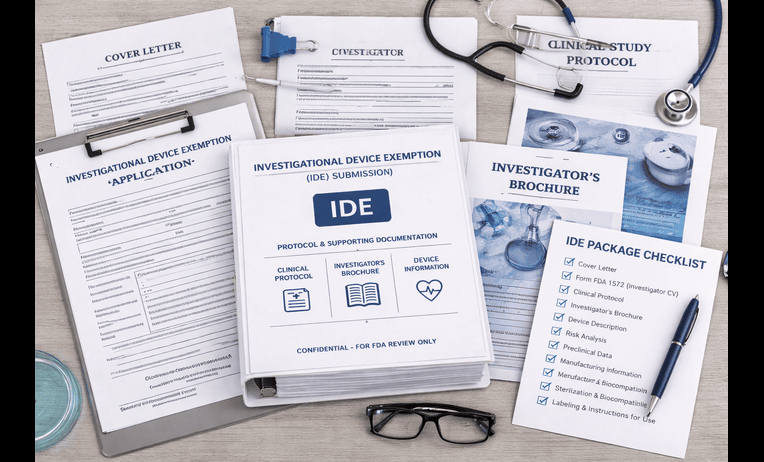
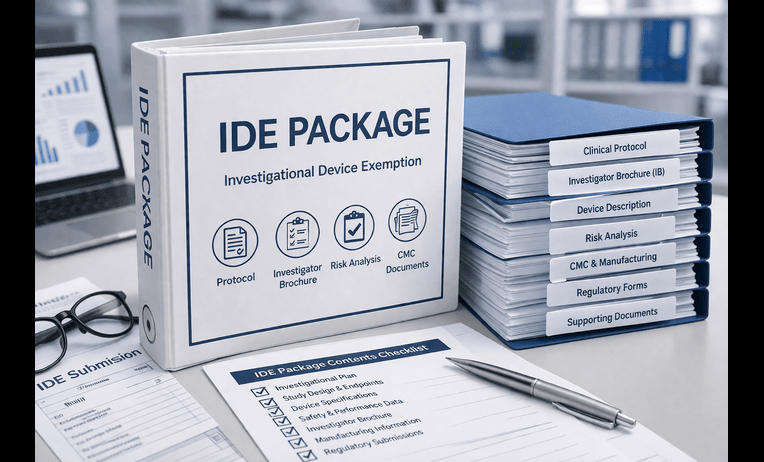
Finally, the submission must include a Clinical Protocol, serving as the strict, step-by-step playbook for the human study. This detailed plan prevents researchers from making it up as they go, guaranteeing patient safety remains the ultimate priority. Collectively, these documents form the core IND package that moves through review once submitted.
The 30-Day Countdown: How the FDA Decides ‘Yes’ or ‘No’
Once the massive application lands on a desk, a strict 30-day clock begins. If you’re curious how IND reviews work, this is the point when the FDA IND application review formally starts. During this ind fda review period, a specialized team of government doctors, chemists, and pharmacologists scrutinizes the evidence. This group acts as an independent safety patrol, ensuring the proposed medicine won’t expose human volunteers to unreasonable risks.
By the time this critical ind date arrives, the review team will issue one of three main decisions:
- Approval to proceed: The green light for human trials to begin.
- Request for more data: Minor questions the company must answer to move forward.
- Clinical Hold (Stop): A mandatory pause on the study. Importantly, a clinical hold is not a project failure, but a vital safety feature of the ind process. It simply means the agency spotted a red flag like an unclear dosage that requires fixing before anyone takes the medicine.
Once an IND number is assigned, the agency references it throughout the drug IND evaluation and any future correspondence.
Navigating this month-long wait is stressful, so scientists rarely submit their paperwork blindly. Instead, developers try to iron out potential safety concerns with regulators long before the clock starts ticking. This proactive approach relies heavily on early communication with regulators.
Meeting the Gatekeepers: Why Pre-IND and Type B Meetings Matter
Picture the IND process not as throwing a massive binder over a brick wall, but as an ongoing conversation. Before finalizing their application, drug developers can request a pre ind meeting with the FDA. This crucial sit-down acts as a roadmap check, allowing scientists to ask regulators if their lab tests are on the right track before they officially apply for human trials and other pre submission activities.
To keep these discussions organized and efficient, the agency divides its formal consultations into three distinct categories based on urgency and purpose:
- FDA type A meeting: The emergency huddle. These occur when a project stalls such as during a safety-related clinical hold and requires immediate problem-solving to resume.
- Type B meeting (often called a type b fda meeting): The milestone check-in. This is where the pre-IND discussion lives, happening at critical junctures to ensure the development plan meets strict safety standards.
- FDA type C meeting (also written as type c fda meeting): The catch-all guidance session. These address any general scientific or technical questions that fall outside of major project milestones.
Developers consult the FDA meeting guidance on FDA formal meetings to craft requests and briefing packages that follow effective briefing document structure best practices. Navigating these different tiers of communication requires deep expertise, which is why drug developers rarely go it alone. Teams frequently partner with pharmaceutical industry consulting experts often an ind consultant from consulting firms pharmaceutical industry—to translate the agency’s complex expectations. IND pharma teams may also invest in targeted ind training or broader pharmaceutical industry training courses to stay current on evolving standards.
Ultimately, this early collaboration guarantees the final application is as thorough and safe as possible. Once the government reviewers and the scientific team align on the testing playbook, the medicine is ready for human volunteers.
The Big Leap: What Happens After IND Approval?
Receiving FDA clearance moves a promising molecule out of the laboratory and into an ind clinical trial. This pivotal moment triggers First-in-Human studies, commonly known as phase 1 clinical trials. At this early stage, researchers are not trying to cure a disease. Their sole focus is safety. By giving the medicine to a small group of healthy volunteers, doctors monitor exactly how the human body reacts, checking for side effects and determining a safe starting dose.
If the experimental medicine proves safe, it advances to larger studies with actual patients to see if it works. This is a core part of IND drug development. Over time, programs progress toward the ind nda transition, where the New Drug Application (NDA) becomes the final request to legally sell the finished product to the public.
Visualizing this timeline from a lab beaker to your local pharmacy reveals a highly protective system. Each testing phase acts as a filter, catching problems long before a prescription is written.
Trusting the Guardrails: Why the IND Process Keeps Us Safe
The investigational new drug application acts as the ultimate safety gatekeeper, separating proven science from dangerous snake oil. This vital checkpoint demands rigorous preliminary testing and strict quality assurance in pharmaceutical industry practices before a single patient ever receives a dose. While market access in pharmaceutical industry comes later after efficacy is proven and approvals are granted, the IND step ensures that only responsibly designed studies move forward.
This profound level of oversight continuously protects public health. Behind every medical breakthrough making headlines is a massive, invisible safety net that made those trials possible. To see this rigorous system in action, visit ClinicalTrials.gov to explore active investigational drugs and observe how carefully the development pipeline is monitored to protect patients.
Q&A
Question: What is an IND and why is it required before testing a drug in humans?
Short answer: An IND (Investigational New Drug) application is the FDA’s mandatory “permission slip” that allows a potential medicine to be tested in people. It serves as an invisible gatekeeper between lab research and human trials. Developers must first compile extensive pre-clinical evidence (lab and animal data) showing the drug isn’t unreasonably risky. FDA experts then independently review that evidence to protect volunteers from harm. You may see it called an “investigational new drug application” or “investigational drug application,” and there are different types (e.g., commercial vs. research), but all share the same protective purpose.
Question: What pre-clinical work must be completed before submitting an IND?
Short answer: Developers run “IND-enabling” studies rigorous lab and animal tests that build the drug’s safety and activity profile. These studies aim to: (1) show the drug works against its target in the lab, (2) find the maximum safe dose in animals before side effects appear, and (3) check for hidden organ damage (like to the liver or heart). Teams follow GxP (Good Practice) standards to ensure data integrity and patient protection. Only after assembling this evidence folder do they move on to the IND.
Question: What are the three core pillars of an IND submission?
Short answer: The IND is organized around three pillars:
- The “recipe” (CMC: Chemistry, Manufacturing, and Controls) explains how the drug is made and quality-controlled. FDA regulates the process to ensure every pill matches in strength and purity, with quality assurance and CAPA systems catching and fixing issues.
- The “safety manual” (Investigator’s Brochure) summarizes all pre-clinical findings, describing side effects to watch for and how the drug behaves in the body.
- The “testing playbook” (Clinical Protocol) lays out a strict, step-by-step plan for the human study, preventing ad‑hoc changes and keeping patient safety paramount.
Question: How does the FDA’s 30-day IND review work, and what is a clinical hold?
Short answer: Once the FDA receives an IND, a 30-day clock starts. A team of physicians, chemists, and pharmacologists scrutinizes the dossier to ensure volunteers won’t face unreasonable risks. Outcomes include: (1) approval to proceed, (2) requests for more data, or (3) a clinical hold a pause to resolve red flags (for example, an unclear dose). A clinical hold isn’t a failure; it’s a safety feature. The IND is assigned a unique number used for ongoing reference. To minimize surprises, sponsors often discuss plans with FDA in advance.
Question: What happens after the IND is cleared?
Short answer: The program moves into first-in-human (Phase 1) clinical trials, usually in a small group of healthy volunteers. The focus is safety monitoring side effects and determining a safe starting dose. If safety looks acceptable, studies expand to patients to see whether the drug works, progressing toward the IND-to-NDA transition. The NDA (New Drug Application) is the final request to market the medicine once safety and efficacy are established. Each phase acts as a filter, catching issues early to protect patients.