
In today’s hyper-connected global marketplace, businesses are only as strong as their weakest link. Whether you are manufacturing life-saving pharmaceuticals, assembling intricate medical devices, or managing consumer goods, your final product relies heavily on the materials and services provided by external partners. This is where a robust supplier audit program becomes indispensable.
A thorough supplier audit is not just a checkbox exercise; it is a critical component of a proactive procurement risk assessment framework. It helps organizations ensure that their vendors consistently meet quality, safety, and regulatory standards. Let’s dive deep into why supplier audits matter, how to navigate complex regulatory landscapes, and the tools you need to stay compliant.
What is a Supplier Audit and Why Does it Matter?
At its core, auditing suppliers is the process of evaluating a vendor’s practices, facilities, and quality systems to ensure they align with your company’s standards and regulatory requirements. An effective vendor audit program is the linchpin of sustainable supply chain management. It ensures:
- Mitigating supply chain disruption risks: Identifying vulnerabilities before they cause production delays.
- Improving product quality consistency: Guaranteeing that every batch of raw materials or components meets exact specifications.
- Quality management system compliance: Ensuring that vendors adhere to frameworks like ISO 9001 certification requirements.
Understanding the vendor qualification process steps is crucial. When evaluating potential partners, you must know how to evaluate manufacturing capabilities effectively. Proper execution of a supplier quality audit enables companies to build trust and transparency, transforming a simple transactional relationship into a strategic partnership.
Regulatory Audits in Highly Regulated Industries
In sectors like healthcare, life sciences, and pharmaceuticals, the stakes are exceptionally high. A regulatory audit in these fields is rigorous, often requiring specialized quality auditing services.
The Pharmaceutical Landscape
When we discuss audit and compliance in pharma, we are looking at a complex web of requirements. A comprehensive pharmaceutical audit ensures that drugs are safe, effective, and manufactured correctly. Companies frequently rely on gmp audit consultants and gmp audit companies to maintain adherence to Good Manufacturing Practices.
A standard pharma audit will encompass:
- Good manufacturing practices audit: Using a detailed gmp audit checklist pharmaceutical to verify production standards.
- GMP compliance audit: Ensuring ongoing adherence, often supported by external gmp auditing services.
- GCP audits (Good Clinical Practice): Conducted to ensure patient safety and data integrity during clinical trials. Utilizing dedicated clinical trial audit and monitoring services is essential here.
- GVP audit (Good Pharmacovigilance Practices): Ensuring post-market safety monitoring.
- Distribution audit: Verifying the integrity of the supply chain through a wholesale and distribution audit.
If an issue arises, knowing what are corrective action plans and swiftly resolving non-conformity in production is vital to maintaining compliance. Finding the most compliant biotech manufacturers for regulatory audits can significantly streamline this process, and many organizations utilize pharmaceutical audit services to ensure readiness.
Medical Device Auditing
The medical device sector is governed by equally strict standards. A standard medical device audit evaluates everything from design controls to post-market surveillance.
Key considerations include:
- ISO 13485 internal audit: Ensuring the quality management system meets international standards for medical devices.
- MDSAP audit model: The Medical Device Single Audit Program allows an MDSAP recognized auditing organization to conduct a single regulatory audit of a medical device manufacturer that satisfies the relevant requirements of the regulatory authorities participating in the program. Many companies undergo MDSAP mock audits to prepare for the real thing.
- FDA audit medical device: Preparing for US regulatory scrutiny using specialized medical device audit services.
FDA Audits: Preparation and Prevention
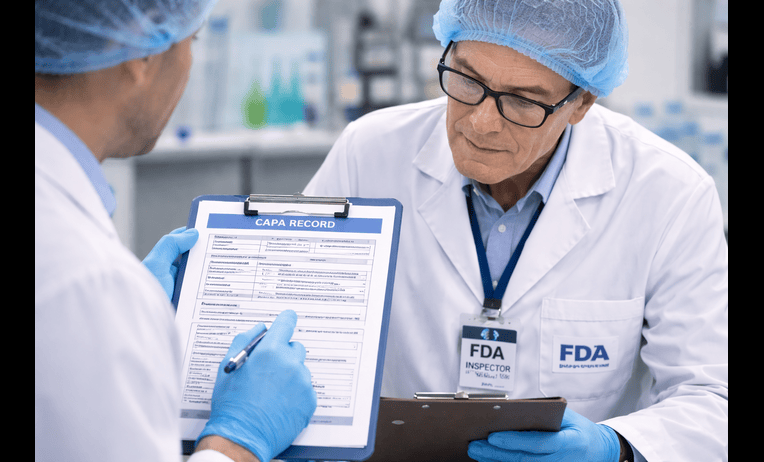
Facing an FDA Audit can be daunting. The agency conducts various types of inspections, including the PAI audit (Pre-Approval Inspection), the BIMO audit (Bioresearch Monitoring for an FDA audit clinical trials), and routine surveillance.
Preparation is key. If a facility falls short, the FDA may issue an FDA audit 483, detailing non-compliance issues. To avoid severe FDA audit 483 observations, companies often hire an FDA audit consultant and invest heavily in software for preparing for FDA audits. Using dedicated software for audit-ready documentation medical device companies ensures that your records are pristine and easily accessible during an inspection.
The Paradigm Shift: On-Site vs Remote Factory Inspections
The traditional on site audit remains the gold standard for deep, physical verifications. However, the industry has seen a massive shift toward virtual auditing.
When weighing on-site vs remote factory inspections, both have unique advantages. An audit on site allows a pharma auditor to observe real-time behaviors and physical infrastructure. Conversely, a virtual audit (or remote audit) leverages video conferencing, smart glasses, and secure document-sharing portals to assess compliance without travel.
Many organizations now employ a hybrid model, utilizing remote audit & virtual audit services for initial assessments and routine document reviews, while reserving on-site visits for high-risk vendors. A virtual auditor can effectively conduct a virtual audits review of paperwork, SOPs, and electronic logs, saving significant time and resources.
Decoding Audit Trails and Software Solutions
In the modern digital landscape, data integrity is paramount. But what are audit trails, and why do they matter?
In simple terms, an audit-trail is a secure, computer-generated, time-stamped electronic record. If you are wondering what is an audit trail in healthcare (often related to the audit medical term for tracking patient data access) or life sciences, it is the chronological record of who did what, when, and why.
Audit trail requirements are strict under regulations like FDA 21 CFR Part 11. Understanding what audit trails of computer systems include such as user IDs, time/date stamps, and original versus altered values is critical. A rigorous audit trail review is a standard part of any data integrity audit checklist.
When selecting audit trail software, companies look for the best fpanda system with strong audit trails and compliance features (an industry standard for robust FDA-compliant data tracking). Furthermore, utilizing tools that automate audit trails for medical device regulatory submissions helps streamline submissions and approvals.
Interestingly, the need for an audit trial (or trail) extends beyond documentation software. Even physical safety systems, such as medical duress systems with audit trails companies, require chronological logging to prove rapid response during emergencies. You should also understand how to create audit trails for vendor selection decisions to prove to regulators that your vendor qualification was unbiased and thorough.
Comprehensive Vendor Audit Processes
Establishing a successful vendor audit strategy requires leveraging various specialized services. Whether you are performing a supplier audit on a packaging manufacturer or executing a pharmacy audit (or audit in pharmacy) to check dispensing practices, a structured approach is essential.
Here are actionable steps for managing your vendors:
- Define the Scope: Are you conducting GXP audits, a GCP audit, or a general supplier audits check?
- Evaluate Tools and Knowledge: Know how to set up regular audits of knowledge content within your organization so your internal guidelines stay current.
- Choose the Right Modality: Decide between virtual auditing and an on-site visit based on a risk assessment.
- Execute the Audit: Use standardized tools, like a GMP audit checklist, to ensure thoroughness.
- Monitor Performance: Track vendor performance monitoring metrics continuously, not just during the audit.
Many companies rely on vendor audit services and healthcare auditing companies to handle the heavy lifting. These audit consulting firms provide expertise across the board, from pharmaceutical quality audits to GMP auditing. Furthermore, understanding how to audit consulting deliverables usa ensures that when you hire these third parties, you are receiving the exact value and compliance standards promised.
Ethical Sourcing and Chemical Compliance
A Supplier Audit today extends beyond just checking product dimensions or reviewing an SOP. There is a growing emphasis on corporate social responsibility monitoring and strengthening ethical sourcing transparency. Consumers and regulators alike demand that supply chains are free from unethical labor practices and environmentally damaging processes.
In the food and chemical sectors, ensuring safety often involves third-party labs auditing food chemical compliance. Engaging in audit readiness consulting focusing on chemical regulatory standards is highly recommended to prevent costly recalls.
Companies must also decide between self-assessment vs third-party verification. While self-assessments are cheaper, a third-party audit provides objective, unbiased proof of compliance, which is often required in typical outsourced compliance package components.
Conclusion: Investing in Supplier Audit Services
Understanding the importance of a supplier audit means recognizing it as an investment rather than an expense. Whether you are managing pharmaceutical audits, conducting a clinical trial audit, counting audit supplies, or utilizing QA audit services for a medical device launch, the goal remains the same: ensuring absolute quality and safety.
By integrating robust GXP audit services, embracing virtual audit technologies, and maintaining strict audit trails, organizations can navigate the complexities of modern manufacturing and distribution. From GMP audit services to comprehensive pharmaceutical auditing, leveraging expert supplier audit services will safeguard your supply chain, protect your end-users, and insulate your business from costly regulatory actions.
Embrace a proactive vendor audit process, prioritize data integrity, and build a resilient network of partners that consistently uphold your organization’s commitment to excellence.