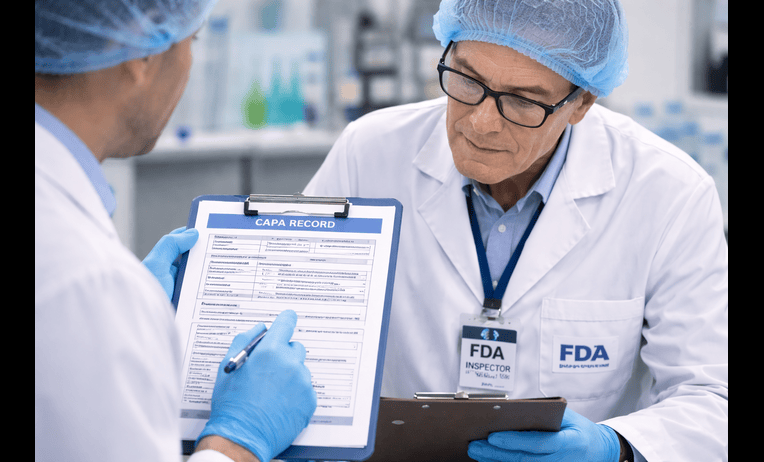
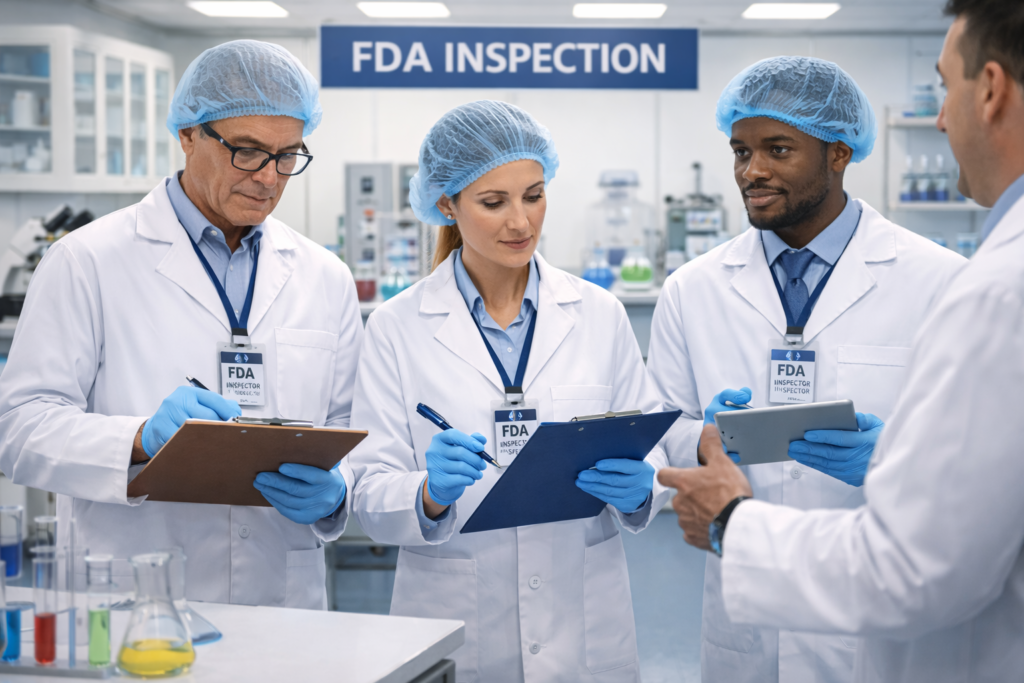
The sudden announcement of an upcoming regulatory inspection can send waves of anxiety through any organization. However, a knock on the door from a regulatory investigator shouldn’t be a cause for panic if your team has embraced a culture of constant preparedness. Establishing a state of FDA Inspection Readiness is a proactive, strategic approach to compliance that ensures your operations, facilities, and documentation are always prepared for scrutiny.
In this comprehensive guide, we will explore actionable strategies and inspection readiness best practices to keep your organization compliant, confident, and ready for any regulatory agency site visit protocol.
Understanding the Regulatory Landscape
Before diving into preparation, it is crucial to understand the foundational rules. People frequently ask: what does the FDA regulate? or for what is the FDA responsible?
In short, the U.S. Food and Drug Administration protects public health by assuring the safety, efficacy, and security of human and veterinary drugs, biological products, medical devices, our nation’s food supply, cosmetics, and products that emit radiation. If you are questioning what is regulated by the FDA or what industries are regulated, the scope is incredibly broad, covering everything from pharmaceuticals to electronic products.
Understanding what is FDA regulations (and broader FDA regulation frameworks) requires knowing that any FDA regulated entity must adhere to stringent FDA standards. Whether you are dealing with a routine usfda inspection or preparing for specific FDA inspections, your organization must prove it operates safely and effectively.
Types of FDA Inspections
To maintain a state of regulatory inspection readiness, you must understand the types of audits you might face:
- Pre Approval Inspection (PAI): Conducted before a new product is approved for marketing. A successful PAI inspection (or FDA PAI / PAI FDA) is critical for commercialization.
- Routine/Surveillance Inspections: Standard checks to ensure ongoing compliance with quality systems.
- For-Cause Inspections: Triggered by specific events, such as a product recall, consumer complaints, or a report in the FDA inspection database.
Understanding the difference between an internal audit vs external regulatory visit is also key. Internal audits are your safe space to identify flaws, while an external FDA audit is the official evaluation of your compliance.
The Core Pillars of Inspection Readiness
Achieving true inspection readiness means shifting away from reactive scrambling toward maintaining continuous compliance status.
Gap Analysis vs Risk Assessment
Preparation starts with understanding your current state. A gap analysis identifies where your current processes fall short of regulatory requirements, while a risk assessment evaluates the potential severity and likelihood of those gaps causing harm. Both are essential inspection readiness tools. Utilizing self-assessment tools for industry standards will help you prioritize which gaps need immediate remediation.
Documentation and Document Control
A strong standard operating procedures documentation strategy is the backbone of any compliant organization. Investigators will ask for proof of everything. If it isn’t documented, it didn’t happen. By streamlining document control workflow, you ensure that teams always have access to the most current, approved SOPs. This guarantees clear evidence of compliance for investigators when they arrive.
Training and Personnel
Having the right procedures is useless if your staff doesn’t follow them. Maintaining meticulously updated employee training and competency records is a non-negotiable expectation during an FDA inspection.
Leveraging Checklists and Mock Audits
When wondering which below are steps in effective inspections, two answers stand out: using comprehensive checklists and conducting realistic mock audits.
Developing Your Audit Checklists
Checklists ensure that no detail is overlooked. Depending on your sector, you might utilize an FDA checklist for inspection, a regulatory compliance audit checklist, or even a specialized pharmacy audit checklist. For a pre-approval phase, a PAI inspection readiness checklist is vital. Operations involving complex equipment should refer to best practices for conducting inspections with commissioning checklists to verify that all FDA building requirements and facility specifications are met.
How to Conduct a Mock Audit
An FDA mock inspection (or mock inspection) is a dress rehearsal for the real thing. To conduct an effective mock audit:
- Hire External Experts: Use independent FDA compliance consultants who can view your systems without internal bias.
- Simulate Real Conditions: Follow the exact regulatory agency site visit protocol. Do not give employees advanced warning of the specific files that will be requested.
- Utilize QSIT: Base your audit on the FDA QSIT (Quality System Inspection Technique). Understanding QSIT is vital for any medical device inspection.
- Review the Findings: Treat the results seriously. Common regulatory audit findings usually center around CAPA (Corrective and Preventive Action) failures, complaint handling, and design controls.
Following the mock audit, focus on developing a corrective action plan to systematically address every observed deficiency.
Special Focus: Medical Device Inspection Readiness
The medical device sector is highly dynamic. Innovations constantly push the boundaries of FDA regulation. For instance, recent neuromodulation FDA news, FDA imaging clearance news, and milestones like the medical magnesium FDA breakthrough device designation (an example of the highly coveted FDA breakthrough device designation) highlight how fast the industry moves.
Medical device inspection readiness requires deep, specialized knowledge. Device manufacturers must stringently follow the FDA design controls 21 CFR 820.30 guidance and adhere strictly to the latest FDA guidance on biocompatibility (frequently searched as FDA biocompatibility guidance).
Because the stakes are so high, many organizations rely on a specialized medical device FDA consultant.
Choosing the Right FDA Regulatory Consulting Firm
Navigating medical device pathways often requires partnering with top-tier FDA regulatory consulting firms. But which consulting service is best for FDA med device approval?
When looking for the best FDA regulatory consulting for medical devices 2025 or trying to find who provides the best FDA consulting services for device companies, consider the following:
- Track Record: Look for the best-rated FDA consultancy for medical device research with proven success in your specific product class.
- Comprehensive Services: You may need an FDA 510k consultant, an FDA approval consultant, or consultants for FDA pre-submission meetings. Ensure your chosen FDA regulatory consultant offers end-to-end support.
- CRO Integration: For clinical trials, identifying the top CROs for medical devices FDA compliance is critical. You want the most reliable FDA compliance service for med device CROs and leading FDA regulatory advisors for medical device CROs (or leading FDA regulatory advisors medical device CROs) to ensure trial integrity. Look for FDA consulting experts for contract research organizations.
Whether you need US FDA 510k consulting, FDA QSR consulting, or a dedicated FDA remediation consultant to help recover from a warning letter, investing in the best FDA consulting services for device companies is highly recommended.
Modernizing Quality Management: Data and Automation
Today’s US FDA inspections are incredibly data-driven. The FDA utilizes advanced tools like FDA TIMS (Turbo Inspections Management System) to streamline their processes. Your organization should similarly embrace modernization.
Quality management system automation benefits are undeniable. An automated QMS reduces human error, forces compliance with workflows, and significantly aids in inspection readiness preparation.
Crucially, automation supports data integrity and audit trail security. Investigators will scrutinize your electronic records to ensure data hasn’t been altered, backdated, or deleted. Your FDA compliance consultant will likely stress that robust data integrity protocols are the difference between passing an inspection and facing severe regulatory action.
Navigating FDA Consulting Services Broadly
Beyond medical devices, FDA regulatory consulting services are vast. The pharmaceutical and food sectors equally require specialized guidance.
You might seek out an FDA NDA consultant for a new drug application, or an FDA customs clearance consultant if you are importing regulated goods. The landscape of FDA consulting firms includes experts in everything from labeling to facility registration.
When searching for US FDA regulatory consultants, FDA regulatory affairs consulting, or general FDA consulting, ask potential partners about their direct experience with US FDA compliance audits. Effective FDA quality and regulatory consultants (or FDA registration consultants) do not just file paperwork; they provide ongoing FDA regulatory strategy consultant services to ensure long-term regulatory inspection success.
Exploring FDA Inspection Jobs
A strong culture of compliance often starts with internal hiring. The demand for ex-FDA personnel or professionals with vast audit experience has led to a surge in FDA inspection jobs in the private sector. Hiring someone who understands exactly what does the FDA regulate from an insider’s perspective can be a massive asset to your inspection readiness assessment team.
The Day of the Inspection
Despite the best inspection readiness, the day of the US FDA inspection will still be tense. Remember these actionable tips:
- First Impressions Matter: Greet the investigator professionally. Verify their credentials and their Notice of Inspection (Form 482).
- Provide a Dedicated Space: Give the investigator a quiet room to review documents, separate from the main operational floor.
- Appoint a Guide and a Scribe: One person should act as the primary liaison (US FDA consultants often play this role), while another takes meticulous notes on everything requested and discussed.
- Answer Directly: Answer the question asked, clearly and honestly. Do not volunteer extra, unprompted information.
- Fix Things in Real-Time: If an investigator points out a minor, easily fixable issue, correct it immediately and document the correction.
Conclusion
Achieving and maintaining FDA Inspection Readiness is not an event; it is a permanent state of operational excellence. By understanding what the FDA regulates, utilizing tools like an inspection readiness checklist, conducting rigorous FDA mock inspections, and partnering with recommended FDA regulatory consultants for device trials or general FDA compliance consulting experts, you can eliminate the fear of audits.
Whether you are navigating FDA audits, seeking a medical magnesium FDA breakthrough device designation, or simply trying to optimize your quality management system automation benefits, the key is proactive preparation. Stay updated on FDA regulations, empower your staff, secure your data, and treat every day as if an investigator might walk through the door.