Think about the last time you swallowed an aspirin or opened a bag of salad. You instinctively trusted that the medicine was safe and the greens lacked harmful bacteria. That quiet confidence is maintained by an invisible system of continuous oversight. When consumers ask what does the FDA regulate, the practical answer covers a massive portion of our daily lives, from heart medication to frozen pizzas.
Behind that familiar logo sits a dedicated team acting as the cop on the beat for public health. If you are wondering for what is the FDA responsible, their primary goal is ensuring the physical contents inside a package perfectly match its label. To prevent invisible threats like microscopic pathogens or chemical errors from reaching your family, agency investigators rely on a vital safety mechanism known as a “Live Audit.”
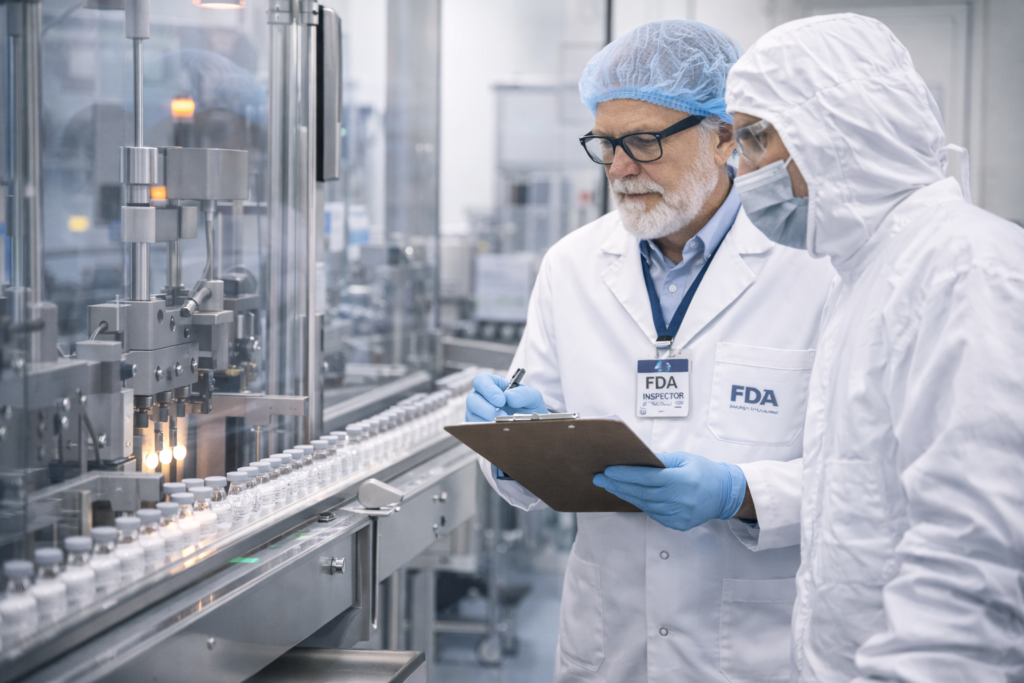
Rather than simply reviewing paperwork from a distant desk, safety detectives perform physical walkthroughs of massive factories while machinery is actively running. According to public health experts, these routine FDA inspections serve as the ultimate reality check for our global supply chain. By simultaneously examining factory floors, sanitation equipment, and testing records, these professionals ensure your products remain strictly protected before they ever hit store shelves.
What Actually Falls Under the FDA’s Watchful Eye?
Most of us know this government agency monitors our medicine cabinets, but discovering exactly what is regulated by the FDA reveals a massive global safety net. Before products reach your home, inspectors travel worldwide to verify safe manufacturing. When people ask what industries are regulated, the answer covers nearly twenty percent of all consumer spending. The scale goes far beyond inspecting frozen pizza factories or reviewing a routine pharmacy audit checklist for safe pill dispensing.
To manage this vast international supply chain, these safety detectives must adapt their standards to incredibly diverse product categories. Whether they are evaluating strict food hygiene or the engineering of complex medical tools, their watchful eye includes:
- Bottled water
- Heart valves
- Microwaves (monitored for safe radiation emissions)
- Cosmetics
- Veterinary medicine
This broad protection requires constant vigilance across thousands of facilities around the world. Managing this vast international supply chain requires different types of facility visits to ensure constant compliance.
The Three Types of Safety Visits: Why an Inspector Shows Up at a Factory Door
Just as a surprise health inspector keeps a local restaurant on its toes, regular, unannounced US FDA inspections act as the ultimate deterrent against taking dangerous shortcuts at massive manufacturing plants around the globe. Because a factory manager never knows exactly when a safety detective might walk through the doors, they must maintain high standards of cleanliness and careful record-keeping every single day.
Sometimes, the visit happens before a product even exists on your pharmacy shelf. When a company invents a new medicine, the agency conducts a strict pre approval inspection to ensure the factory is actually capable of safely mass-producing the drug. Often referred to as a PAI FDA visit, this crucial gatekeeping step proves that a manufacturer can scale up their recipe from a small laboratory to a massive production line without introducing deadly errors.
Finally, there are emergency visits triggered by a specific problem, like a sudden outbreak of illness or a consumer complaint about tainted peanut butter. This targeted USFDA inspection focuses entirely on finding the root cause of the danger and stopping it. Whether investigating a crisis or conducting a routine sweep, safety detectives rely on systematic physical walkthroughs to expose hidden dangers.
What Happens Inside a Facility During an Audit
Imagine walking into a commercial kitchen. Even if the counters sparkle, storing raw chicken directly above fresh salad is a disaster waiting to happen. During an FDA audit, inspectors look past the surface shine to ensure factories follow the ultimate safety rulebook: current good manufacturing practices (cGMP). This strict framework guarantees that every pill or packaged food is produced under highly controlled, sanitary conditions.
While walking the factory floor, these safety detectives actively hunt for physical signs that FDA standards are being ignored. They are trained to spot four specific “red flags” that compromise public health:
- Stagnant water puddles that breed dangerous bacteria.
- Unlabeled chemical drums sitting near product mixing zones.
- Broken temperature gauges on massive commercial refrigerators.
- Missing daily logbooks that prove complex machines were actually cleaned.
Cleanliness, however, is only half the battle. The real test comes during physical-to-paper verification, where inspectors review “batch records” the highly documented history of exactly how a specific product was made. If a company claims they tested a batch of baby formula for impurities, the inspector demands the exact lab printouts. Facilities often hire FDA quality and regulatory consultants to help organize these massive paper trails, knowing the golden rule of inspections: if it isn’t documented, it didn’t happen. When the documentation is incomplete or a factory fails this rigorous walkthrough, inspectors immediately initiate formal enforcement actions.
Yellow Cards and Red Cards: Understanding Form 483 and the ‘Ultimatum’ Letter
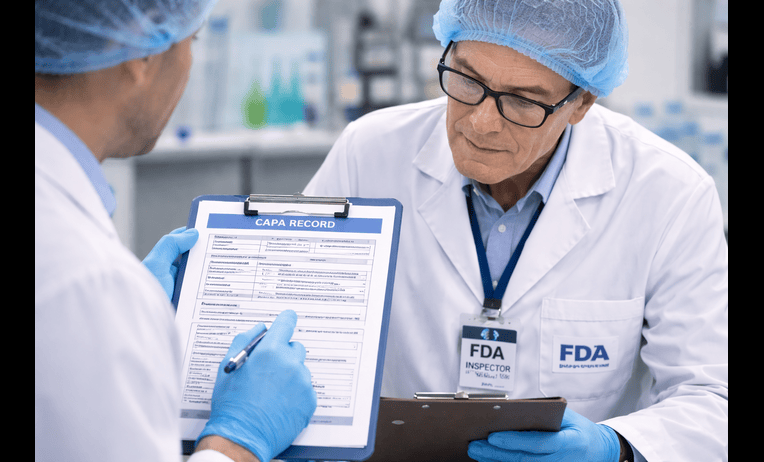
When an inspector spots a problem, the first step is handing out a “yellow card.” If you have ever wondered what is an FDA Form 483, it is simply an official list of observations where a facility missed safety standards, like a broken thermometer or messy logbook. It is not an immediate shutdown, just a formal notice to fix the issue quickly.
Ignoring that initial notice triggers a much harsher penalty. When factories fail to correct severe problems, like bacterial contamination, they face the high-stakes reality of responding to official warning letters. This is a final ultimatum demanding immediate action to protect public health. To fix these deep-rooted mistakes, a process called remediation facilities frequently hire a specialized FDA remediation consultant to overhaul their systems before the government halts production completely.
Fortunately, these safety scorecards are not locked away in a secret vault. Curious consumers can easily search the public FDA inspection database to see if the manufacturers making their daily vitamins or favorite snacks have a history of violations. Because a bad safety record ruins brands overnight, successful businesses prioritize continuous vigilance to maintain their compliance status.
How Companies Stay ‘Inspection Ready’ Without Panicking
Operating a massive facility means an inspector could arrive unannounced on any given Tuesday. Smart businesses never wait for a crisis to strike; instead, they prioritize constant FDA inspection readiness. Rather than scrambling to repair a broken system after a failed audit, proactive companies frequently hire outside experts. Through FDA regulatory consulting, independent safety specialists act as strict coaches. They walk the factory floors with fresh, critical eyes, identifying invisible threats—like hidden bacteria or messy paperwork long before they can ever become public health hazards.
To guarantee everyday safety, top manufacturers rely on a few proven inspection readiness best practices to keep their operations flawless:
- Staging a mock inspection: Independent auditors launch surprise walkthroughs to test how well the staff performs under pressure.
- Upgrading digital records: Facilities use smart software to instantly track warehouse temperatures and ingredient sources.
- Continuous staff training: Every floor worker learns exactly how to spot and report contamination risks.
Whether a facility bakes frozen pizzas or builds pacemakers, these proactive habits are essential for maintaining public trust and navigating increasingly complex technological standards.
Navigating High-Tech Safety: From Medical Magnesium to Breakthrough Devices
When an invention lives inside your body, safety requires far more than just making sure it turns on. The FDA demands proof your immune system won’t reject the foreign object, following strict safety standards outlined in the FDA biocompatibility guidance. Consider a temporary bone screw pursuing a medical magnesium FDA breakthrough device designation. Because magnesium naturally dissolves inside the body over time, scientists must verify it breaks down harmlessly without leaving toxic traces. Getting this complex chemistry right often requires specialized FDA medical device consulting to ensure these advanced materials pass absolute government scrutiny before they ever touch a patient.
Balancing the desperate public need for new treatments with strict safety is a delicate high-wire act. Genuinely life-saving technology can earn an FDA breakthrough device designation. Think of this process like an ambulance receiving a police escort: the device moves to the front of the regulatory line to reach patients faster, but it faces incredibly intense oversight to prevent any accidents along the way. Catching invisible design flaws before a risky medical device reaches the public ensures that breakthrough technology heals rather than harms.