Have you ever wondered how healthcare professionals ensure that the right patient receives the exact right medication, every single time? The secret lies in a complex, globally regulated system of pharmaceutical identifiers. From the physical imprint on a tablet to the digital barcode on a shipping pallet, these identifiers are the backbone of modern healthcare safety.
In this comprehensive guide, we will explore everything you need to know about pharmaceutical identifiers, regulatory guidelines, medical device tracking, and the operational standards that keep the life sciences industry running smoothly.
What Are Pharmaceutical Identifiers?
At their core, pharmaceutical identifiers are unique characteristics and codes assigned to drugs and medical products to ensure traceability, safety, and authenticity. But regulatory and informational markers are identified through which features? Typically, they include physical traits, packaging data, and digital codes.
Physical Pill Markings
If you have ever had to sort medications, you might have asked: why do pills have different shapes and colors? These design choices are intentional safety measures. Along with unique shapes, regulatory bodies mandate specific imprints. If a patient drops a pill, they can use a pill imprint code lookup tool to safely verify it. Knowing how to identify unknown pills by markings is a fundamental skill for pharmacy technicians and caregivers alike.
Furthermore, patients often wonder about the difference between brand and generic markings. While a generic drug must have the same active ingredients as the brand name, FDA regulations dictate that the physical appearance (shape, color, imprint) must differ to prevent copyright issues and dispensing confusion.
Packaging and Digital Identifiers
Beyond the pill itself, understanding medication packaging labels is vital. Every prescription drug sold in the U.S. has a unique 10- or 11-digit code. Healthcare providers routinely use a National Drug Code directory search to verify product details.
To combat fraud, the industry relies heavily on drug serialization and track and trace systems. Leveraging GS1 standards for healthcare products, manufacturers assign unique serial numbers to every unit. This allows for rapid counterfeit medicine detection technology to flag suspicious products in the supply chain. Additionally, mastering the art of reading medication expiration date codes ensures that out-of-date products are never dispensed.
Enhancing Safety in Dispensing Systems
The integration of technology in pharmacies has revolutionized patient safety. Barcoding in clinical pharmacy is now a standard practice. By preventing medication errors with scanning, hospitals ensure that the medication matches the patient’s digital wristband.
Many facilities now utilize automated drug dispensing systems equipped with robust medication safety verification tools. To keep these complex systems online, hospitals frequently partner with a digital transformation service provider or utilize outsourced help desk providers to troubleshoot hardware issues instantly.
Navigating FDA Regulations and ICH Guidelines
The rules governing pharmaceutical identifiers are strict. The FDA regulations for drug labeling dictate exactly what information must appear on a package. For example, over-the-counter products must adhere to a specific standard of identity FDA format. A prime example is the FDA monograph statement of identity skin protectant labeling requirements, which outlines exact wording to ensure consumer clarity.
But regulations extend far beyond U.S. borders. What is ICH guidelines? The International Council for Harmonisation (ICH) brings together regulatory authorities and the pharmaceutical industry to standardize drug development. ICH pharmaceutical guidelines are the gold standard globally.
When studying these documents, you will find that the ICH topics and guidelines fall into four main categories: Quality, Safety, Efficacy, and Multidisciplinary.
Stability and Quality Guidelines
A massive component of the Quality category involves stability guidelines ICH. Manufacturers must strictly follow ICH guidelines stability protocols to prove their drugs remain effective over time. Whether you search for ICH guidelines for stability, ICH guidelines for stability testing, or ICH stability guidelines, they all point to rigorous environmental testing. For light-sensitive drugs, the ICH Q1B photostability guideline summary is particularly critical. Industry professionals eagerly await the upcoming ICH guideline news November 2025 for updates on global harmonized testing.
GxP: The Pillars of Compliance
The life sciences industry operates on GxP guidelines, which include:
- Good Laboratory Practice guidelines (GLP guidelines): Ensures consistency in non-clinical lab studies.
- Good Clinical Practice GCP guidelines (GCP guidelines): Protects human subjects. Remember, a primary purpose of the ICH E6 guideline is to: protect trial subjects and ensure data integrity.
- Good Manufacturing Practices guidelines: Ensures products are consistently produced and controlled.
When manufacturing deviations occur, companies must refer to FDA OOS guidelines (or OOS FDA guidelines) for handling Out of Specification results. Additionally, adherence to the data integrity guideline USFDA and US FDA process validation guidelines (alongside general FDA guidelines for process validation) is non-negotiable.
Medical Devices and Investigational Exemptions
Pharmaceutical identifiers are not limited to pills; medical devices also require strict tracking. What is a device identifier? A device identifier is a mandatory, unique numeric or alphanumeric code that identifies the specific model of a device.
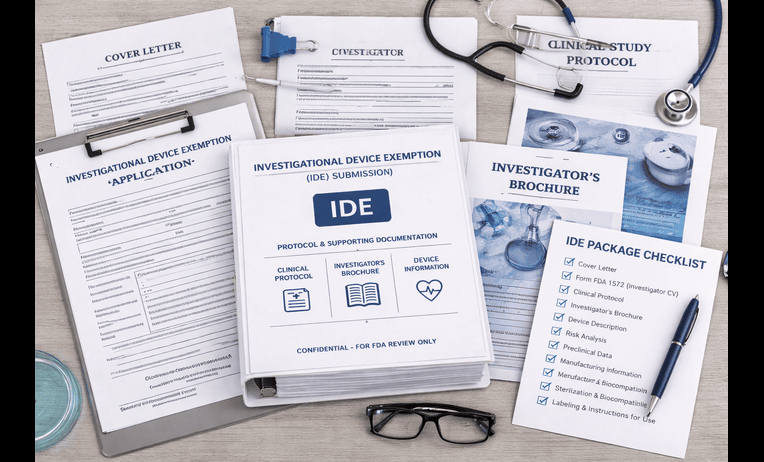
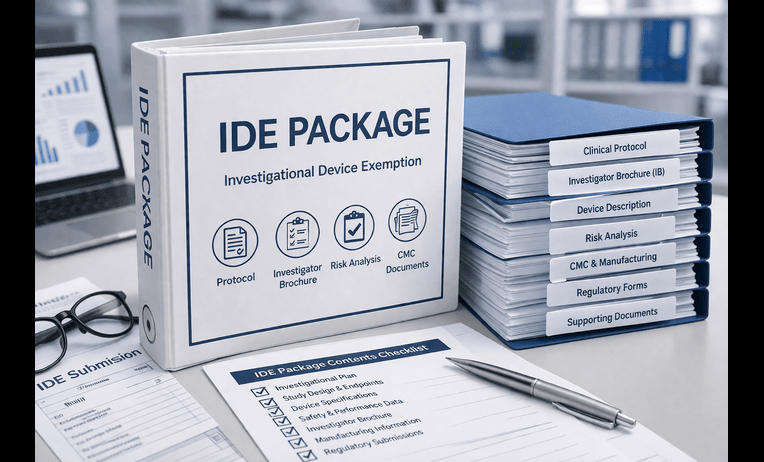
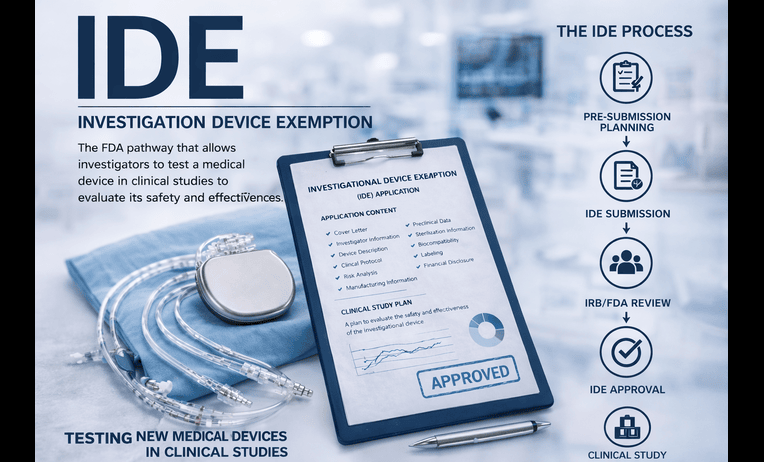
When a company develops a new medical tool, they must secure an Investigational Device Exemption (IDE). What is the investigational device definition? It is an unapproved medical device undergoing clinical trials. Navigating an IDE application or IDE submission requires deep regulatory knowledge.
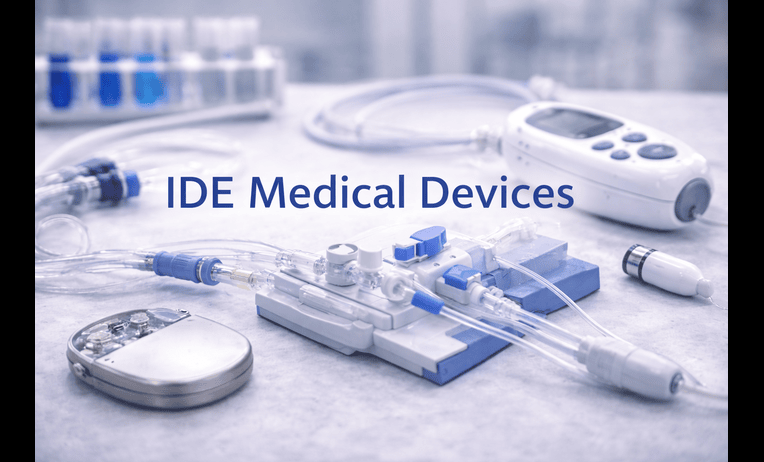
To conduct an IDE clinical study (or IDE clinical trial / IDE study), companies rely on FDA IDE guidance (also known as IDE FDA guidance). Whether securing an IDE exemption for an investigational device, tracking IDE data, or testing an IDE medical device (often simply called an IDE device), compliance is key. Finding out who provides the best FDA consulting services for device companies or identifying top medical device testing providers is a top priority for developers. Expect more updates on this in the medical device quality regulatory updates FDA guidelines 2025.
The Rise of Real-World Evidence
Clinical trials are evolving. The FDA increasingly relies on real-world evidence (or real world evidence / RWE real world evidence). This data is gathered outside traditional trials, reflecting actual patient experiences. Following the latest FDA guidance real world evidence (frequently searched as FDA real world evidence guidance, real world evidence FDA guidance, FDA real world evidence, or real world evidence FDA), sponsors can use this data to support regulatory decisions. When presenting this data, precise statistical reporting, including proper confidence interval notation, is essential.
Material Safety and Sterilization Limits
Whether it is a drug or a device, material safety is scrutinized. For devices, ISO guidelines for medical devices are vital. For instance, the ISO 10993-7 ethylene oxide residuals limits medical devices standard dictates how much sterilization gas can safely remain on a product. Industry insiders are closely watching for ethylene oxide sterilization news December 2025.
Chemical safety in pharma coatings is equally important. There has been massive global regulatory shifting, most notably the EU ban titanium dioxide E171 food additive 2022 regulation. Often referred to interchangeably as the EU ban titanium dioxide E171 food 2022 regulation or simply the EU ban titanium dioxide E171 2022 regulation, this rule forced manufacturers to reformulate pill coatings. Similarly, awareness regarding phthalates side effects has driven the industry toward safer, organic excipients.
For lab testing, standards like the OECD test guideline 471 bacterial reverse mutation test ames ensure chemicals are not carcinogenic. In sterile compounding spaces, adherence to USP 797 guidelines (including the updated USP 797 guidelines 2023) prevents contamination.
Operations, SOPs, and Vendor Management
Managing these complexities requires flawless operations. Every facility must have a clear SOP guide (or ops guide). Crafting robust SOP guidelines often referred to as standard operating procedure guidelines or a standard operating procedure guide—is crucial. By standard operating guidelines definition, these are documented steps that ensure consistent execution of tasks. Having strict standard operating guidelines and operational guidelines prevents disastrous compliance failures.
To execute clinical programs, a Vice President Clinical Operations often partners with an FSP functional service provider. A functional service provider handles specific trial functions, allowing sponsors to remain agile. Sponsors also rely on clinical data management service providers, pharmacovigilance service providers, and eTMF providers to manage documentation. The best rated life sciences tech solutions providers are currently offering integrated AI to streamline these processes.
Training staff on these systems is vital. If you are preparing a regulatory presentation, knowing simple software tricks like how to duplicate slides can save time, allowing you to focus on content. To stay updated on these operational shifts, many professionals subscribe to the insider newsletter (or a similar specialized insider newsletter).
Conclusion
From the physical imprints on a tablet to complex FDA guidelines and regulatory guidelines, pharmaceutical identifiers form a massive web of safety protocols. Whether you are conducting an IDE trial, managing a drug’s track-and-trace serialization, or updating your facility’s SOPs, understanding these identification and regulatory systems is non-negotiable. By prioritizing data integrity, embracing real-world evidence, and partnering with top-tier service providers, the healthcare industry continues to ensure that the right treatments safely reach the patients who need them most.