
If you are navigating the complex landscape of the pharmaceutical world, you have likely encountered a sea of acronyms. Among the most critical of these is the IND. But what is ind, exactly?
Whether you are a researcher, a regulatory affairs professional, or just curious about how life-saving medications reach the market, understanding the ind acronym medical professionals use daily is essential.
In this comprehensive guide, we will explore the ind definition, examine the application process, compare it to other regulatory milestones, and discuss the vital role of quality compliance in pharmaceutical industry standards.
The Basics: What is an IND?
To answer the fundamental question define ind, we must look at what it represents. The ind stands for Investigational New Drug. In the regulatory framework set by the United States Food and Drug Administration (FDA), an Investigational New Drug application is the crucial step that a pharmaceutical company or sponsor must take before testing a new molecule on human subjects.
When people ask, “what is ind study” or “what is an ind study,” they are referring to the clinical trials conducted under this active application. The ind meaning medical experts rely on boils down to permission. Before this point, a drug is confined to laboratory and animal testing. The ind in medical terms represents the official transition from the lab bench to human clinical trials.
Understanding the ind medical abbreviation is just the beginning. The core purpose of ind submissions is to prove to regulatory bodies that the ind drug is reasonably safe for initial human testing. Consequently, ensuring that an ind safe profile is established is the primary goal of the sponsor.
The Journey Begins: Pre-IND and IND-Enabling Studies
Long before you draft a FDA Investigational New Drug application, extensive preparatory work is required. This phase is known as the pre ind stage.
Pre-Clinical Research Requirements
Before human testing, sponsors must conduct rigorous ind-enabling studies (also known as ind enabling studies). This ind research focuses heavily on gathering pharmacology and toxicology data. The goal of ind pharmacology is to understand how the drug behaves in a living organism and to identify potential toxicities.
These ind-enabling tests must adhere strictly to Good Laboratory Practice standards (GLP). An ind lab operating under GLP ensures that all safety data is reliable, reproducible, and verifiable.
Pre-IND Meetings with the FDA
To ensure a smooth ind process, sponsors often request a pre ind meeting with the FDA. Preparing a fda pre sub (pre-submission) package helps align the sponsor’s development plan with FDA expectations. Mastering the effective briefing document structure best practices is vital here, as it dictates the quality of feedback you will receive during these fda formal meetings.
Navigating FDA Formal Meetings
Understanding how ind applications are evaluated requires a grasp of fda type meetings. The FDA provides clear fda meeting guidance to facilitate communication between sponsors and regulators.
Here is a breakdown of the primary fda guidance meetings:
- FDA Type A Meeting: Reserved for resolving stalled development programs or addressing clinical holds.
- Type B FDA Meeting: Includes critical milestone meetings, such as the pre ind meeting and end-of-phase meetings.
- FDA Type C Meeting: A general type c fda meeting is requested by the sponsor to discuss specific development, trial design, or ind drug development issues not covered by Type A or B.
- Type D Meeting FDA: Focused on a narrow set of issues requiring timely feedback, usually limited to no more than two specific questions.
Adhering to strict meeting guidance ensures that the sponsor and the FDA are on the same page before the massive ind filing occurs.
Constructing the IND Package
When you finally ask, “how to file an IND,” you are looking at compiling a massive dossier of data. The fda ind application (or investigational drug application) is highly structured.
Essential IND Modules
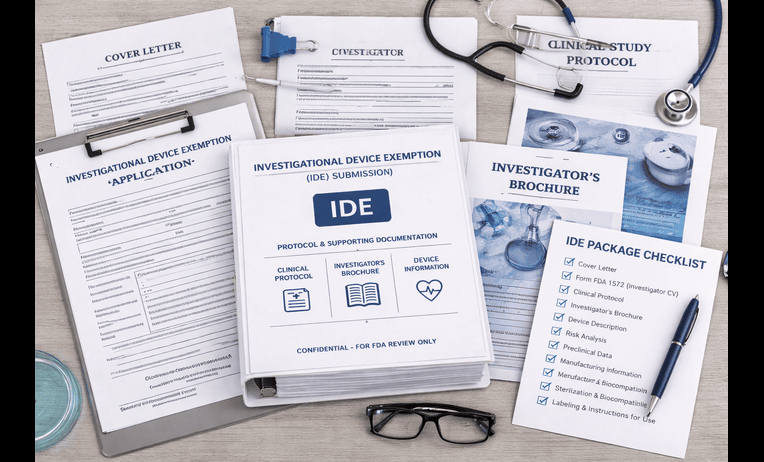
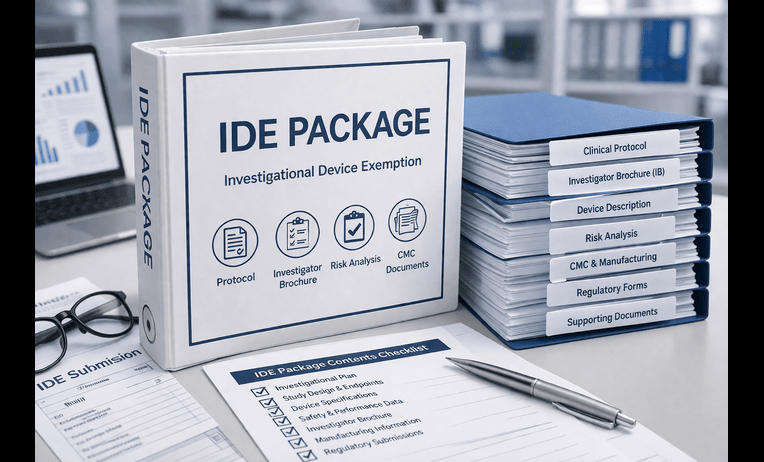
Modern submissions utilize the electronic Common Technical Document (eCTD) format, which organizes the ind package into standardized ind modules. Key components include:
- Administrative Information: This includes the critical FDA Form 1571 instructions and the Investigator’s Brochure (ind ib).
- Summaries: High-level overviews of quality, non-clinical, and clinical data.
- Quality Data: Chemistry, Manufacturing, and Controls (CMC).
- Non-clinical Study Reports: The bulk of your pharmacology and toxicology data.
- Clinical Study Reports: Proposed clinical protocols for the ind clinical trial.
The Submission and Approval Process
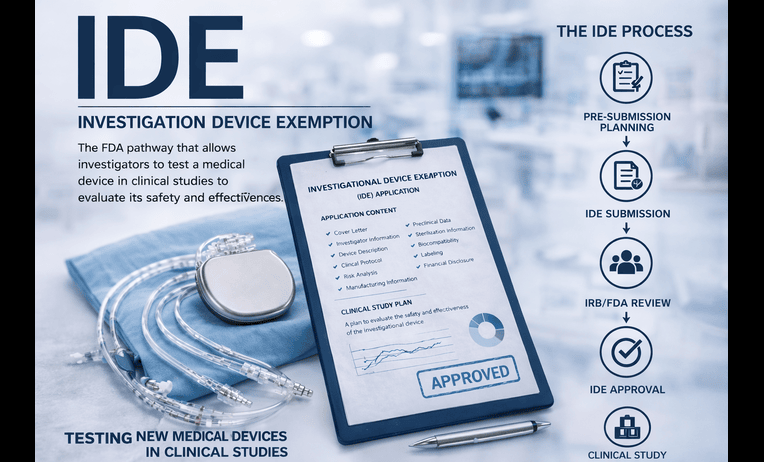
Upon ind submission, the FDA assigns an ind number. Sponsors often manage multiple ind numbers if they are exploring different indications, which can sometimes result in 2 ind applications for the same base compound.
The ind timeline is strict: once the FDA receives the ind drug application, they have 30 days to review it. If there are no objections, the ind approval is granted passively, meaning the sponsor can begin clinical trials. They will receive an ind letter confirming the status. Throughout the drug’s lifecycle, the sponsor must provide an annual ind update to the agency.
Types of IND Applications
Not all investigational new drug applications are identical. Understanding the types of ind is crucial for regulatory strategy.
- Commercial vs Research IND: A commercial IND is submitted by corporate sponsors aiming for ultimate market approval. A research (or non-commercial) IND is typically filed by a physician or academic institution. The investigator-sponsored study benefits include advancing medical science without the immediate pressure of commercialization.
- Expanded Access Program Guidelines: Sometimes called “compassionate use,” this allows patients with serious or immediately life-threatening diseases access to an investigational new drug outside of a clinical trial when no comparable therapies are available.
From IND to Clinical Trials
Once the ind fda clearance is achieved, what happens next? The sponsor initiates the clinical trials. But what are clinical trial phases?
- Phase 1 (ind i): Tests the drug in a small group of healthy volunteers to evaluate safety, determine safe dosage ranges, and identify side effects.
- Phase 2: The drug is given to a larger group of people with the target condition to see if it is effective and to further evaluate its safety.
- Phase 3: Large-scale studies to confirm effectiveness, monitor side effects, compare it to commonly used treatments, and collect information that will allow the drug to be used safely.
During all phases, the institutional review board role is paramount. The IRB ensures that the rights and welfare of human subjects are protected. Furthermore, strict drug safety monitoring protocols must be executed continuously.
Quality Compliance and GxP in the Pharmaceutical Industry
Maintaining an active ind pharma dossier requires relentless dedication to compliance. What is gxp in pharmaceutical industry terminology? GxP refers to the “Good Practice” quality guidelines and regulations. The “x” stands for the specific field: Clinical (GCP), Laboratory (GLP), and Manufacturing (GMP).
Gxp compliance pharmaceutical industry standards ensure that products are safe, meet their intended use, and adhere to quality processes. The quality assurance department in pharmaceutical industry firms plays a critical role here.
If an error or deviation occurs, companies must implement a CAPA (Corrective and Preventive Action). A robust capa in pharma industry (or capa in pharmaceutical industry) system investigates the root cause of discrepancies to prevent recurrence. Following pharmaceutical regulatory compliance steps strictly is the only way to keep the investigational new drug [**ind],** active and avoid FDA clinical holds.
IND vs. NDA: The Path to Market Access
A common source of confusion for newcomers is the ind vs nda distinction.
While the ind application gives you permission to test a drug in humans, the NDA (New Drug Application) gives you permission to sell it. The nda vs ind journey spans many years. When looking at an IND versus NDA comparison, consider the timeline:
- IND: Filed at the beginning of human testing. Focuses on initial safety and trial protocols.
- NDA: Filed after all three phases of clinical trials conclude. Contains comprehensive data proving the drug is safe and effective for its intended use.
Understanding the transition from ind nda (or nda ind) is the foundation of the new drug development timeline. Ultimately, the goal of this entire process is achieving market access in pharmaceutical industry landscapes, ensuring the drug can reach and be reimbursed for the patients who need it.
Leveraging Expertise: Consultants and Training
Setting up ind strategies and managing ind and fda communications is a monumental task. Because the stakes are so high, many organizations rely on consulting firms pharmaceutical industry experts.
The Role of an IND Consultant
An ind consultant brings specialized knowledge of regulatory affairs, helping companies avoid costly delays. Pharmaceutical industry consultants guide teams through the pre submission process, refine briefing documents, and act as liaisons during FDA meetings. Engaging pharmaceutical industry consulting services can dramatically increase the likelihood of a successful first-pass IND clearance.
Continuous Education and Digital Solutions
To keep teams sharp, companies invest heavily in training in pharmaceutical industry standards. There are numerous pharmaceutical industry training courses focused specifically on ind training, GxP compliance, and CAPA management.
Furthermore, the integration of leading digital solutions for life sciences industry platforms—such as advanced eCTD publishing software and cloud-based quality management systems—has revolutionized how ind files are compiled and maintained.
Conclusion
So, what is a ind? Ultimately, the ind stands for medical progress. Whether you refer to it simply as an ind, i n d, or the full Investigational New Drug ind application, it represents the critical gateway between scientific theory and human healing.
From executing ind-enabling laboratory tests to navigating a type c fda meeting, the path of ind drug development is rigorous by design. By maintaining strict gxp in pharmaceutical industry standards and understanding the nuances of the fda ind process, sponsors can successfully transition their innovations from the lab bench to the patients who desperately need them.