That bottle of aspirin in your medicine cabinet didn’t appear by magic. Before it hit the store shelf, an inspector walked the factory floor to ensure the air was clean and the equipment was safe. Have you ever wondered what exactly the FDA regulates what is regulated by the FDA in everyday life? Everyday items, from frozen pizzas to baby formula, fall under this massive protective umbrella.
Most of us rarely think about how our daily groceries are manufactured. According to consumer safety experts, this peace of mind comes from the “Invisible Shield” concept. What falls under the FDA’s responsibility within this system? For what is the FDA responsible, day to day? They act as a nationwide health inspector, working proactively to catch mistakes long before a flawed product reaches your kitchen table.
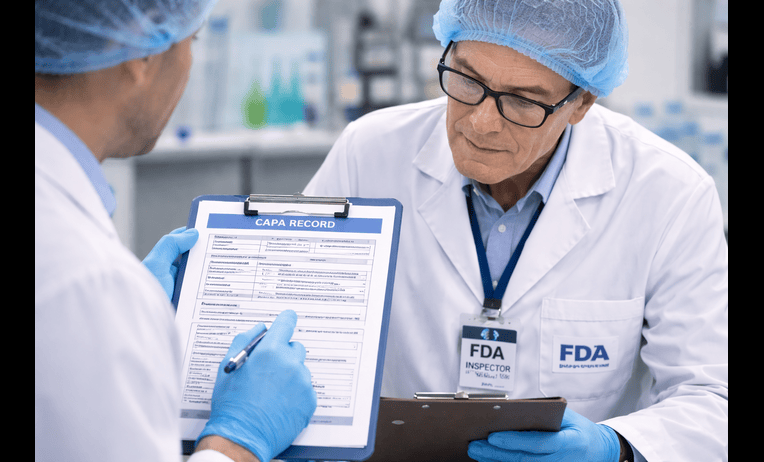
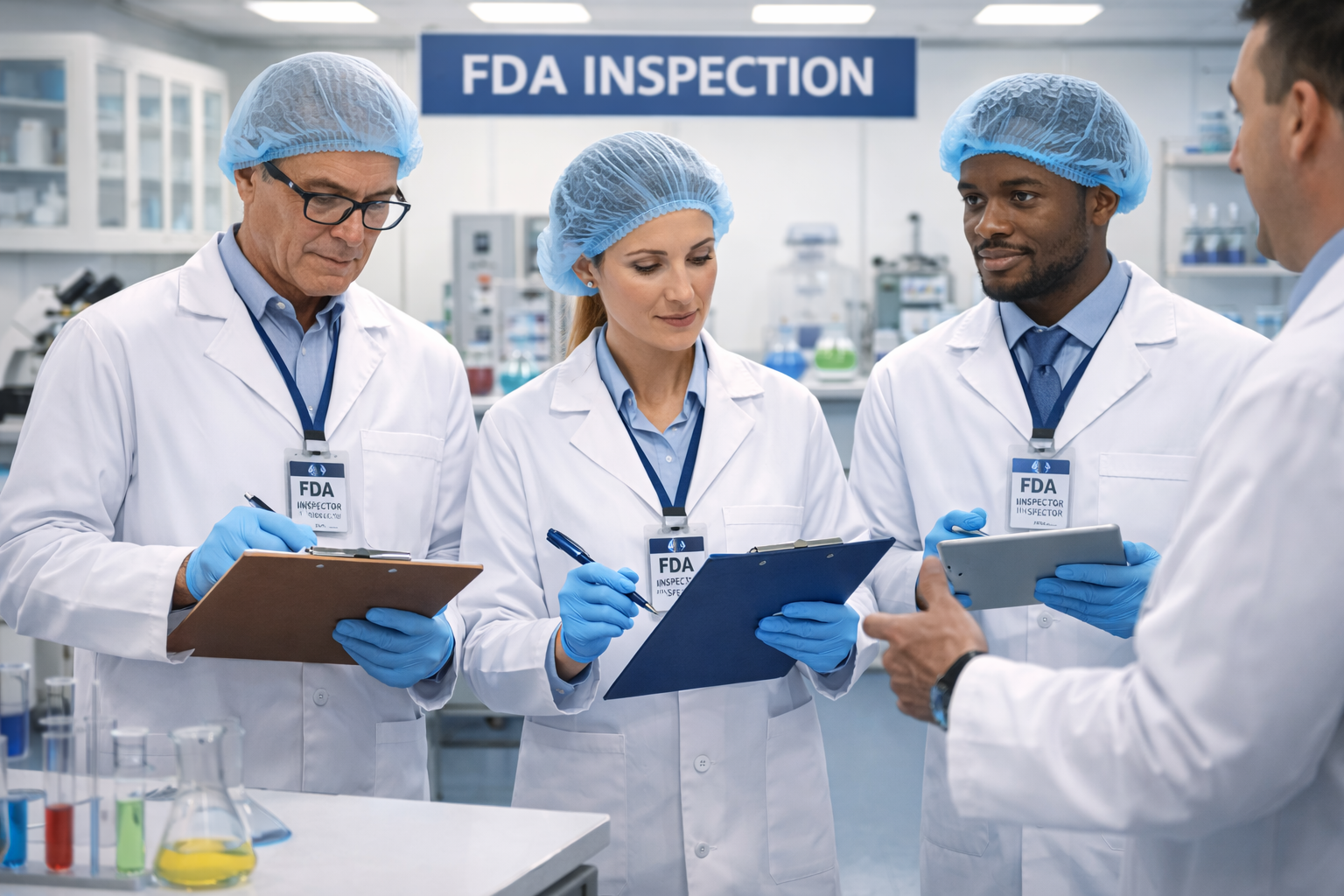
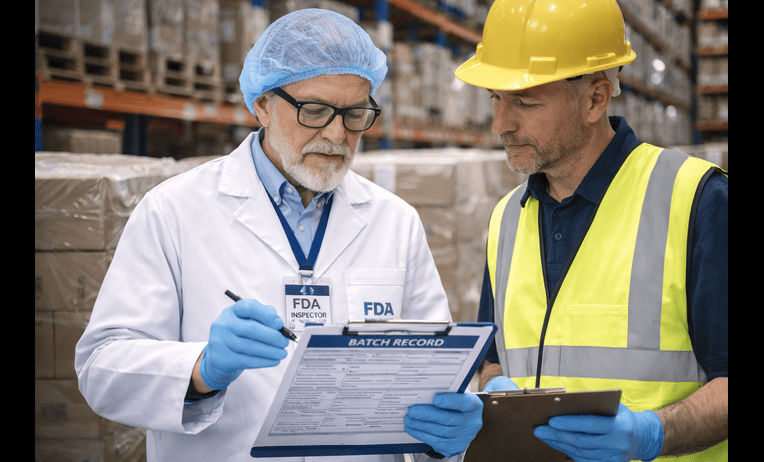
How do regulators maintain this shield? The secret lies in rigorous FDA inspections often referred to as fda inspections in industry shorthand. Rather than just testing a finished pill, government investigators evaluate the entire manufacturing process like a surprise pop quiz. Industry data reveals that they check everything from machine hygiene to employee training records, a process rooted in FDA regulation and consistent FDA standards.
In practice, effective regulatory oversight means that absolutely nothing unusual happens to you. You simply take your medication, eat your peanut butter, and safely go about your day as a consumer of FDA regulated goods.
Mapping the ’20 Cents’ Rule: What Industries are Actually Under the FDA’s Watchful Eye?
Look around your kitchen or bathroom right now. Out of every dollar Americans spend, about 20 cents goes toward products overseen by federal health inspectors. When people ask what industries are regulated, the answer stretches far beyond the aspirin bottles sitting in your medicine cabinet. So, what industries are regulated? Here’s a quick overview of what is regulated by the FDA.
The FDA manages a massive safety net covering our everyday lives. This invisible shield protects several major categories across the supply chain:
- Food: From frozen pizzas to baby formula.
- Human and Animal Drugs: Covering everything from daily heart medication to livestock antibiotics.
- Medical Devices: Ranging from basic bandages to advanced pacemakers and other medical device inspection considerations.
- Cosmetics and Tobacco: Ensuring your daily moisturizer is safe and monitoring regulated tobacco products.
Beyond checking routine safety, the agency also acts as a fast-pass lane for life-saving inventions. If an innovative technology offers a massive advantage over existing treatments like a dissolving bone implant earning a medical magnesium FDA breakthrough device designation—it receives priority review. Securing an FDA breakthrough device designation means the government works faster to get crucial tech to the patients who desperately need it. To verify that factories making these everyday goods and high-tech implants are following the rules, investigators conduct rigorous, unannounced factory walkthroughs and, when applicable, pre approval inspection activities ahead of certain approvals.
The Surprise Pop Quiz: Navigating the Steps of a Real-World Factory Walkthrough
Imagine opening a new box of bandages. You intuitively trust they are completely sterile because US FDA inspections enforce strict rules known as Good Manufacturing Practices (GMP). Think of GMP as the “Gold Standard of Cleanliness” that every factory must follow to meet basic FDA standards. Highly trained professionals working in FDA inspection jobs carry out these assessments across facilities.
Investigators usually conduct routine checkups, but they will act fast if they hit for-cause audit triggers like sudden consumer complaints about tainted medication or faulty pacemakers. When these red flags appear, a surprise US FD A inspection (often noted as a usfda inspection) is launched immediately to hunt down the root of the problem before more people are affected. This approach also applies to pre approval inspection reviews commonly called a PAI inspectionbefore certain drug approvals.
Once inside, the inspector follows a rigorous game plan to verify current good manufacturing practices compliance. Which below are steps in effective inspections? In practice, four essentials stand out:
- Arrival: Presenting credentials and outlining the inspection agenda.
- Walkthrough: Scouring the factory floor to verify physical hygiene (like checking for dust) and testing equipment accuracy.
- Record Review: Enforcing the “Receipt Rule” if a critical cleaning log isn’t signed and dated, the agency assumes it never happened often supported by an internal FDA checklist for inspection.
- Wrap-up: Discussing observations and concerns directly with factory management.
Finding a mistake during this pop quiz doesn’t automatically mean the factory gates are immediately padlocked. When an investigator spots a problem on the floor, the factory receives a formal evaluation that can range from a minor correction to a complete shutdown. These fda inspections can also escalate into a broader FDA audit if systemic gaps are suspected.
Deciphering the Grade Card: The Difference Between a ‘Fix-it Ticket’ and a Shutdown
When an inspector jots down notes during a walkthrough, those observations don’t simply disappear into a government filing cabinet. If they spot an issue like a leaky pipe near a mixing vat, they hand management an official document called a Form 483. Think of this as the FDA’s “List of Concerns.” The clock immediately starts ticking, holding the factory to a strict 15-day FDA Form 483 response timeline to explain exactly how they will fix the problem.
Failing to take that list seriously triggers a swift escalation. The dynamic between a warning letter and a 483 observation shows how the agency tightens its grip to protect consumers. The consequences of non-compliance with FDA standards generally escalate through three distinct levels:
- Form 483 (The Notice): A formal list of specific problems the inspector found on-site.
- Warning Letter (The Fix-it Ticket): A severe, public reprimand demanding immediate correction before the government pursues legal action.
- Import Alert or Shutdown (The Padlock): Blocking foreign shipments at the border or halting domestic production entirely until the facility is safe.
For consumers, this tiered system means a failed FDA audit usually sparks a product recall long before a tainted bottle of medicine reaches your cabinet. Yet, the most dangerous factory hazards aren’t always visible leaks or dusty floors. Sometimes, the biggest threats are invisible discrepancies hidden in the paperwork. This makes data integrity the secret heart of every inspection and a prerequisite for restoring US FDA compliance.
The ‘Receipt Rule’: Why Data Integrity is the Secret Heart of Every Inspection
Imagine returning a broken television without a receipt; the store simply won’t believe you bought it there. The FDA operates on this exact logic. Under strict current good manufacturing practices compliance, the agency’s gold standard for safe production—if a factory cleans a medicine vat but leaves the logbook blank, the FDA assumes it is still dirty. This “Receipt Rule” is formally called Data Integrity, and it forms the undeniable bedrock of consumer trust by ensuring every safety claim is backed by permanent proof.
Instead of randomly checking thousands of folders, investigators rely on a highly organized approach known as FDA QSIT (Quality System Inspection Technique) often referenced as fda qsit. Think of QSIT as a targeted magnifying glass used to expose deep flaws in a company’s management. By tracing just one missing signature backward through the system, inspectors can quickly determine if a manufacturer is truly committed to your safety or simply cutting dangerous corners.
Because the stakes are incredibly high, factories cannot afford careless paperwork errors. Modern facilities use specific inspection readiness tools to proactively audit their own records. They run rigorous internal rehearsals to spot hidden vulnerabilities and ensure they remain inspection-ready before an official ever arrives.
Behind the Scenes: How Companies Use ‘Mock Exams’ to Stay Inspection Ready
Just like a theater cast wouldn’t perform opening night without a dress rehearsal, manufacturers rarely want to face the government cold. Since failing means recalling everyday items like baby formula or heart medication, companies invest heavily in FDA inspection readiness. They hire outside experts to run a mock inspection, an unannounced practice run mimicking exactly what real investigators do.
To make these rehearsals effective, facilities rely on specialized FDA regulatory consulting teams. These independent auditors use an extensive FDA audit checklist to hunt down hidden vulnerabilities before they threaten public health. During these intense walkthroughs, an FDA consulting services expert typically evaluates:
- Physical Hygiene: Is there hidden dust on the production machines?
- Worker Habits: Do employees actually follow the safety protocols they were taught?
- The “Receipt Rule”: Are all cleaning logs properly signed, timed, and dated?
Catching a missing signature or procedural error during practice allows the factory to fix the root cause immediately, keeping your pantry staples safe. Treating every day like test day ensures the strict honesty required for consumer protection. When a facility fails the real test, those results aren’t kept secret. Consumers have direct access to these records to verify safety and compliance. In pharmacy settings, teams may also use a pharmacy audit checklist to tighten dispensing and documentation controls.
For organizations that need extra help, a range of experts provide inspection readiness best practices and fda regulatory compliance consulting. Depending on your needs, you might consider fda registration consultants, fda quality and regulatory consultants, a dedicated fda regulatory consultant, or broader fda regulatory consulting firms. Medical device companies often turn to medical device FDA consultant teams, fda consulting firms specialized in medical devices, or a focused fda 510k consultant for submissions. Drug sponsors may engage an fda NDA consultant. Broader options include us fda regulatory consultants and fda compliance consultants offering fda consulting services tailored to medical device inspection readiness and ongoing us fda compliance. If you’re evaluating partners, you’ll find guides comparing the best fda regulatory consulting for medical devices, best-rated fda consultancy for medical device research, and even rankings like the best fda regulatory consulting for medical devices 2025. Which consulting service is best for fda med device approval—and who provides the best fda consulting services for device companies ultimately depends on scope, timelines, and budget.
Your Window into Safety: How to Use the FDA’s Public Database to Protect Your Family
Next time you pull that bottle of aspirin or jar of peanut butter from your pantry, you can look at it differently. You now understand the massive, unseen effort required to get products safely from a factory floor to your front door. The FDA acts as your personal health inspector, ensuring every step meets strict FDA standards long before you make a purchase.
You don’t have to just take their word for it. If you ever want to verify a company’s track record, try searching the public FDA inspection database. Looking up a manufacturer’s history of FDA compliance is a simple way to see this system in action, showing you exactly who passes their routine checkups and where fda inspections have identified issues for corrective action. You can also review medical device inspection histories and related outcomes.
Ultimately, this rigorous system exists so you can safely rely on the products you buy. That invisible shield works constantly in the background, catching errors early and giving you confidence in the quality of your household goods.
Frequently Asked Questions
Question: What does the FDA regulate in everyday life, and what is the “20 cents” rule?
Short answer: About 20 cents of every consumer dollar in the U.S. goes to products under FDA oversight. Day to day, the FDA regulates broad categories that touch your kitchen and medicine cabinet, including:
- Food (from frozen pizzas to baby formula)
- Human and animal drugs (from daily heart meds to livestock antibiotics)
- Medical devices (from bandages to pacemakers)
- Cosmetics and tobacco (from moisturizers to regulated tobacco products) Beyond routine safety checks, the FDA can fast-track truly innovative technologies via programs like the Breakthrough Device designation (for example, a dissolving bone implant), accelerating review so patients can benefit sooner.
Question: How do FDA inspections work—are they announced, and what are the key steps?
Short answer: Inspections are often unannounced and focus on whether facilities follow Good Manufacturing Practices (GMP), the “gold standard of cleanliness.” Regulators conduct both routine inspections and for-cause inspections triggered by red flags (e.g., consumer complaints about tainted drugs or faulty devices). They also perform pre-approval inspections (PAIs) before certain drug approvals. A typical walkthrough follows four essentials:
- Arrival: Inspectors present credentials and outline the agenda.
- Walkthrough: They examine floors, equipment, and hygiene (even checking for dust) and verify equipment accuracy.
- Record Review: Applying the “Receipt Rule” (if it’s not signed/dated, it didn’t happen), often using internal FDA checklists.
- Wrap-up: Inspectors discuss observations directly with management.
Question: What happens if an inspector finds problems, what’s the difference between a Form 483, a Warning Letter, and a shutdown?
Short answer: Findings escalate through three tiers:
- Form 483 (The Notice): A written list of on-site problems. The firm typically has 15 days to respond with corrective actions.
- Warning Letter (The Fix-it Ticket): A public, serious reprimand demanding prompt fixes to avoid legal action.
- Import Alert or Shutdown (The Padlock): Blocking foreign product at the border or halting U.S. production until issues are resolved. A failed inspection can also prompt a broader FDA audit if systemic gaps are suspected. For consumers, this tiered approach often triggers recalls before a problematic product reaches the shelf.
Question: Why is data integrity the “secret heart” of inspections, and what is QSIT?
Short answer: Under current good manufacturing practices, the FDA treats documentation as proof of safety, the “Receipt Rule.” If a cleaning or test isn’t properly recorded (signed, dated, time-stamped), regulators assume it didn’t occur. To assess systems efficiently, inspectors use QSIT (Quality System Inspection Technique), a structured method that follows a single discrepancy (like a missing signature) back through management controls to reveal deeper flaws. Because of the high stakes, facilities run internal checks and rehearsals to keep records complete, accurate, and inspection-ready.
Question: How do companies stay inspection-ready, and how can consumers check a company’s track record?
Short answer: Manufacturers run “mock inspections” with independent FDA regulatory consultants who use rigorous audit checklists to find issues before regulators do. These practice runs focus on:
- Physical hygiene (e.g., hidden dust on machines)
- Worker habits (are trained procedures actually followed?)
- The “Receipt Rule” (are logs properly signed, dated, and timed?) Firms may engage specialized consultants (e.g., for medical devices or drug submissions) to bolster readiness. Consumers, meanwhile, can search the public FDA inspection database to review a manufacturer’s inspection history, see where issues were found, and how they were addressed.