
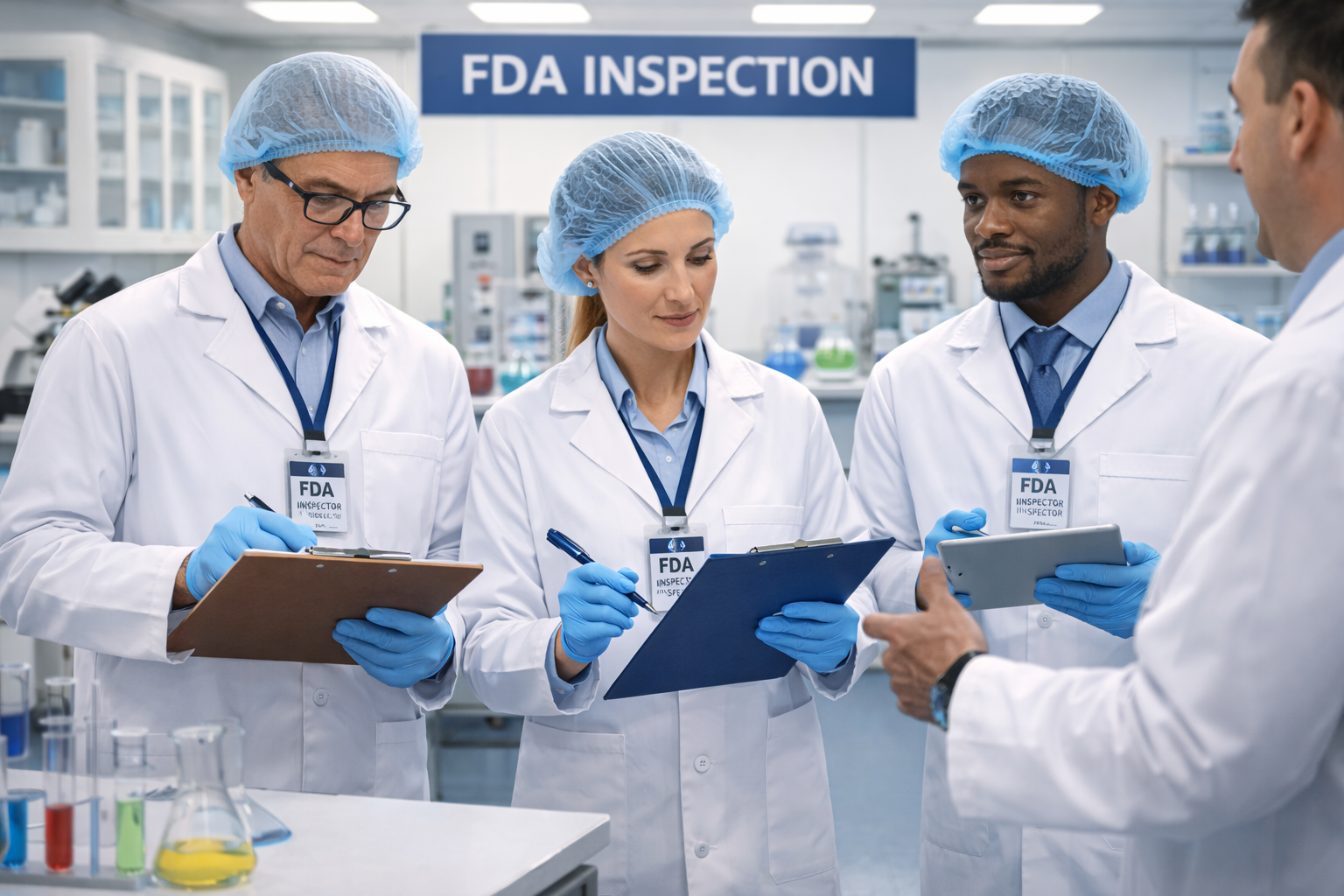
FDA Inspection Preparation: 10 Essential Steps to Build Lasting FDA Inspection Readiness
Discover 10 essential FDA inspection preparation steps to build lasting inspection readiness, strengthen compliance, and improve regulatory confidence.
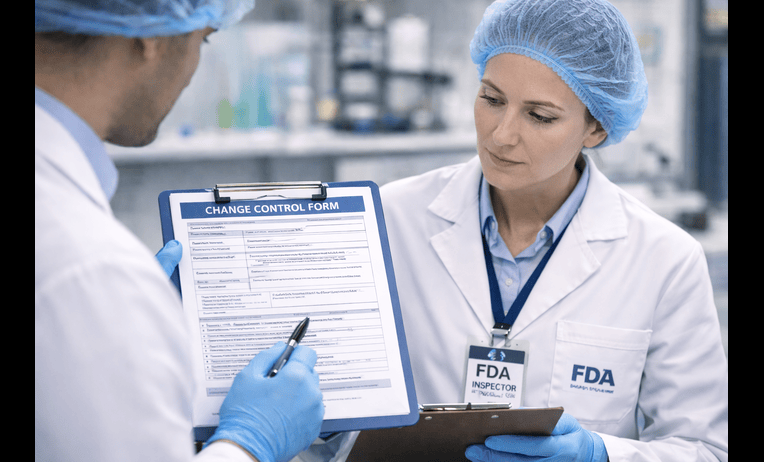
Best FDA Inspection Readiness Services: 12 Proven Strategies to Prepare for Your Next FDA Inspection
Discover 12 proven FDA inspection readiness strategies to prepare for your next inspection, strengthen compliance, and improve regulatory confidence.

Best FDA Inspection Readiness Consulting: 11 Proven Inspection-Ready Steps
Discover 11 proven FDA inspection readiness consulting steps to strengthen compliance, improve preparation, and achieve successful regulatory inspections.
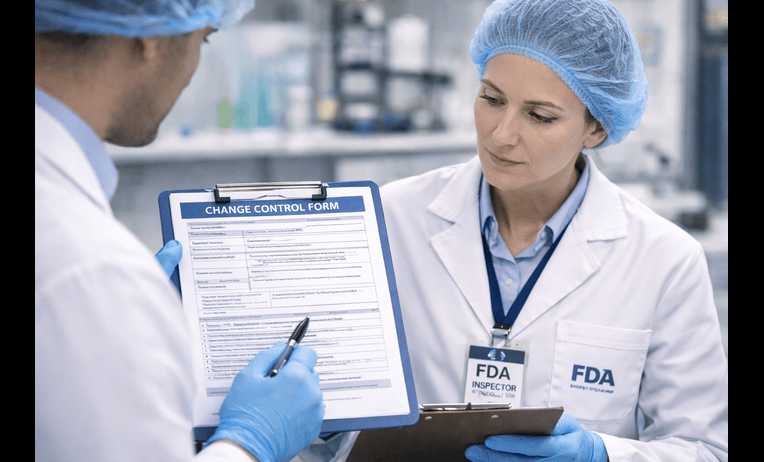
13 FDA Inspection Mistakes That Lead to Form FDA Inspection 483 Observations
Learn 13 FDA inspection mistakes that can lead to Form FDA 483 observations and discover practical strategies to strengthen inspection readiness and compliance.
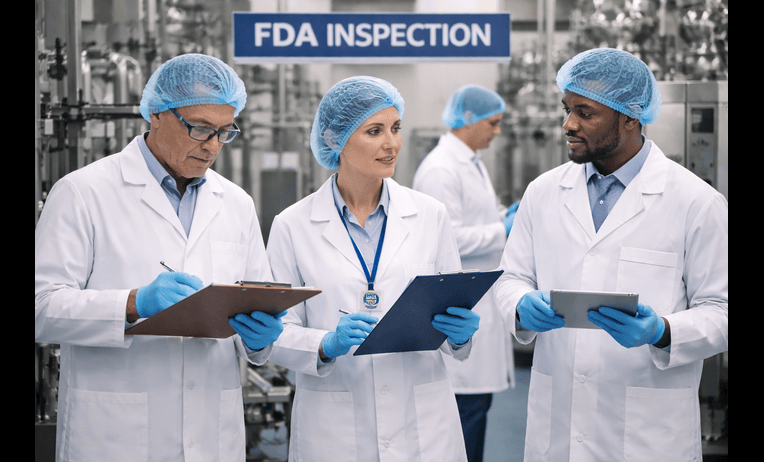
11 Trusted Signs Your Organization Is Ready for an FDA Inspection
Discover 11 trusted signs your organization is ready for an FDA inspection and how to strengthen compliance before regulatory inspectors arrive.

Best Supplier Audit Consulting Company: 10 Proven, Inspection-Ready Strategies for Stronger GMP Compliance
Discover 10 proven, inspection-ready supplier audit strategies to strengthen GMP compliance, supplier oversight, and long-term regulatory readiness.