
Recommended FDA Inspection Readiness 3 Clear Practical Proven Regulatory Guide
Discover 3 practical FDA inspection readiness strategies that strengthen regulatory compliance, improve preparation, and support successful FDA inspections.
FDA Inspection Readiness Systems: 10 Advanced Controls to Prevent FDA 483
Discover 10 advanced FDA inspection readiness system controls to prevent FDA 483 observations, strengthen compliance, and improve inspection preparedness.
FDA Inspection Readiness Consulting Services: 12 Expert Strategies for Regulatory Success
Discover 12 expert FDA inspection readiness consulting strategies to strengthen compliance, improve preparation, and achieve regulatory inspection success.

FDA Inspection Readiness Consulting: 12 Proven Strategies to Achieve Inspection Excellence
Discover 12 proven FDA inspection readiness consulting strategies to strengthen compliance, improve preparation, and achieve successful inspection outcomes.
FDA Inspection Readiness Checklist and Consulting Guide: 12 Advanced Strategies to Pass Your Next FDA Inspection
Discover 12 advanced FDA inspection readiness checklist strategies and consulting approaches to strengthen compliance and prepare for successful inspections.
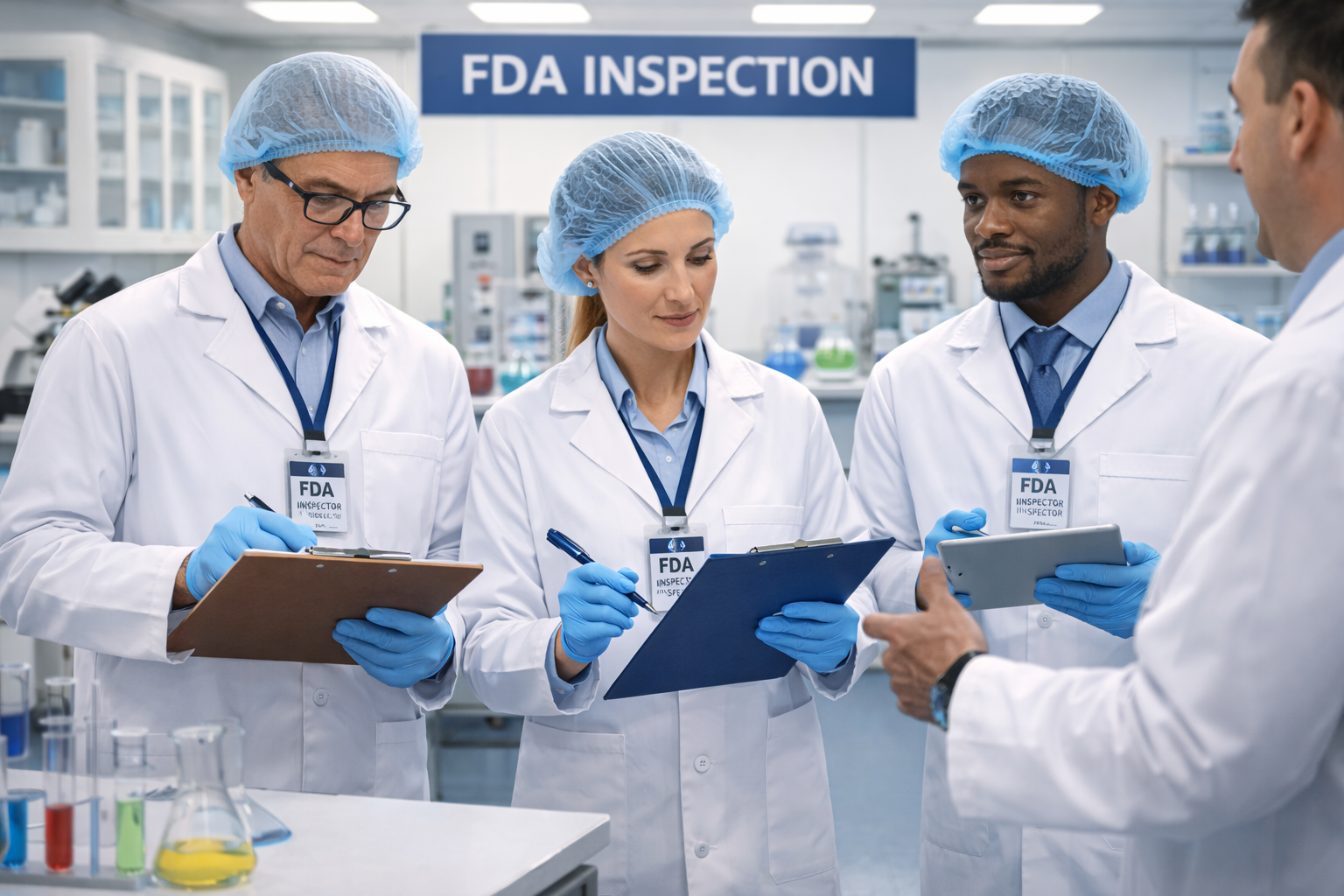
FDA Inspection Readiness: 13 Advanced Frameworks to Build Inspection Excellence
Discover 13 advanced FDA inspection readiness frameworks to build inspection excellence, strengthen compliance, and improve regulatory preparedness.