Preparing for an FDA Inspection Requires More Than Checking Boxes
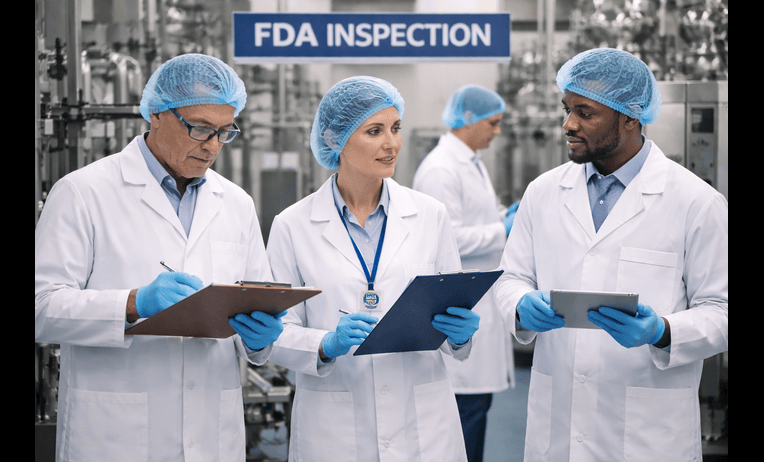
An upcoming FDA Inspection can place significant pressure on pharmaceutical, biotechnology, and medical device organizations. Whether preparing for routine US FDA inspections, responding to increased regulatory scrutiny, or approaching a critical Pre-Approval Inspection, organizations need far more than organized documents to demonstrate compliance. They must prove that their quality systems consistently operate as intended and align with current FDA regulation requirements.
Today’s FDA inspections evaluate manufacturing operations, documentation practices, employee knowledge, data integrity, supplier oversight, and executive commitment to quality. Organizations that invest in structured FDA Inspection Readiness programs are typically better positioned to navigate inspections efficiently while reducing operational and regulatory risks.
For companies preparing for FDA PAI, PAI FDA, or global regulatory inspections, early planning allows teams to identify compliance gaps before regulators arrive rather than reacting during the inspection itself.
FDA Inspection Readiness is a proactive compliance strategy that prepares organizations for successful FDA inspections through quality system reviews, documentation assessments, mock inspections, personnel coaching, and remediation planning.
An effective readiness program generally includes:
- Comprehensive inspection readiness assessment
- Detailed FDA inspection preparation
- Internal FDA audits
- Mock regulatory inspections
- Executive interview preparation
- FDA audit preparation
- CAPA verification
- Data integrity review
- Continuous inspection readiness training
- Long-term inspection readiness plan
Organizations that prepare early often experience greater confidence during inspections while reducing the likelihood of receiving an FDA Inspection 483.
Table of Contents
- Why FDA Inspection Readiness Matters
- Understanding Modern FDA Inspection Expectations
- Eleven Signs Your Organization Is Inspection Ready
- Common Inspection Readiness Challenges
- Building a Sustainable Inspection Readiness Program
- Choosing Experienced FDA Consultants
- Case Study
- Next Steps
- Frequently Asked Questions
- Why Organizations Choose BioBoston Consulting
Why FDA Inspection Readiness Matters
Every FDA Inspection is designed to determine whether an organization consistently manufactures products that meet regulatory and quality expectations. Investigators review processes, documentation, facilities, training records, supplier controls, and management oversight while evaluating overall compliance with applicable FDA regulation.
Organizations often analyze previous FDA inspection reports, US FDA inspection reports, and publicly available FDA inspection data to better understand common inspection findings. Many also search the FDA inspection database and FDA inspection classification database to benchmark previous inspections and identify recurring compliance trends.
Preparing for pharma inspection activities requires more than following an FDA checklist for inspection. Companies should build inspection readiness into daily operations rather than treating inspections as isolated events.
This approach strengthens pharmaceutical quality inspection readiness, improves operational consistency, and supports continuous regulatory compliance.
Understanding Modern FDA Inspection Expectations
Today’s US FDA inspections extend beyond reviewing paper documentation. Investigators evaluate whether documented procedures accurately reflect day-to-day operations while assessing organizational culture, employee competence, management oversight, and overall quality maturity.
Inspectors commonly review:
- Quality Management Systems
- Validation documentation
- CAPA effectiveness
- Change control
- Complaint handling
- Supplier qualification
- Data integrity
- Training records
- Manufacturing controls
- Risk management
- Internal audit programs
Organizations should maintain updated FDA inspection guidelines, develop an internal FDA inspection guide, and regularly review an organization-specific US FDA inspection checklist alongside an FDA audit checklist.
Companies manufacturing medical technologies should also evaluate medical device inspection expectations using QSIT principles while preparing for evolving Quality Management System requirements.
Similarly, organizations supporting clinical development should understand FDA audit clinical trials expectations before investigator visits.
11 Trusted Signs Your Organization Is Inspection Ready
- Leadership Treats Inspection Readiness as an Ongoing Process
Organizations with successful inspection outcomes rarely prepare only a few weeks before inspectors arrive. Instead, executive leadership supports continuous inspection readiness, regular internal reviews, and ongoing quality improvements.
- Your Documentation Reflects Daily Operations
One of the most common causes of regulatory observations is documentation that no longer reflects actual practice.
Routine document reviews, standardized templates, and structured FDA inspection preparation help maintain consistency throughout the organization.
- Employees Understand Their Inspection Responsibilities
Personnel should understand their specific roles during FDA inspections, respond confidently to investigator questions, and accurately explain routine responsibilities.
Regular inspection readiness training significantly improves employee confidence during inspections.
- Internal FDA Audits Identify Problems Early
Routine FDA audits allow organizations to identify weaknesses before regulators arrive.
Effective programs include:
- Scheduled internal audits
- Independent assessments
- CAPA verification
- Risk-based prioritization
- Executive reporting
Organizations preparing for FDA audit medical device programs often benefit from specialized auditors familiar with device regulations.
- Inspection Checklists Are Updated Frequently
Strong organizations maintain a living inspection readiness checklist rather than relying on outdated documents.
These typically include:
- FDA checklist for inspection
- US FDA inspection checklist
- Department readiness checklists
- Documentation inventories
- Interview preparation guides
- Previous Inspection Findings Have Been Fully Resolved
Historical FDA Inspection 483 observations, previous FDA inspection reports, internal audit findings, and corrective actions should all demonstrate verified effectiveness before future inspections.
Reviewing trends within the FDA inspection database 483 also helps organizations benchmark recurring industry observations.
- Manufacturing Operations Demonstrate Consistent Compliance
Successful pharmaceutical manufacturing inspection readiness depends upon consistent execution rather than temporary preparation before inspections.
Manufacturing teams should continuously monitor:
- Process validation
- Equipment qualification
- Cleaning validation
- Environmental monitoring
- Batch record accuracy
- Medical Device Teams Prepare Using QSIT
Organizations involved in medical device inspection activities should align readiness efforts with QSIT, current FDA biocompatibility guidance, applicable Quality System requirements, and recent developments involving the FDA breakthrough device designation program.
- Digital Systems Support Inspection Readiness
Modern organizations increasingly utilize software for improving FDA Inspection Readiness to manage documentation, CAPAs, training records, change controls, and audit trails more efficiently.
These digital platforms strengthen traceability while improving long-term quality management system inspection readiness.
- External Experts Validate Internal Readiness
Experienced FDA consultants frequently conduct independent inspection readiness assessment activities before critical inspections.
Organizations preparing for Pre Approval Inspection, PAI readiness, or major product approvals also engage consultants for FDA pre-submission meetings to identify regulatory concerns early.
- Continuous Improvement Is Embedded Throughout the Organization
Inspection readiness is strongest when organizations continuously evaluate quality performance, conduct periodic mock inspections, monitor regulatory updates, and strengthen compliance programs.
Even emerging developments such as FDA approves ProSense cryoablation breast cancer 2025 demonstrate how evolving regulatory decisions can influence future inspection priorities, making continuous regulatory awareness increasingly valuable.
Common FDA Inspection Readiness Challenges
Even organizations with mature quality systems encounter obstacles when preparing for FDA inspections. The most common issue is assuming that successful daily operations automatically translate into successful inspections. In reality, inspectors evaluate both compliance and the organization’s ability to demonstrate compliance with objective evidence.
Common challenges include:
- Incomplete or inconsistent documentation
- Delayed CAPA implementation
- Outdated Standard Operating Procedures
- Weak employee interview preparation
- Poor Data Integrity practices
- Limited executive involvement
- Inadequate supplier oversight
- Failure to update the inspection readiness plan
- Limited use of inspection readiness tools
- Insufficient preparation for US FDA inspections
Organizations preparing for regulatory inspection readiness should routinely compare internal practices against current FDA inspection guidelines, historical FDA inspection reports, and emerging regulatory expectations.
Building a Sustainable Inspection Readiness Program
Rather than preparing only when an inspection is announced, organizations benefit from embedding FDA Inspection Readiness into everyday quality operations.
An effective long-term program generally includes:
- Routine internal FDA audits
- Quarterly inspection readiness assessment
- Annual Mock FDA Inspection
- Continuous inspection readiness training
- Regular review of the FDA inspection database
- Trending historical FDA inspection data
- Monitoring updates to the FDA inspection classification database
- Continuous improvement initiatives
- Executive quality reviews
- Supplier qualification monitoring
Organizations should also establish measurable Key Performance Indicators (KPIs) covering CAPA effectiveness, training completion, internal audit findings, documentation accuracy, and inspection response timelines.
This structured approach improves pharmaceutical quality inspection readiness, strengthens medical device inspection readiness, and supports long-term regulatory compliance.
How BioBoston Consulting Supports FDA Inspection Readiness
Preparing for an inspection requires more than checking documentation. BioBoston Consulting works with pharmaceutical, biotechnology, and medical device organizations to strengthen quality systems before regulators arrive.
Typical engagement areas include:
- Comprehensive FDA Inspection Readiness
- Independent inspection readiness assessment
- Mock FDA Inspection
- Executive coaching
- Documentation review
- Gap assessments
- FDA audit preparation
- FDA audit medical device support
- Pharmaceutical manufacturing inspection readiness
- Medical device inspection readiness
- Regulatory inspection readiness
- PAI readiness
- Preparation for FDA PAI
- Support for Pre Approval Inspection
- Review using US FDA inspection checklist
- Customized inspection readiness checklist
Support is tailored according to organizational maturity, product type, regulatory history, and inspection objectives.
Case Study
A mid-sized biotechnology manufacturer was notified of an upcoming Pre-Approval Inspection supporting commercialization of its lead therapeutic product.
Although internal teams believed they were prepared, leadership requested an independent inspection readiness assessment before inspectors arrived.
BioBoston Consulting performed a structured Mock FDA Inspection, reviewed historical FDA inspection reports, analyzed available FDA inspection data, evaluated documentation against current FDA inspection guidelines, and benchmarked observations using the FDA inspection classification database.
Consultants identified documentation inconsistencies, interview preparation gaps, opportunities to strengthen CAPA verification, and several improvements to the organization’s inspection readiness checklist.
Working collaboratively with Quality Assurance, Manufacturing, Regulatory Affairs, Validation, and executive leadership, BioBoston Consulting developed a prioritized remediation roadmap, strengthened FDA inspection preparation, enhanced inspection readiness training, and improved overall quality management system inspection readiness.
By inspection day, personnel demonstrated greater confidence, documentation was consistently organized, and executive leadership clearly understood inspection responsibilities, resulting in a significantly stronger inspection posture.
Next Steps
If your organization expects upcoming FDA inspections, now is the ideal time to evaluate current readiness rather than waiting for formal inspection notification.
A proactive readiness program can help your organization:
- Strengthen FDA Inspection Readiness
- Improve documentation quality
- Reduce inspection risk
- Increase staff confidence
- Enhance regulatory compliance
- Improve long-term operational performance
Frequently Asked Questions
What is FDA Inspection Readiness?
FDA Inspection Readiness is the structured preparation of people, documentation, facilities, and quality systems before regulatory inspections.
What is an FDA PAI?
An FDA PAI (Pre-Approval Inspection) evaluates whether manufacturing facilities, quality systems, and production processes are capable of consistently producing products described within regulatory submissions.
How often should organizations perform mock FDA inspections?
Most organizations benefit from annual mock inspections, although companies preparing for Pre Approval Inspection or significant product launches often conduct additional assessments.
What is the purpose of an FDA Inspection 483?
An FDA Inspection 483 documents observations made by investigators when conditions may indicate potential regulatory non-compliance.
How can organizations improve inspection readiness?
Organizations should conduct regular FDA audits, maintain an updated inspection readiness checklist, perform continuous inspection readiness training, review historical FDA inspection reports, and strengthen Quality Management Systems through continuous improvement.
Why is QSIT important?
QSIT provides a structured approach used during many medical device inspection activities and helps manufacturers understand FDA inspection priorities.
Do FDA consultants help before inspections?
Yes. Experienced FDA consultants frequently assist organizations with FDA inspection preparation, gap assessments, mock inspections, executive coaching, and remediation planning.
How long should inspection readiness take?
Preparation timelines depend on organizational maturity, manufacturing complexity, inspection history, and regulatory objectives. Many organizations begin structured readiness activities several months before anticipated inspections.
Why Organizations Choose BioBoston Consulting
Organizations worldwide choose BioBoston Consulting because the firm combines strategic regulatory expertise with practical implementation support.
Clients value:
- More than 1,000 completed life sciences consulting projects
- Support across 30+ countries
- Access to 650+ senior consultants
- Approximately 97% repeat client engagement
- Experience supporting pharmaceutical, biotechnology, and medical device companies
- Expertise in FDA Inspection Readiness, regulatory strategy, quality systems, validation, and compliance
- Flexible engagement models tailored to organizational needs
Rather than simply preparing organizations for one inspection, BioBoston Consulting helps clients establish sustainable compliance programs that support long-term business growth.
Conclusion
Successful FDA Inspection Readiness is built through continuous quality improvement rather than last-minute preparation. Organizations that strengthen documentation, train employees, conduct routine FDA audits, evaluate historical FDA inspection reports, and maintain an effective inspection readiness plan are better positioned for successful regulatory outcomes.
Whether preparing for routine US FDA inspections, an upcoming FDA PAI, or a complex Pre-Approval Inspection, investing in proactive readiness helps reduce regulatory risk while strengthening operational excellence.