Prepare Your Organization for a Successful FDA Inspection
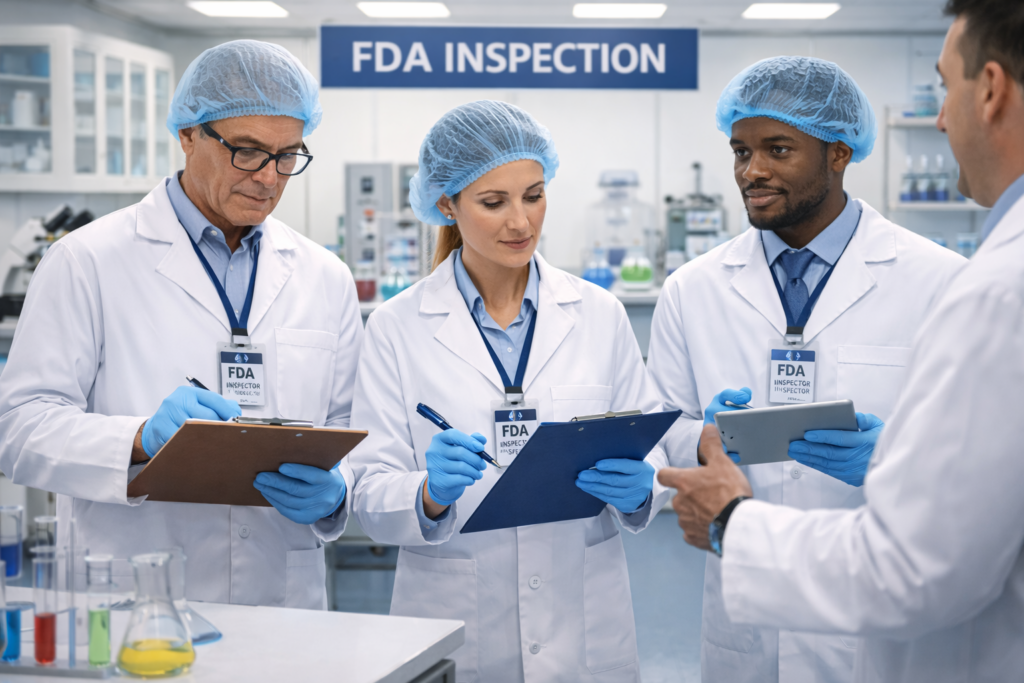
For pharmaceutical, biotechnology, and medical device organizations, effective FDA inspection preparation is one of the most important investments in regulatory compliance. Whether anticipating routine FDA inspections, preparing for a Pre-Approval Inspection, or responding to increased regulatory oversight, organizations that establish a structured preparation process are better positioned to demonstrate compliance, protect product quality, and maintain business continuity.
Modern US FDA inspections evaluate much more than written procedures. Investigators assess whether Quality Management Systems are effectively implemented, employees understand their responsibilities, manufacturing operations consistently meet regulatory expectations, and management demonstrates a culture of quality.
Without adequate preparation, organizations may receive an FDA Inspection 483, experience production delays, or face additional regulatory scrutiny. Conversely, organizations that invest in comprehensive FDA Inspection Readiness, routine internal reviews, and proactive compliance programs often navigate inspections more efficiently while strengthening operational excellence.
Whether your organization is preparing for FDA PAI, a complex medical device inspection, or broader regulatory inspections, a structured readiness strategy helps minimize risk and improve confidence before investigators arrive.
FDA inspection preparation is the process of ensuring an organization is fully prepared for regulatory inspections by reviewing documentation, strengthening quality systems, training employees, conducting mock inspections, and implementing continuous compliance practices.
A successful preparation program typically includes:
- Inspection readiness assessment
- Internal FDA audits
- Documentation reviews
- Employee interview coaching
- Mock FDA Inspection
- CAPA verification
- Data Integrity assessments
- Inspection readiness training
- Executive readiness
- A documented inspection readiness plan
- Ongoing quality improvements
Organizations that treat preparation as a continuous process rather than a one-time event generally achieve stronger inspection outcomes and improved regulatory compliance.
Table of Contents
- Why FDA Inspection Preparation Matters
- Understanding FDA Inspection Expectations
- Ten Essential Preparation Steps
- Preparing for Different Types of FDA Inspections
- Medical Device and Pharmaceutical Inspection Considerations
- Common Preparation Mistakes
- Choosing an Experienced Consulting Partner
- Case Study
- Next Steps
- Frequently Asked Questions
Why FDA Inspection Preparation Matters
Every FDA Inspection provides regulators with an opportunity to evaluate whether an organization’s Quality Management System consistently protects patient safety and product quality.
Today’s FDA inspections extend beyond reviewing documents. Investigators evaluate manufacturing operations, employee competency, supplier management, laboratory controls, complaint handling, CAPA effectiveness, validation activities, and executive oversight.
Organizations frequently analyze previous FDA inspection reports, US FDA inspection reports, and publicly available FDA inspection data to understand regulatory trends and identify common compliance challenges. Resources such as the FDA inspection database and FDA inspection classification database provide valuable information that organizations can use to benchmark their internal compliance programs.
Building sustainable inspection readiness not only supports successful inspections but also improves operational efficiency, reduces quality risks, and strengthens customer confidence.
Understanding Modern FDA Inspection Expectations
Regulatory expectations continue to evolve as manufacturing technologies, digital systems, and global supply chains become increasingly complex.
Current FDA inspection guidelines emphasize:
- Risk-based quality management
- Data Integrity
- Effective CAPA systems
- Process validation
- Supplier controls
- Complaint investigations
- Executive management responsibility
- Continuous improvement
Organizations should maintain an updated FDA inspection guide, perform regular reviews using an US FDA inspection checklist, verify compliance with an FDA checklist for inspection, and periodically complete an internal FDA audit checklist to identify improvement opportunities before investigators arrive.
Understanding the different types of FDA inspections is equally important. These may include routine surveillance inspections, for-cause inspections, Pre Approval Inspection activities, post-market inspections, and specialized FDA audit clinical trials inspections. Each inspection type focuses on different regulatory objectives and requires tailored preparation.
10 Essential Steps for Successful FDA Inspection Preparation
- Begin Preparation Well Before Inspection Notification
One of the most common compliance mistakes is delaying preparation until an inspection appears imminent.
Organizations that establish continuous FDA Inspection Readiness maintain current documentation, regularly assess quality systems, and routinely verify compliance rather than relying on last-minute corrective actions.
Early preparation provides sufficient time to conduct a comprehensive inspection readiness assessment, identify compliance gaps, prioritize remediation efforts, and strengthen operational processes before inspectors arrive.
- Evaluate Your Quality Management System
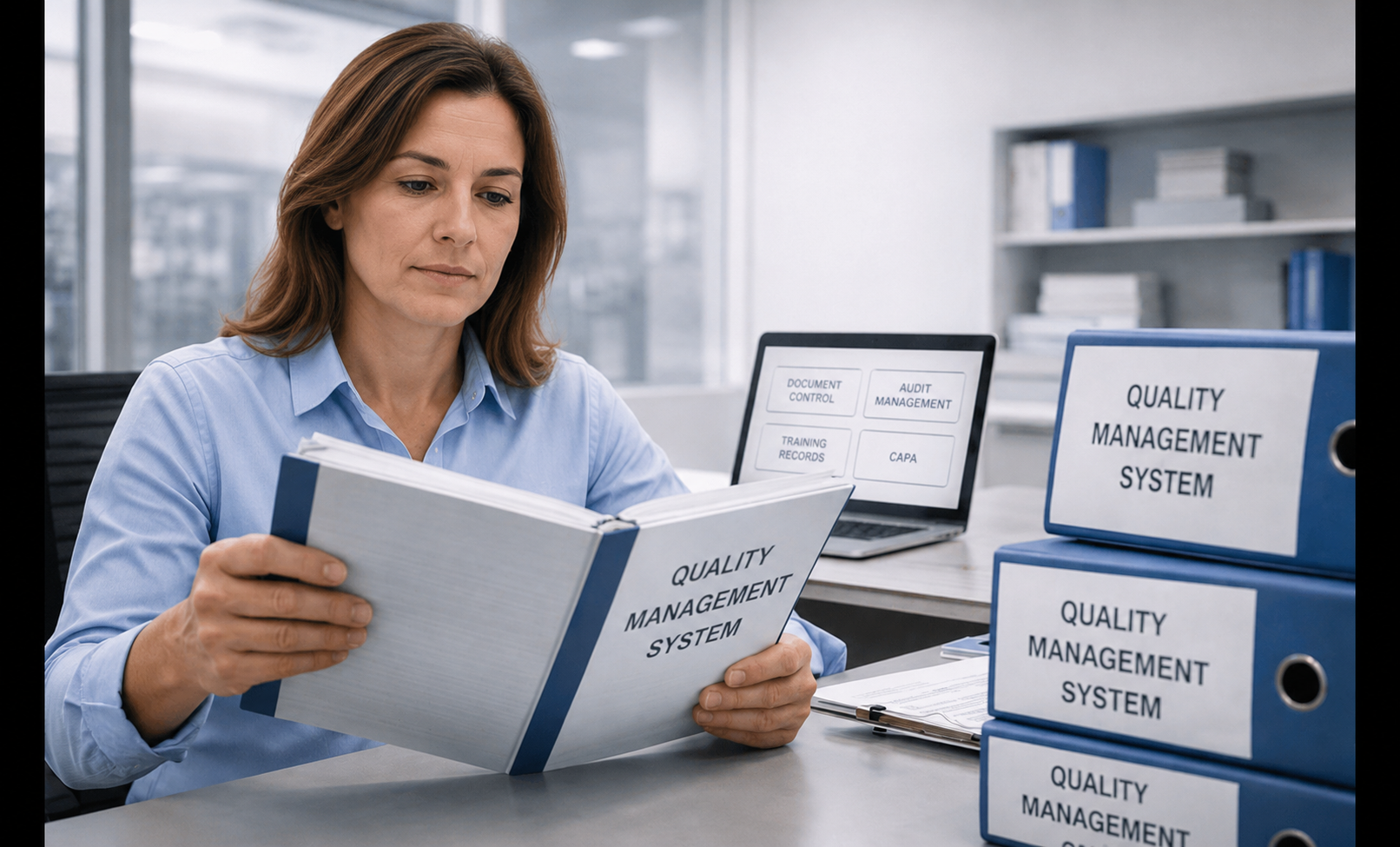
A strong Quality Management System forms the foundation of successful inspection outcomes.
Organizations should periodically assess:
- SOP effectiveness
- CAPA performance
- Training compliance
- Change Control
- Risk Management
- Validation programs
- Supplier qualification
- Complaint management
Strengthening quality management system inspection readiness improves consistency across departments while supporting long-term compliance with evolving FDA regulation.
- Conduct Independent Mock FDA Inspections
Mock inspections help organizations evaluate inspection readiness under realistic conditions.
A comprehensive mock FDA Inspection should assess:
- Documentation availability
- Employee interviews
- Manufacturing processes
- Laboratory operations
- Equipment qualification
- CAPA implementation
- Data Integrity
- Management responsiveness
Organizations preparing for FDA audit medical device programs frequently align mock inspections with QSIT principles to better reflect current regulatory expectations for device manufacturers.
- Strengthen Documentation and Record Management
Incomplete or inconsistent documentation remains one of the leading contributors to inspection observations.
Preparation activities should include verification of:
- SOPs
- Batch records
- Validation reports
- Equipment maintenance records
- Training documentation
- Complaint files
- Supplier records
- CAPA documentation
Effective document management also supports pharmaceutical quality inspection readiness and improves overall pharmaceutical manufacturing inspection readiness.
- Prepare Employees for Regulatory Interviews
Employees are often asked to explain routine responsibilities, demonstrate procedures, or retrieve controlled documents during inspections.
Effective inspection readiness training should cover:
- Interview expectations
- Communication techniques
- Documentation retrieval
- Escalation procedures
- Investigator interactions
- Facility protocols
Well-prepared personnel contribute significantly to successful outcomes during both routine USFDA inspection activities and complex FDA PAI evaluations.
- Develop a Comprehensive Inspection Readiness Checklist
A well-organized inspection readiness checklist helps organizations standardize preparation activities across departments while reducing the risk of overlooked compliance gaps.
An effective checklist should include:
- Quality System review
- SOP verification
- Employee training records
- Equipment qualification
- Validation documentation
- CAPA effectiveness
- Change Control
- Risk Management
- Supplier qualification
- Complaint handling
- Internal audit completion
- Data Integrity verification
Organizations preparing for FDA PAI often supplement this checklist with a dedicated PAI inspection readiness checklist to address product-specific manufacturing and quality requirements.
Maintaining an updated checklist throughout the year supports continuous inspection readiness rather than last-minute preparation.
- Prepare Specifically for Pre-Approval Inspection
A Pre-Approval Inspection differs from routine surveillance inspections because investigators verify that manufacturing operations can consistently produce products exactly as described in regulatory submissions.
Organizations preparing for PAI FDA activities should confirm:
- Manufacturing process validation
- Equipment qualification
- Cleaning validation
- Laboratory controls
- Technology transfer documentation
- Batch record accuracy
- Supplier qualification
- Commercial manufacturing readiness
Many organizations also engage experienced consultants for FDA pre-submission meetings to identify potential regulatory concerns before applications advance to inspection.
Strong PAI readiness reduces regulatory uncertainty while supporting successful commercialization.
- Tailor Preparation for Medical Device and Pharmaceutical Operations
Inspection priorities vary depending on product type.
Organizations preparing for medical device inspection activities should focus on:
- Design Controls
- Risk Management
- Complaint handling
- CAPA
- Supplier Controls
- Process Validation
- Device History Records
- Correct implementation of QSIT
Preparation should also consider evolving regulatory expectations, including current FDA biocompatibility guidance, Quality Management System requirements, and programs associated with FDA breakthrough device designation.
For organizations involved in pharma inspection, preparation typically emphasizes:
- Process validation
- Cleaning validation
- Sterility assurance
- Laboratory controls
- Batch documentation
- Environmental monitoring
- Change management
- Data Integrity
Strengthening both medical device inspection readiness and pharmaceutical manufacturing inspection readiness creates a stronger compliance foundation across the organization.
- Learn from Previous Inspection Findings
One of the most valuable preparation activities is reviewing publicly available regulatory information.
Organizations should routinely analyze:
- FDA inspection reports
- US FDA inspection reports
- FDA inspection database
- FDA inspection classification database
- FDA inspection database 483
- Historical FDA inspection data
Reviewing previous inspection outcomes helps organizations recognize recurring compliance trends, benchmark internal practices, and proactively strengthen quality systems before future inspections.
Understanding how FDA Inspection 483 observations arise also helps organizations improve documentation, training, and operational consistency.
- Build a Long-Term Culture of Inspection Readiness
Organizations that consistently perform well during FDA inspections rarely prepare only when inspections are expected.
Instead, they build sustainable compliance programs supported by:
- Routine FDA audits
- Scheduled FDA audit preparation
- Continuous employee development
- Executive quality reviews
- Regular internal assessments
- Updated documentation
- Periodic mock inspections
- Continuous improvement initiatives
Strong inspection readiness best practices create lasting operational benefits while reducing compliance risk and improving inspection confidence.
Preparing for Different Types of FDA Inspections
Understanding the types of FDA inspections helps organizations tailor preparation activities appropriately.
Routine Surveillance Inspections
Evaluate ongoing compliance with applicable regulations and Quality Management Systems.
For-Cause Inspections
Initiated in response to complaints, recalls, adverse events, or previous compliance concerns.
Pre Approval Inspection
Conducted before product approval to verify manufacturing readiness and consistency with regulatory submissions.
Clinical Trial Inspections
Focused on FDA audit clinical trials, investigator oversight, protocol compliance, subject protection, and data integrity.
Each inspection type requires different preparation priorities, making proactive planning essential.
Common FDA Inspection Preparation Mistakes
Even organizations with mature quality systems sometimes encounter preventable issues.
Common mistakes include:
- Beginning FDA inspection preparation too late
- Inconsistent document control
- Poor CAPA verification
- Weak employee interview preparation
- Incomplete supplier oversight
- Limited executive involvement
- Failure to maintain an updated inspection readiness plan
- Insufficient inspection readiness training
- Inadequate internal audits
- Lack of continuous monitoring
Organizations occasionally search using terms such as FDA inspectir or best eisf for FDA audits while looking for inspection resources. Regardless of terminology, the priority should always be implementing sustainable quality systems supported by experienced regulatory professionals.
Choosing the Right FDA Inspection Consulting Partner
Selecting experienced FDA consultants can significantly strengthen inspection preparation efforts.
An effective consulting partner should provide:
- Independent inspection readiness assessment
- Comprehensive FDA audit
- Mock FDA Inspection
- Executive coaching
- Documentation reviews
- Gap analysis
- Support for regulatory inspection readiness
- Experience with medical device inspection readiness
- Knowledge of hygienic system inspection FDA compliance services, where applicable
- Practical recommendations that strengthen long-term compliance
The objective is not simply to prepare for one inspection but to establish sustainable regulatory excellence.
Learn More About BioBoston Consulting
BioBoston Consulting partners with pharmaceutical, biotechnology, and medical device organizations preparing for routine FDA inspections, FDA PAI, and complex regulatory inspections.
Services include:
- Comprehensive FDA Inspection Readiness
- Mock inspections
- Documentation assessments
- Executive coaching
- Quality System evaluations
- Risk-based gap assessments
- Inspection readiness tools
- Long-term compliance planning
Whether preparing for commercialization, expanding manufacturing capabilities, or improving internal quality systems, BioBoston Consulting helps organizations develop practical, inspection-ready operations.
Case Study
A biotechnology company preparing for its first commercial Pre Approval Inspection requested BioBoston Consulting to evaluate overall readiness before regulatory review.
Consultants completed an independent inspection readiness assessment, reviewing documentation, Quality Management Systems, validation activities, supplier controls, CAPA effectiveness, and employee preparedness.
The assessment also compared internal practices with current FDA inspection guidelines, publicly available FDA inspection reports, and applicable FDA regulation requirements.
Several improvement opportunities were identified, including documentation standardization, interview preparation, and process consistency.
Following implementation of corrective actions and expanded inspection readiness training, the organization entered its inspection with significantly greater confidence and improved operational alignment.
Next Steps
Preparing for an FDA Inspection should be viewed as an ongoing quality initiative rather than a one-time project.
Organizations that invest in continuous FDA Inspection Readiness, structured FDA audit preparation, routine internal reviews, and employee development are generally better positioned for successful inspections while improving long-term operational performance.
Developing a sustainable compliance culture today helps organizations reduce future regulatory risk and maintain confidence during every inspection.