
FDA’s New Approach to Computer Software Validation
For decades, medical device manufacturers, pharmaceutical companies, and life science researchers have dreaded the phrase “software validation.” Traditionally, proving to regulatory bodies that your software worked safely meant generating mountains of redundant documentation. However, the regulatory landscape is undergoing a massive, highly anticipated paradigm shift.
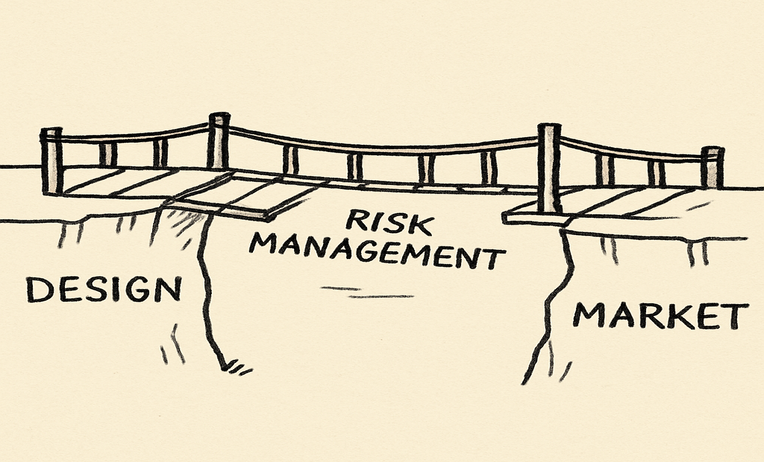
The introduction of fda’s new software validation requirements is transforming how the industry approaches compliance. Moving away from a rigid, documentation-heavy process, the FDA is now championing a risk-based, critical-thinking approach. This evolution not only ensures higher patient safety but also significantly accelerates the time-to-market for innovative digital health tools.
Whether you are navigating complex medical device regulations or upgrading your laboratory’s data management tools, understanding these modern guidelines is essential. Let’s dive deep into what these changes mean, how they compare to old methodologies, and how you can implement them effectively.
Back to Basics: Defining the Scope of Validation
Before exploring the new guidelines, it is crucial to establish a foundational understanding of what we are actually validating.
You might ask, what is computerized system technology in the context of the FDA? Simply put, a computerized system encompasses much more than just the software code. If you are wondering what is computerised system functionality, it includes the hardware, the software, the network infrastructure, the operating procedures, and even the personnel who interact with the system.
Historically, the process of ensuring these components function reliably has been called computerized system validation. If you are new to the terminology, the csv full form stands for Computerized System Validation. Whether your organization refers to it as computer system validation, computer systems validation, or simply computer validation, the ultimate goal remains identical: ensuring that software performs exactly as intended without compromising product quality or patient safety.
The Evolution: CSV vs. CSA
To truly grasp the fda’s new software validation requirements, you must understand the transition from traditional CSV to CSA.
For years, csv validation dictated that every single software feature—regardless of its risk level—required extensive, scripted testing and massive paper trails. This often resulted in a scenario where QA teams spent 80% of their time documenting tests and only 20% of their time actually testing the software for flaws.
Enter CSA. The debate of csv vs csa (or Computer Software Assurance vs Computer System Validation) represents a fundamental shift in regulatory philosophy. FDA computer software assurance turns the traditional 80/20 paradigm upside down.
Instead of treating a low-risk typo in a report the same way you treat a high-risk dosage calculation error, CSA encourages critical thinking in software assurance processes. The FDA now wants teams to spend the bulk of their time actively testing the software to uncover actual defects, reserving heavy documentation strictly for high-risk features that directly impact patient health or regulatory compliance.

Navigating Modern Regulatory Frameworks
The rapid rise of digital health applications has forced regulators to adapt. Today’s Software as a Medical Device regulatory framework is far more nuanced than guidelines from the early 2000s.
A cornerstone of this modern approach is the FDA draft guidance on SaMD lifecycle, which emphasizes that software is never truly “finished.” Because digital tools require constant updates, patches, and feature additions, the FDA advocates for a Total Product Life Cycle for digital health. This means your fda software validation efforts must be continuous, scaling from initial concept through post-market deployment.
To comply with the latest FDA software testing standards, organizations must adopt a risk-based approach for medical device software. This involves:
- Identifying Intended Use: Clearly defining what the software does.
- Risk Assessment: Determining if a software failure poses a direct risk to patient safety or product quality.
- Tailored Assurance: Scaling your testing and documentation rigor based on that exact risk profile.
How to Implement CSA in Medtech and Pharma
If you are a quality manager or IT lead wondering how to implement CSA in medtech or pharmaceuticals, the secret lies in modernizing your testing strategies and breaking down operational silos.
1. Rethink Your Testing Strategy
A major component of the new guidelines is understanding the difference between unscripted and scripted testing.
- Scripted Testing: Traditional, step-by-step test cases with pre-defined inputs and expected outputs. Under CSA, this rigorous documentation is reserved only for high-risk features.
- Unscripted Testing: Also known as exploratory or ad-hoc testing. Testers use their domain expertise to “break” the software naturally. This is highly encouraged for low-to-medium risk features, requiring only minimal documentation (e.g., who tested it, what was tested, and if it passed).
2. Leverage Technology for Efficiency
You can achieve massive efficiency gains by reducing validation burden with automated testing. Automation allows teams to run thousands of test scripts overnight, ensuring that every code update is instantly verified against baseline safety requirements. This approach is instrumental when integrating QMS with agile development, allowing your Quality Management System to keep pace with rapid two-week software sprints.
3. Utilize Industry-Specific Tools
For pharmaceutical manufacturers, adopting dedicated pharma validation software (often part of comprehensive Application Lifecycle Management or ALM tools) can digitize and automate the CSA framework. These platforms map requirements to risks and automatically generate the necessary validation summaries, replacing static Word documents and Excel spreadsheets.
Data Integrity and Part 11 Compliance
While the FDA is reducing the burden of unnecessary paperwork, they are doubling down on data integrity. Any system that creates, modifies, maintains, or transmits electronic records must comply with 21 CFR Part 11.
The new approach focuses on streamlining documentation for 21 CFR Part 11 without losing transparency. When auditors review your systems, they aren’t looking for a stack of paper; they are looking for secure, unalterable digital proof of compliance.
Crucially, you must ensure that the audit trails of computer systems include specific, granular data. A compliant audit trail must automatically capture the user’s identity, the exact date and time of the action, the original value, the new value, and the reason for the change. Implementing system validation that automatically verifies these audit trails is a key expectation under the current regulations.
Furthermore, these modern FDA expectations work hand-in-hand with global industry standards. Ensuring GAMP 5 second edition alignment is highly recommended, as the International Society for Pharmaceutical Engineering (ISPE) recently updated GAMP 5 to explicitly support the FDA’s CSA methodology, agile development, and automated testing.
Special Considerations: Cloud Systems and Research Settings
The modern life sciences ecosystem extends far beyond traditional on-premise manufacturing software. The fda’s new software validation requirements also impact cloud infrastructure and early-stage research.
Cloud-Based Medical Systems
With the migration to Software as a Service (SaaS), the validation requirements for cloud-based medical systems have evolved. You can no longer validate a cloud system exactly as you would an on-premise server. Instead of testing the vendor’s source code, validation efforts should focus on assessing the vendor’s QMS, ensuring secure data migration, validating the specific configuration used by your business, and confirming secure user access controls.
Research and Academic Environments
In pre-clinical or academic settings, rigid validation can sometimes stifle innovation. Implementing best practices for software validation in research settings involves a lightweight, highly scalable risk-based approach. Researchers should focus on validating the algorithms that process critical data and ensuring data integrity is maintained, applying just enough structure so that if a compound moves into clinical trials, the foundational data is legally defensible.
Continuous Post-Market Monitoring
Because software is dynamic, validation doesn’t stop at launch. Establishing best practices for post-market software surveillance is a critical element of the Total Product Life Cycle. This involves monitoring real-world software performance, tracking user complaints regarding software bugs, and applying critical thinking to determine if a new software patch requires a full scripted re-validation or just a simple unscripted verification.
Conclusion
The transition from traditional, heavily documented CSV to the critical-thinking framework of CSA marks a monumental step forward for the life sciences industry. The fda’s new software validation requirements are not designed to lower the bar for quality; rather, they are designed to focus your resources on what truly matters: patient safety, product efficacy, and robust data integrity.
By adopting a risk-based approach, leveraging automated testing, understanding when to use unscripted versus scripted testing, and ensuring your audit trails are locked down, your organization can significantly reduce compliance overhead. Embrace these modern validation guidelines not just as a regulatory hurdle, but as a strategic advantage to bring safer, more innovative digital health products to the market faster.