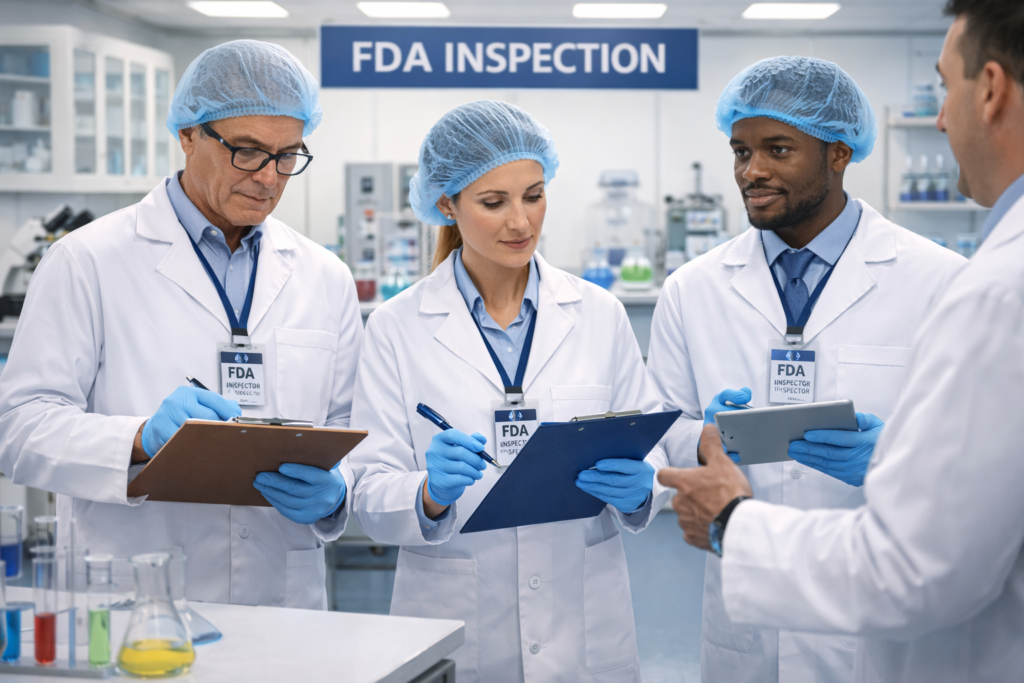
How the FDA Inspection Process Works from Start to Finish
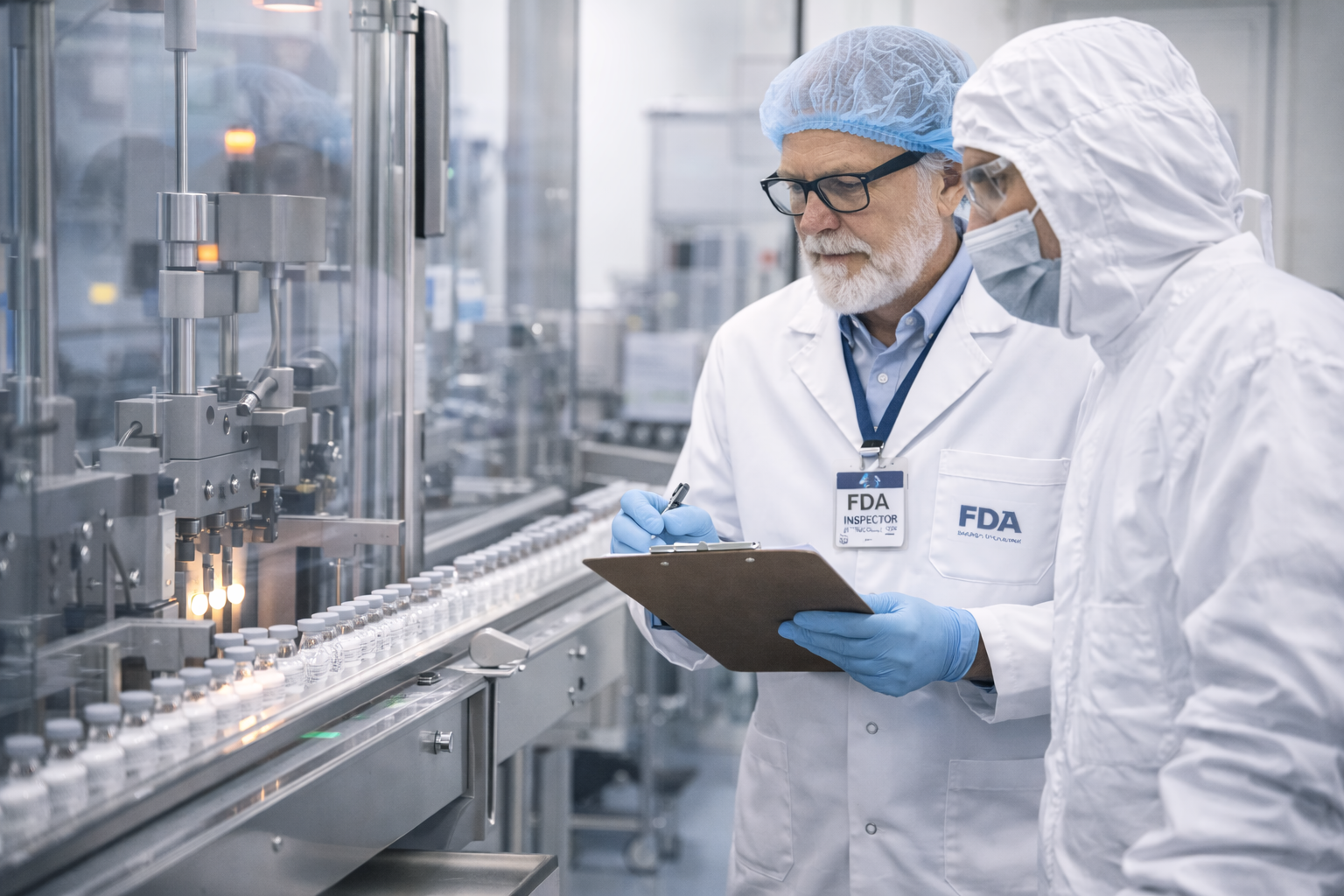
The thought of an investigator arriving at your facility unannounced is enough to elevate the heart rate of any quality assurance manager. However, FDA inspections are a standard and necessary component of operating in the life sciences sector. Whether you are manufacturing life-saving pharmaceuticals or cutting-edge medical devices, establishing strong US FDA compliance is non-negotiable.
This comprehensive guide will demystify the process, answering everything from what is regulated by the FDA to how you can guarantee your site is perfectly prepared for an investigator’s arrival.
What Does the FDA Regulate? Understanding the Scope
Before preparing for an audit, it is vital to answer a foundational question: for what is the FDA responsible? The Food and Drug Administration protects public health by ensuring the safety, efficacy, and security of human and veterinary drugs, biological products, and medical devices.
If you are wondering what industries are regulated, the scope is vast. To understand exactly what does the FDA regulate (or what does FDA regulate in shorthand), it includes:
- Pharmaceuticals and biologics
- Medical devices and radiological health products
- Food supply and cosmetics
- Dietary supplements
By defining what is FDA regulations within your specific niche, you can better align your operations with applicable FDA standards and FDA regulation. Being an FDA regulated entity simply means your products must meet strict safety guidelines before and after they reach consumers.
Types of FDA Inspections & Audits
Not all FDA audits are created equal. The agency conducts different types of site visits based on the product life cycle and compliance history.
Routine vs For-Cause Audits
When comparing routine vs for-cause audits, routine visits occur periodically to verify that a facility continues to follow current good manufacturing practices (cGMP). For-cause audits, however, are triggered by a specific problem, such as a product recall, consumer complaints, or an anonymous tip. A standard regulatory inspection usually falls into the routine category.
Pre-Approval Inspection (PAI)
If you are submitting a new drug or medical device for market authorization, you will likely face a pre approval inspection (also known as a PAI inspection or FDA PAI). During a pre-approval facility review, the FDA verifies that your manufacturing site is capable of producing the product exactly as described in your application. A specialized FDA NDA consultant or FDA 510k consultant can be invaluable here.
The Anatomy of an FDA Audit: What Happens During FDA Audit?
When considering which below are steps in effective inspections, the process typically follows a predictable flow. Understanding what happens during FDA audit can significantly reduce anxiety.
- Arrival and Credential Presentation: The investigator issues a Form 482 (Notice of Inspection).
- Opening Meeting: Management is briefed on the audit’s scope.
- Facility Tour: Preparing for facility site visits requires ensuring your site meets all FDA building requirements regarding sanitation, flow, and safety.
- Documentation Review: The core of any US FDA inspection. Investigators will scrutinize your records, evaluating your adherence to regulatory agency documentation requirements.
- Closing Meeting: The investigator shares their establishment report findings.
If deviations are found, the investigator will issue a Form 483. Knowing how to handle Form 483 is crucial. Facilities must respond promptly by developing robust corrective and preventive action plans (CAPA). Properly resolving FDA warning letters prevents severe FDA enforcement actions, such as product seizures or consent decrees.
Mastering FDA Inspection Readiness
True inspection readiness is not an event; it is a continuous culture. Maintaining perpetual FDA inspection readiness (or FDA Inspection Readiness) ensures that no matter when an auditor arrives, your facility is compliant.
Inspection Readiness Best Practices
- Conduct Regular Assessments: Use an inspection readiness assessment to identify gaps before the FDA does.
- Leverage Technology: Utilize inspection readiness tools and software. Familiarize yourself with how the FDA tracks data, such as through the FDA inspection database or FDA TIMS (Tracking Inspections Management System).
- Use Comprehensive Checklists: Rely on a tailored regulatory compliance checklist, FDA checklist for inspection, or an FDA audit checklist. If you are a pharmacy, a specific pharmacy audit checklist is vital.
The Value of a Mock Inspection
Conducting an FDA mock inspection is one of the most effective ways to prepare your staff. The mock audit benefits are immense: it reduces employee stress, identifies communication breakdowns, and tests your regulatory inspection readiness. Using a PAI inspection readiness checklist or an overarching inspection readiness checklist during these mock audits ensures a thorough review. Furthermore, implementing best practices for conducting inspections with commissioning checklists guarantees your manufacturing equipment is fully validated.
Deep Dive: Medical Device Inspection Readiness
The medical device sector faces unique regulatory hurdles. A medical device inspection typically relies on the Quality System Inspection Technique (QSIT). Mastering FDA QSIT is essential for validating medical device quality management systems (QMS).
A strong medical device inspection readiness program must account for specific technical requirements:
- FDA design controls 21 CFR 820.30 guidance: Ensuring your product design history files are impeccable.
- FDA guidance on biocompatibility: Adhering strictly to FDA biocompatibility guidance to prove device materials are safe for human contact.
- Post-market surveillance obligations: Demonstrating that you continuously monitor product safety in the real world.
The medical device landscape moves quickly. Recent neuromodulation FDA news and FDA imaging clearance news highlight the agency’s evolving approach to complex technologies. Furthermore, obtaining an FDA breakthrough device designation (such as the recent buzz around a medical magnesium FDA breakthrough device designation) can expedite the review process, making proactive compliance even more critical.
Partnering with FDA Regulatory Consulting Firms
Navigating a USFDA inspection alone can be daunting. Many companies turn to FDA regulatory consulting experts to bridge the gap. Whether you need a general FDA compliance consultant or a specialized medical device FDA consultant, finding the right partner is a strategic advantage.
How to Choose the Right FDA Consultant
When asking, “who provides the best FDA consulting services for device companies?” or searching for the “best FDA regulatory consulting for medical devices 2025,” look for firms with a proven track record.
- For Startups and Innovators: If you are seeking the best-rated FDA consultancy for medical device research, look for an FDA regulatory consultant or FDA approval consultant who specializes in early-stage strategy.
- For Clinical Trials: Identifying the top CROs for medical devices FDA compliance or recommended FDA regulatory consultants for device trials ensures patient safety and data integrity. Look for leading FDA regulatory advisors medical device CROs and leading FDA regulatory advisors for medical device CROs.
- For Pre-Submission: Consultants for FDA pre-submission meetings can help you align your testing strategy with FDA expectations before you spend millions on R&D.
Specialized FDA Consulting Services
The spectrum of FDA consulting services is vast. Depending on your needs, you might engage:
- FDA Registration Consultants: To ensure your facility and products are properly listed.
- FDA Quality and Regulatory Consultants: To build or audit your QMS.
- FDA Remediation Consultant: To guide you out of a crisis if you have received a Warning Letter.
- US FDA 510k Consulting: To help clear your Class II medical device.
- FDA Customs Clearance Consultant: To navigate import/export regulatory barriers.
- FDA Regulatory Strategy Consultant: To chart the most efficient path to market.
Whether you are looking for FDA consulting firms specialized in medical devices, FDA consulting experts for contract research organizations, or general FDA regulatory consulting firms, the goal is the same: minimizing risk. Evaluating which consulting service is best for FDA med device approval or the most reliable FDA compliance service for med device CROs requires interviewing multiple FDA compliance consultants and reviewing their history of successful FDA audits.
Building a Culture of Compliance
Hiring US FDA regulatory consultants or exploring various FDA consulting firms medical devices (or general FDA consulting firms) is highly beneficial, but internal culture remains paramount. From your quality engineers to those seeking FDA inspection jobs within your regulatory affairs department, everyone must respect the FDA standards.
Utilize the resources provided by FDA regulatory affairs consulting and FDA compliance consulting partners. Keep abreast of US FDA consultants‘ recommendations. Take advantage of an FDA QSR consulting engagement to fine-tune your quality system.
When you blend expert FDA medical device consulting (or pharmaceutical consulting) with internal dedication to FDA regulatory compliance consulting principles, an FDA inspection stops being a terrifying threat. Instead, a regulatory inspection simply becomes a professional presentation of your company’s commitment to safety and quality.
Final Takeaway
Navigating the complexities of consulting FDA guidelines requires patience, precision, and expertise. Whether you are securing an FDA consultant medical device expert to review your PAI FDA preparations or relying on comprehensive FDA regulatory consulting services to map out your global strategy, preparation is your best defense. Utilize checklists, embrace the insights of seasoned FDA regulatory consultants, and treat FDA inspection readiness as a daily operational standard rather than a pre-audit panic. Do this, and your next facility review will be a resounding success.