
Defining the Baseline: What is a Gap Assessment?
Navigating the highly regulated world of medical device manufacturing can often feel like walking a tightrope. A single compliance slip-up can lead to delayed product launches, costly recalls, or severe regulatory penalties. To prevent these scenarios, proactive quality management is non-negotiable.
At the heart of this proactive approach is a robust evaluation of your Quality Management System (QMS). Conducting a comprehensive qms gap assessment medical device evaluation is the most effective way to ensure your organization meets global regulatory standards before an official inspector walks through your doors.
In this article, we will explore the critical components of a QMS gap assessment, why it matters, how to handle modern data integrity challenges, and actionable steps to turn your findings into continuous improvement.

Defining the Baseline: What is a Gap Assessment?
If you are new to the regulatory landscape, you might be wondering: what is a gap assessment? Simply put, a gap assessment is a structured, systematic evaluation that compares your current operational processes against desired regulatory standards or best practices.
In the medical device industry, this means comparing your existing QMS against benchmarks like ISO 13485, the FDA’s Quality System Regulation (QSR), or the European Medical Device Regulation (EU MDR). The “gap” represents the missing pieces, undocumented procedures, or non-compliant practices that stand between your current operations and full regulatory compliance.
Strategic Drivers: Why Perform a Pre-Certification Audit?
You might wonder why a company should spend time and resources auditing itself. Understanding why perform a pre-certification audit is crucial for leadership buy-in. Conducting this assessment acts as a diagnostic tool that saves time, money, and reputation in the long run.
Here are the primary benefits:
- Stress-Free Inspections: By proactively identifying weak points, you are directly preparing for notified body inspections and reducing the anxiety associated with unannounced audits.
- Targeted Readiness: A gap analysis serves as an excellent FDA 21 CFR Part 820 readiness review, ensuring you meet specific US market requirements.
- Regulatory Transitions: For companies selling in Europe, an assessment functions as an essential EU MDR transition impact analysis, highlighting the specific operational shifts needed to comply with the updated, stringent European guidelines.
When planning this evaluation, it is helpful to weigh internal vs external audit benefits. Internal audits are cost-effective and help build in-house regulatory knowledge. Conversely, external audits conducted by third-party consultants provide an unbiased, objective perspective, often catching blind spots that internal teams might overlook due to familiarity with their own systems.
Key Areas of Focus During Your QMS Assessment
A thorough qms gap assessment medical device strategy must leave no stone unturned. While every company is unique, a comprehensive evaluation must scrutinize several core areas.
1. Design, Manufacturing, and Risk
Medical devices must be designed and built safely. Your assessment should verify manufacturing design control compliance, ensuring that every phase of product development—from user needs to design verification and validation—is meticulously documented.
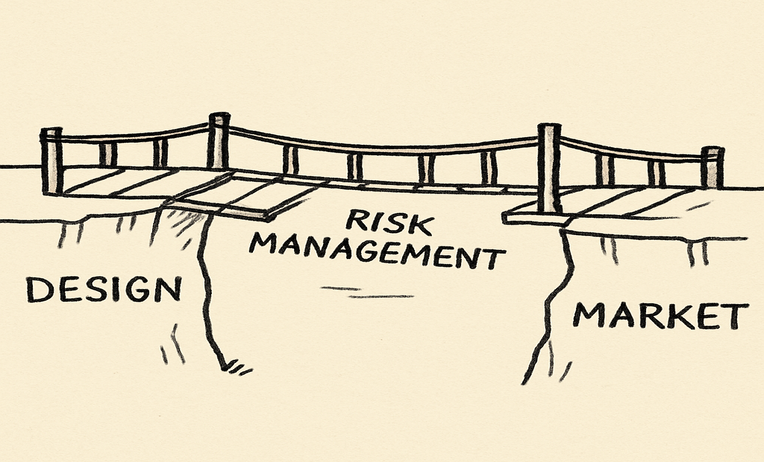
Equally important is risk management integration in quality systems. Risk cannot be treated as a standalone activity; it must be woven into design, supplier evaluation, and manufacturing processes, adhering strictly to ISO 14971 standards.
2. Documents, Procedures, and CAPA
A well-functioning QMS relies heavily on proper documentation. Your gap assessment should involve standard operating procedure effectiveness evaluation. Are your SOPs actually being followed by staff, or are they just gathering dust on a shelf?
Furthermore, you need to track document control system performance metrics. Assess how long it takes to approve documents, the frequency of revision errors, and employee training completion rates.
Crucially, an auditor will look closely at your Corrective and Preventive Action (CAPA) processes. A thorough corrective and preventive action system assessment ensures that you are not just putting band-aids on problems, but actively investigating root causes and implementing long-term solutions.
3. Post-Market Activities
Compliance does not stop once the device is sold. A vital part of your audit must review post-market surveillance regulatory requirements. You need systems in place to actively monitor device performance in the field, handle customer complaints, and report adverse events to regulatory bodies in a timely manner.
Modernizing Your QMS: GxP and Data Integrity
As the medical device industry digitizes, paper-based QMS processes are rapidly being replaced by electronic Quality Management Systems (eQMS) and cloud-based infrastructure. Keeping an eye on gxp compliance news and the latest gxp data integrity news is vital for quality managers.
Transitioning to the Cloud securely
If your organization is migrating data, ensuring gxp compliance in the cloud is a top priority. Not all cloud providers are created equal. You must partner with a provider that offers a gxp compliant cloud environment, complete with proper validation, physical security, and data redundancy.
Data Integrity Guidelines
Regulators are increasingly scrutinizing how gxp data is created, modified, and stored. During your gap assessment, evaluate your data systems against the mhra gxp data integrity guidance alcoa+ principles (Attributable, Legible, Contemporaneous, Original, and Accurate). Familiarizing your team with the foundational mhra gxp data integrity guidance 2018 will help ensure your digital records stand up to regulatory scrutiny.
Software Validation and Future Tech
If you utilize computerized systems to manage quality, your assessment must verify compliance with annex 11 gxp (for European markets) and FDA 21 CFR Part 11 (for the US), ensuring electronic signatures and records are trustworthy. Furthermore, as artificial intelligence begins to play a role in automated quality checks and predictive maintenance, staying updated on gxp ai news will prepare your QMS for next-generation regulatory expectations.
Step-by-Step: How to Conduct Internal Regulatory Audits
Knowing the theory is one thing, but execution is another. If you are tasking your internal team with this project, understanding how to conduct internal regulatory audits efficiently is key to success.
- Define the Scope: Determine which standards apply to your business. Are you auditing the entire QMS or focusing on a specific subsystem, like CAPA or design controls?
- Utilize Standardized Tools: Do not start from scratch. Use an established ISO 13485 compliance checklist to systematically move through the standard’s clauses. This ensures no regulatory requirement is accidentally skipped.
- Gather Objective Evidence: An audit is evidence-based. Interview employees, review batch records, and inspect the manufacturing floor.
- Focus on Deficiencies: The primary goal of this exercise is quality system deficiency identification. Document exactly where the process deviates from the standard, noting the specific clause or regulation that is not being met.

Turning Findings into Action: The Gap Assessment Report
The true value of an assessment is not in finding the gaps, but in closing them. Once the audit concludes, all findings must be compiled into a formal gap assessment report.
This document should categorize risks by severity critical, major, and minor allowing management to prioritize resources effectively. It should clearly state the regulatory requirement, the observed deficiency, and the objective evidence collected.
Once the report is finalized, the team must collaboratively build a remediation plan for non-conformances. This actionable roadmap assigns specific tasks to team members, sets strict deadlines for corrective actions, and establishes follow-up verification steps to ensure the gap remains permanently closed.
Conclusion
The regulatory landscape for medical devices is complex and ever-changing. Whether you are launching a new product, upgrading to a digital eQMS, or transitioning to new global standards, a QMS gap assessment is your most reliable navigational tool.
By taking the time to rigorously evaluate your processes, integrate modern data integrity practices, and systematically address deficiencies, you do more than just achieve compliance. You build a culture of uncompromised quality, ensuring that the medical devices you bring to market are consistently safe, highly effective, and ready to improve patients’ lives.