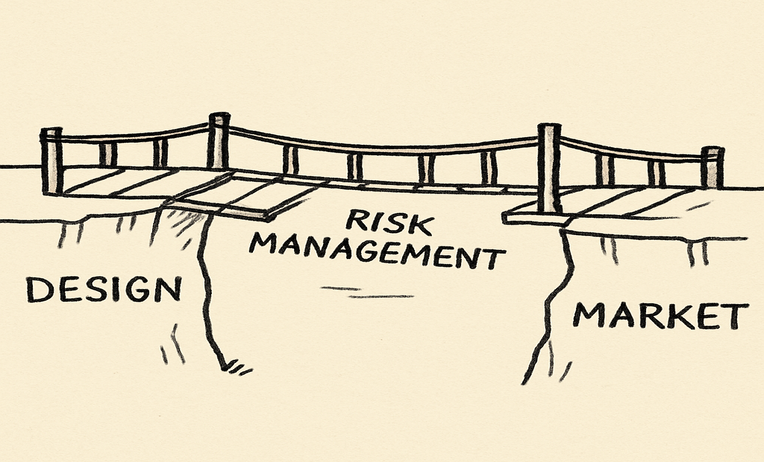

The landscape of life sciences and medical technology is evolving at an unprecedented pace. To keep up with digital transformation, regulatory bodies are fundamentally shifting how they approach quality assurance. For years, quality and IT teams have grappled with mountains of paperwork, heavily scripted test cases, and a compliance-first mindset that often stifled innovation. Today, a major paradigm shift is underway.
Understanding the FDA’s new software validation requirements is no longer just a regulatory compliance exercise, it is a strategic opportunity to innovate faster, deploy software quicker, and ensure higher quality patient outcomes. By embracing these updated guidelines, companies can shift their focus from generating endless documentation to applying genuine critical thinking.
This comprehensive guide will break down the evolution of FDA guidelines, compare legacy practices with modern approaches, and provide actionable strategies for navigating this new regulatory era.
Defining the Baseline: Systems and Validation
Before diving into the nuances of the new guidelines, it is helpful to answer a fundamental question: what is computerized system technology in the eyes of regulatory bodies? (Or, depending on your geographical region, what is computerised system technology?)
In the life sciences sector, a computerized system is not just a piece of software. It encompasses the hardware, the software, the network infrastructure, the standard operating procedures (SOPs), and the personnel operating it. Because these systems control everything from manufacturing equipment to clinical trial data, they must be proven reliable.
The Legacy of CSV
For decades, the industry standard was CSV. If you are new to the industry and wondering about the CSV full form, it stands for Computerized System Validation. You will also frequently hear it referred to as computer system validation, computer systems validation, or simply computer validation.
Historically, the goal of system validation was to prove that a system functioned exactly as intended. However, traditional CSV validation protocols evolved into a massive, paper-heavy exercise. Testers were required to write step-by-step, heavily scripted test cases for every single software function, capturing screenshots for every click, regardless of whether that function impacted patient safety. This “testing for the sake of compliance” created severe bottlenecks for organizations trying to adopt modern technology.
The Evolution: CSV vs CSA
Recognizing that heavy documentation burdens were discouraging companies from adopting advanced manufacturing and quality systems, the FDA introduced a paradigm shift. The ongoing industry debate of CSV vs CSA (computer software assurance vs computer system validation) represents this massive cultural change.
While CSV focuses heavily on generating objective evidence (documentation) to prove compliance, the FDA computer software assurance (CSA) model flips the script. CSA prioritizes patient safety, product quality, and system integrity over rote paperwork.
At the heart of the CSA initiative is critical thinking in regulatory compliance testing. Instead of treating every software feature with the same level of exhaustive documentation, CSA encourages teams to evaluate the actual risk. If a software feature fails, will it harm a patient? Will it corrupt critical clinical data? If the answer is no, the testing and documentation should be scaled down accordingly.

Core Elements of the FDA’s New Software Validation Requirements
To succeed under the FDA’s new software validation requirements, organizations must adopt a flexible, risk-centric mindset. Here are the core pillars of the updated approach:
1. Implementing a Risk-Based Approach
The FDA strongly advocates for a risk-based approach for non-device software (software used in quality systems, enterprise resource planning, or manufacturing). Under this model, systems are categorized based on their direct impact on safety and quality. High-risk features require rigorous, scripted testing, while low-risk features can be validated using alternative, less burdensome methods.
2. Streamlining Documentation
By focusing on risk, teams are effectively streamlining software testing documentation for FDA audits. You no longer need a 50-page test script with hundreds of screenshots for a simple reporting dashboard. Instead, a simple record of the test’s execution, the tester’s name, the date, and a pass/fail status may suffice for low-to-medium risk functions.
3. Leveraging Automation
A major benefit of the modern regulatory landscape is the emphasis on reducing regulatory burden with automated validation tools. By utilizing modern pharma validation software, organizations can automate regression testing, data verification, and continuous integration checks. Automation reduces human error and frees up your quality assurance professionals to focus on complex, high-risk scenarios that require human intuition.
A Closer Look at Compliance: Part 11, GAMP 5, and Agile
Adopting the FDA’s new philosophy does not mean abandoning established compliance frameworks; rather, it means applying them more intelligently.
Navigating Electronic Records
No matter how streamlined your testing becomes, the 21 CFR Part 11 electronic records requirements remain strictly enforced. Ensuring data integrity is non-negotiable. Systems must have robust security measures, electronic signatures, and comprehensive tracking. For instance, to satisfy regulators, the audit trails of computer systems include a secure, computer-generated, time-stamped record that captures the identity of the user, the date and time of the action, and the old and new values of any modified data.
Aligning with GAMP 5 Second Edition
Industry standards have also evolved to support the FDA’s vision. The GAMP 5 second edition software categories actively embrace the concepts of critical thinking and agile development. The updated GAMP 5 guide encourages leveraging vendor documentation and utilizing automated tools, perfectly complementing the FDA’s CSA approach.
The Agile Revolution
The impact of agile methodology on software validation cannot be overstated. In the past, the traditional “Waterfall” model forced validation to occur at the very end of a project, causing massive delays. Today, by actively mapping software development life cycle to FDA standards, teams can validate in iterative Agile sprints. This continuous testing model ensures that quality is built into the software from day one, rather than inspected in at the end.
Strategies for Medical Devices and Digital Health
While CSA is largely focused on non-device manufacturing and QMS software, the FDA also maintains strict guidelines for software that is the actual medical product.
Software as a Medical Device (SaMD)
If you are developing diagnostic apps or treatment algorithms, consulting a software as a medical device classification guide is your crucial first step. The FDA uses a framework (driven by the IMDRF) to categorize SaMD based on the significance of the information provided to the healthcare decision and the state of the patient’s healthcare situation. Higher risk classifications require profound clinical evaluation and strict pre-market validation.
Digital Health and Post-Market Realities
For developers of mobile health apps and wearables, establishing the proper quality management system requirements for digital health tools is vital. A robust QMS ensures that coding standards, peer reviews, and release management are tightly controlled.
Furthermore, validation doesn’t stop once the software is released. Software is dynamic; it receives patches, updates, and bug fixes. Therefore, rigorous post-market surveillance for medical device software is required. Companies must actively monitor real-world performance, track user complaints, and assess whether new updates introduce unforeseen risks that require re-validation.
Practical Steps: How to Implement the New Guidelines
Transitioning from a legacy CSV mindset to a modern CSA framework requires a strategic approach. If you are wondering how to implement FDA computer software assurance in your daily operations, follow these actionable best practices:
- Rely on Vendor Documentation: Do not reinvent the wheel. Follow the FDA guidance on off-the-shelf software use. If you purchase established, commercial off-the-shelf (COTS) software, leverage the vendor’s existing validation documentation and audits. Focus your internal testing only on the custom configurations you apply.
- Embrace Unscripted Testing: For low-risk software functions, utilize unscripted testing strategies for medical software, such as exploratory or ad-hoc testing. This allows testers to freely navigate the system to find bugs without the burden of writing step-by-step scripts beforehand, saving countless hours.
- Invest in Digital Validation Tools: Upgrade your tech stack. Utilizing modern, cloud-based FDA software validation platforms allows you to digitally link your user requirements, risk assessments, and test executions in a single traceable matrix.
- Foster a Culture of Critical Thinking: Train your QA and IT teams to ask “Why?” Implement the best practices for software validation in research settings by teaching your staff to evaluate data integrity risks rather than just checking compliance boxes blindly.
Final Thoughts
The days of validating software by weighing the stack of paper it generates are over. The FDA’s new software validation requirements represent a breath of fresh air for the life sciences industry, empowering organizations to prioritize patient safety, leverage modern technology, and dramatically reduce time-to-market.
By understanding the key differences between legacy CSV and the new CSA model, embracing automated tools, and fostering a culture of critical thinking, your organization can turn regulatory compliance from a costly bottleneck into a powerful competitive advantage. The future of software validation is not about producing more documents; it is about producing safer, better software.