Navigate FDA’s New Software Validation Requirements
The landscape of medical device manufacturing, pharmaceuticals, and clinical research is evolving at breakneck speed. As organizations increasingly rely on advanced digital tools to manage data, automate manufacturing, and ensure product quality, the regulatory expectations governing these technologies are shifting in tandem. If your life sciences organization relies on digital infrastructure, staying current with the fda’s new software validation requirements is no longer just a best practice—it is an absolute necessity for survival and growth.
Historically, fda software validation felt like a grueling exercise in exhaustive documentation, often stifling technological innovation and delaying time-to-market. Today, the agency is championing a progressive, risk-based methodology designed to improve quality while reducing administrative bloat. But what does this regulatory evolution actually mean for your quality assurance (QA) and IT teams?
In this comprehensive guide, we will explore the shift toward modern compliance, detailing how to implement these changes efficiently, maintain the highest quality standards, and embrace a culture of critical thinking.
Back to Basics: The Foundation of System Validation
Before diving into the latest regulatory updates, it is crucial to establish a shared understanding of foundational concepts.
A common question from domestic manufacturers is, “what is computerized system in the eyes of the FDA?” Similarly, global teams often ask, “what is computerised system compared to a standard IT asset?” In the highly regulated life sciences sector, a computerized system refers to any combination of software, hardware, and network components used to automate a regulated process. This includes everything from Laboratory Information Management Systems (LIMS) to Enterprise Resource Planning (ERP) software.
Ensuring these tools work flawlessly is mandatory. In the industry, you will hear various terms used interchangeably computer validation, system validation, or the highly specific computerized system validation. For those new to the field wondering about the csv full form, it simply stands for Computer System Validation (or Computerised System Validation).
For decades, traditional computer systems validation (often referred to casually as csv validation) has been the bedrock of regulatory compliance. It required organizations to produce massive volumes of test scripts, screenshots, and step-by-step documentation to prove a system functioned exactly as intended. While traditional computer system validation was effective at mitigating technical risks, it often resulted in a “compliance by the pound” mentality, where generating paper became more important than actual software quality.
The Big Shift: CSV vs. CSA
Recognizing the bottlenecks caused by excessive paperwork, the FDA’s Center for Devices and Radiological Health (CDRH) introduced a massive paradigm shift. This brings us to the core of the fda’s new software validation requirements: the introduction of fda computer software assurance (CSA).
So, what exactly is the difference when evaluating csv vs csa?
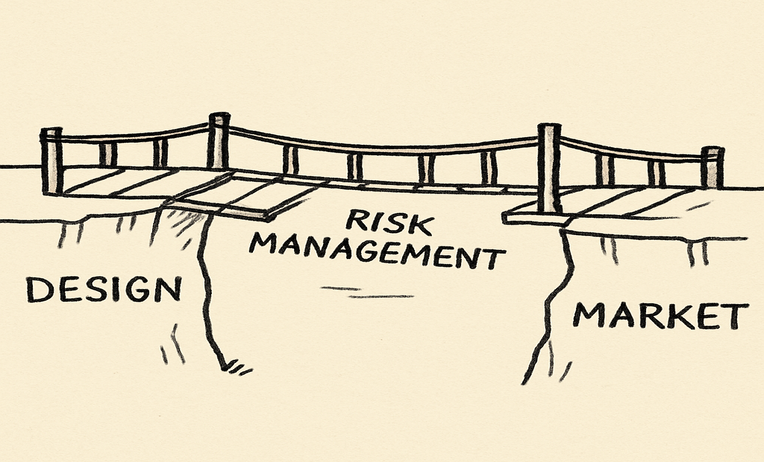
When comparing computer software assurance vs computer system validation, the primary distinction lies in the underlying philosophy. Traditional CSV heavily emphasizes rigid documentation and exhaustive testing of every single software feature, regardless of its actual impact on patient safety or product quality. CSA flips this model on its head by prioritizing critical thinking, risk management, and scaling the testing effort to the actual risk the software poses.
The FDA draft guidance for computer software assurance highlights this change beautifully. It encourages manufacturers to focus their testing resources on high-risk systems that directly impact patient safety, while leveraging automated testing, ad-hoc testing, and existing vendor documentation for lower-risk systems.
The transition from CSV to CSA methodology does not mean you stop testing or abandon quality. Instead, it means you test smarter, optimizing your resources to focus on what truly matters.

Embracing the FDA Risk-Based Software Testing Framework
To truly adapt to this new era of compliance, life science companies must fully embrace the FDA risk-based software testing framework. The agency now advocates for the least burdensome approach for medical software, meaning QA teams should only apply the level of rigorous documentation necessary to ensure safety and efficacy.
Here are the key pillars to consider when updating your internal policies:
1. Implementing Critical Thinking in Software QA
Quality assurance teams are finally empowered to use their industry expertise. Rather than mindlessly executing step-by-step test scripts for every minor software update, implementing critical thinking in software QA means asking: “What happens if this specific software feature fails?” If a failure does not negatively impact product quality, data integrity, or patient safety, unscripted or ad-hoc testing may be perfectly acceptable.
2. Streamlining Software Validation Documentation
A massive operational benefit of the CSA model is streamlining software validation documentation. You no longer need thousands of printed screenshots to prove a low-risk inventory system works. Assurance can often be achieved through vendor audits, continuous system monitoring, automated test logs, and concise summary reports.
3. Non-Product Software Validation Strategies
For internal systems like Quality Management Systems (QMS), Document Management Systems, or HR training portals, non-product software validation strategies should lean heavily into the CSA framework. Since these tools do not go directly into a medical device or physical drug product, the direct risk to patients is lower, allowing for a much more streamlined and agile validation approach.
Deep Dive into Compliance, Security, and Lifecycle Management
Even with a streamlined, risk-based approach, strict regulatory boundaries remain intact—particularly concerning the security and integrity of electronic records.
Ensuring 21 CFR Part 11 compliance for medical software is completely non-negotiable. This specific FDA regulation dictates the strict criteria under which the agency considers electronic records and digital signatures to be trustworthy, reliable, and equivalent to traditional paper records.
A crucial, heavily audited component of this regulation is the system’s audit trail. Regulatory bodies mandate that the audit trails of computer systems include secure, computer-generated, time-stamped records that independently track the creation, modification, or deletion of any electronic record. Without robust audit trails, even the most advanced software cannot be deemed compliant.

Furthermore, for companies developing Software as a Medical Device (SaMD) or Medical Device Data Systems (MDDS), software as a medical device lifecycle management requires rigorous, end-to-end oversight. You must adhere strictly to established software verification and validation requirements to ensure the code performs safely in clinical environments.
To guide this complex lifecycle, many organizations look to universally recognized international standards. Following IEC 62304 software life cycle standards ensures that your software development process—from initial requirements gathering and architectural design to maintenance, issue resolution, and eventual decommissioning—is safe, structured, and easily defensible to global regulatory bodies.
Actionable Best Practices for Modern Software Validation
How do you translate these updated guidelines from theoretical concepts into daily operations? Whether you are a nimble biotech startup or a multinational pharmaceutical giant, applying the right strategic practices is vital. Here are actionable tips to modernize your validation efforts:
- Adopt Specialized Digital Tools: Do not rely on outdated, error-prone spreadsheets for your validation protocols. Utilize dedicated, modern pharma validation software that supports the electronic execution of test protocols. These tools automatically trace user requirements to functional risks and test cases, saving hundreds of hours of manual labor.
- Master Research Compliance: When looking at best practices for software validation in research settings, remember that R&D environments are highly dynamic. Implement scalable validation protocols that allow scientists and researchers to adopt new analytical software without getting bogged down by months of validation delays. Focus on data integrity and reproducibility.
- Embrace Modern Development Methods: Historically, regulators preferred the rigid Waterfall development model. Today, agile software development in regulated environments is highly encouraged. By breaking down software development into smaller, testable sprints, you can continuously validate software increments, making the final release much smoother and significantly faster.
- Secure the Cloud Infrastructure: The industry is rapidly moving away from on-premise servers. However, validating cloud-based systems for FDA compliance requires a clear understanding of the “shared responsibility” model. While the cloud provider (like AWS or Azure) manages physical infrastructure security, your organization must validate that your specific configuration, user access controls, and intended use of the cloud software meet all FDA standards.
Preparing for the Future of FDA Audits
The ultimate test of your validation strategy comes during a regulatory inspection. Preparing for FDA software quality audits in this new CSA-driven landscape means fundamentally shifting your defense strategy.
In the past, auditors would walk into a facility and ask for a mountain of executed test scripts to prove compliance. Today, they are much more likely to ask for your overarching risk assessment. Auditors want to see that your team truly understands the specific risks associated with your computerized systems and that you have applied appropriate, proportionate controls.
If you decided not to formally script a test for a low-risk system feature, be prepared to confidently explain the critical thinking behind that decision. Your documented rationale, clearly outlined in your Validation Plan or Risk Assessment Matrix, is your best defense. Moving from a culture of blind compliance to a culture of quality intelligence is what will impress modern inspectors.
Conclusion
Navigating the shifting currents of digital compliance does not have to be a painful burden. The evolution from traditional, document-heavy CSV to the modern CSA approach is an invitation to innovate. It allows life sciences organizations to reduce bureaucratic waste, leverage modern testing technologies, and empower their QA teams to focus on actual quality rather than just paperwork.
By understanding and implementing these new FDA guidelines, adopting risk-based frameworks, and utilizing modern validation software, your organization will not only remain compliant but also gain a significant competitive edge. Embrace critical thinking, secure your data, and let these updated validation strategies accelerate your mission to deliver safe, effective products to the patients who need them most.